
Buttoned Armchair
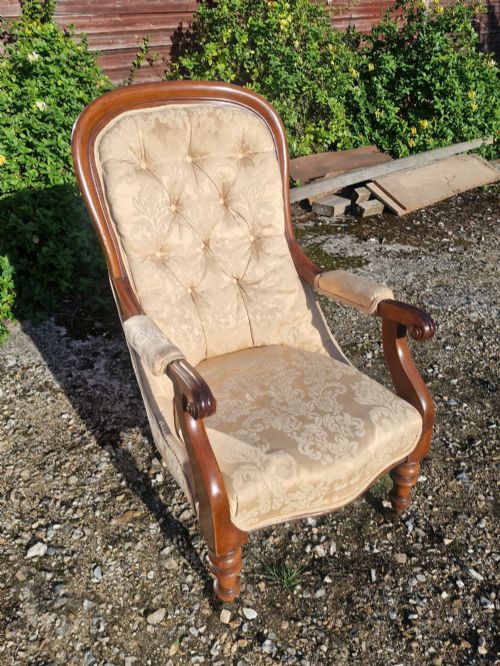
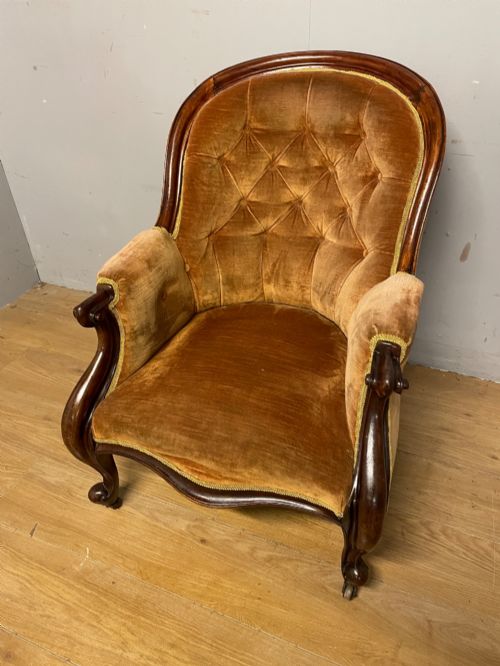
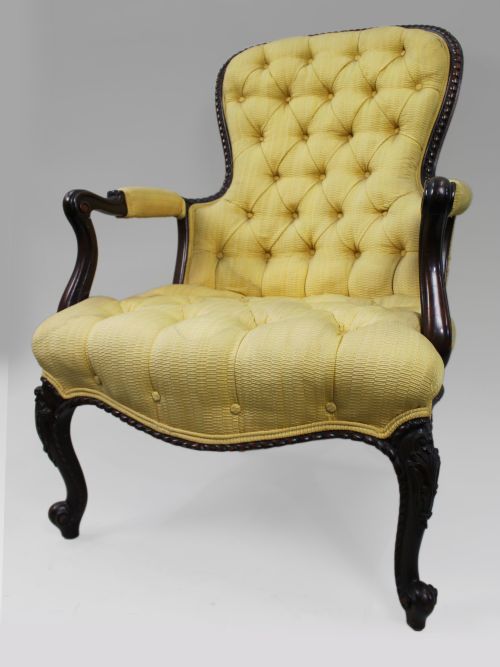
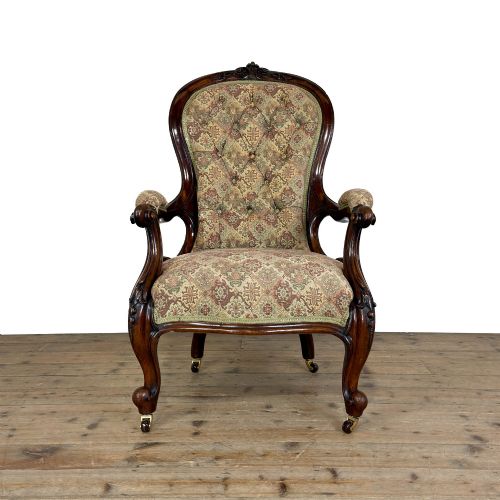
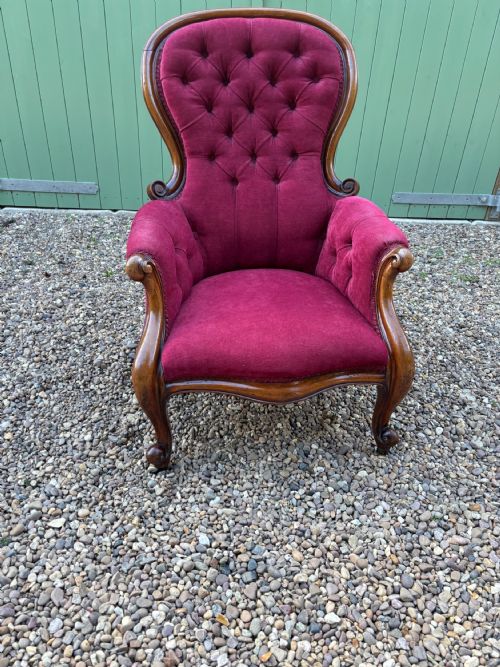
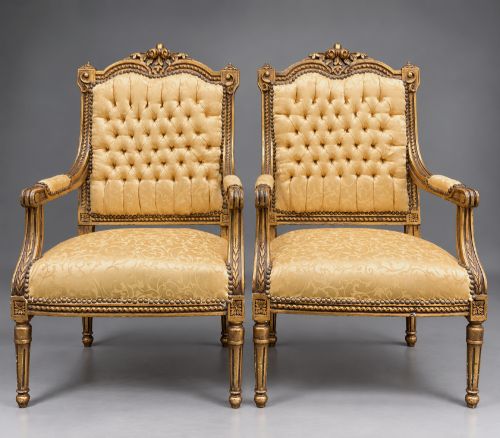
A buttoned armchair brings distinct character to a room, offering deep comfort through tufted upholstery paired with sturdy wooden frames.
Buttoned Armchair
When searching for a buttoned armchair, buyers encounter pieces primarily from the nineteenth century, including Victorian and Regency periods, alongside early twentieth-century examples. These seats encompass library chairs, gentleman's armchairs, wing backs, desk chairs, and nursing chairs.
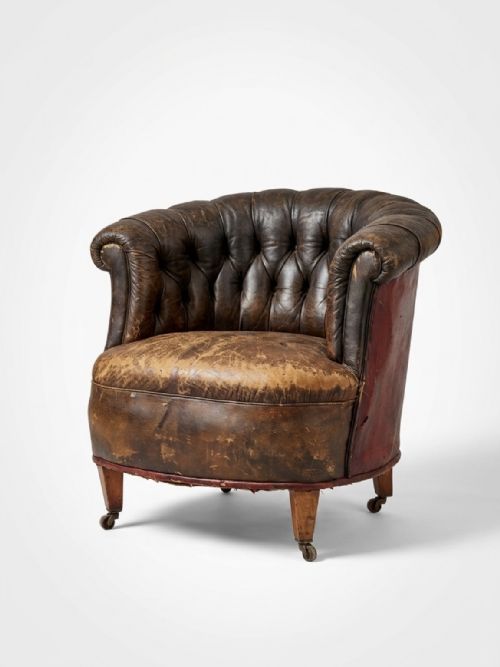
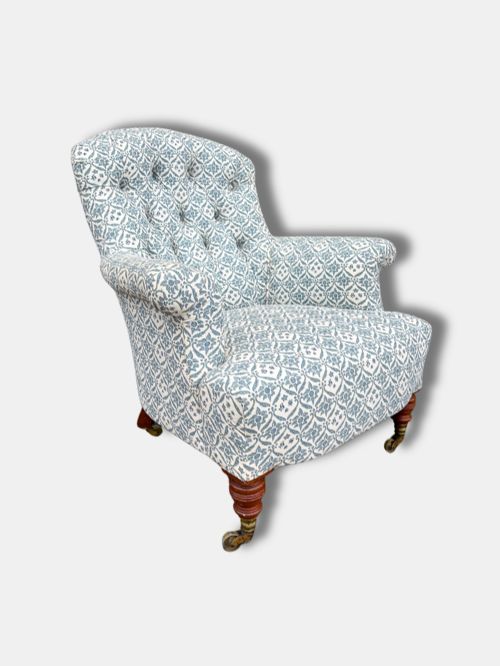
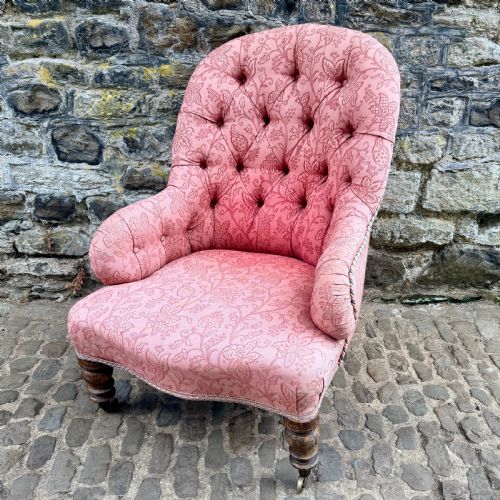
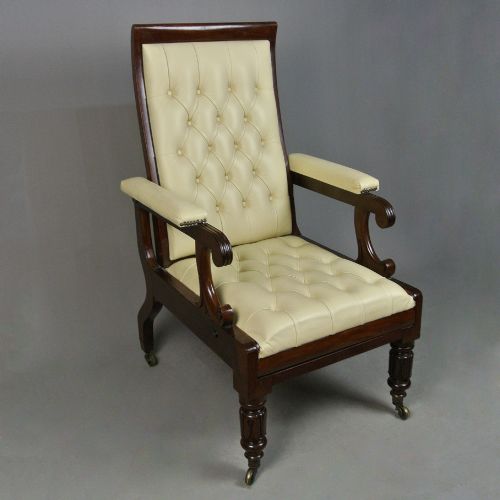
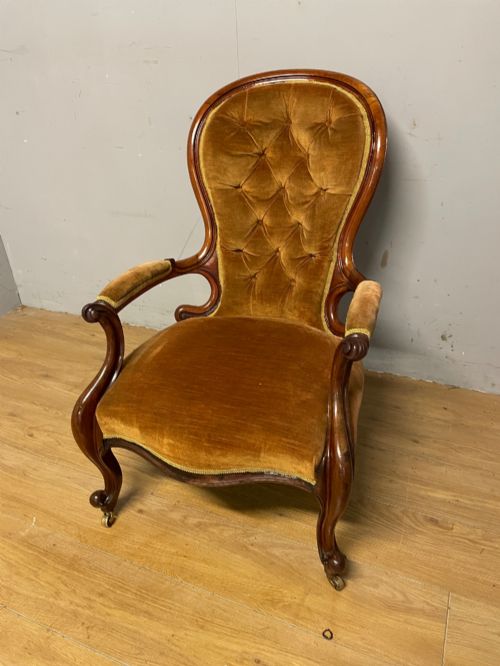
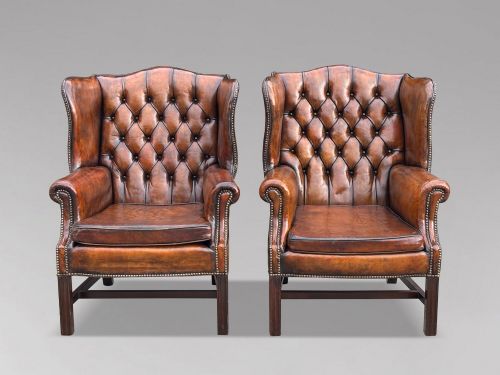
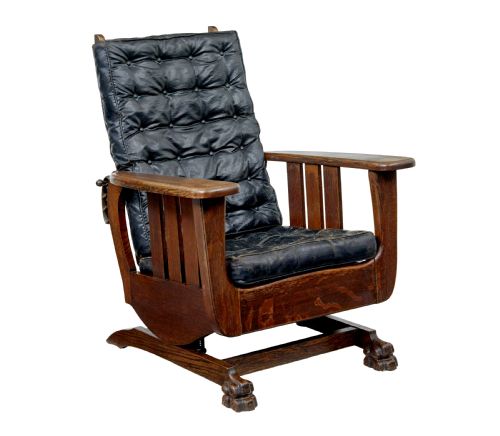
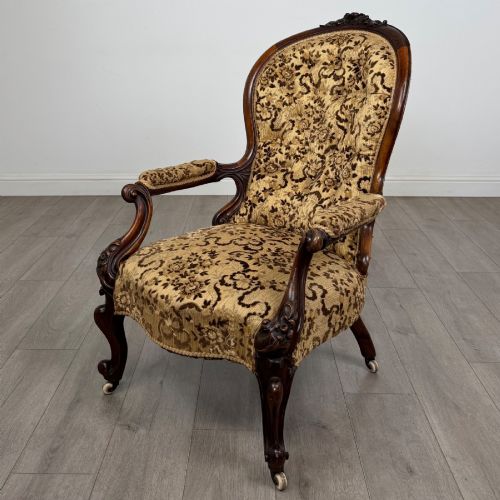
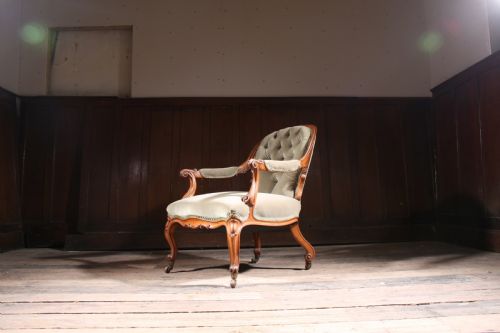
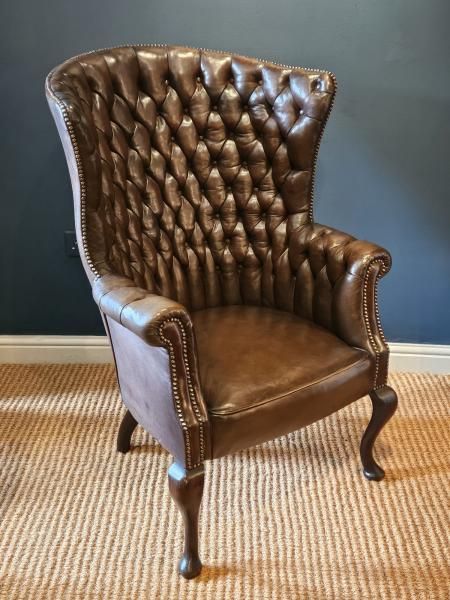
The most common variations on this page include mahogany, walnut, and oak framed chairs upholstered in leather, velvet, or fabric. Makers and designers utilised traditional forms such as button backs, spoon backs, and tub shapes.
Originating largely from English and French workshops, these items serve functional seating roles while displaying period-specific woodwork, such as carved frames and brass castors.
How they were made
Frames rely on dense hardwoods like mahogany, walnut, oak, and rosewood, shaped through turning and carving to support upholstered components. Joinery techniques secure these wooden structures to withstand heavy daily use.
Upholstery relies on leather, velvet, and fabric pulled tight over internal padding and secured with deep tufting or buttoning. Brass hardware, including castors and tacks, frequently finishes the construction.
What varies in quality
The sophistication of the timber carving and the selection of fine woods such as figured mahogany or rosewood set certain examples apart from standard utility seating. Superior joinery ensures the frame remains rigid over generations of use.
The execution of the buttoning and the grade of the upholstery material dictate the overall refinement of the piece. Premium examples maintain taut leather or velvet that coordinates precisely with the proportions of the wooden frame.
Howard and Sons
The Buttoned Armchair Glossary
- Button back
- Upholstery style where buttons are pulled deep into the padding in a diamond pattern, creating distinct tufts. This technique secures the internal stuffing while adding texture to the surface.
- Spoon back
- A padded chair back shaped like the bowl of a spoon, popular in the mid-nineteenth century. The wooden frame curves inward to cradle the sitter's spine.
- Wing back
- An armchair with side panels extending from the back to shelter the user from drafts. These pieces frequently feature leather upholstery and sturdy wooden legs.
- Castor
- A small wheel attached to the base of chair legs to ease movement across floors. Brass is the standard metal seen on nineteenth-century seating.
- Tub chair
- A seating form featuring a continuous curved back and arms that enclose the sitter. This shape appears in both mahogany and oak frameworks.
Buttoned Armchair: Frequently Asked Questions
How do I identify a Victorian buttoned armchair?
Victorian examples typically utilise mahogany or walnut framing paired with deep button-backed upholstery in leather, velvet, or fabric. Look for characteristic period turning on the legs and structural proportions suited for library or parlour use.
Such pieces often display carved details on the wooden arms and back rails, reflecting mid to late nineteenth-century workshop practices.
Where were these armchairs used historically?
These chairs served multiple rooms in country houses and town residences, including libraries, studies, bedrooms, and parlours. Desk variants provided seating for writing, while club and wing models furnished smoking rooms.
Different forms were tailored to specific domestic tasks, from low nursing chairs to sturdy library armchairs designed for long hours of reading.
What materials are typical for the frames?
Frames are constructed primarily from hardwoods such as mahogany, walnut, oak, and rosewood. These timbers provided the structural strength needed to support heavy upholstery and active daily use.
Secondary woods occasionally appear in internal framing, while exterior surfaces showcase the distinct grain and rich colour of polished hardwood.
How do desk chairs differ from standard armchairs?
Desk chairs incorporate functional adaptations like revolving mechanisms, iron supports, or brass castors to allow movement around a workspace. Their proportions match writing tables and partners desks from the nineteenth and early twentieth centuries.
Despite these mechanical additions, they retain the characteristic buttoned upholstery and wooden armrests found on larger seating.