





Burr Wood Sideboard
A burr wood sideboard brings together deep, figured grain and heavy storage in forms ranging from Victorian credenzas to Art Deco cocktail cabinets.
Burr Wood Sideboard
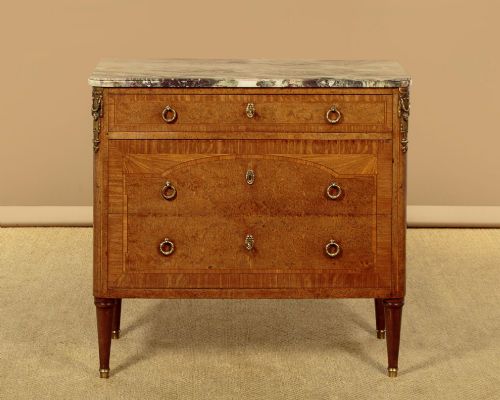
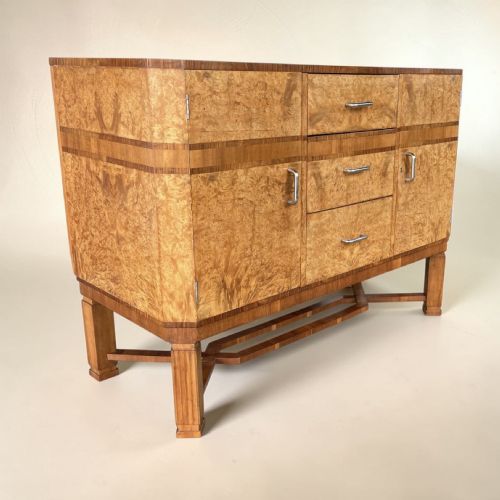
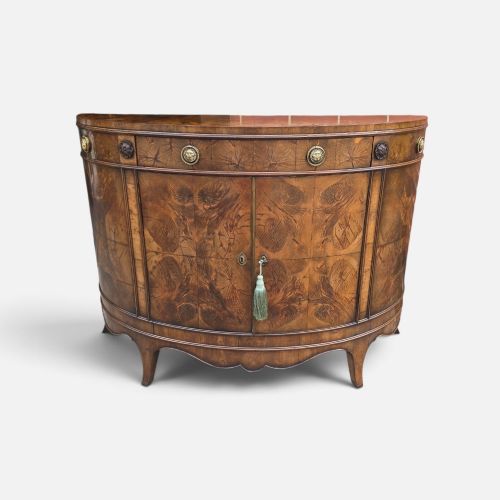
A burr wood sideboard serves as a substantial focal point for a dining room or salon, offering deep cupboards, drawers, and display surfaces. The pieces gathered under this term span from eighteenth-century commodes and dresser bases to nineteenth-century credenzas and twentieth-century cocktail cabinets.
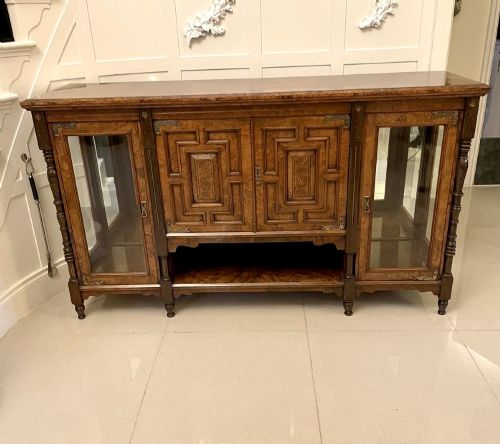
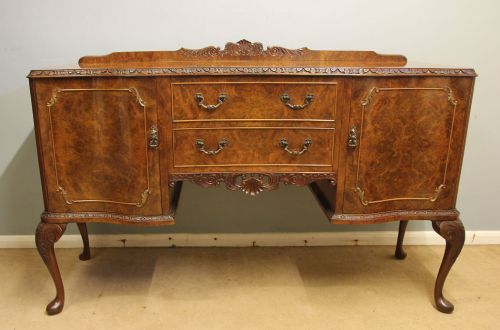
Victorian walnut credenzas and serpentine front sideboards appear most frequently in these listings. Makers utilised highly figured burls across doors and drawer fronts, framed by contrasting timbers.
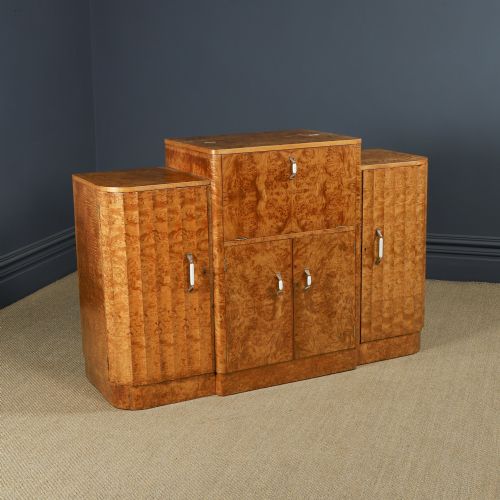
The forms extend beyond standard sideboards to include mirror-back side cabinets, low bookcases, and fitted drinks cabinets from the Art Deco period.
How they were made
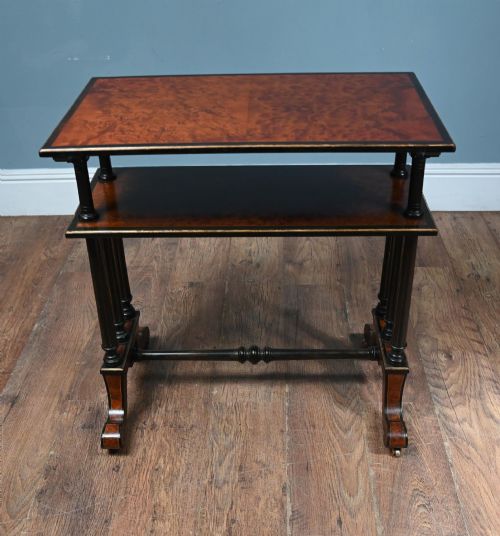
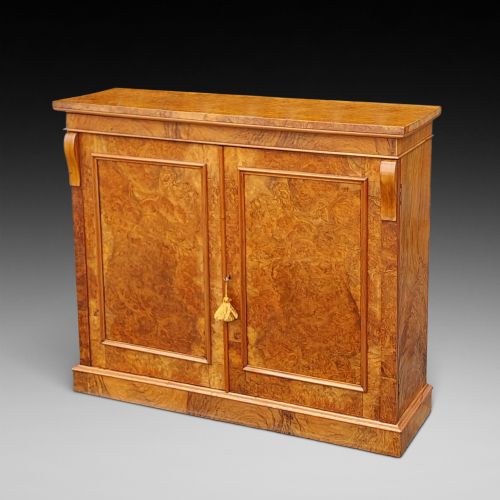
Cabinet makers selected thin veneers of burr walnut, burr elm, burr yew, and amboyna, laying them over stable secondary woods like oak or pine to create symmetrical patterns across large surfaces. This technique allowed workshops to display the intricate knots and swirls of the tree's growth without risking the splitting that solid burr timber would cause.
Many examples incorporate hand-cut marquetry inlays, brass mounts, or ormolu details to edge the doors and frame the central panels. Glass panels feature in the doors of credenzas and display cabinets, while interior fittings often include adjustable shelving and specialised compartments for glassware or cutlery.
Burr Wood Sideboard Retail Price Guide 2026
Typical asking prices for burr wood sideboard among the pieces listed under this phrase on Sellingantiques today, from the lower quarter to the upper quarter. They describe what is for sale here now, not the wider market.
Several pieces conceal electric lighting within their drinks compartments, proving that 1930s revellers appreciated built-in mood lighting just as much as modern ones.
What varies in quality
The value and distinction of a burr wood sideboard rest primarily on the selection and matching of the veneer. Workshops that spent time aligning the natural swirls and knots across multiple doors achieved a balanced, symmetrical pattern that lesser pieces lack.
Construction methods also set pieces apart, visible in the precision of the marquetry, the weight of the brass or ormolu mounts, and the integration of internal fittings such as fitted drawers or mirrored backs.
Harry and Lou Epstein
The Burr Wood Sideboard Glossary
- Burr wood
- Wood taken from a tree growth where the grain has grown in a deformed, swirling manner. It produces intricate patterns highly prized by cabinet makers.
- Credenza
- A low cabinet or sideboard, frequently featuring glass doors and curved side sections, popular during the Victorian period.
- Marquetry
- The art of applying pieces of veneer to a structure to form decorative patterns and pictures. It often frames the central burr panels on these pieces.
- Ormolu
- Gilded bronze mounts applied to furniture for decoration. They appear frequently on nineteenth-century credenzas.
- Serpentine front
- A furniture front curving outward in the centre and inward at the sides. This shape demands careful veneer work.
Burr Wood Sideboard: Frequently Asked Questions
What is a burr wood sideboard?
A burr wood sideboard is a large storage unit faced with patterned timber burls. These pieces date from the eighteenth century through to the Art Deco period.
They function as dining room servers, credenzas, and cocktail cabinets. The distinctive grain patterns form the primary visual feature of the furniture.
How do I date a Victorian credenza?
Victorian credenzas often feature burr walnut veneers, ebonised framing, and glazed side cabinets. Dating relies on stylistic cues such as marquetry motifs and hardware.
Mid-nineteenth-century examples frequently include gilt bronze mounts and serpentine fronts. Later Victorian pieces lean toward simpler lines and darker finishes.
Where were these sideboards used?
These sideboards served dining rooms, drawing rooms, and grand hallways. They stored heavy tableware, linens, and bottled spirits.
In the twentieth century, similar forms adapted into cocktail cabinets with fitted glass interiors. Earlier pieces provided surface space for displaying silver and porcelain.
How do I care for burr walnut veneer?
Burr walnut veneer requires stable indoor humidity and protection from direct sunlight. Excessive heat can cause the thin wood layers to lift from the core.
Cleaning involves dusting with a dry cloth and occasionally applying appropriate wax polish. Avoid heavy liquid cleaners on antique timber surfaces.