






Burr Ash Wood
Burr ash wood furniture brings unmistakable figured grain and rich warmth into a room, offering both practical utility and striking visual character.
Burr Ash Wood
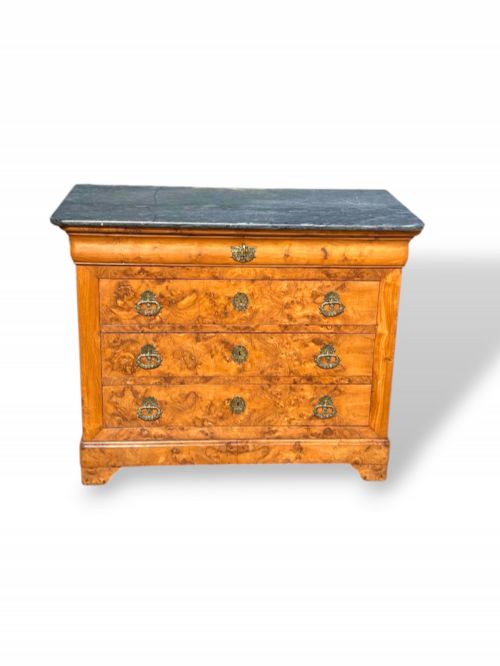
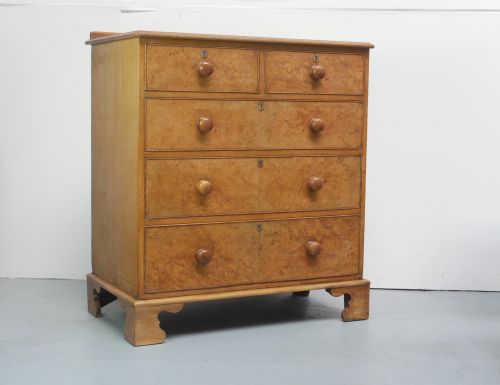
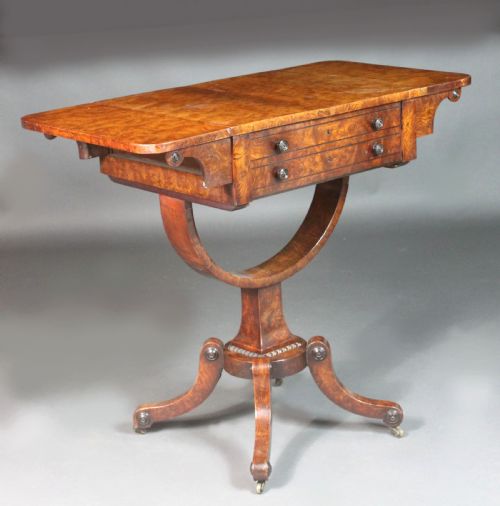
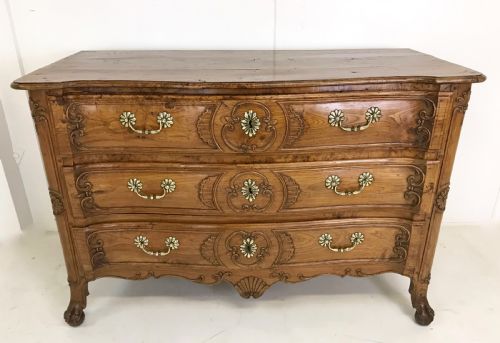
When you search for burr ash wood, you encounter distinctive timber characterised by swirling, knotty growth patterns that create complex natural patterns across furniture surfaces. These pieces predominantly take the form of 18th century and 19th century case furniture, including commodes, chests of drawers, and side tables.
You are most likely to meet French Provincial and Victorian examples on this page, alongside specific regional forms like Welsh vernacular seating and English country pieces. The selection spans utilitarian storage and refined occasional tables, often combining burr ash veneer with solid ash or supporting secondary timbers.
Makers utilised the decorative potential of the timber for drawer fronts and primary panels, creating striking visual contrast against simpler frames. These items range from compact sewing tables to large enfilades and sideboards, each displaying the characteristic figuring of the wood.
How they were made
Craftsmen sliced thin layers of burr ash veneer from highly figured growths on the trees and applied them carefully to solid carcases of wood. This technique allowed workshops to display dramatic grain patterns across large surfaces like commode drawer fronts and tabletop panels without risking the structural instability of solid burr timber.
Makers combined the figured veneer with structural elements of solid ash, cherrywood, or walnut, sometimes incorporating brass hardware and marble tops for functional elegance. Joinery traditions varied from English country Windsor chair construction to precise French provincial cabinet making.
Burr Ash Wood Retail Price Guide 2026
Typical asking prices for burr ash wood among the pieces listed under this phrase on Sellingantiques today, from the lower quarter to the upper quarter. They describe what is for sale here now, not the wider market.
Listings feature 19th Century, 18th Century, and Regency periods alongside materials including brass, marble, and burr ash veneer.
What varies in quality
The quality of these pieces rests primarily on the density, placement, and preservation of the figured grain across the primary surfaces. Finer items display symmetrical veneer matching and harmonious colour transitions across the boards, whereas lesser examples show disjointed grain alignment or heavy patching.
Construction methods and the integration of secondary timbers also mark the distinction between provincial workshop output and more formal cabinet making. The crispness of proportion and the integrity of the original polish reveal the maker's underlying skill.
The Burr Ash Wood Glossary
- Burr Ash
- A figured timber derived from growths on ash trees, highly prized for its swirling, knotty grain patterns. It is typically sliced into veneers for furniture fronts.
- Commode
- A low cabinet or chest of drawers, originating in France during the 18th century. These pieces often feature decorative marble tops and intricate veneer work.
- Enfilade
- A long sideboard or buffet cabinet designed for dining rooms, featuring multiple doors and drawers in a continuous line. They frequently combine regional fruitwoods and ash.
- Veneer
- A thin layer of decorative timber applied to a stable secondary wood carcase. This technique prevents warping while displaying expensive figured grains.
- Vernacular
- Furniture built by regional craftsmen using local traditions and materials rather than adhering to metropolitan high styles. These items often include rustic chairs and country cupboards.
Burr Ash Wood: Frequently Asked Questions
How do I care for burr ash furniture?
Keep these pieces away from direct sunlight and steady heat sources to protect the delicate veneer and timber from drying out. Regular dusting with a soft, dry cloth maintains the finish without needing heavy polishes.
Maintain consistent indoor humidity levels to prevent the wood or underlying joints from moving over time. Gentle treatment preserves the historic polish and natural lustre of the figured grain.
What is the difference between ash and burr ash?
Standard ash is a straight-grained, pale hardwood known for its strength and flexibility, frequently used in vernacular chair making. Burr ash comes from a tree growth that creates chaotic, swirling patterns.
Cabinet makers reserved burr ash veneer for prominent decorative surfaces like drawer fronts and tabletops. Standard ash provided the sturdy structural framework and legs beneath.
Where were these pieces made?
Items on this page originate from various European workshops, including French provincial centres and English country districts. Regional makers utilised local timber supplies alongside imported decorative veneers.
Stiles and construction techniques often reflect the specific geographic origin, from Welsh vernacular stick-back chairs to refined Louis Philippe commodes.
How do I identify a 19th century piece?
Nineteenth-century items often display specific stylistic markers such as Victorian proportions or the clean lines associated with the Louis Philippe and Biedermeier periods. Construction details like machine-sawn backing boards or standardised hardware help confirm the era.
Examining the internal drawer construction and secondary woods provides further clues to the date of manufacture. Makers of this century continued traditional veneering methods while adapting to changing domestic interiors.