
Brown Wooden Storage
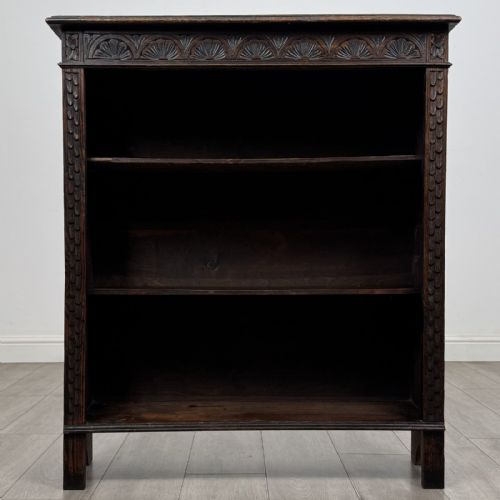
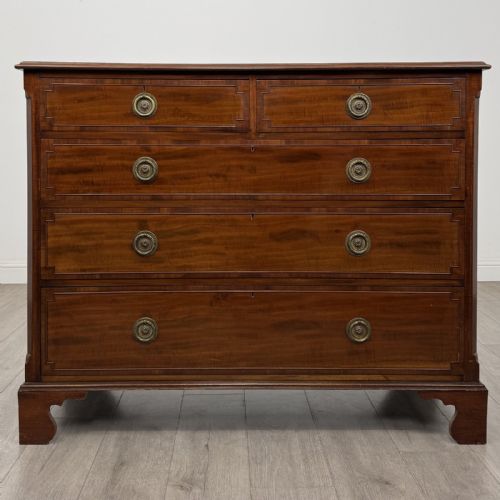
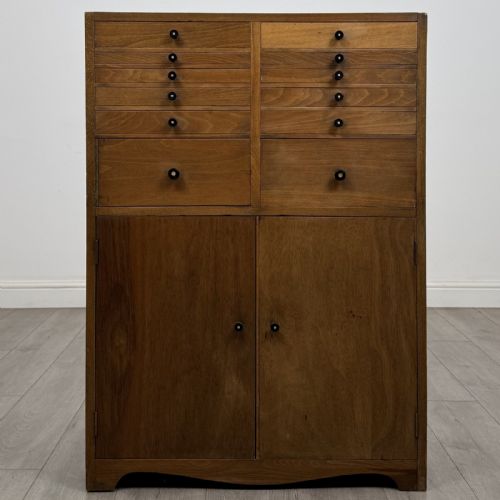
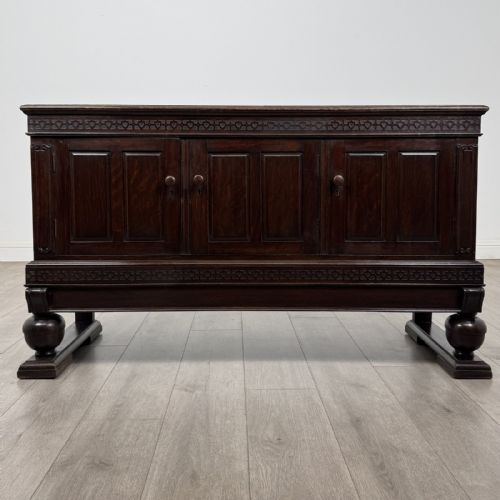
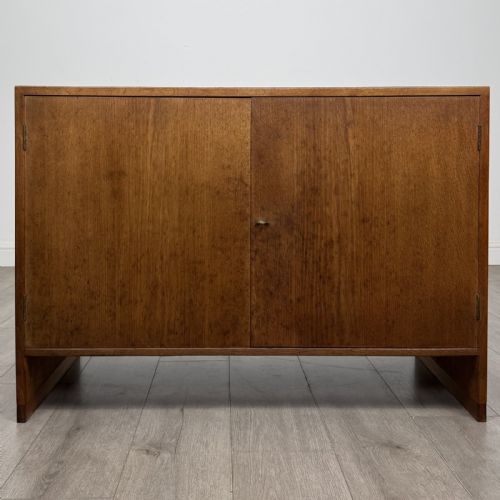
These items of brown wooden storage encompass chests of drawers, cupboards, and coffers crafted to hold domestic belongings securely across multiple centuries.
Brown Wooden Storage
Brown wooden storage items span centuries of domestic utility, encompassing forms designed to hold household goods, clothing, and valuables. When a buyer searches for brown wooden storage, they encounter pieces ranging from seventeenth-century oak coffers to twentieth-century mahogany and oak cabinets.
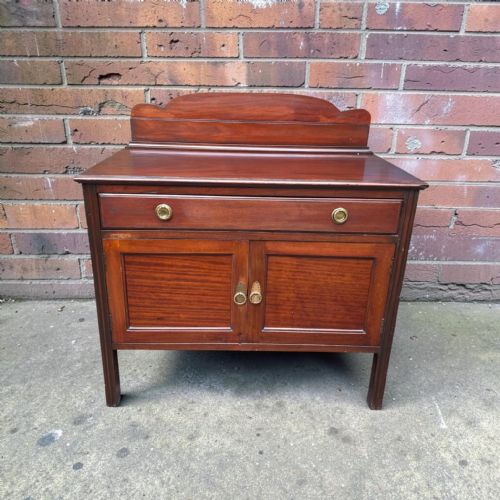
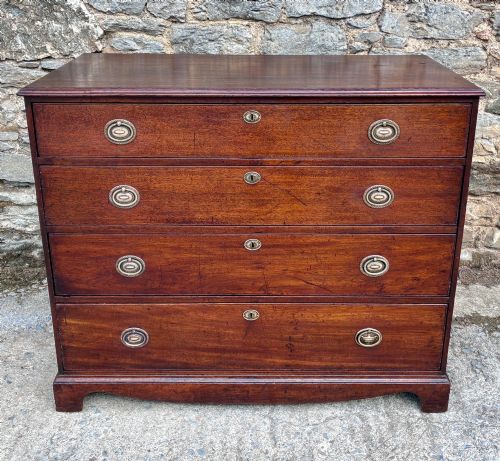
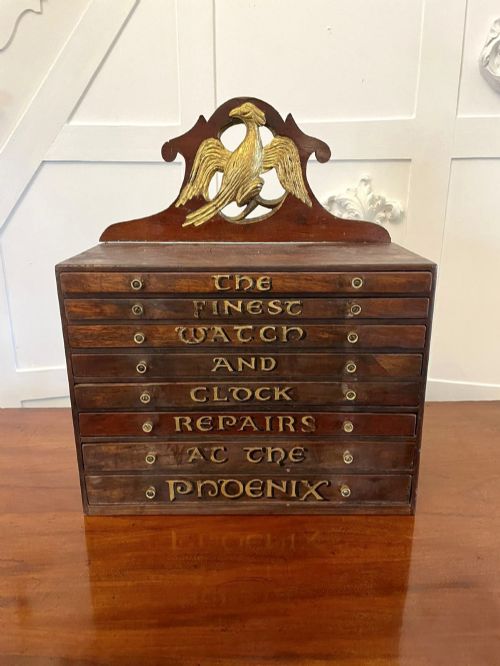
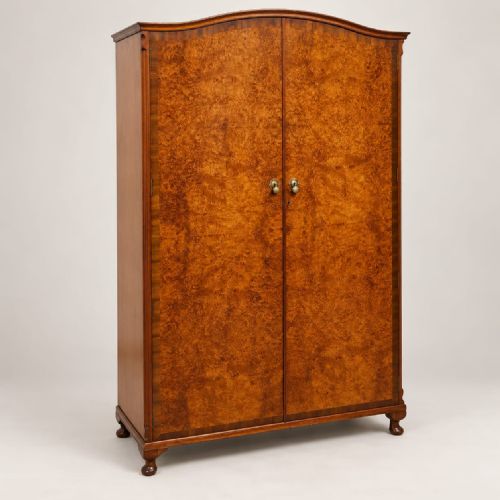
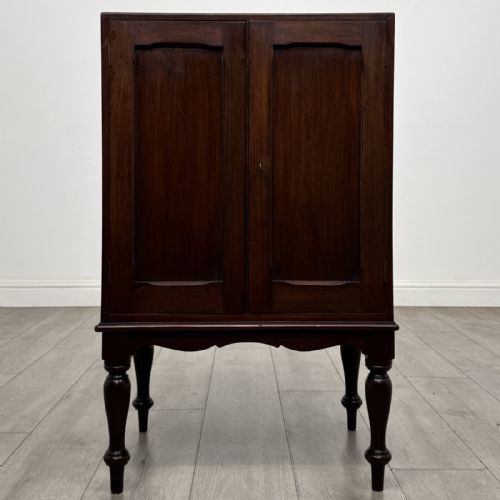
The selection on this page is dominated by chests of drawers, wardrobes, and cupboards originating from the Georgian, Victorian, Edwardian, and twentieth-century periods. Practical forms such as side cabinets, watchmakers boxes, and bible boxes also appear frequently alongside larger storage furniture.
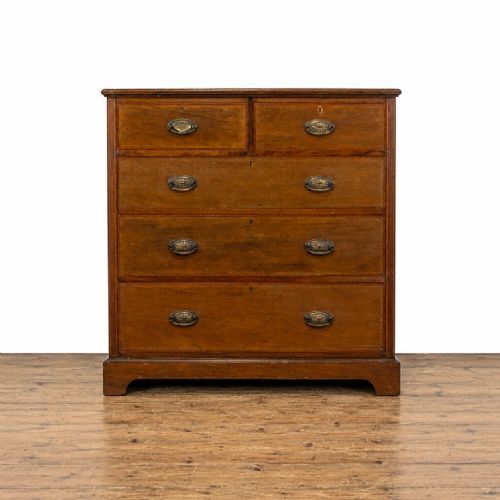
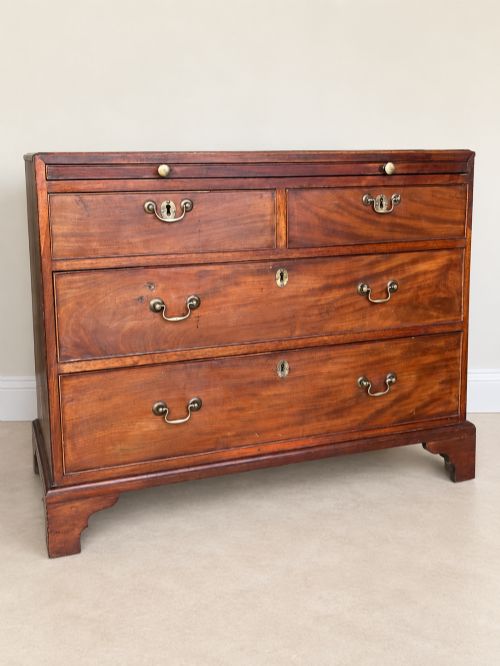
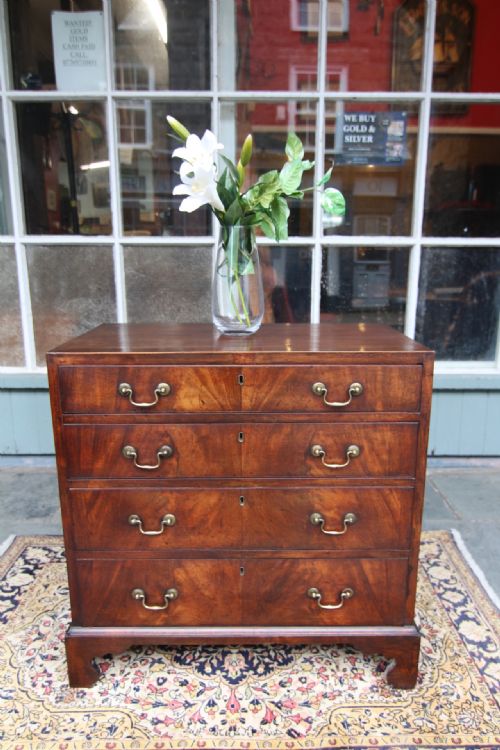
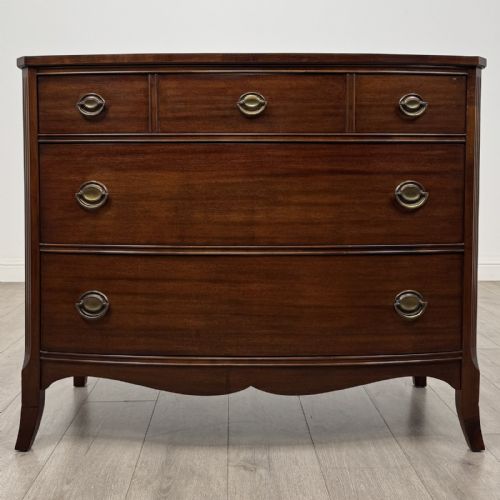
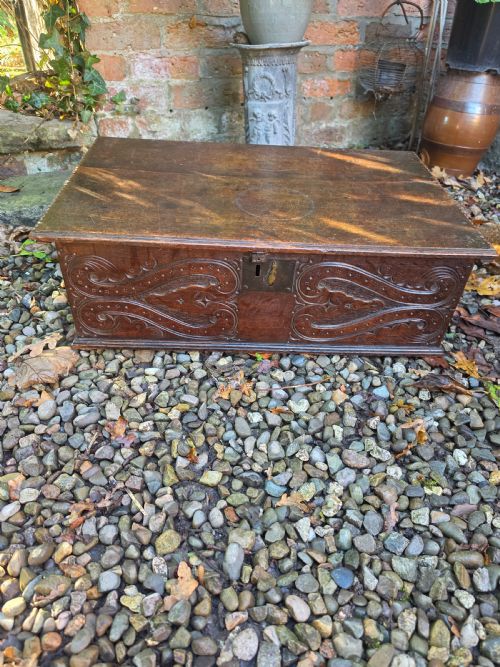
The physical presence of these pieces is defined by traditional formats, including bow front chests, panelled oak coffers, and double wardrobes. Each object reflects the prevailing storage requirements of its respective era, utilising timber construction to house possessions safely.
Materials and construction
Makers utilised native and imported hardwoods including oak, mahogany, walnut, ash, and camphor wood to construct these storage items. Timber selection dictated the structural integrity of chests and cupboards, with oak dominating earlier pieces and mahogany becoming prevalent during the Georgian and Victorian periods.
Construction techniques involved traditional joinery such as panelled framing in seventeenth-century coffers and finely fitted drawers in eighteenth and nineteenth-century chests. Surface treatments ranged from simple waxed finishes on oak to flame mahogany veneer and decorative brass handles or escutcheons.
An apprentice piece miniature chest from the Victorian era offers diminutive storage for the smallest treasures.
Judging execution and finish
Quality in these storage pieces rests upon the precision of the cabinetmaker's joinery and the selection of timber. Figures in wood, such as flame mahogany veneer or burr walnut, elevate the visual impact of a wardrobe or chest.
HEPPLEWHITE
The Brown Wooden Storage Glossary
- Coffer
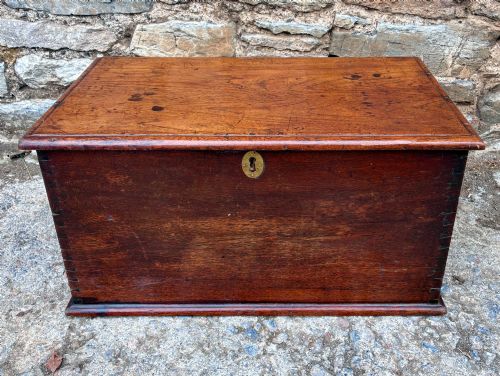
- A large wooden chest traditionally used for storing valuables, linens, or documents. Early examples feature heavy panelled oak construction.
- Bow Front
- A convex curved front contour typical of certain Georgian and Regency chests of drawers and corner cupboards. This shape softens the profile of case furniture.
- Bracket Foot
- A structural foot supporting case furniture such as chests of drawers, shaped like an architectural bracket. These feet elevate the body off the floor.
- Wardrobe
- A tall cupboard designed for hanging or storing garments. Period versions range from two-door mahogany units to burr walnut double wardrobes.
- Escutcheon
- A protective plate surrounding a keyhole, frequently fashioned from brass. It guards the surrounding wood from wear caused by the insertion of keys.
Brown Wooden Storage: Frequently Asked Questions
What periods do these storage pieces cover?
The pieces span from the seventeenth century through the Georgian, Victorian, and Edwardian eras into the twentieth century. Earlier items are predominantly constructed from oak, while later items utilise mahogany, walnut, and ash.
Buyers encounter various stylistic revivals alongside pieces made during the principal reigns and centuries. This temporal spread provides options ranging from rustic coffers to refined veneered wardrobes.
How were antique chests of drawers used?
These chests served primarily for storing folded clothing, linens, and personal documents within domestic bedchambers and parlours. Smaller specialist variants housed tools, watches, or valuables.
Their robust construction allowed them to remain functional receptacles across generations of domestic life.
What is the difference between a coffer and a chest?
A coffer generally denotes an earlier box form, often constructed from panelled oak in the seventeenth century, used for secure storage. Chests of drawers incorporate internal sliding compartments for organised storage.
Both forms belong to the broader category of wooden storage furniture designed to keep possessions enclosed and protected.
How do I care for wooden storage furniture?
Maintain these pieces by keeping them away from direct heat sources and fluctuating humidity to prevent timber splitting. Regular dusting with a dry cloth preserves the finish.
Applying traditional wax polish occasionally helps nourish hardwoods such as mahogany and oak without building up residue.