


Brown Wooden Library Steps
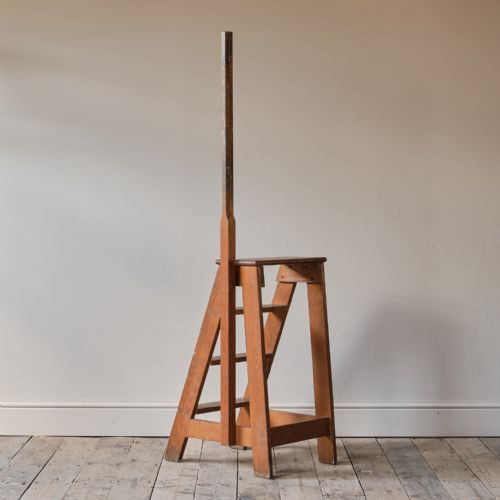
Brown wooden library steps are practical climbing pieces designed to reach high shelves, bringing both functionality and traditional craftsmanship into a room.
Brown Wooden Library Steps
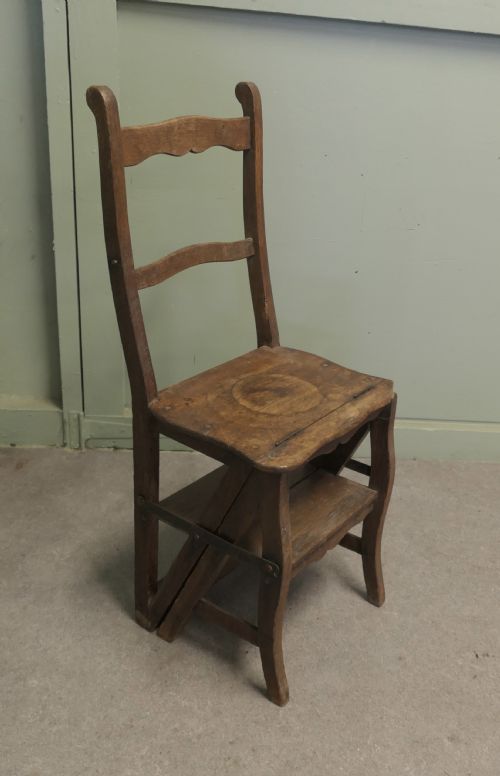
Brown wooden library steps encompass a range of functional climbing aids, including standard flights, folding flights, and innovative metamorphic forms.
The pieces appearing on this page span several historical periods, notably the Regency, Victorian, and Edwardian eras, constructed from timbers such as oak, mahogany, fruitwood, and pine.
Forms vary from sturdy upright ladders and traditional step units to clever dual-purpose furniture like library chairs that unfold into steps.
How they were made
Cabinet makers utilised dense hardwoods like mahogany, oak, and fruitwood alongside softer pine to build these structures, frequently integrating leather treads for grip.
Construction relied on traditional joinery methods combined with metal hardware such as brass hinges and iron fixings to permit folding or metamorphic action.
Materials recorded across the inventory include oak, mahogany, walnut, fruitwood, pine, leather, brass, and iron.
What varies in quality
The refinement of the timber selection and the precision of the joinery set finer pieces apart from utilitarian workshop output.
Mechanical complexity also divides the range, distinguishing simple fixed ladders from sophisticated metamorphic chairs and folding flights that require intricate hinges.
J. Jarvis·Morgan and Sanders
The Brown Wooden Library Steps Glossary
- Metamorphic
- Furniture designed to transform from one object into another, such as an armchair converting into a flight of steps. This dual functionality was particularly popular in the Regency and Victorian periods.
- Tread
- The horizontal flat surface or step upon which a person places their foot when climbing. On library steps, these are occasionally inset with leather.
- Gothic Revival
- An architectural and decorative style drawing inspiration from medieval design. Pieces in this style often feature pointed arches and heavy carved tracery.
- Bedsteps
- A compact set of steps originally designed to assist a person in climbing into a high traditional bed. They frequently double in form with hinged compartments.
Brown Wooden Library Steps: Frequently Asked Questions
What are metamorphic library steps?
Metamorphic library steps are clever pieces of dual-purpose furniture that conceal a flight of steps inside an armchair or table. They allow a room to maintain its primary seating function while providing immediate access to high bookshelves.
These pieces rely on hidden hinges and pivots to transform smoothly without disrupting the proportions of the chair or small bookcase.
How do I date library steps?
Dating library steps involves examining the primary timber species, the style of the turnings, and the complexity of the hardware. Regency pieces often utilise fine mahogany, whilst Victorian examples frequently showcase heavier oak or walnut construction.
Construction marks, such as hand-cut screws or maker stamps on the wood and brass, offer further clues to the precise era of manufacture.
Are these steps safe to climb?
Many historical library steps remain structurally sound for daily climbing, provided the joints and hinges are secure. Solid timber construction gives them enduring strength.
However, delicate folding mechanisms and antique treads require careful handling and regular inspection to ensure stability during use.
What woods were used for library steps?
Cabinet makers predominantly chose durable hardwoods like mahogany and oak for formal library steps throughout the Georgian and Victorian eras. These timbers provided the necessary structural integrity for climbing.
Softer woods like pine and fruitwood appear more frequently in country house or utilitarian workshop examples.