
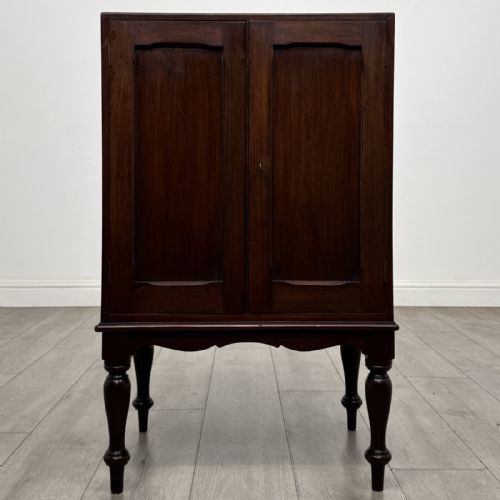
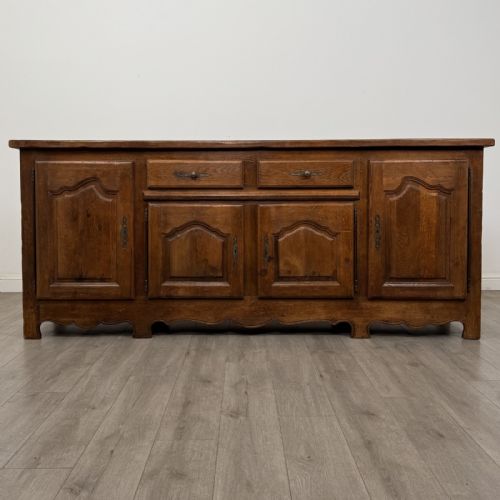
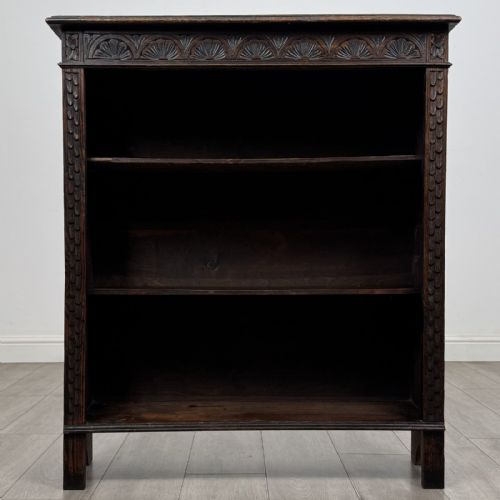
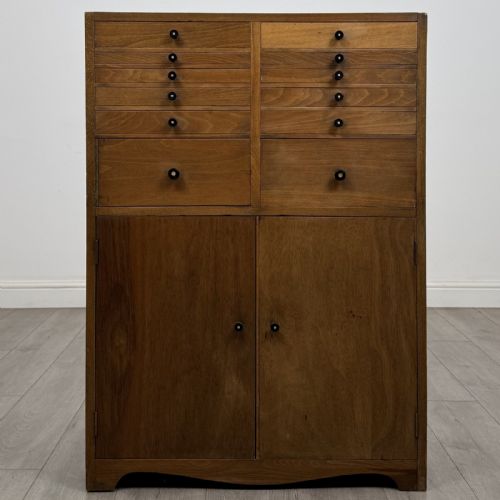
Brown Wooden Cabinets
Brown wooden cabinets anchor a room with practical storage, spanning stately Georgian sideboards to crisp Edwardian wardrobes.
Brown Wooden Cabinets
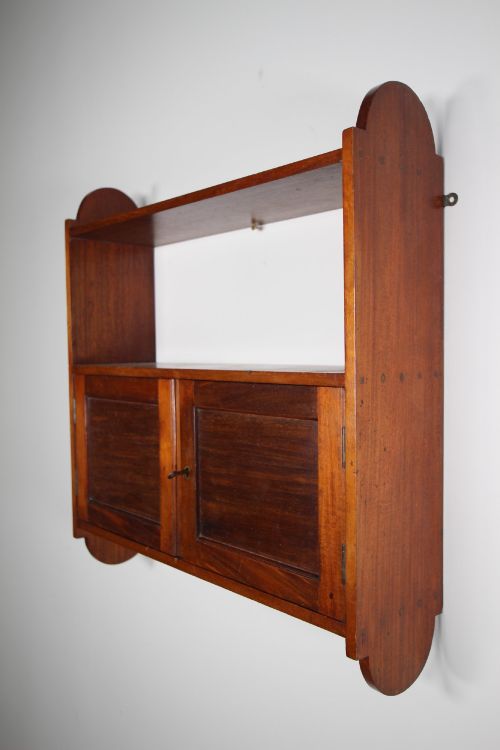
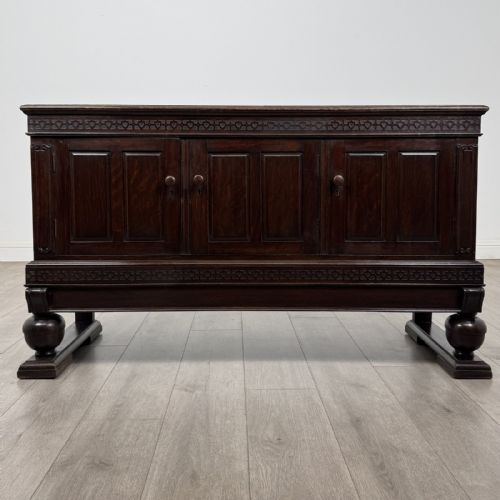
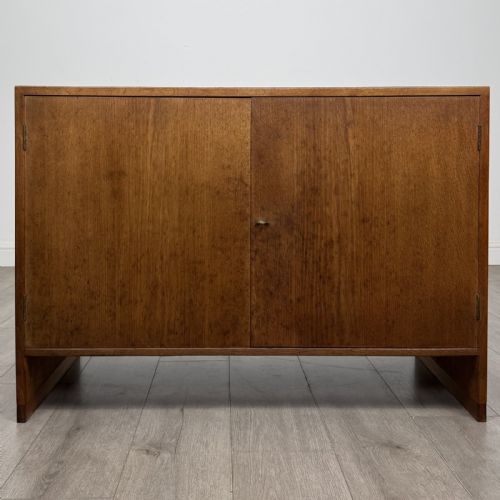
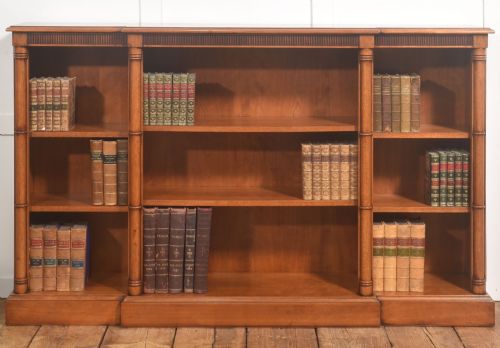
Brown wooden cabinets encompass a diverse family of storage furniture, ranging from robust oak sideboards and spice cupboards to refined mahogany bookcases and walnut wardrobes. When searching for brown wooden cabinets, buyers encounter forms that stretch from the eighteenth century through the Victorian, Edwardian, and Art Deco eras, reflecting shifting domestic needs.
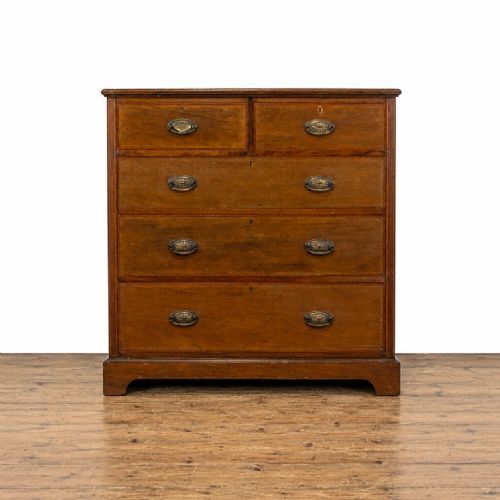
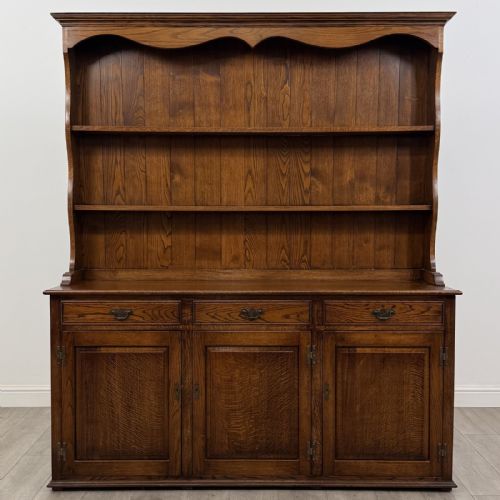
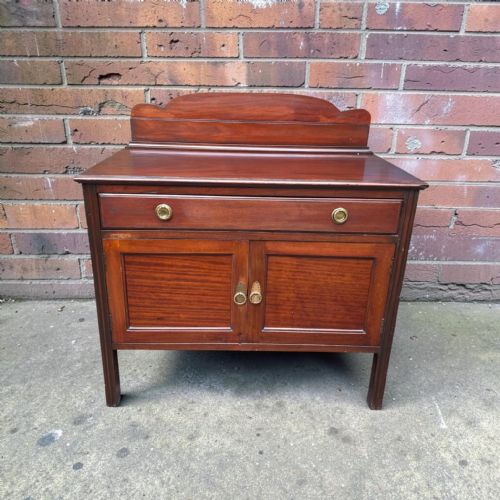
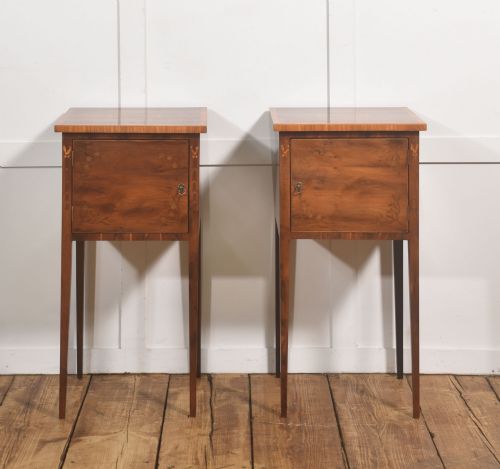
The pieces appearing most frequently span large dining room sideboards, bedside cabinets, and multi-drawer storage units. Oak and mahogany dominate the offerings, built into functional formats like corner cupboards, chiffoniers, and tall chests.
Origins vary across English workshops, Scottish makers, and international examples such as Japanese display cabinets. Each period contributes distinct proportions and timber selections, uniting under the broad umbrella of brown wooden storage.
Materials and construction methods
Makers utilised solid timbers alongside specialised veneers, employing dense oak, rich mahogany, burr walnut, and pine as foundational woods. These materials received structural support from iron hardware and brass handles, hinges, or key escutcheons.
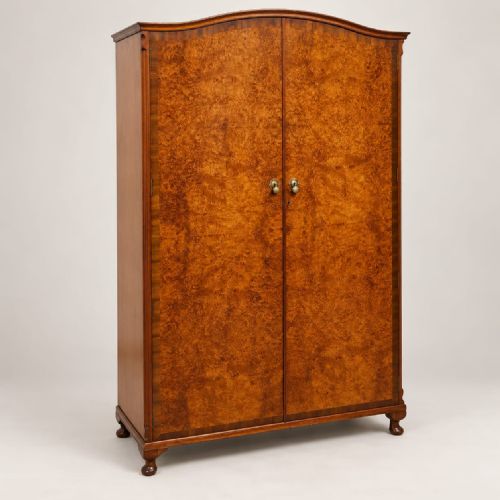
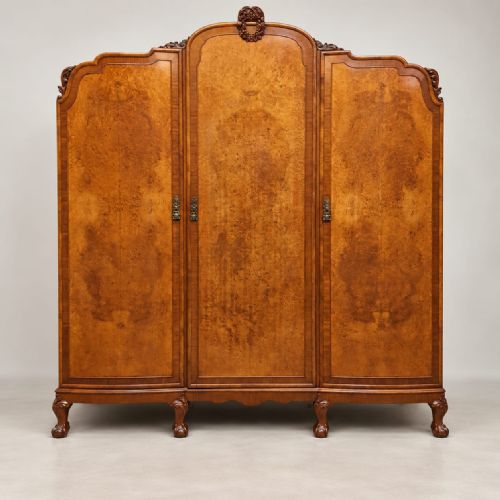
Surface decoration relied on skilled craftsmanship, including flame mahogany veneer, satinwood crossbanding, marquetry inlay, and carved detailing on pillars or panels. Glazed doors incorporated glass panes to showcase interior shelving, while turned or bracket feet lifted the bodies from the floor.
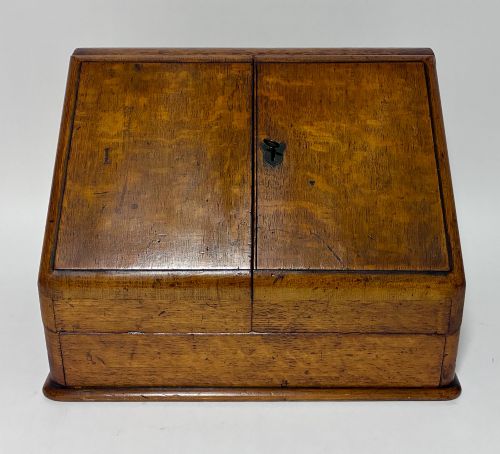
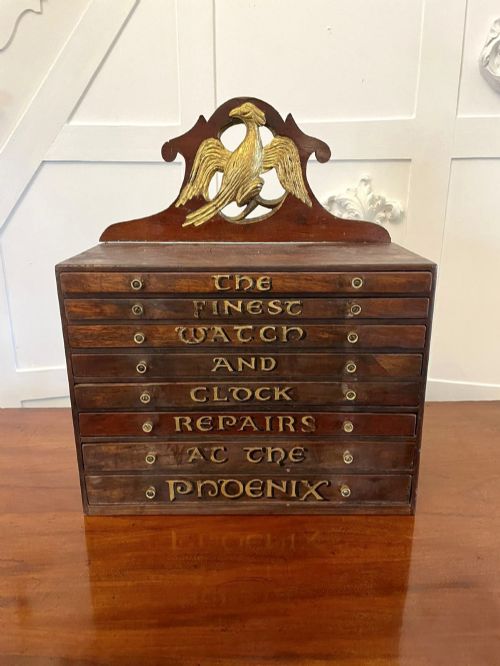
Watchmakers once stored their tiny components in dedicated specialist boxes, keeping miniature drawers humming with secret tiny parts.
Quality factors in brown wooden cabinets
The caliber of a piece rests heavily on the selection and matching of its timber grain, such as figured mahogany or burr walnut. Superior examples display thoughtful deployment of decorative techniques like satinwood crossbanding and precise marquetry rather than plain surfaces.
Structural integrity and internal fittings distinguish finer items, evident in adjustable shelving, well-fitted drawers with multiple compartments, and robust carved pillars. The harmony of proportions between the main body, cornices, and base details marks the distinction between standard utilitarian storage and exceptional cabinet-making.
The Brown Wooden Cabinets Glossary
- Chiffonier
- A low sideboard or cabinet featuring shelves and cupboards, popular during the nineteenth century for dining and living rooms.
- Crossbanding
- A narrow strip of veneer laid perpendicular to the grain of the surrounding wood to frame a surface panel.
- Marquetry
- Decorative patterns formed by fitting together thin pieces of wood veneer and other materials on a solid ground.
- Breakfront
- A cabinet or bookcase whose central section projects forward from the flanking sections.
- Spindle
- A turned, slender piece of wood often used in galleries or decorative supports on cupboards and sideboards.
Brown Wooden Cabinets: Frequently Asked Questions
How do I date a brown wooden cabinet?
Dating relies on observing timber choices, hardware, and stylistic details recorded across periods like the Georgian or Edwardian eras. Certain construction marks, such as hand-cut dovetails or specific veneer methods, point toward particular centuries.
Secondary indicators include foot styles like bracket feet or turned legs, alongside the presence of applied carvings or inlay patterns characteristic of specific decades.
What is the difference between a sideboard and a cabinet?
Sideboards traditionally served dining spaces for storing and serving food, typically combining lower cupboards with drawers. Cabinets generally offer broader enclosed storage with shelves for books, display items, or general goods.
While both fall under brown wooden storage, their internal layouts and historical placement within the home dictate their primary functions.
Are these cabinets suitable for modern homes?
These pieces provide substantial storage capacity through wardrobes, chests of drawers, and cupboards that adapt well to contemporary living spaces. Their durable construction in oak, mahogany, and walnut ensures they handle daily household use.
Their varied footprints allow them to function as bedside tables, hallway storage, or living room media consoles while retaining historical character.
How should I care for antique wood furniture?
Maintaining these surfaces requires keeping them away from direct sunlight and extreme humidity fluctuations to protect the timber and veneers. Regular dusting with a soft, dry cloth preserves the finish without damaging the polish.
Occasional application of appropriate wax feeds woods like oak and mahogany, maintaining their natural lustre over decades of use.