

Brown Wooden Accent
A brown wooden accent brings warmth and character to a room through centuries of craftsmanship in mahogany, oak, and walnut.
Brown Wooden Accent
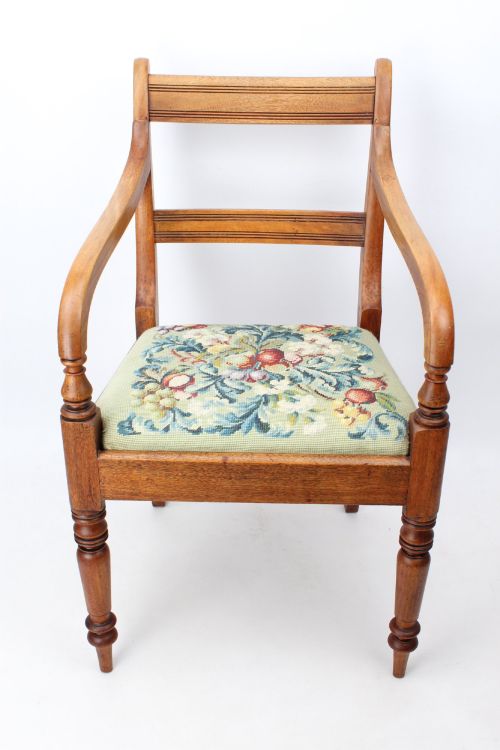
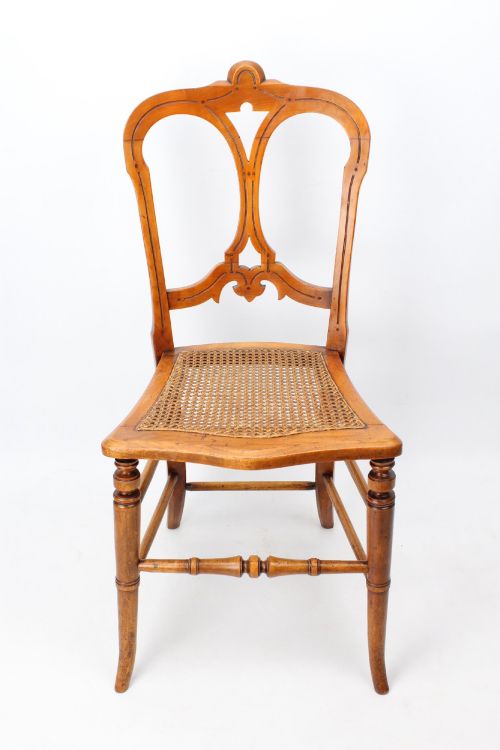
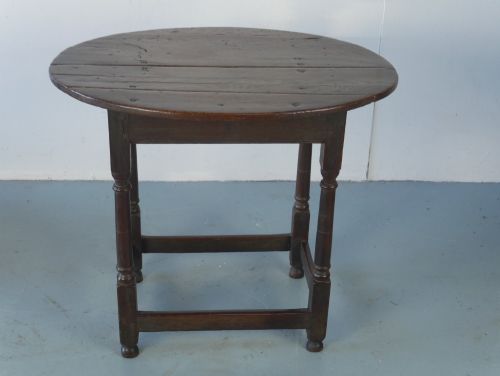
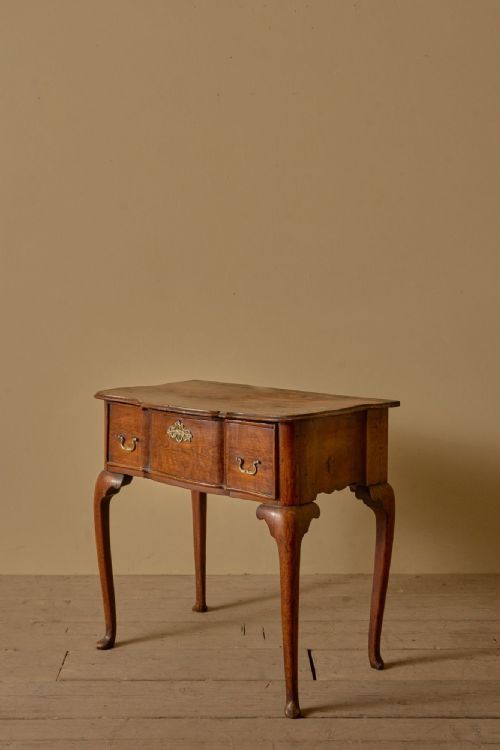
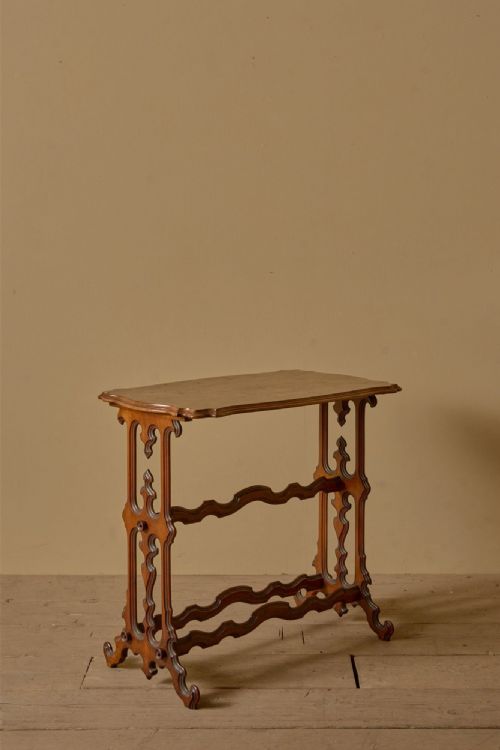
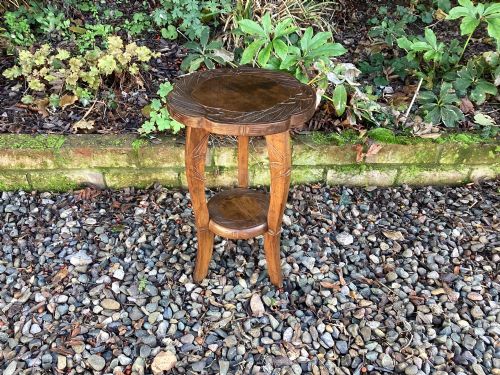
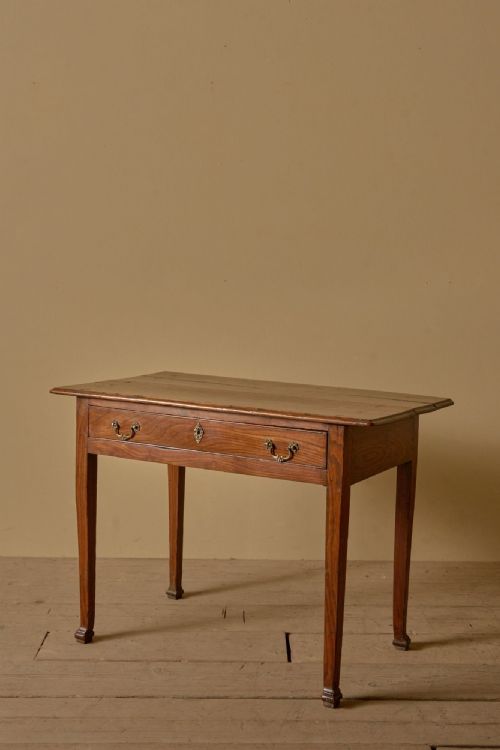
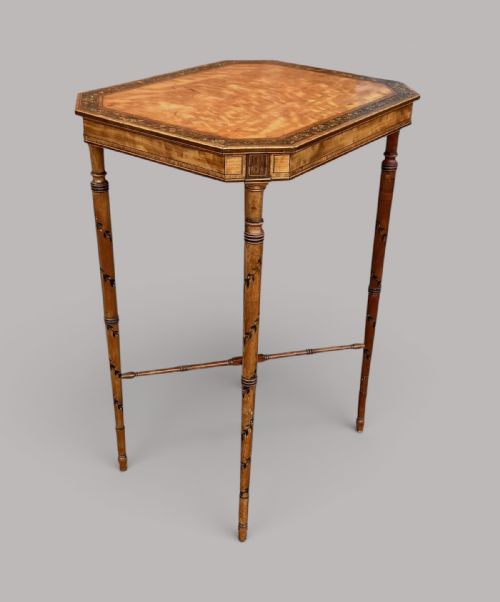
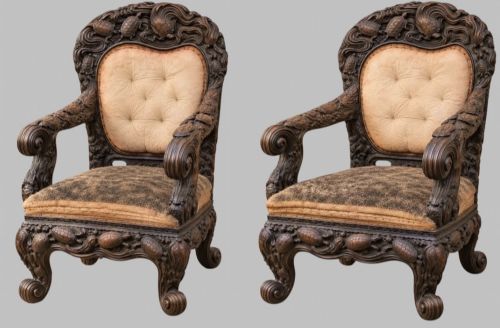
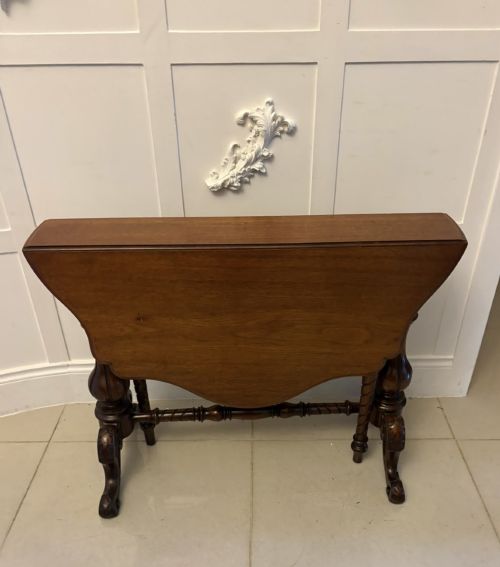
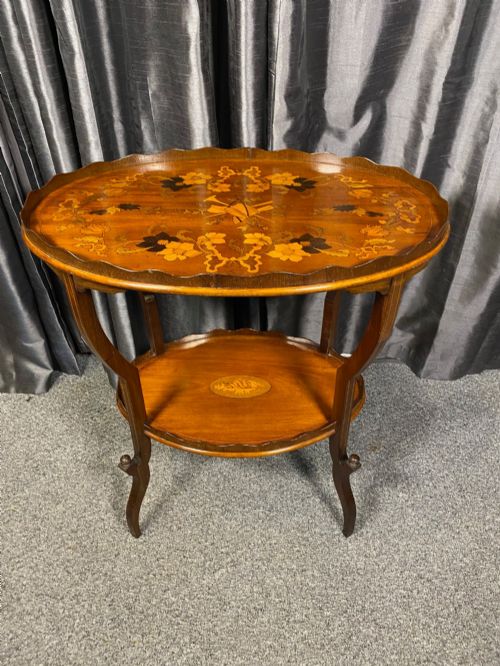
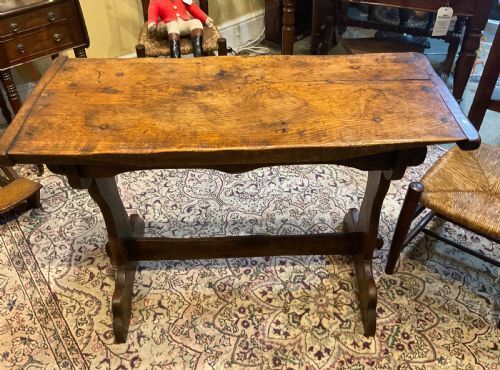
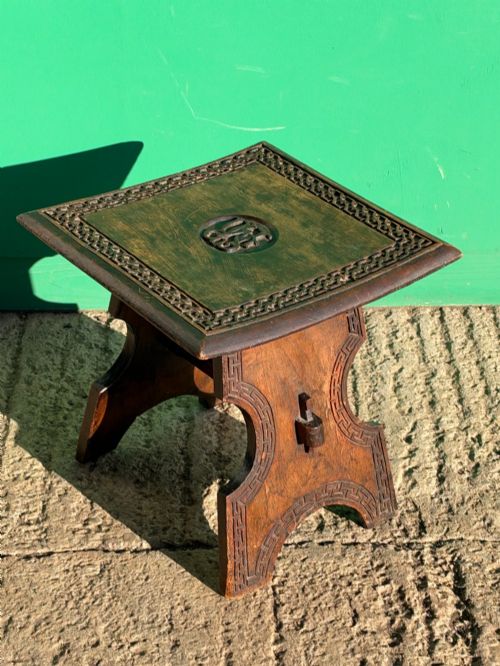
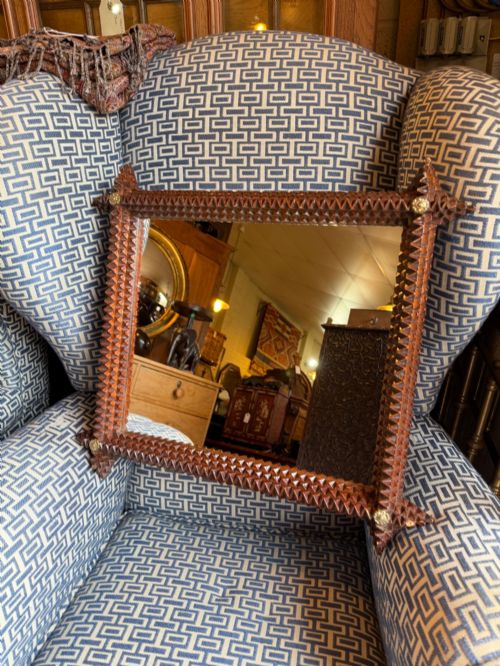
A brown wooden accent encompasses a diverse selection of antique tables, chairs, and small cabinets designed to anchor a scheme with natural timber tones. The pieces on this page span from the seventeenth century through to the Edwardian era, drawing on Georgian, Victorian, and folk traditions.
Occasional tables and side tables dominate the selection, appearing alongside chairs, armchairs, and side cabinets in various regional styles. Woods such as mahogany, oak, walnut, and elm provide the primary structure for these functional items.
Origins stretch across British workshops, European traditions, and international influences including Anglo-Indian, Chinoiserie, and Damascan designs. Buyers encounter everything from simple drop-leaf tables to heavily carved centre tables and inlaid cabinets.
How they were made
Cabinet makers and joiners utilised solid hardwoods including mahogany, oak, walnut, and elm, often selecting timber with finely figured grain patterns. Construction methods rely on traditional joints, sturdy stretchers, and turned or carved supports tailored to each period.
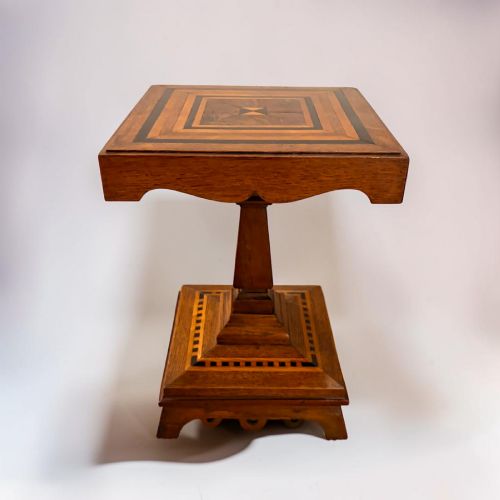
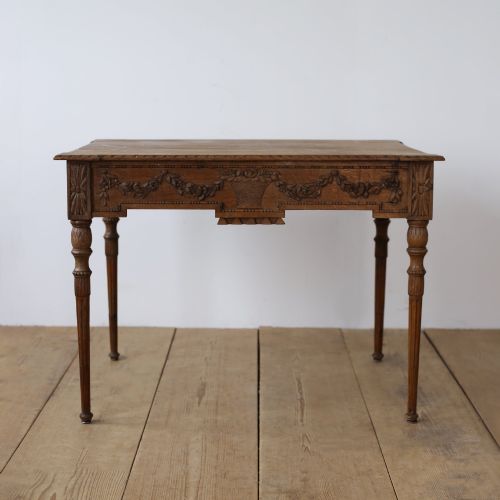
Decorative techniques add surface interest through marquetry inlay, mother-of-pearl embellishments, carving, and galleried shelves. Turnings, tilt mechanisms, and drop leaves demonstrate the mechanical ingenuity applied to utilitarian forms.
Brown Wooden Accent Retail Price Guide 2026
Typical asking prices for brown wooden accent among the pieces listed under this phrase on Sellingantiques today, from the lower quarter to the upper quarter. They describe what is for sale here now, not the wider market.
Listings feature woods including mahogany, oak, walnut, elm, laburnum, yew, and hardwood across centuries of furniture making.
What varies in quality
Quality reveals itself in the selection of the timber, where richly figured burr walnut, well-matched mahogany, or tight-grained oak elevate a piece significantly. The precision of the joinery and the depth of the carving separate standard utilitarian items from exceptional workshop productions.
The integrity of original surfaces and retention of period details, such as inlaid motifs or brass hardware, influence the standing of an item. Refinement in proportion and the execution of regional decorative styles determine the distinction between ordinary and superior examples.
The Brown Wooden Accent Glossary
- Pembroke table
- A small occasional table featuring two hinged drop leaves on opposing sides, often fitted with a single drawer. George III and Victorian examples frequently showcase fine mahogany or inlaid veneers.
- Lowboy
- A small Georgian dressing table or side table featuring a low profile with one or more drawers beneath the surface. These pieces typically rest on slender cabriole or straight legs.
- Torchere
- A tall, slender stand designed to hold a candle or lamp, appearing in pairs with carved or inlaid pedestals. Walnut and exotic woods are common materials for these decorative supports.
- Joint stool
- An early form of wooden stool constructed with mortise and tenon joints rather than turned legs. Oak is the predominant timber for seventeenth-century iterations.
- Low Quartetto
- A set of four graduating tables designed to nest one beneath another when not in use. They provide versatile surface space within compact footprints.
Brown Wooden Accent: Frequently Asked Questions
How do I date a wooden table?
Dating relies on identifying the primary wood, construction methods, hardware, and stylistic traits associated with specific periods like Georgian or Victorian.
Examining the underside, drawer construction, and joinery style helps confirm the era in which the piece was produced.
Where were these wooden pieces made?
The selection includes items made in British workshops alongside pieces reflecting European styles such as Dutch traditional or Bavarian folk art.
Global influences also appear through Anglo-Indian, Chinoiserie, and Damascan craftsmanship using regional timbers and decorative inlays.
How should I care for antique wood?
Maintain antique wooden surfaces by keeping them away from direct sunlight and sudden changes in temperature or humidity.
Regular dusting with a soft cloth preserves the finish without the need for heavy chemical polishes.