
Brown Wood Stand
A brown wood stand brings practical surface space and structural warmth to a room, ranging from plant supports to occasional tables.
Brown Wood Stand
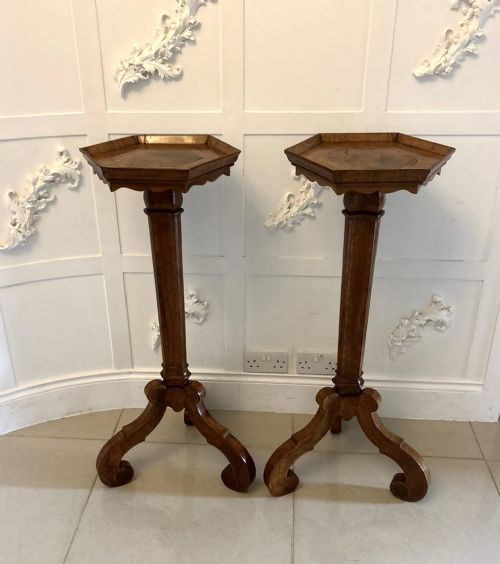
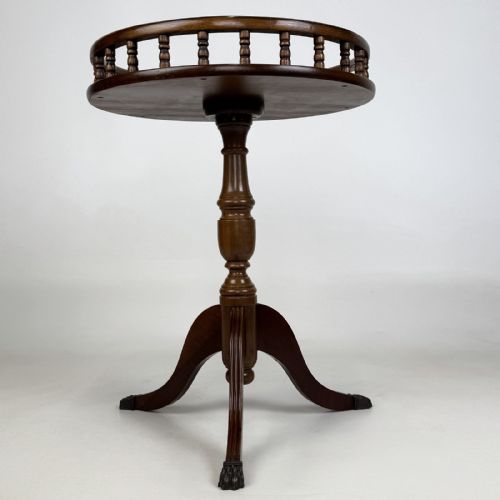
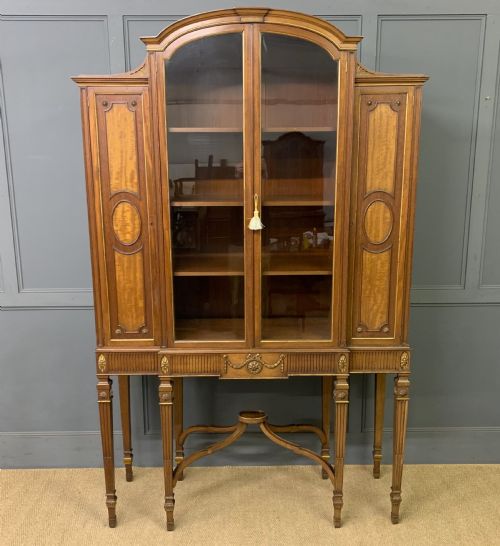
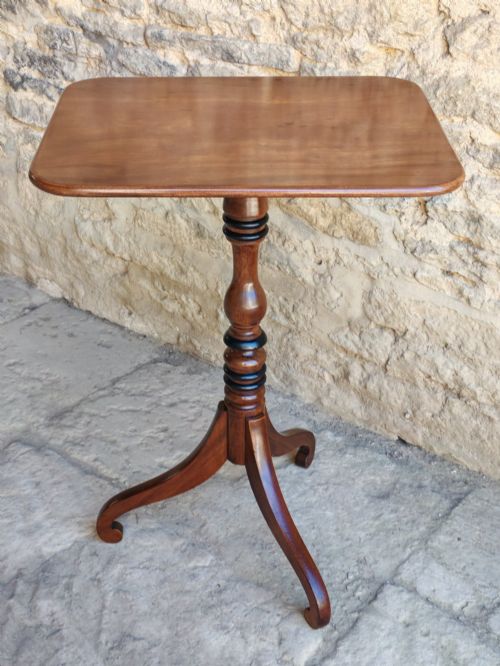
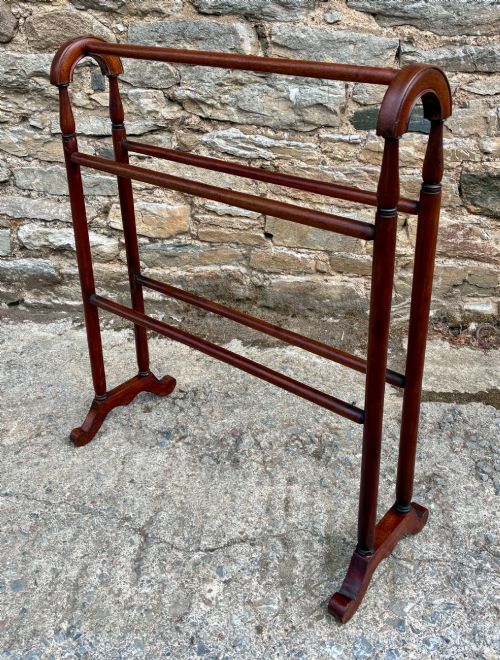
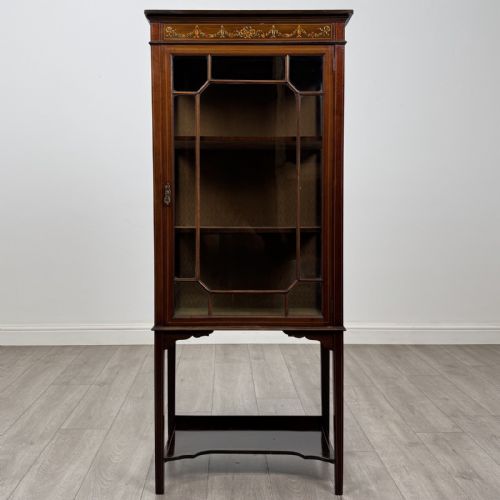
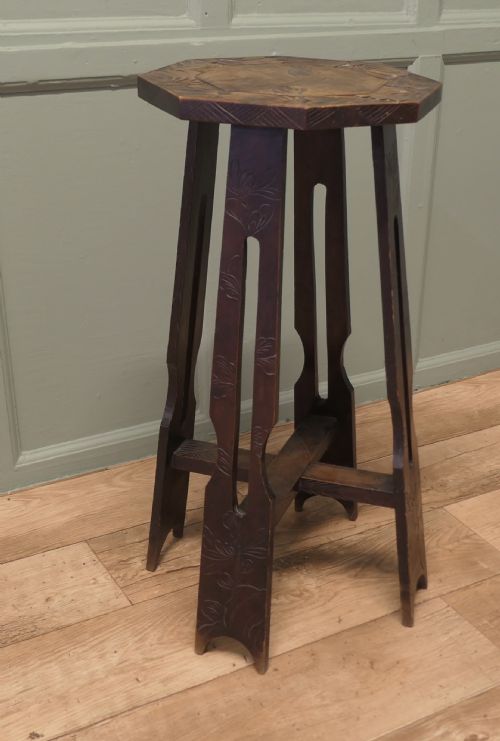
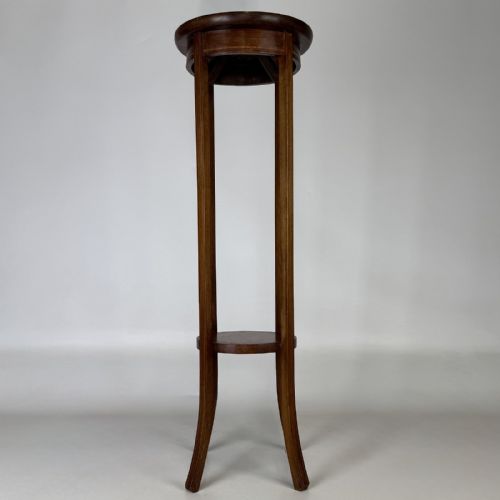
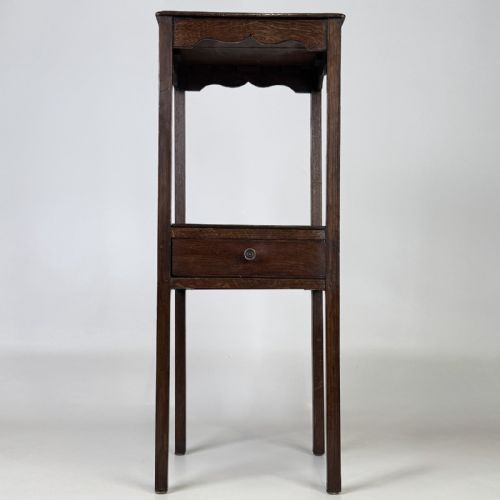
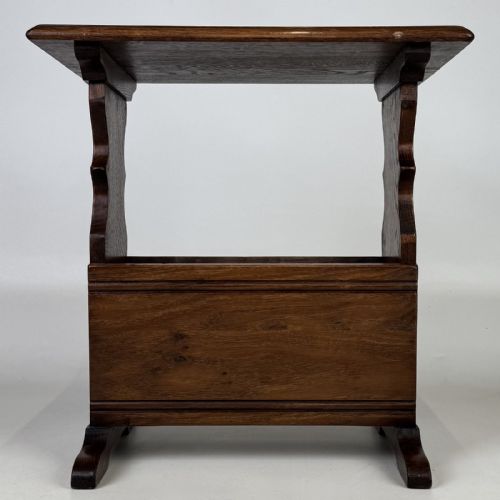
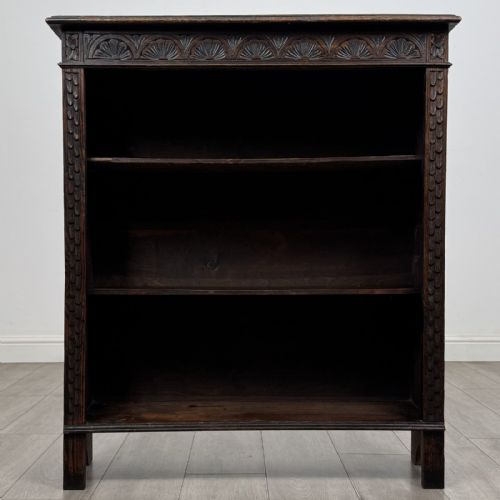
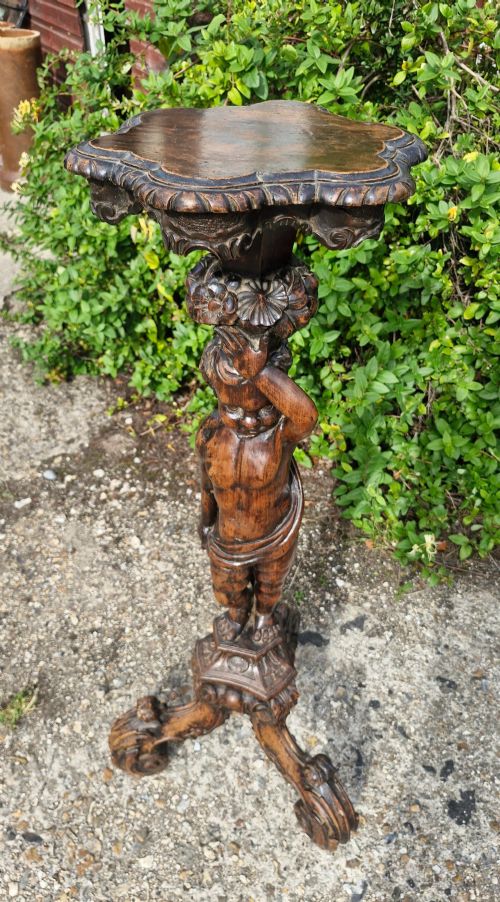
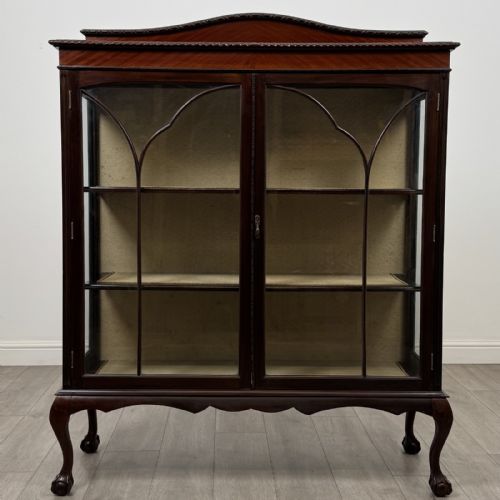
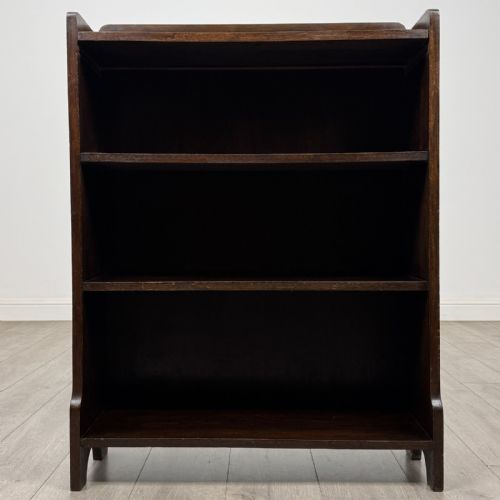
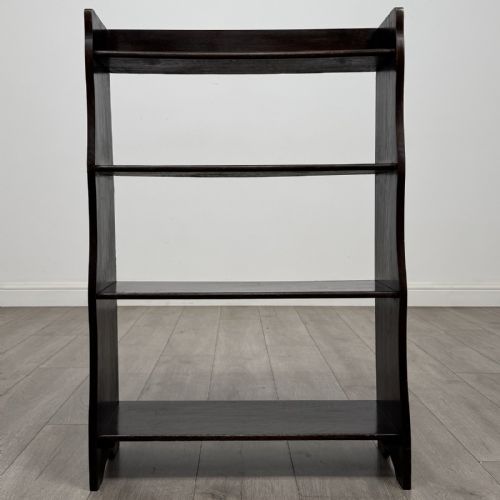
When you search for a brown wood stand, you encounter a diverse group of domestic furnishings spanning plant supports, occasional tables, and display units. The items listed show significant variety in their forms, including plant stands, wine tables, side tables, and coat stands.
The pieces emerge predominantly from the Edwardian and Victorian eras, alongside Georgian and nineteenth-century examples. Mahogany, oak, walnut, and rosewood dominate the material record across these periods.
Plant stands and occasional tables represent the most frequent formats in this category. Makers utilised timbers like yew, satinwood, and elm to shape these functional household objects.
How they were made
Cabinet makers utilised dense hardwoods such as mahogany, oak, walnut, and rosewood as the structural foundation for these stands and tables. These timbers were often selected for their durable grain and capacity to hold intricate carved details.
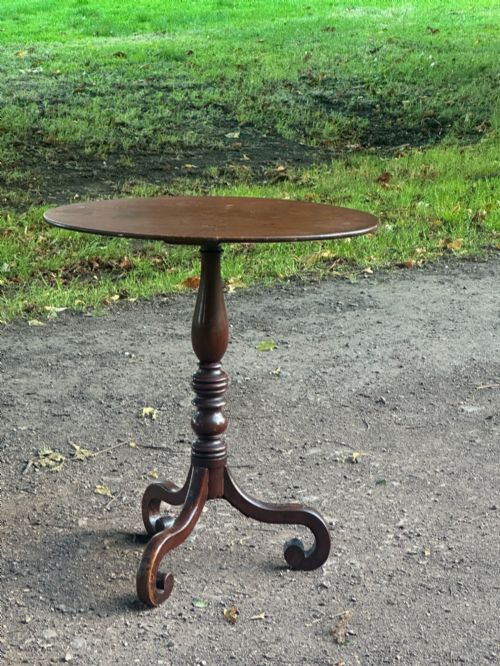
Surface decoration frequently involved marquetry and inlay work using lighter woods like satinwood, or brass fittings for handles and galleries. Joinery techniques varied from traditional mortise and tenon joints in oak pieces to turned supports on tripod and occasional tables.
An Indian solid rosewood elephant side table brings an unexpected menagerie detail to standard nineteenth-century timber formats.
What varies in quality
The standard of a brown wood stand rests primarily on the selection of timber and the precision of its construction. Dense, well-figured mahogany or quarter-sawn oak indicates a higher tier of production than softer secondary woods.
Execution of decorative elements sets apart finer examples. Crisp hand-carving, neatly fitted inlay work, and stable structural joinery distinguish workshop pieces from mass-produced items.
Waring and Gillow·Liberty and Co·Heals
The Brown Wood Stand Glossary
- Marquetry
- Decorative veneer work arranged in pictorial or geometric patterns on a wooden surface. Craftsmen used contrasting wood types to create detailed surface designs.
- Tripod table
- A small occasional table supported by three legs stemming from a central pillar. This form gained popularity during the Georgian period for flexibility.
- Inlay
- A technique where pieces of a contrasting material are embedded into a depression in the wood base. This method defined Edwardian and Victorian ornamental panels.
- Quarter-sawn
- Timber cut radially from the growth rings rather than tangentially. This method produces stable boards with a distinctive medullary ray figuring in oak.
- Gallery
- A raised rim or rail surrounding the edge of a shelf or tabletop. It prevented items from sliding off small surfaces like plant stands and display tables.
Brown Wood Stand: Frequently Asked Questions
What periods do these stands cover?
The selection spans from Georgian origins through the Victorian and Edwardian eras into the early twentieth century. These periods reflect shifting domestic fashions in timber selection and decorative techniques.
Cabinet makers during the nineteenth and early twentieth centuries adapted traditional furniture forms into specialised stands for plants, books, and lamps. Each era brought distinct stylistic markers, from Georgian tripod bases to Edwardian inlaid surfaces.
Which woods are most common?
Mahogany, oak, walnut, and rosewood appear frequently across the listed items. Makers also utilised specialised timbers including satinwood, yew, elm, and exotic varieties like Burmese or Indian woods.
The choice of timber often corresponds to the period and stylistic movement of the object. Heavy oak suits Arts and Crafts designs, while polished mahogany and walnut align with Georgian and Victorian formal pieces.
How were plant stands used?
Plant stands provided an elevated platform to display potted ferns and decorative indoor plants within Victorian and Edwardian parlours. Their compact footprints allowed them to occupy corners and window spaces safely.
These structures often featured lower shelves or raised galleries to stabilise containers and catch water runoff. They combined functional utility with ornamental display in domestic interiors.
How do I identify an occasional table?
Occasional tables are small, movable surfaces designed for specific, intermittent tasks such as holding drinks, books, or lamps. They include wine tables, lamp tables, and small tripod formats.
Unlike large dining furniture, their portable nature encouraged varied placement around sitting rooms. Their forms range from simple turned pedestals to heavily carved Victorian surfaces.