



Brown Timber Glass Cabinet
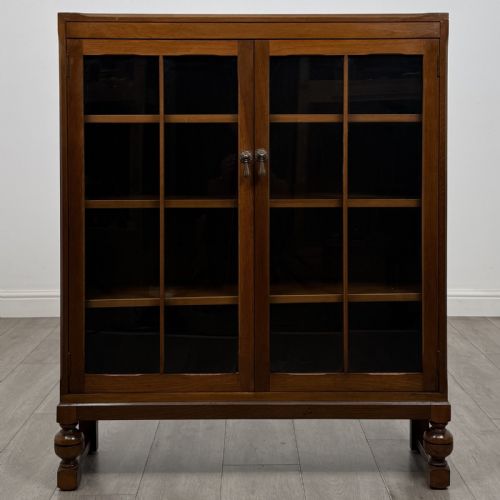
A brown timber glass cabinet offers a classic way to display books, taxidermy, and collections behind secure panes.
Brown Timber Glass Cabinet
A brown timber glass cabinet covers a diverse range of glazed storage furniture spanning the Victorian, Edwardian, and twentieth-century periods. These pieces serve primarily to exhibit objects safely while adding warmth to a room through timber frames.
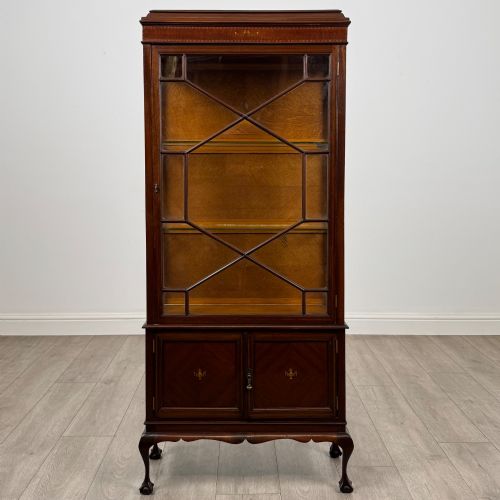
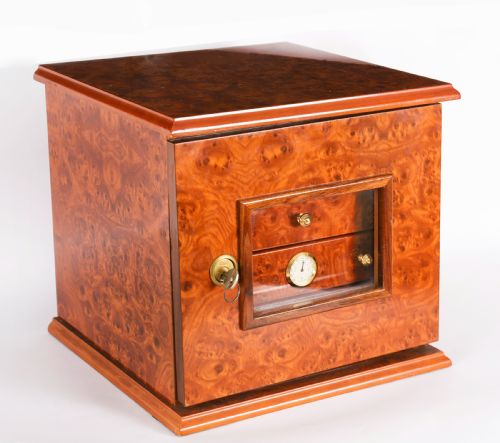
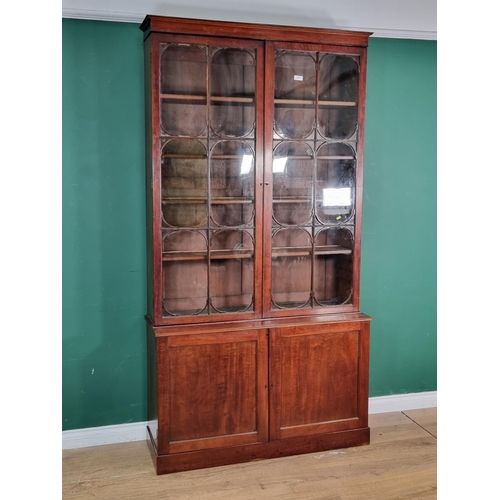
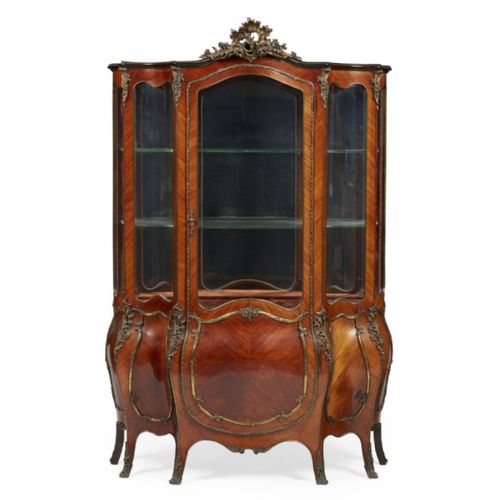
The selections available here range from small tabletop shop display cases and humidor cabinets to large mahogany bookcases and tall display cabinets. Mahogany forms the backbone of these pieces, alongside occasional examples in burr elm and kingwood.
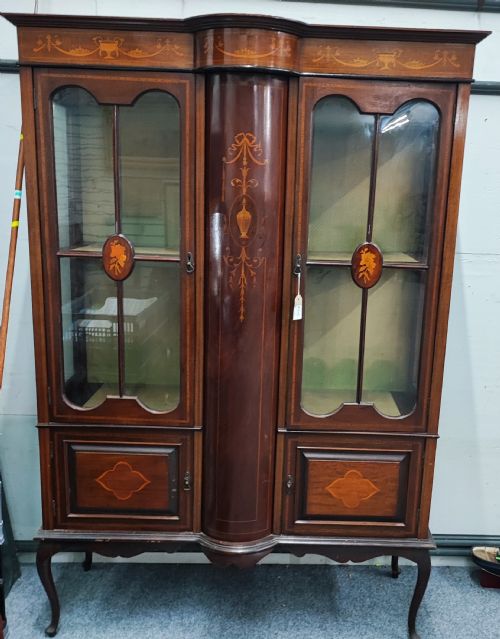
Buyers frequently encounter Edwardian inlaid display cabinets and functional barrister bookcases among the listings. Victorian specimens also appear regularly, often featuring solid mahogany construction or glazed doors suited for collections.
Materials and construction
Makers relied heavily on mahogany as the principal timber for these cabinets, sometimes using solid planks or applying fine veneers like satinwood and kingwood over a sturdy wood carcass. Brass hardware frequently appears on doors and drawers, providing robust functional accents.
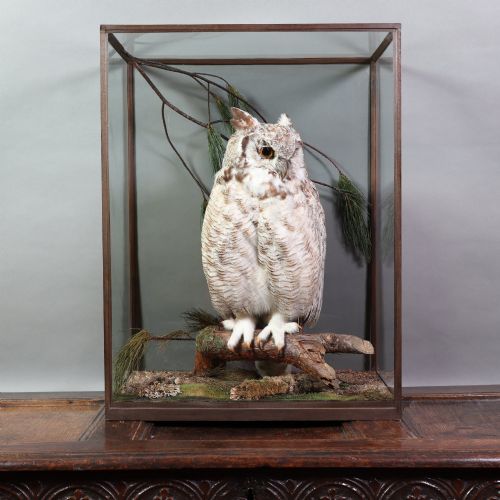
Specialised interiors occasionally incorporated organic materials such as feathers and moss, particularly in taxidermy display pieces by noted workshops. Glazing techniques allowed for large, clear viewing panels held securely within wooden frames.
Assessing quality and craftsmanship
Superior examples demonstrate meticulous timber selection, using richly figured mahogany or carefully matched veneer panels that elevate the visual depth of the cabinet. Finer pieces also display precise joinery and well-fitted doors that operate smoothly.
Decorative restraint or purposeful embellishment, such as subtle Edwardian inlaid woodwork, separates standard utility furniture from more ambitious workshop productions. The integrity of the original glass and the preservation of internal fittings further distinguish the better specimens.
Rowland Ward Ltd
The Brown Timber Glass Cabinet Glossary
- Barrister bookcase
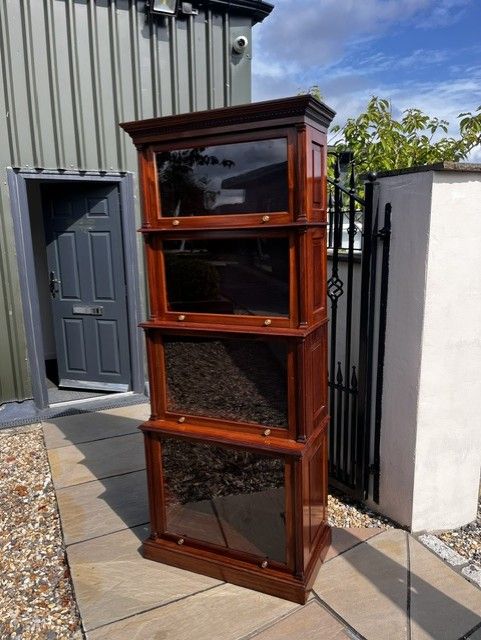
- A modular bookcase featuring glass-fronted stacking sections designed to lift and slide inward. This clever mechanism allows easy access to books while keeping dust at bay.
- Humidor
- A specialised cabinet designed to maintain humidity for storing cigars. These often feature multiple internal drawers lined with specific woods.
- Taxidermy
- The art of preserving and mounting animal specimens for display. Victorian and Edwardian examples are frequently housed in dedicated glass timber cases.
- Kingwood
- A dense, richly figured timber often used as a veneer on decorative French furniture. It yields striking contrasting grain patterns.
- Inlaid
- The technique of embedding contrasting strips of wood or shell into the surface of a timber piece. This creates decorative borders and patterns.
Brown Timber Glass Cabinet: Frequently Asked Questions
What is a barrister bookcase?
A barrister bookcase consists of stacked, modular shelving units with individual glazed doors that lift and slide into the cabinet above each shelf. This design allowed legal professionals to transport their libraries securely.
Today, these bookcases function well in home offices or living rooms for displaying books and collections while protecting them from dust.
How do I date a glass cabinet?
Dating relies on observing construction methods, timber choices, and stylistic details such as Edwardian inlay or Victorian proportions. Cabinet hardware and the type of glass can also offer clues to the era of manufacture.
Comparing the piece to documented examples from specific decades helps narrow down the timeframe of production.
Where were table top display cases used?
Table top display cases typically served in nineteenth-century shops to showcase small goods, jewellery, or specimens to customers. Their glazed lids and compact footprints allowed merchandise to sit safely on counters.
In modern homes, collectors utilise these tabletop cases to exhibit small artefacts, medals, or natural history items.
How do I care for mahogany timber?
Mahogany benefits from being kept away from direct sunlight and sudden temperature changes, which can dry out the wood and cause finishes to fade. Regular dusting with a soft, dry cloth preserves the polished surface.
Occasional applications of appropriate furniture wax help nourish the timber and maintain its natural lustre over time.