



Brown Taxidermy
Brown taxidermy brings the natural history of the 19th and early 20th centuries directly into domestic interiors through preserved specimens, mounts, and furniture.
Brown Taxidermy
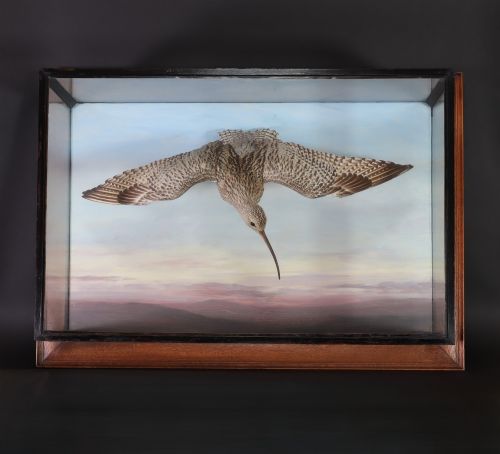
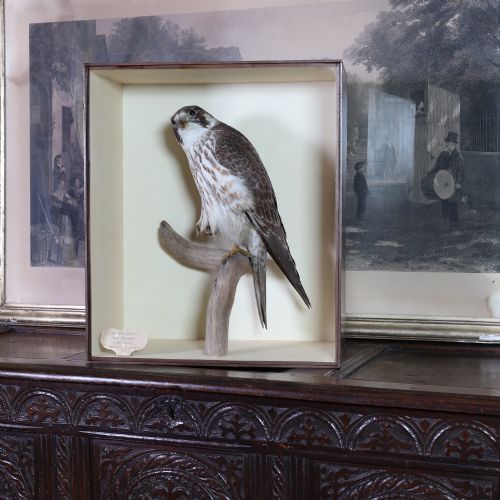
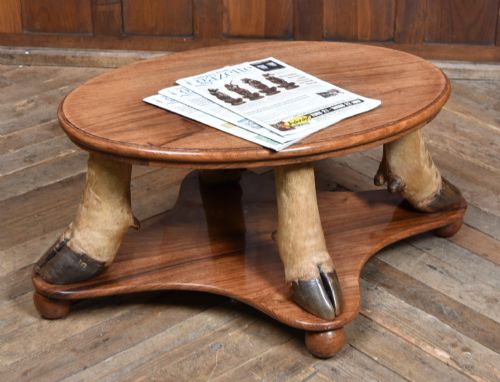
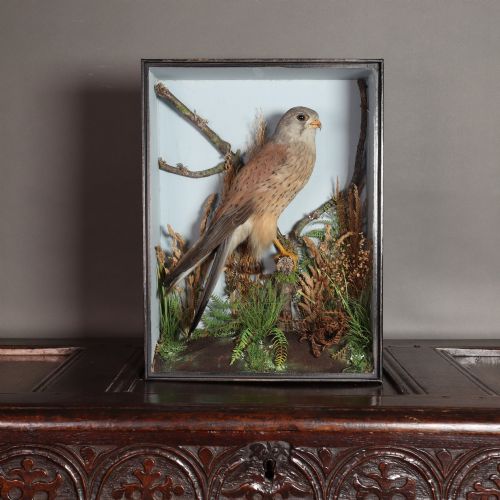
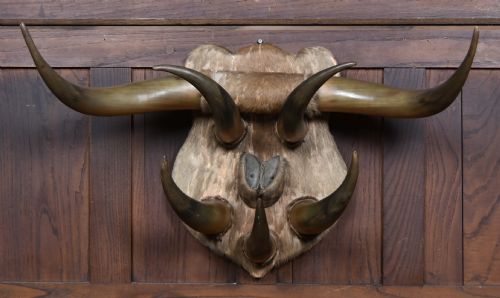
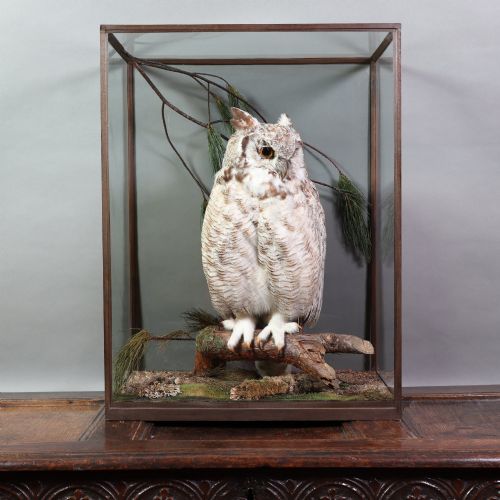
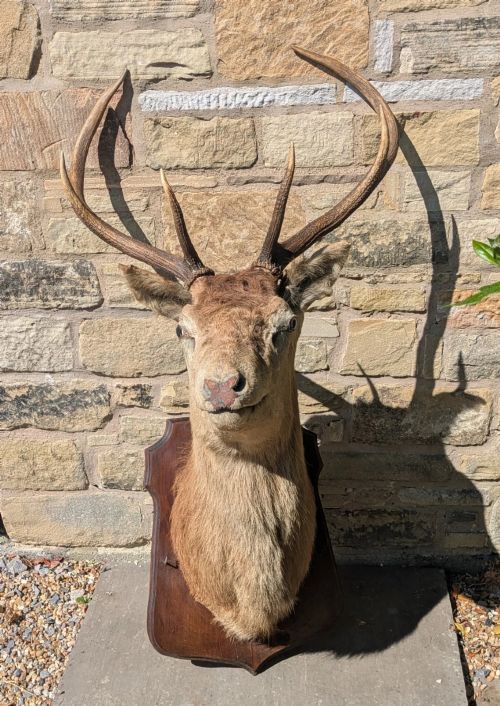
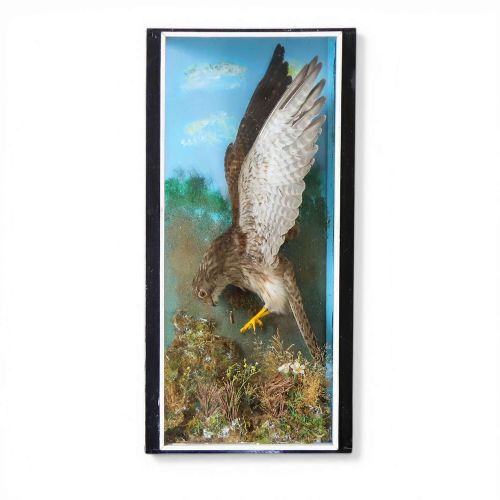
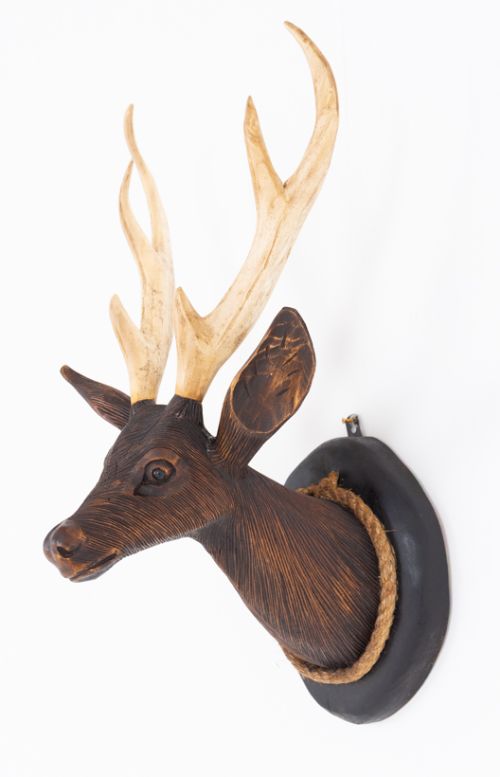
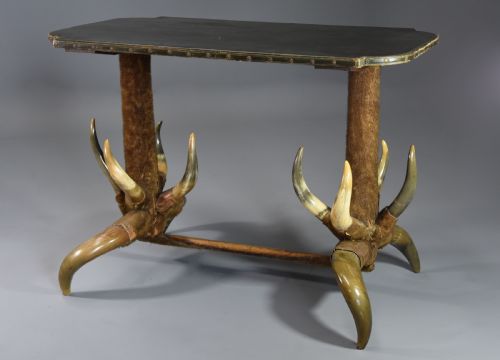
Brown taxidermy encompasses preserved birds, mammals, and functional items utilising animal materials created during the Victorian, Edwardian, and early twentieth-century periods. These objects range from wall-mounted stag heads and cased diorama birds to occasional tables formed from hides and horns.
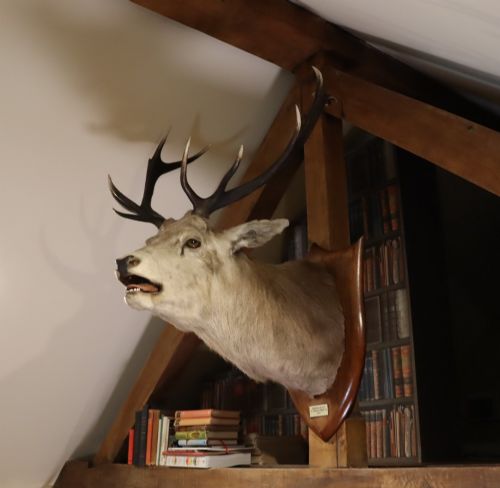
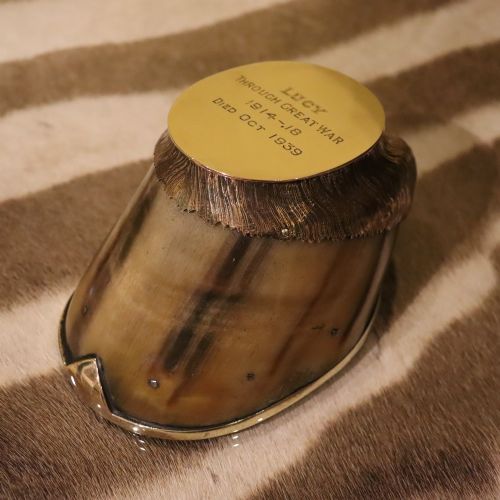
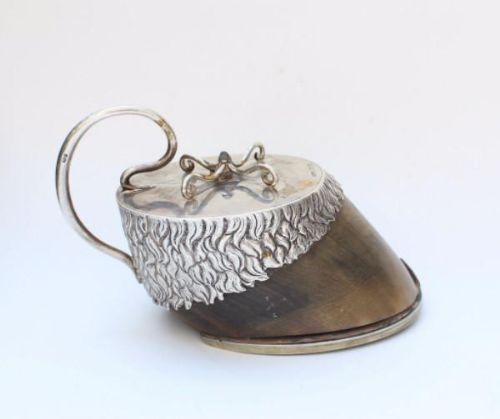
The most common examples encountered in these selections are deer heads mounted on oak shields and hoof-based desk accessories. Pieces frequently originate from British country houses and Highland hunting lodges, reflecting the sporting culture of their era.
Beyond traditional wall mounts, the category includes functional furnishings such as occasional tables and hall racks incorporating horns, hooves, and hides. These functional forms blend natural history specimens with the practical demands of historic domestic spaces.
How they were made
Makers constructed mounts by stretching prepared hides and feathers over carved wooden, plaster, or wire armatures designed to replicate the musculature of the living animal. Glass eyes and painted details were added to restore a lifelike expression to the specimen.
Structural elements frequently relied on solid timber such as oak for mounting shields and table frames. Horn, bone, antler, and hide were combined with glass and wood to create both wall-hanging trophies and functional household items.
Brown Taxidermy Retail Price Guide 2026
Typical asking prices for brown taxidermy among the pieces listed under this phrase on Sellingantiques today, from the lower quarter to the upper quarter. They describe what is for sale here now, not the wider market.
One remarkably permanent war horse found eternal duty as a silver-mounted desk paperweight.
What varies in quality
Anatomical accuracy and the preservation of natural form set the most accomplished pieces apart from cruder examples. Skilled taxidermists captured realistic tension in muscle and posture, whereas lower-quality work often appears stiff or disproportionate.
The sophistication of the supporting woodwork and housing also determines the standing of a piece. Carved oak shields, glazed mahogany display cases, and silver mounts indicate workshop production by noted practitioners rather than amateur assembly.
Peter Spicer & Sons·Rowland Ward Ltd·Edward Gerrard & Sons·T. E. Gunn
The Brown Taxidermy Glossary
- Taxidermy mount
- The preserved skin of an animal fitted over a sculpted form to create a lifelike representation. These specimens form the core of natural history and sporting collections.
- Oak shield
- A wooden wall plaque shaped like a heraldic shield used to display mounted animal heads. They provide structural support and a finished backdrop for antler trophies.
- Diorama
- A three-dimensional scene enclosed in a glass-fronted case depicting animals within a simulated natural habitat. Painted backgrounds and artificial foliage complete the environment.
- Desk tidy
- A small functional desk accessory incorporating animal parts such as horse hooves or horns. They served practical organizational roles in period studies and offices.
Brown Taxidermy: Frequently Asked Questions
How should I clean my taxidermy mount?
Dust specimens gently using a soft, dry brush or a feather duster moving in the direction of the fur or feathers. Avoid water, harsh chemicals, and direct sunlight to protect the fragile historical materials.
Keep pieces in stable environmental conditions away from dampness and extreme temperature fluctuations. This prevents the skin and hide from drying out or cracking over time.
Where were these pieces originally displayed?
Historical brown taxidermy typically hung in British country houses, hunting lodges, libraries, and studies. They reflected the sporting pursuits and natural history interests of the occupants.
Today, these objects transition easily into modern living spaces, adding texture and historic character when hung securely on living room or hallway walls.
How can I tell the age of a piece?
Dating relies on mounting styles, materials, and associated maker labels found on the reverse of shields or inside display cases. Victorian and Edwardian examples often feature hand-written provenance or specific taxidermist stamps.
The construction techniques and timber types used for backing boards and frames also offer reliable clues to the decade of manufacture.