
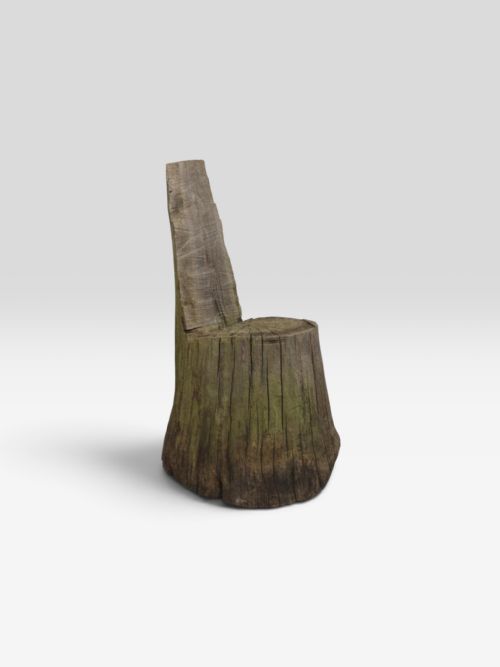
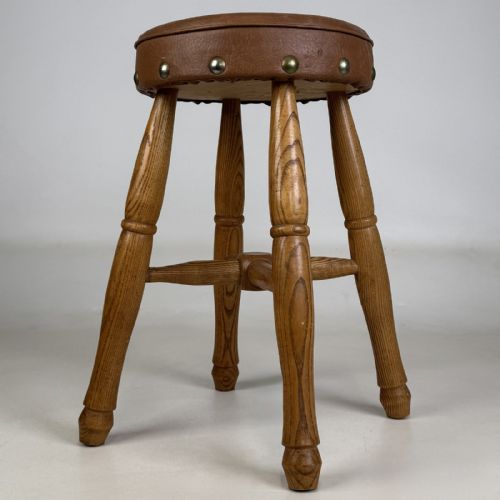
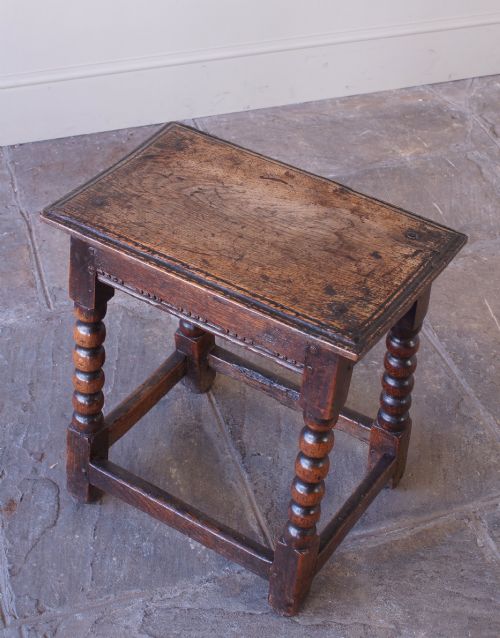
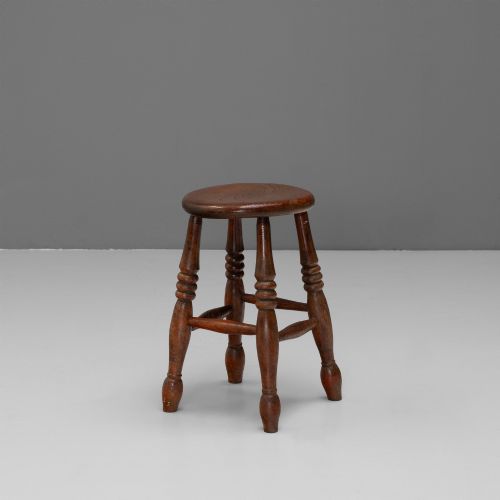
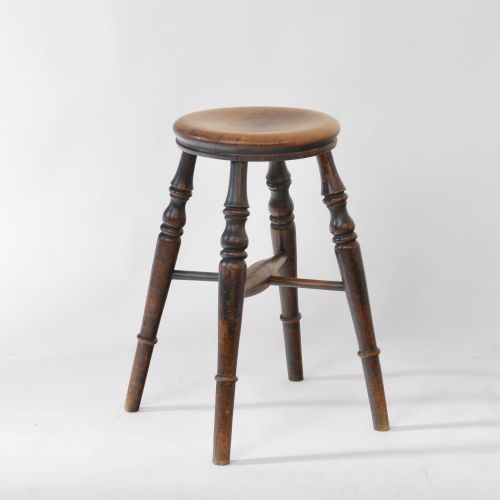
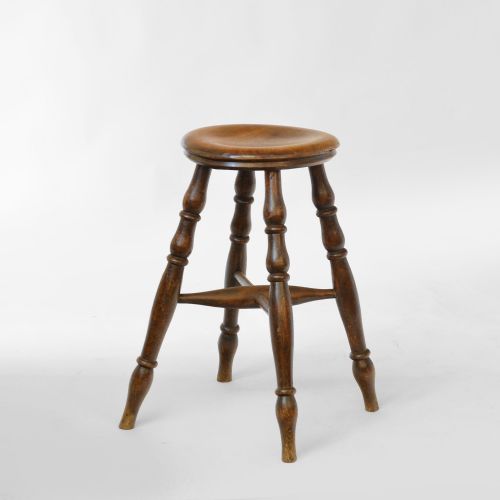
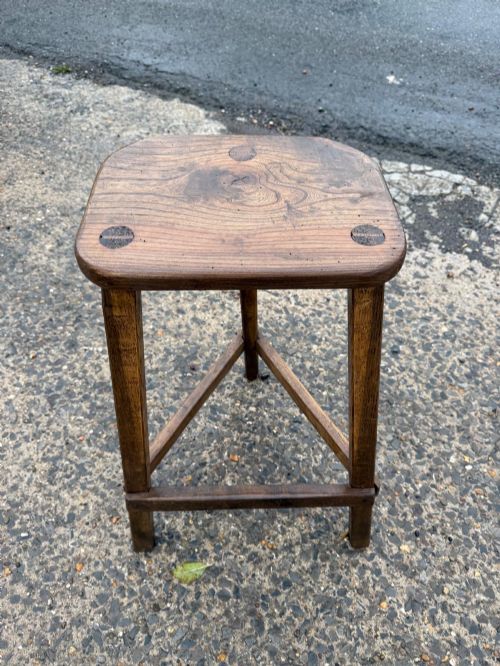
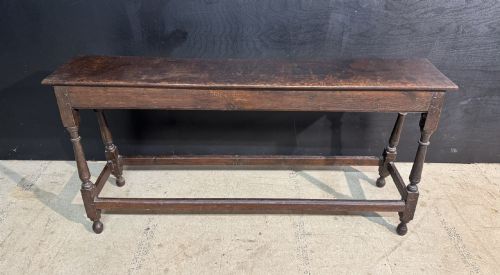
Brown Rustic Stool
A brown rustic stool brings solid vernacular character to a room, offering honest domestic utility shaped by decades of everyday use.
Brown Rustic Stool
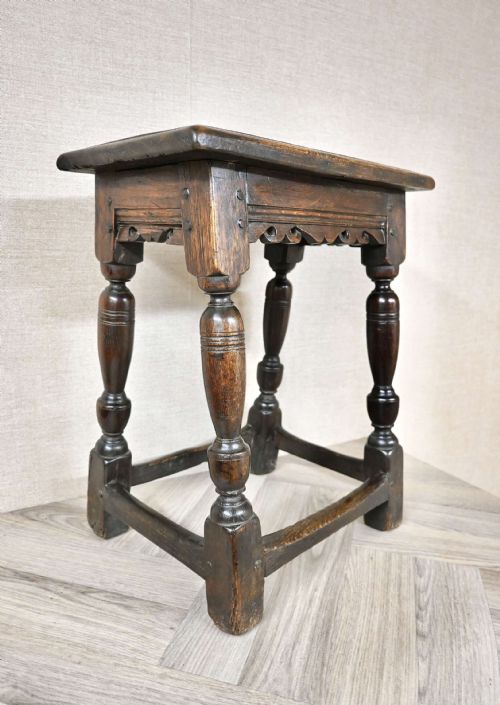
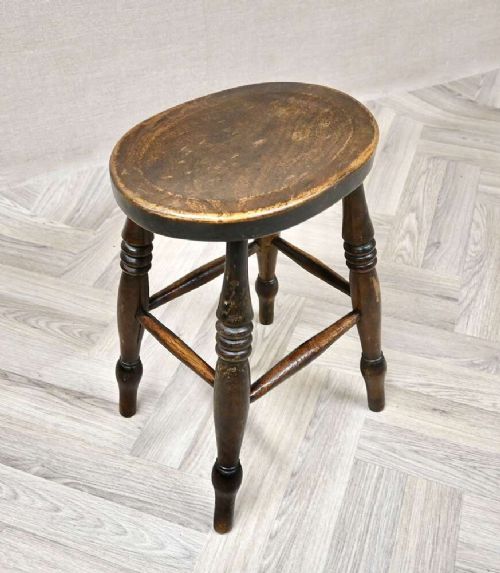
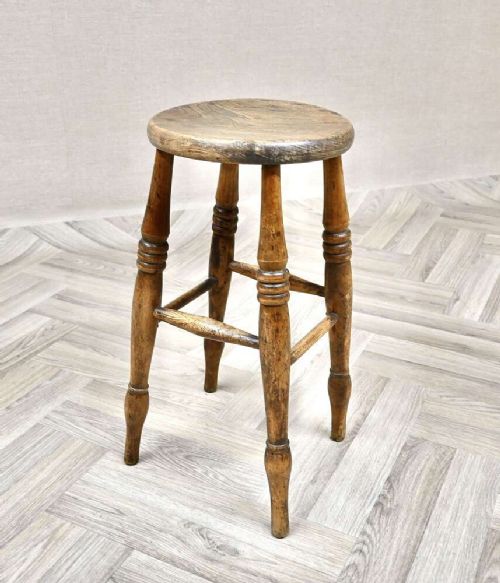
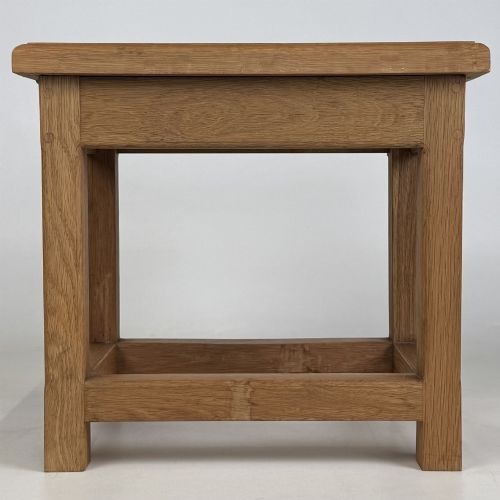
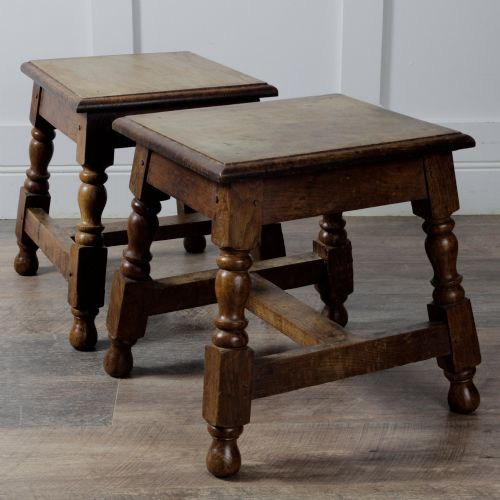
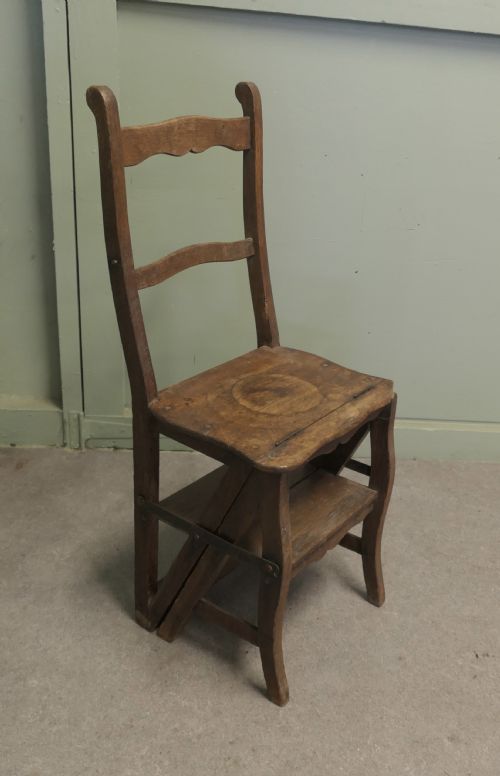
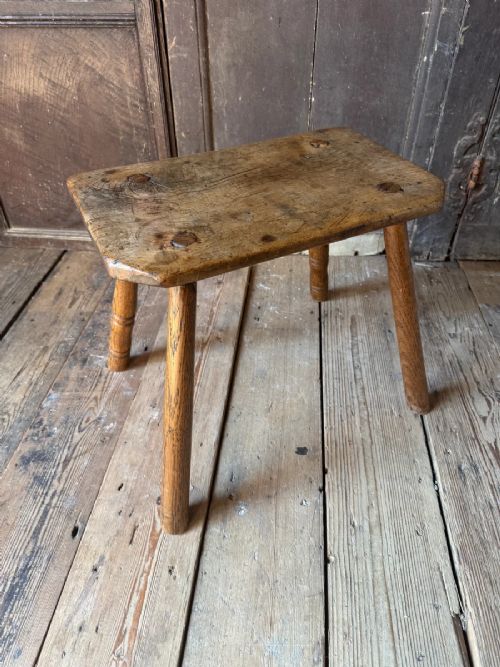
When you search for a brown rustic stool, you encounter low seating and small furniture built for hard work rather than formal display. These pieces span centuries from the seventeenth through the twentieth, drawing on English, French, and Japanese rural traditions.
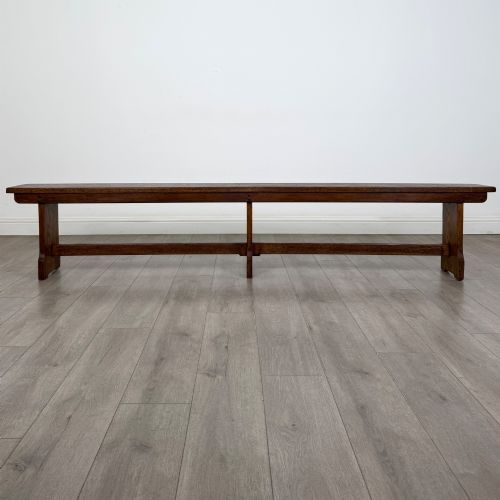
The selections here run from sturdy joint stools and pub seats to milking stools, work benches, and small steps. Elm, oak, and pine dominate the forms, showing the straightforward carpentry of rural makers who built for function.
Distinctions in Quality
Quality rests in the integrity of the timber and the honesty of the construction rather than fussy decoration. A superior piece retains its original surface and structural stability without excessive replacement parts.
Proportion and balance separate standard utility pieces from those with pleasing visual rhythm in their turned legs or dished seats. Original tool marks and signs of period use add depth to a piece, while clumsy modern interventions diminish its character.
A solitary leg survives on one unusual milking stool, proving that rural ingenuity sometimes favoured a tripod base for uneven barns.
The Brown Rustic Stool Glossary
- Joint stool
- An early form of wooden stool built with mortise and tenon joints held by wooden pegs rather than turned legs driven into holes. These sturdy items served multiple domestic purposes in seventeenth and eighteenth century households.
- Vernacular
- Objects built by local craftspeople following regional traditions rather than high-style metropolitan designs. This approach prioritises available local timber and immediate utility.
- Splayed legs
- Legs angled outward from the centre to provide greater stability on uneven floors. This technique appears frequently on milking stools and primitive country seating.
- Dished top
- A seat surface hollowed out into a shallow concave dish for comfort. Makers shaped these tops using adzes and scorps.
- Pig bench
- A low wooden bench or small table utilised in rural farm settings for butchery or heavy chores. These low surfaces possess thick timber tops and sturdy legs.
Brown Rustic Stool: Frequently Asked Questions
How do I use a rustic stool today?
These pieces serve well as low side tables beside a armchair, plant stands in a corner, or spare seating that tucks away easily beneath a console.
Their sturdy timber construction handles daily placement of books or lamps without trouble.
Are these stools comfortable to sit on?
Many examples feature flat or dished wooden tops designed for utility during long hours of work rather than deep cushioning.
Adding a small wool or linen pad softens the seat for prolonged indoor use.
How do I care for the wooden surface?
Maintain the finish by applying natural beeswax sparingly and buffing gently with a soft cloth to protect the dry timber.
Keep the items away from direct heat sources and sudden humidity changes to prevent wood splitting.
How can I tell an older stool from a later one?
Examine the underside for tool marks left by adzes or drawknives, and look at the wear patterns around the footrests and edges.
Older vernacular items show hand-cut peg joints and irregular shrinkage rather than uniform machine production.