




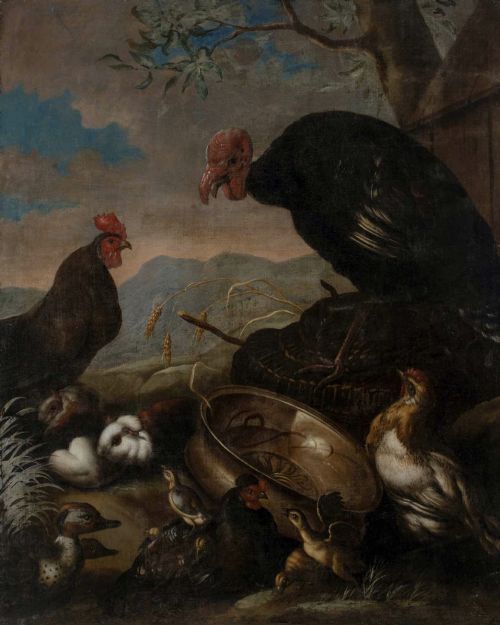
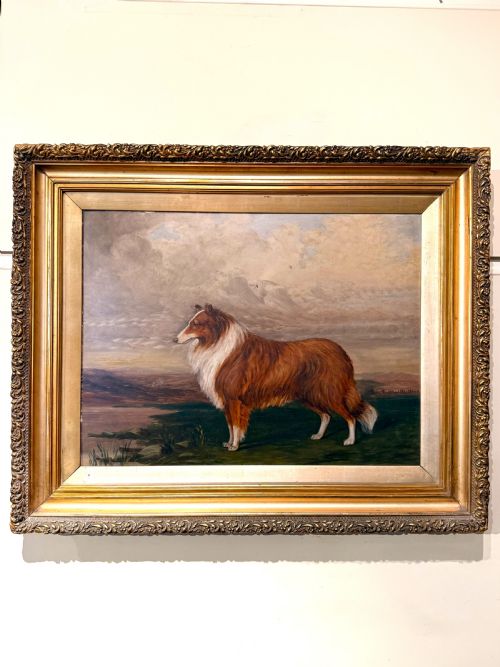
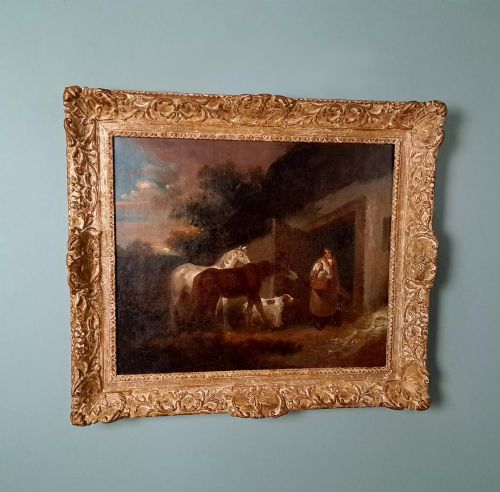
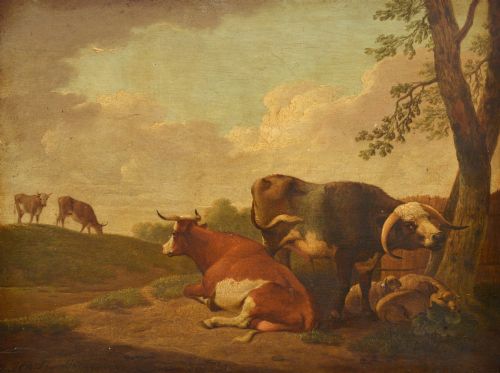

Brown Oil Landscape
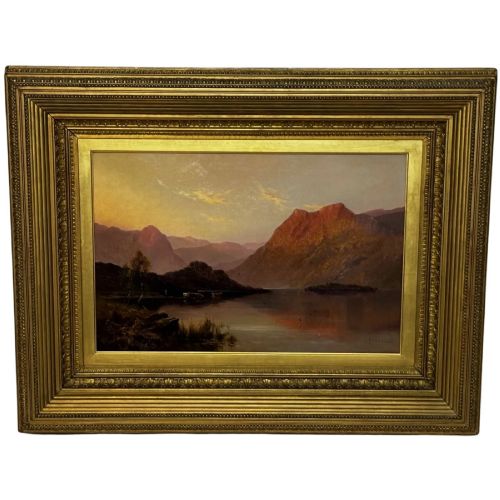
A brown oil landscape captures the deep, earthy tones and atmospheric depth characteristic of traditional pastoral and rural scenes.
Brown Oil Landscape
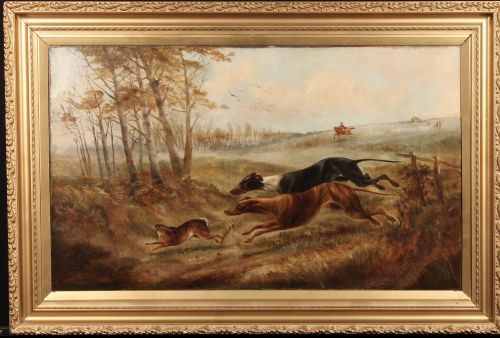
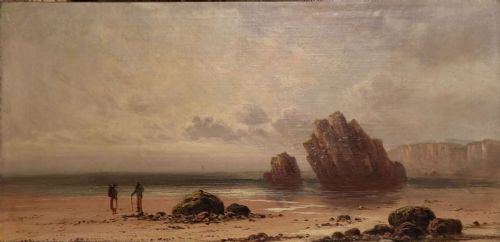
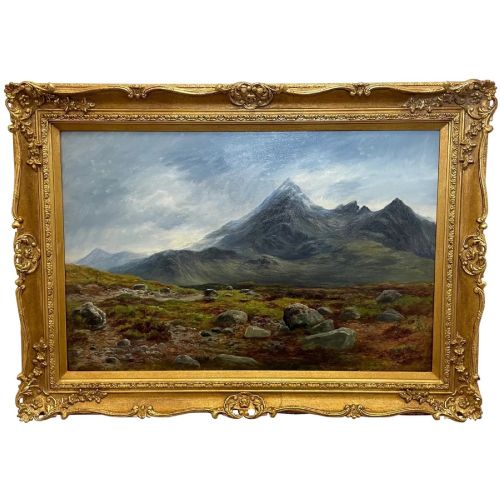
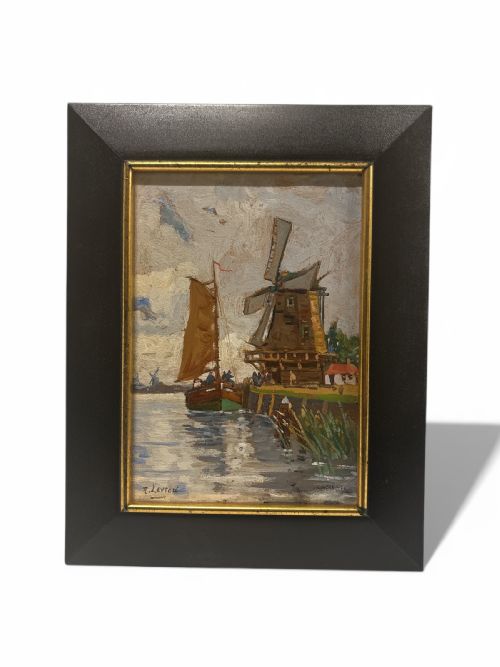
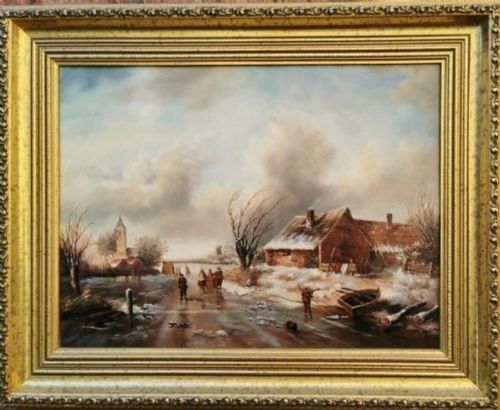
A brown oil landscape brings together historical rural views, river scenes, and woodland settings rendered in rich, sombre palettes. These works draw heavily on 19th-century British, Scottish, and continental traditions, focusing on cattle, sheep, old barges, and rustic cottages.
The versions most commonly met on this page date from the Victorian and Edwardian eras, executed by regional painters who recorded the topography and rural life of their time. Canvas and wooden boards serve as the primary supports for these atmospheric compositions.
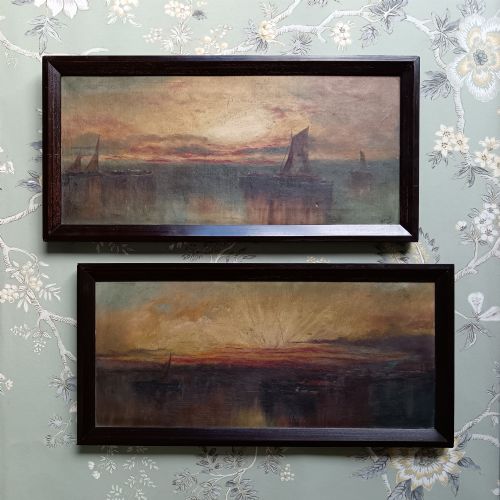
Collectors encounter everything from intimate oil studies on wood panel to larger framed canvases depicting marine vistas or highland grazing grounds. Each piece offers a window into historical approaches to natural scenery and traditional oil painting techniques.
How they were made
Artists built up these works using oil paint applied to stretched canvas or prepared wooden boards, often incorporating rich dark pigments to establish deep shadows and tonal harmony. The ground preparation of the board or canvas dictated the luminosity of the final transparent glazes and opaque highlights.
Makers utilised traditional brushwork to capture textures in foliage, water, and earth, sometimes finishing the surface with a protective varnish that deepens the amber and ochre tones over time. Heavy gilt frames frequently accompanied these works, complementing the warm colour scheme of the paint surface.
Several canvases faithfully record the quiet dignity of nineteenth-century livestock posing patiently in muddy fields.
What varies in quality
Quality rests in the confidence of the brushwork and the artist's command of light and atmospheric perspective within a restricted tonal range. Superior examples reveal a sophisticated handling of shadows and natural forms that bring depth to simple rural subjects, whereas lesser works rely on formulaic repetition.
The preservation of the original paint surface and the stability of the wood panel or canvas also distinguish finer items. Works that retain their untouched pigment layers and period framing offer a more authentic connection to the artist's original intent.
William Beattie-Brown·Tom Campbell·Frederick Marriott·Henry Schouten·Thomas Creswick
The Brown Oil Landscape Glossary
- Oil on canvas
- Pigments suspended in a drying oil, most commonly linseed, applied to a woven fabric support stretched across a wooden frame. This combination allows for flexible application and enduring depth of colour.
- Oil on board
- Paint applied directly to a rigid wooden panel or manufactured board substrate. This surface provides a firm resistance for the brush, favoured for smaller studies and plein air work.
- Gilt frame
- A wooden framing structure coated with a thin layer of gold leaf or metallic gilt finish. These frames were designed to enhance the warmth of traditional paintings and protect the edges of the canvas.
- Dutch School
- A stylistic classification reflecting the influence of 17th-century Dutch landscape painting traditions. It emphasises moody skies, low horizons, and rich, earthy palettes.
- British Impressionism
- A movement characterised by looser brushwork and a focus on fleeting effects of light and atmosphere. Artists working in this manner moved away from rigid academic finishes towards more immediate visual records.
Brown Oil Landscape: Frequently Asked Questions
What defines a brown oil landscape?
These paintings are characterised by their muted, earthy palettes dominated by umbers, ochres, and deep greens. They typically depict rural, maritime, or woodland scenery from historical periods.
The aesthetic focuses on atmospheric depth and naturalistic lighting rather than bright, primary colours. This restrained palette creates a moody and reflective atmosphere within the room.
Are these paintings usually signed?
Many examples feature signatures or monograms from the artist, often placed subtly in the lower corners. However, a significant number of period works remain anonymous or attributed to specific schools.
Lack of a signature does not diminish the quality or age of the piece if the technique and materials match the era. Stylistic markers and historical framing often provide sufficient context for identification.
How do I display these pieces at home?
These works look best in spaces with controlled lighting, away from direct sunlight and excessive heat sources. Placing them on traditional or neutral walls allows the warm, dark tones of the canvas to stand out.
Pairing the painting with its original period gilt frame enhances its historical character. Ensure the hanging wall is structurally sound to support the weight of heavy framed canvases.