



Brown Living Room Table
These brown living room table pieces bring warmth and utility to a room, offering everything from nests of tables to sturdy centre tables.
Brown Living Room Table
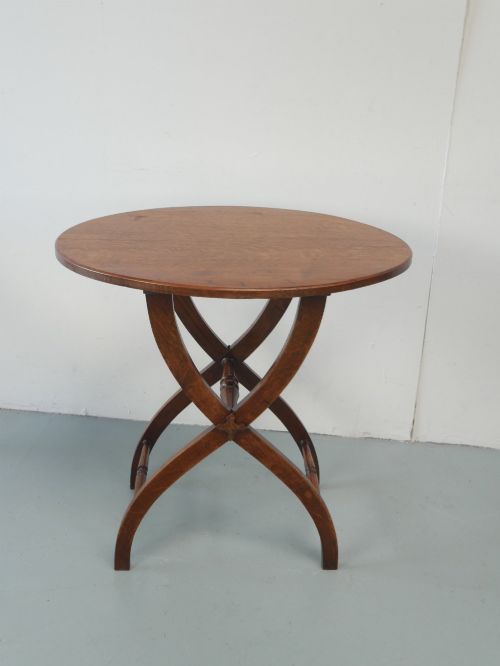
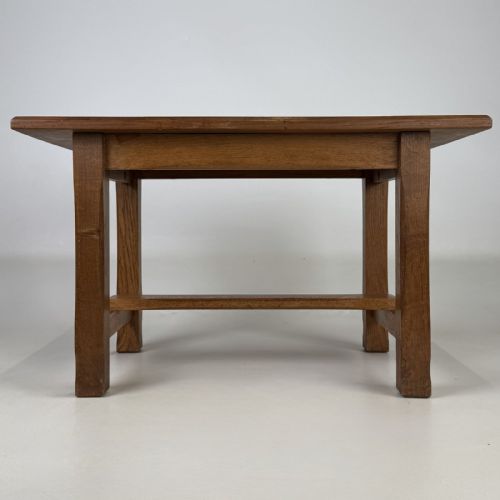
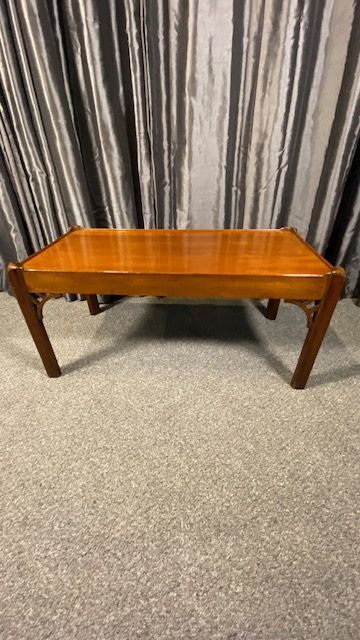
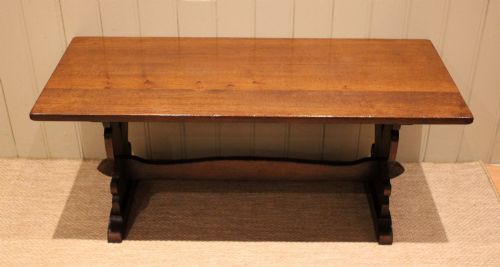
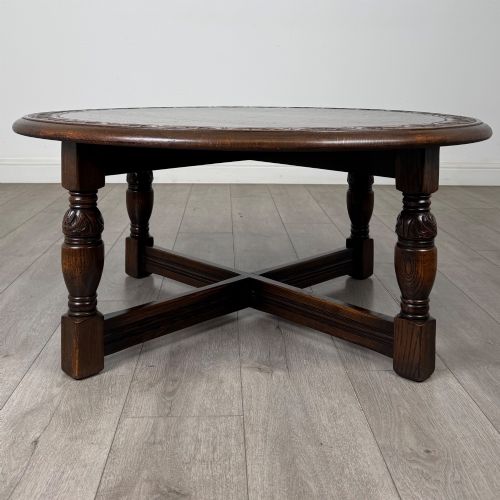
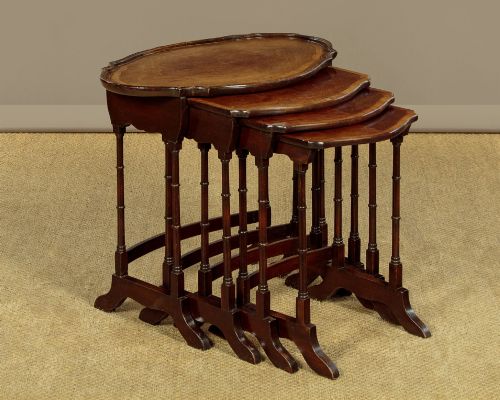
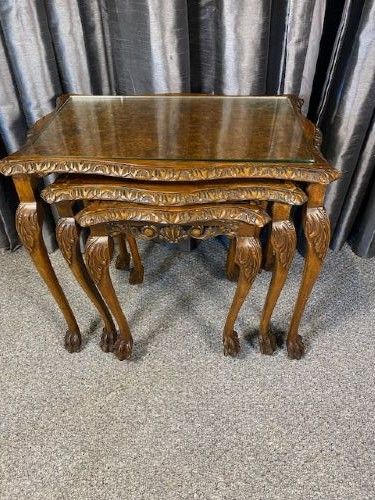
A brown living room table encompasses forms such as nests of tables, coffee tables, occasional tables, and centre tables. These items originate from periods ranging from the mid-nineteenth century through the Edwardian era and into the Art Deco years of the 1930s.
Materials and construction
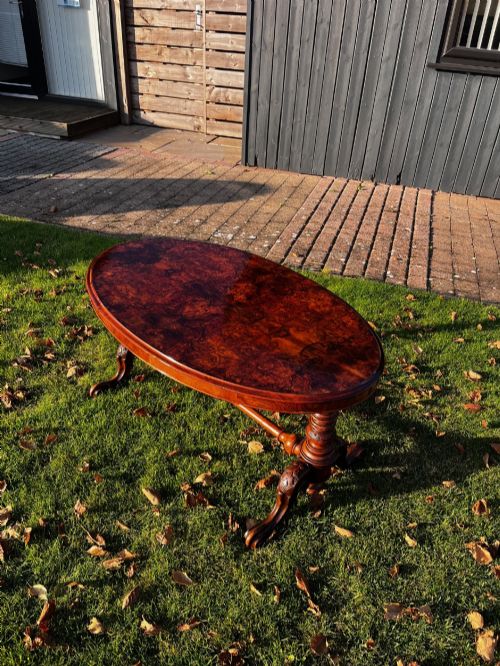
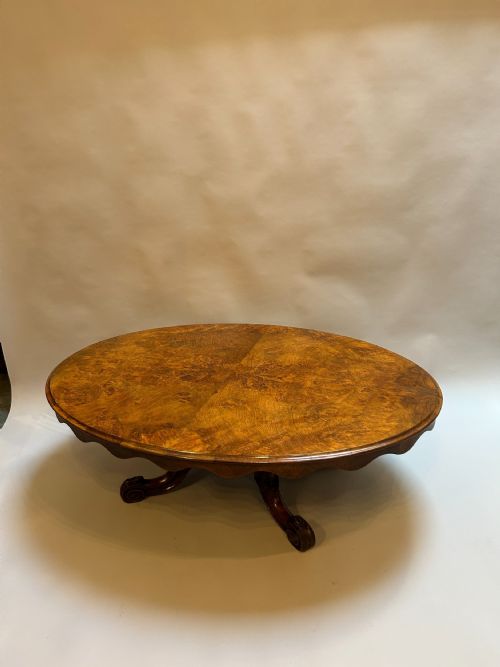
Cabinet makers utilised dense hardwoods such as mahogany, walnut, rosewood, and oak for the primary structures and tabletops. Burr walnut and yew veneers frequently add decorative figuring to the surfaces of tables from the Victorian period onwards.
Construction techniques include careful joinery, turned or carved legs, and occasional brass fittings or glass inserts. Inlaid details and shaped tops appear across Edwardian and Victorian pieces to enhance the visual appeal of the wood.
Brown Living Room Table Retail Price Guide 2026
Typical asking prices for brown living room table among the pieces listed under this phrase on Sellingantiques today, from the lower quarter to the upper quarter. They describe what is for sale here now, not the wider market.
Some nests multiply faster than rabbits, going all the way up to five tables for those who truly cannot commit to a single surface.
Judgements of quality
Quality rests in the selection of timber veneers, such as richly figured burr walnut, and the crispness of inlaid details or carved legs. Higher quality examples display balanced proportions and refined joinery that withstands daily use.
Simpler pieces rely on plain solid woods or straightforward turning without intricate decoration. The distinction lies in the depth of the timber grain and the precision of the assembly across tables from both the nineteenth and twentieth centuries.
harry and Lou Epstein
The Brown Living Room Table Glossary
- Nest of tables
- A set of graduated tables designed to fit neatly one beneath another when not in use. They are frequently found in mahogany or walnut.
- Centre table
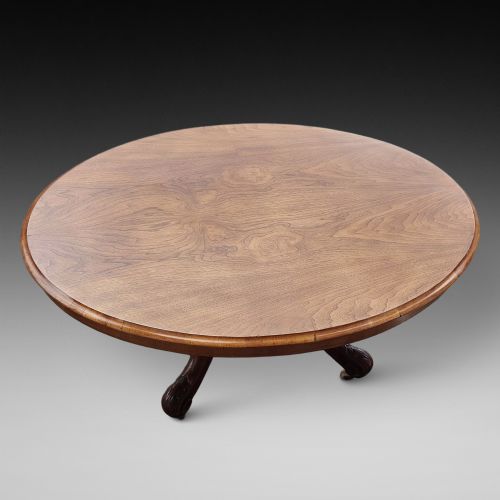
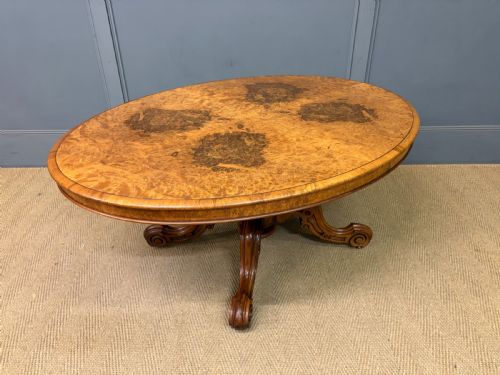
- A freestanding table intended to sit in the middle of a room rather than against a wall. These often feature circular or oval tops from the Victorian era.
- Burr walnut
- A prized wood veneer showing knotted growths that create intricate, swirling patterns. It appears frequently on nineteenth-century and Art Deco tables.
- Inlay
- A technique where contrasting materials are inserted into the wood surface to form decorative patterns. This method is common in Edwardian and nineteenth-century pieces.
- Quartetto
- A set of four small tables designed to nest together. They emerged in various forms during the late nineteenth and early twentieth centuries.
Brown Living Room Table: Frequently Asked Questions
What is a nest of tables?
A nest of tables is a set of several tables of graduating sizes that stack together beneath the largest one. This clever design saves floor space in a living room while providing extra surfaces when entertaining.
They appear in various woods like mahogany, oak, and walnut across Edwardian and 1930s styles.
How do I use a centre table?
A centre table stands freely in the middle of a room rather than pushed against a perimeter wall. In period homes, it served as a display surface for books or lamps.
Today, large Victorian examples work well in spacious rooms as a striking focal point.
What distinguishes an Edwardian table?
Edwardian tables often feature lighter woods, delicate inlay work, and refined legs influenced by earlier revival styles. They reflect the domestic fashions of the early twentieth century.
These pieces balance practical living room utility with restrained decorative flourishes.
How do I identify Art Deco tables?
Art Deco tables from the 1930s typically showcase streamlined shapes, pedestal bases, and striking veneers like burr walnut. They move away from heavy Victorian ornamentation towards clean geometric lines.
Sets by makers such as Harry and Lou Epstein exemplify this bold modern aesthetic.