



Brown Library Steps
Brown library steps are practical timber ascents designed for reaching high shelves, combining utility with fine cabinetmaking.
Brown Library Steps
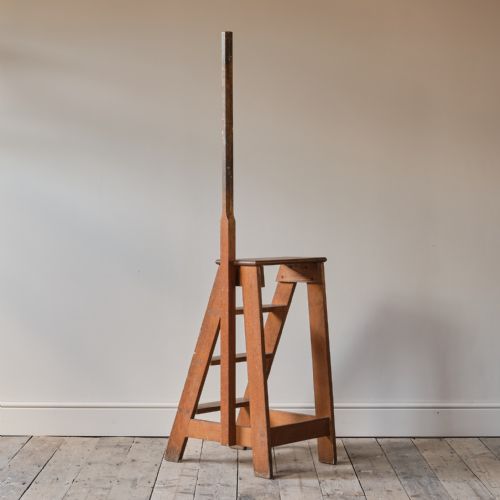
Brown library steps encompass sturdy wooden ascents intended for domestic and institutional libraries, ranging from compact folding flights to tall freestanding ladders. When searching for brown library steps, buyers encounter various configurations spanning the Regency, Victorian, and Edwardian periods.
How They Were Made
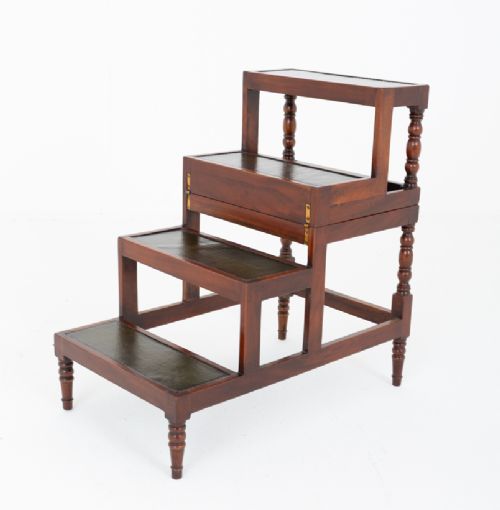
Cabinetmakers built these pieces using dense timbers like mahogany, oak, and walnut, frequently incorporating brass hinges and folding mechanisms for stability. Treads were often inset with leather panels to provide grip and protect the wood during daily use.
Joinery techniques varied from straightforward peg construction on country pine pieces to sophisticated pivoting hardware on Regency metamorphic chairs. Iron and metal components were integrated into folding frames to support the weight of someone climbing to upper shelves.
Brown Library Steps Retail Price Guide 2026
Typical asking prices for brown library steps among the pieces listed under this phrase on Sellingantiques today, from the lower quarter to the upper quarter. They describe what is for sale here now, not the wider market.
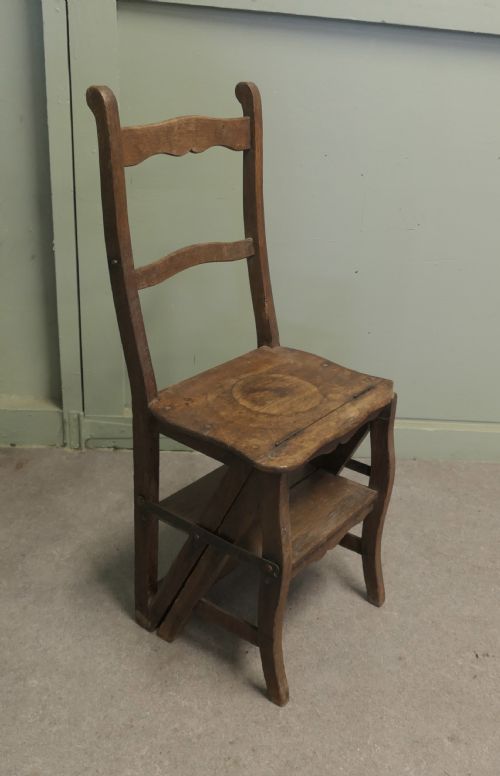
Some library steps double as chairs so you can sit and read the book you just climbed to reach.
What Varies in Quality
Quality rests upon the cleverness of the mechanism and the integrity of the timber used in the frame. Superior examples demonstrate smooth transitions in metamorphic designs and tight, durable joinery that remains steady under weight.
Finishes and secondary details like stamped makers' marks or fitted leather treads elevate a piece from a utilitarian tool to a refined item of furniture. Poorer quality shows in loose pivots, split treads, and crude replacement hardware.
J.Jarvis·Morgan and Sanders·Richard Hicks Bridgens
The Brown Library Steps Glossary
- Metamorphic
- Furniture designed to transform from one form into another, such as an armchair converting into a set of library steps. This ingenious mechanism allowed dual utility in private studies.
- Tread
- The horizontal surface of a step upon which the foot rests. These were occasionally lined with leather to prevent slipping.
- Bedsteps
- Small sets of steps originally intended for climbing into high historical beds, sharing construction methods with library steps. They typically comprise two or three tiers.
- Gothic Revival
- A nineteenth-century style drawing inspiration from medieval architecture, often seen in pointed arches and heavy oak construction on library furnishings.
Brown Library Steps: Frequently Asked Questions
How do metamorphic library chairs work?
These pieces use concealed hinges and pivots that allow the backrest and seat to unfold smoothly into a stable staircase. The transformation requires simple lifting and locking motions managed by brass fittings.
Once converted, the arms and back serve as handrails or support structures while climbing. Returning the piece to a chair format is simply the reverse of the opening process.
Why do some treads have leather?
Leather insets provided a non-slip surface for shoes and protected the underlying timber from wear. Tooling and gilt borders often decorated the leather panels to match the luxury aesthetic of the library.
Plain wood treads appear on utilitarian or country pieces where decoration was secondary to function. Over time, the leather acquired a soft patina from regular foot traffic.
How do I tell Regency from Victorian steps?
Regency pieces often feature refined mahogany construction with delicate turning, brass mounts, and sophisticated metamorphic actions associated with cabinetmakers like Morgan and Sanders. Their lines tend to reflect classical restraint.
Victorian examples frequently display heavier proportions, darker walnut or oak timber, and Gothic Revival motifs like arched panels. They prioritised sturdy utility alongside elaborate decorative carving.