
Brown Dressing Table
A brown dressing table brings rich mahogany, walnut and oak tones together with functional drawer arrangements for daily routines.
Brown Dressing Table
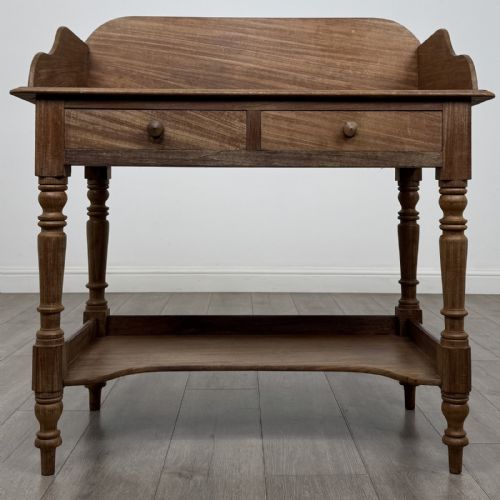
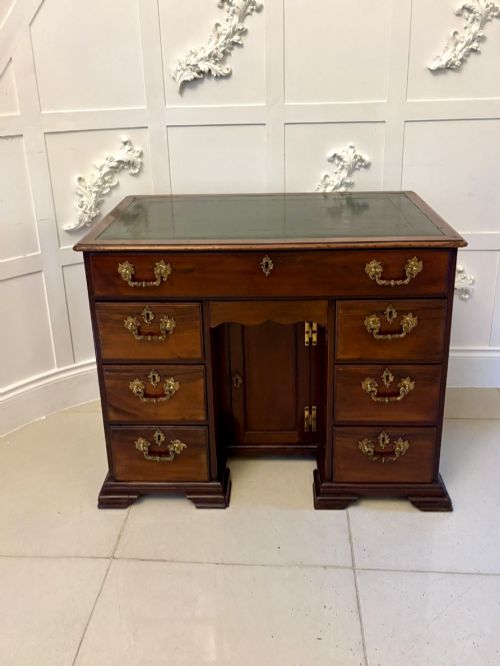
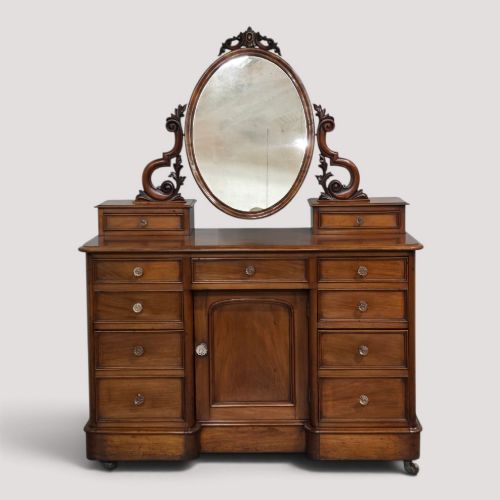
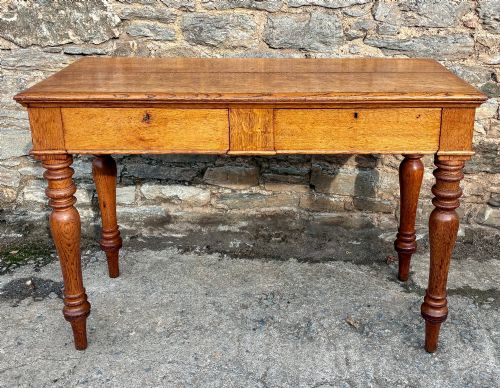
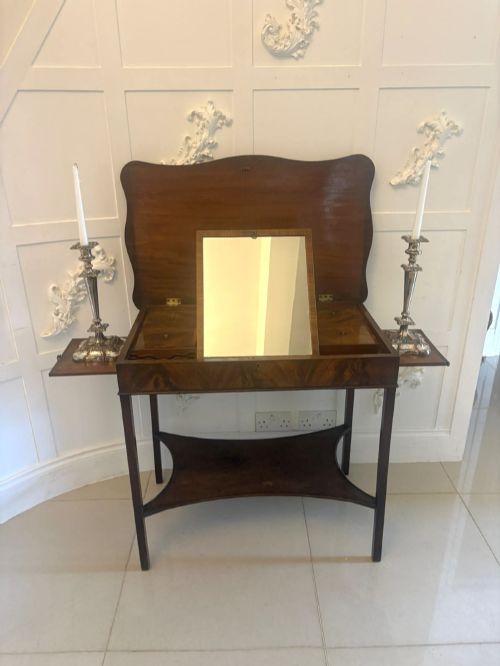
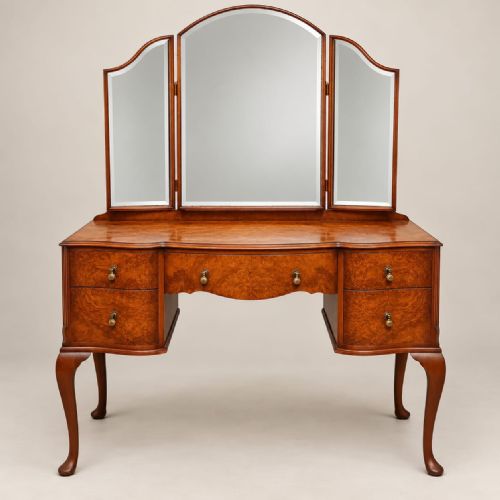
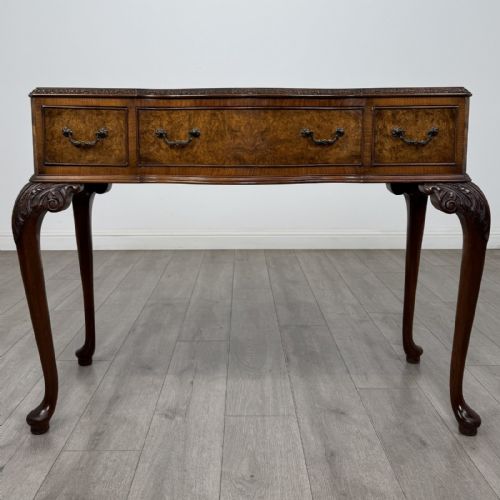
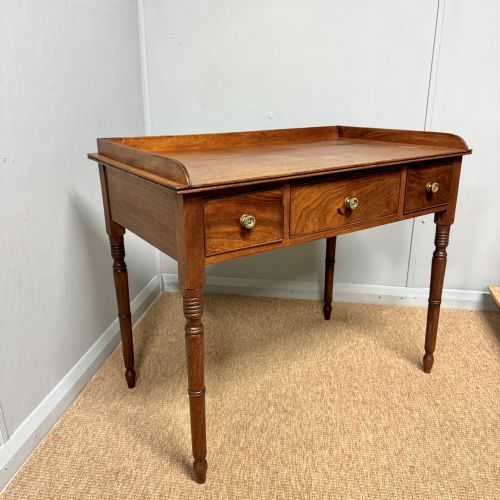
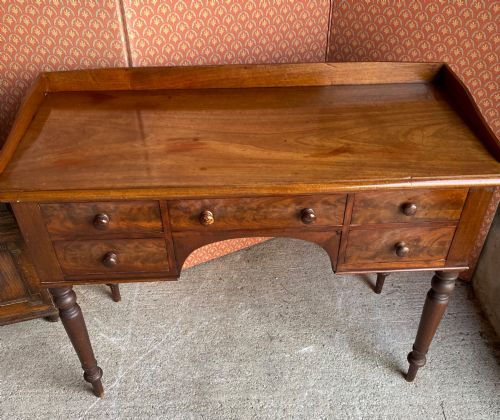
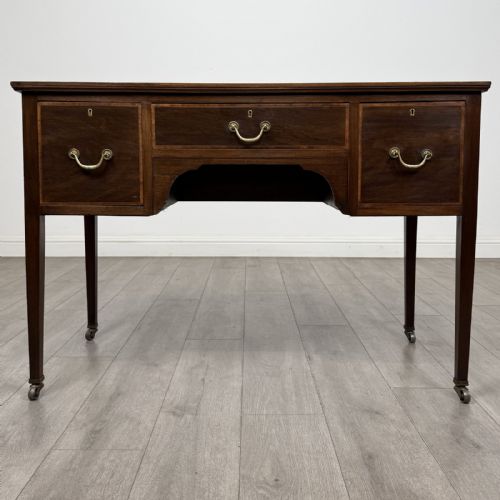
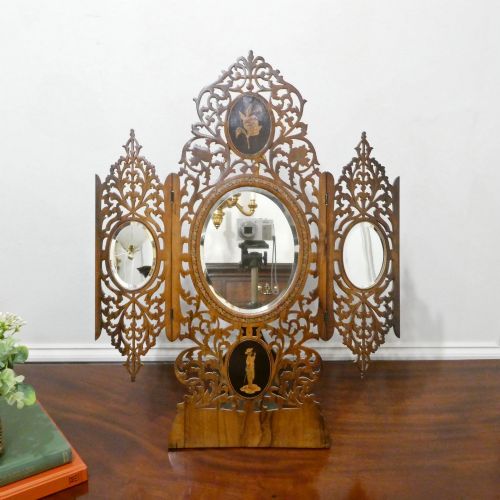
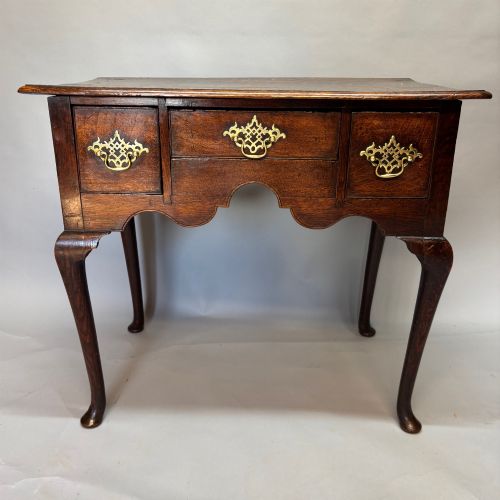
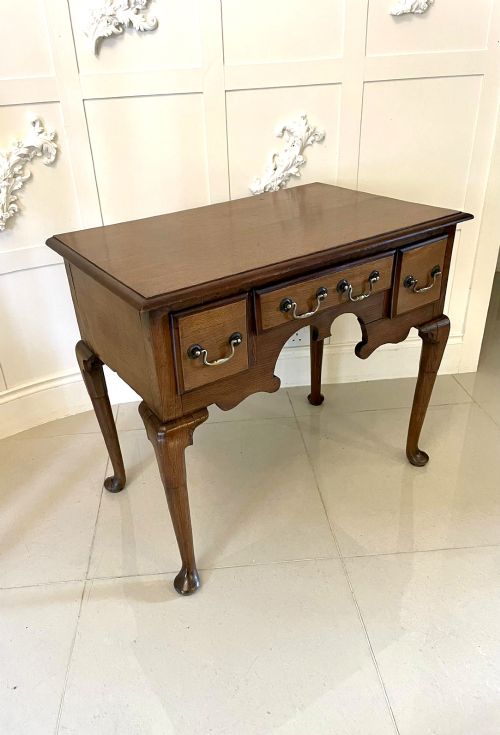
A brown dressing table encompasses various antique forms designed for personal grooming and writing, often appearing as lowboys, kneehole desks, or tables fitted with mirrors. These pieces span multiple eras, including Georgian, Victorian, Edwardian, and the early twentieth century.
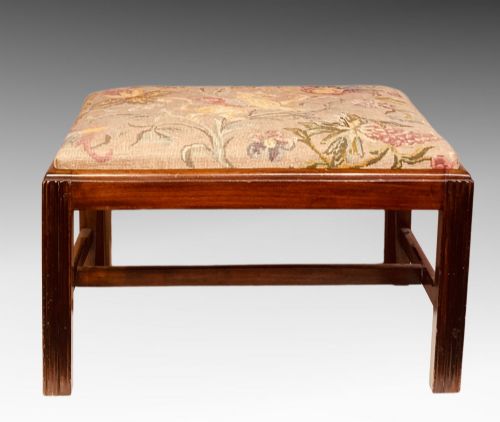
The materials are predominantly timber based, showing deep natural grains in mahogany, walnut, burr walnut, oak, and yew wood. Brass handles and glass mirrors frequently complete the composition of these functional items.
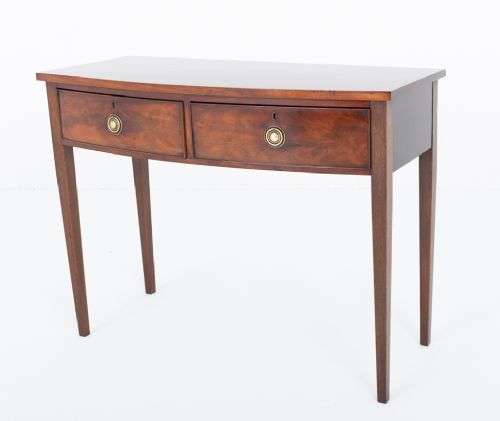
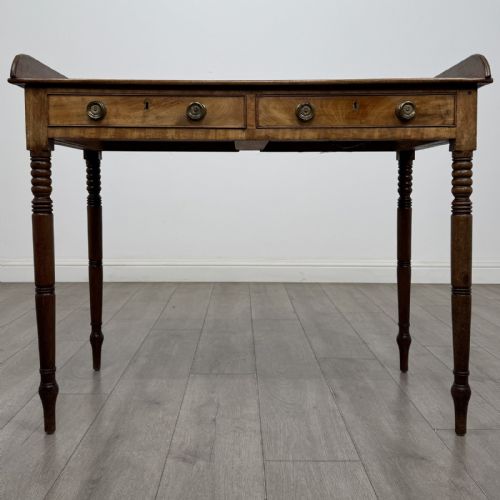
Buyers encounter forms ranging from serpentine shapes and bow fronts to simple lowboys and writing tables equipped with galleries or drawers. Each variation reflects the prevailing style of its period, from George II proportions to Regency lines.
Materials and construction methods
Cabinet makers utilised solid timbers and decorative veneers, selecting mahogany, figured walnut, and oak for their structural strength and rich colour. Marquetry and herringbone inlay work frequently adorn drawer fronts and table surfaces.
Joinery techniques relied on traditional drawer construction, sometimes paired with brass hardware and attached dressing mirrors. Timber selection dictated whether a piece received a smooth polished finish or retained a more rustic oak grain.
Determinants of quality
The grade of timber veneer and the precision of inlaid details set finer examples apart from simpler utilitarian items. Figured walnut and burr walnut selections demand expert handling to achieve balanced grain patterns across multiple drawers.
Proportion and execution of period details, such as tapered legs, gallery rails, and carved mouldings, demonstrate the skill of the original workshop. Clean lines and cohesive hardware integration distinguish superior pieces.
Shapland and Petter
The Brown Dressing Table Glossary
- Lowboy
- A small dressing table or side table featuring a low profile with drawers beneath the work surface. These typically date from the eighteenth century in oak or walnut.
- Bow front
- A convex curved cabinet front that projects outward in the centre. This shape softens the profile of mahogany side and dressing tables.
- Kneehole desk
- A bureau or dressing table with a central recess for the legs, flanked by pedestals of small drawers. They often date to the Georgian period in walnut or mahogany.
- Gallery
- A low raised rail or shelf fitted along the back or sides of a table top. This feature prevents items from rolling off the surface.
- Marquetry
- Decorative patterns formed by inserting pieces of contrasting veneer into a timber ground. It appears on finer walnut and exotic wood surfaces.
Brown Dressing Table: Frequently Asked Questions
What is a brown dressing table?
A brown dressing table is a wooden furnishing designed for grooming and writing, encompassing styles from Georgian lowboys to Edwardian vanity tables.
These pieces use traditional timbers like mahogany, walnut, and oak, often featuring multiple drawers and integrated mirrors.
How do I date a brown dressing table?
Dating relies on observing the timber species, construction methods, and stylistic cues such as cabriole legs or tapered supports. Georgian examples favour oak and walnut, while later Victorian and Edwardian pieces frequently utilise mahogany.
Hardware styles and veneer choices also provide clear indicators of the period in which the item was constructed.
Where were these tables used?
These tables served primarily in bedrooms or dressing rooms for personal preparation and storage of grooming accessories. Many double as writing desks or side tables due to their functional drawer layouts.
Their domestic role has evolved, allowing them to function effectively in modern home offices and hallways.
How do I care for a wood surface?
Maintaining antique timber requires keeping pieces away from direct heat sources and sudden humidity changes to protect the veneer and polish. Regular dusting with a soft cloth preserves the natural finish of walnut and mahogany.
Avoiding harsh chemical cleaners ensures the historic surface develops a stable, authentic patina over time.