



Brown Cottage Landscape Painting
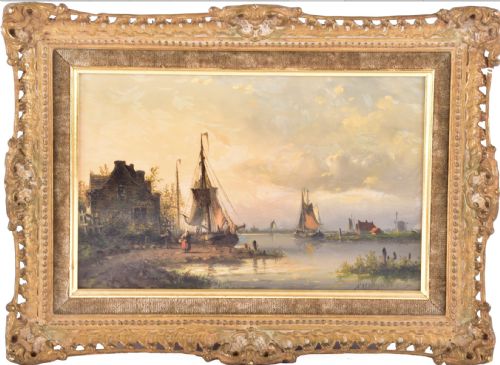
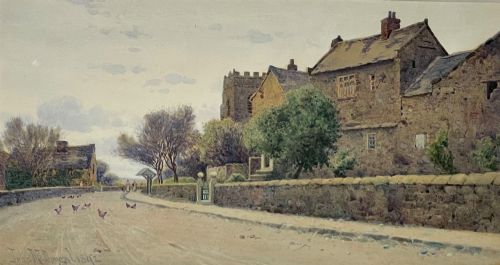
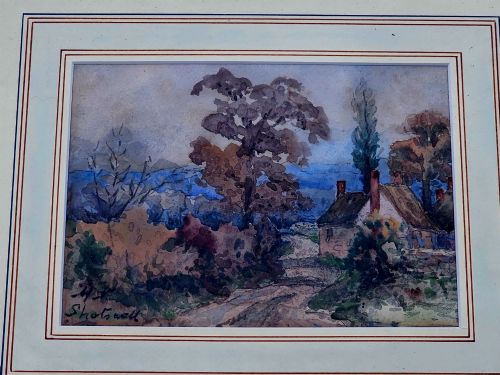
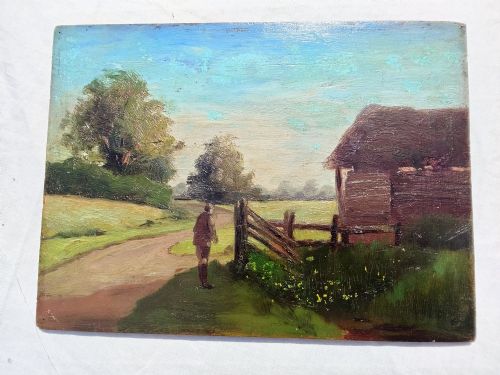
A brown cottage landscape painting brings domestic rustic charm into a room, capturing rural dwellings and quiet riversides through traditional nineteenth and twentieth-century brushwork.
Brown Cottage Landscape Painting
A brown cottage landscape painting depicts rural scenes, rustic homes, and river views created across the nineteenth and twentieth centuries. These works belong to periods such as the Georgian, Victorian, Edwardian, and mid-century eras, reflecting enduring regional British scenery.
The most common formats on this page include framed watercolours on paper and oil paintings on canvas or wooden boards. Artists document specific locations from Yorkshire, Sussex, Scotland, and the Wirral, alongside general English countryside settings.
Works range from detailed depictions by named British Impressionist and English School painters to unsigned primitive folk art. Buyers encounter both intimate watercolours and larger oil compositions capturing domestic rural life.
Materials and methods
Painters utilise oil paint or watercolour pigment applied to stretched canvas, paper, or wooden boards. Canvas supports allow for textured layering in oil landscapes, whilst paper provides a smooth surface for delicate watercolour washes.
Finished works sit within protective wood and glass frames, preserving the pigments against environmental wear. Many pieces incorporate handwritten artist signatures, titles, and dates directly onto the front or reverse of the support.
Brown Cottage Landscape Painting Retail Price Guide 2026
Typical asking prices for brown cottage landscape painting among the pieces listed under this phrase on Sellingantiques today, from the lower quarter to the upper quarter. They describe what is for sale here now, not the wider market.
Several cottages appear to host unexpected guests, from tethered ponies to hens demanding immediate feeding.
Factors influencing quality
Quality rests upon the confidence of the brushwork and the clarity of composition, distinguishing accomplished academic artists from primitive folk painters. Stronger works demonstrate a secure grasp of light, atmosphere, and perspective within the rural setting.
The condition of the original pigments and the preservation of the paper, canvas, or wooden board dictate the visual integrity of the piece. Intact period framing and clear provenance through signed attribution further elevate the standing of an individual painting.
John McDougal·John Horace Hooper·Fred Lawson·William Greaves·Robert Finley McIntyre·Helena Maguire·Harry Sylvester Stannard·Henry Charles Fox·Robert Hollands Walker·J V R Parsons·Yeend King·James Hughes Clayton·Charles Edward Wilson·James William Booth·Walter Meegan·Henry Valter·Joseph Paul·John Exley
The Brown Cottage Landscape Painting Glossary
- Watercolour
- A painting method where water-soluble pigments are suspended in a water-based solution and applied to paper. This technique yields transparent washes and delicate tonal gradations.
- Oil painting
- The process of painting with pigments that are bound with a medium of drying oil, typically linseed oil. This medium allows for rich colour depth and a textured finish on canvas or board.
- English School
- A term denoting artists working within British artistic traditions, particularly in landscape and portrait painting during the eighteenth and nineteenth centuries. It encompasses diverse regional styles and academic training.
- British Impressionism
- A painting style adopted by British artists influenced by French Impressionist ideals, focusing on natural light, outdoor settings, and visible brushstrokes.
- Primitive folk art
- Artwork created by self-taught painters working outside formal academic traditions. These pieces often feature direct perspectives, simplified forms, and charming local character.
Brown Cottage Landscape Painting: Frequently Asked Questions
What periods do these paintings date from?
The works span from the Georgian era through the Victorian and Edwardian periods into the mid-twentieth century. Painters recorded rural British subjects across these successive generations using traditional mediums.
Most examples originate from the nineteenth and early twentieth centuries, reflecting changing landscape traditions and regional painting schools.
How should I display these artworks?
Hang these pieces away from direct sunlight to protect delicate watercolours and oil pigments from fading over time. Standard wall placement in principal rooms suits the domestic scale of most cottage scenes.
Ensure that period frames remain secure and stable to support the weight of the canvas or framed paper safely.
Are these paintings signed by artists?
Many listings feature works by identified historical painters, whilst others remain unsigned or carry indistinct signatures. Signed pieces often include contemporary inscriptions noting the specific village or county depicted.
Attributions rely on recorded biographical dates, stylistic traits, and historical exhibition records associated with the English School.
What surfaces are used for these paintings?
Artists utilised paper, stretched canvas, and wooden boards as supports for their watercolours and oil paints. Paper works typically require protective glass framing to prevent surface damage.
Oil paintings on canvas and board offer robust textures that capture the tactile nature of nineteenth-century rural landscapes.