


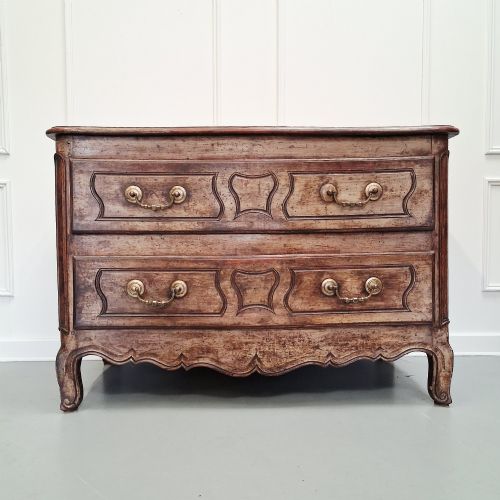
Brown Carved Chest
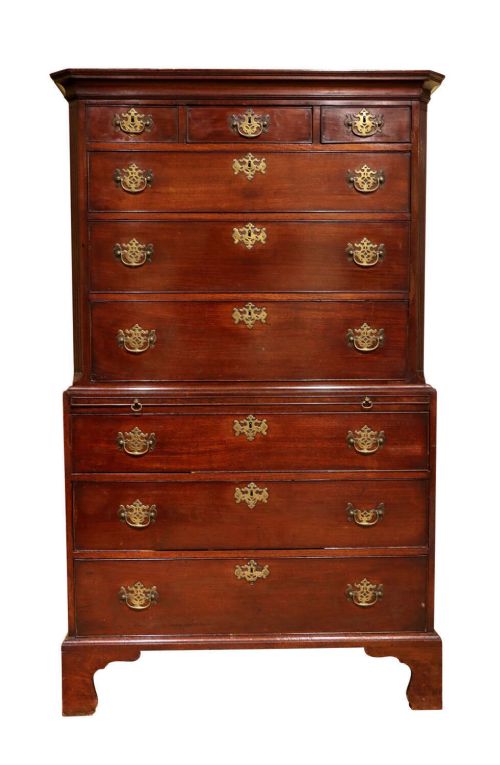
A brown carved chest brings heavy timber and centuries of hand-chiselled detail directly into a room, offering deep storage with historic presence.
Brown Carved Chest
When you search for a brown carved chest, you encounter sturdy storage forms ranging from early boarded coffers to formal drawer units. The selection relies heavily on robust oak and rich walnut timber.
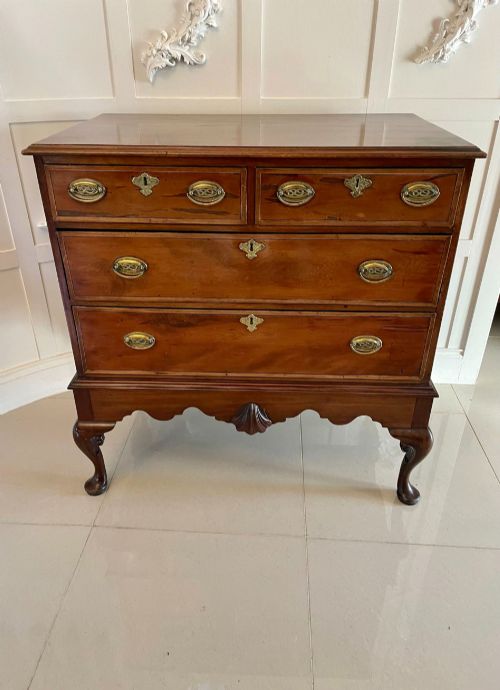
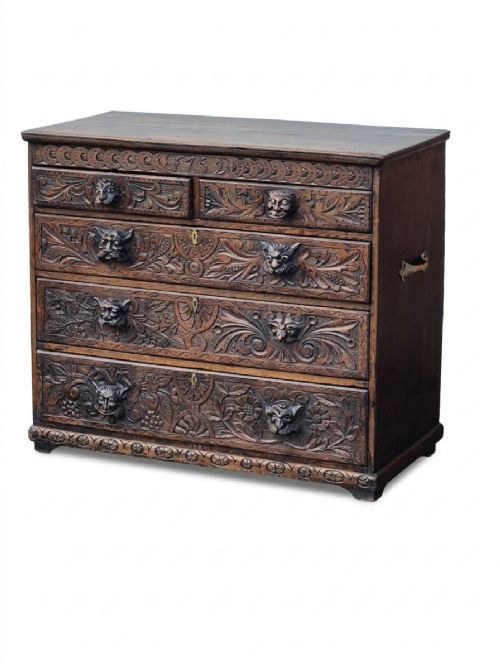
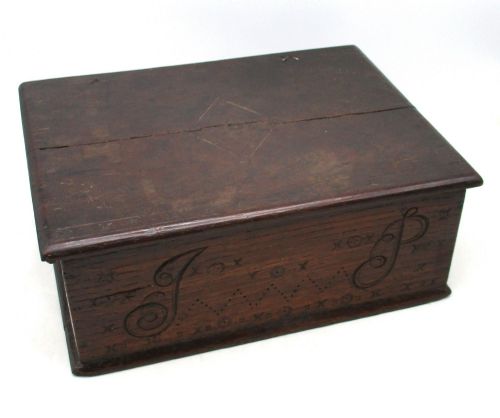
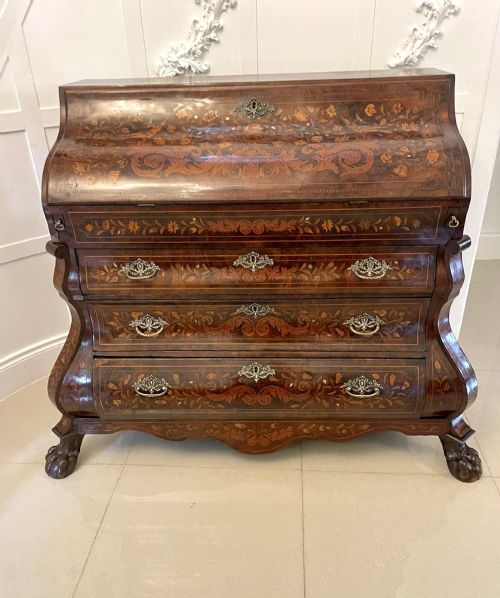
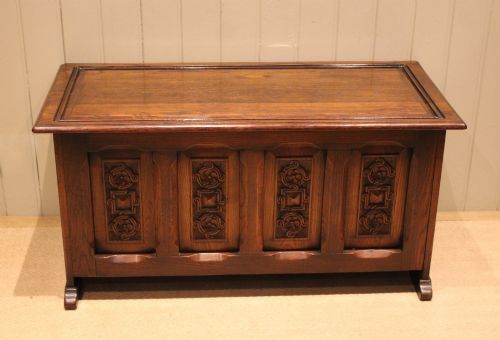
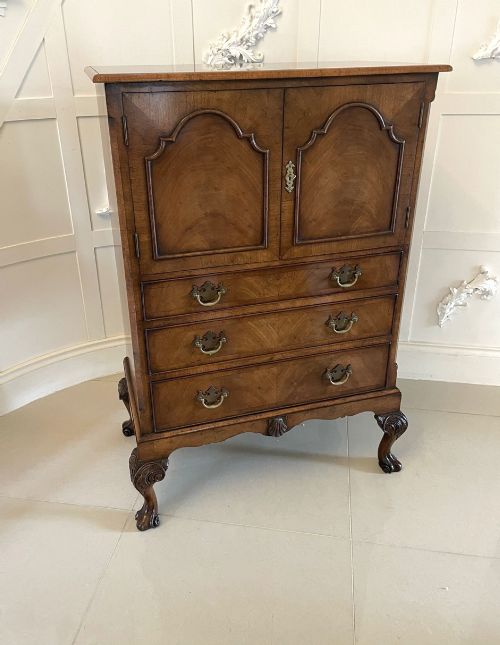
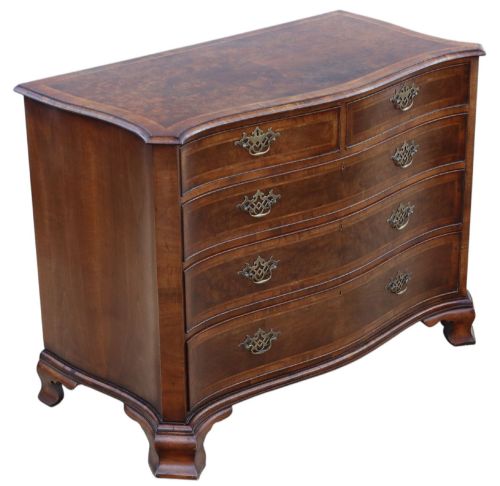
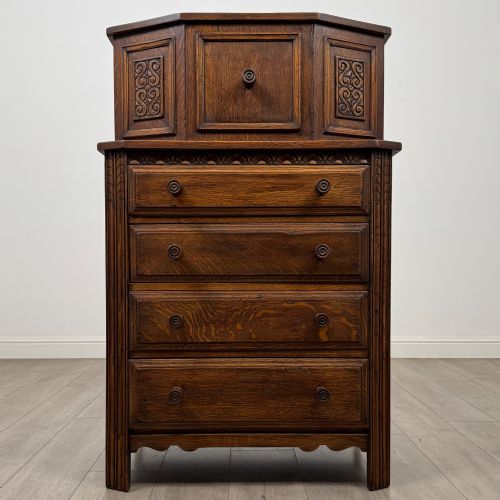
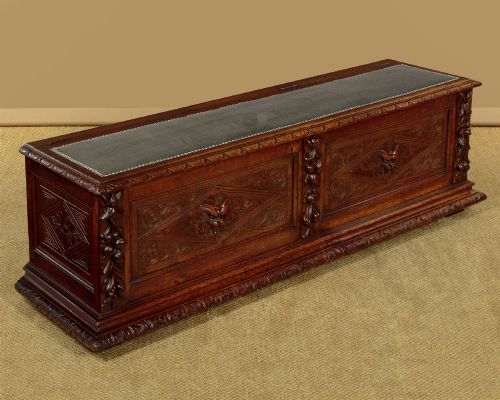
The versions you meet most frequently on this page include panelled oak coffers from the seventeenth century alongside Edwardian and Victorian chests of drawers bearing revival carvings. These pieces function as both practical furniture and focal historical statements.
Originating primarily from British and European workshops, these brown carved chest examples span diverse decorative vocabularies from simple geometric linenfold panels to bold floral marquetry and grotesque mask reliefs.
Materials and Construction
Carpenters built these items using solid native timbers, predominantly oak for earlier coffers and walnut or mahogany for later drawer configurations. Panels were joined using pegged mortise and tenon methods to accommodate natural wood movement.
Decoration relied on hand-carving directly into the solid wood ground, utilising gouges and chisels to create low relief strapwork, foliage, and figural motifs. Secondary woods like pine or elm frequently appeared in unseen structural areas such as drawer linings and bases.
The listings on this site feature structural woods spanning solid oak, walnut, burr walnut, and figured mahogany.
Distinctions in Quality
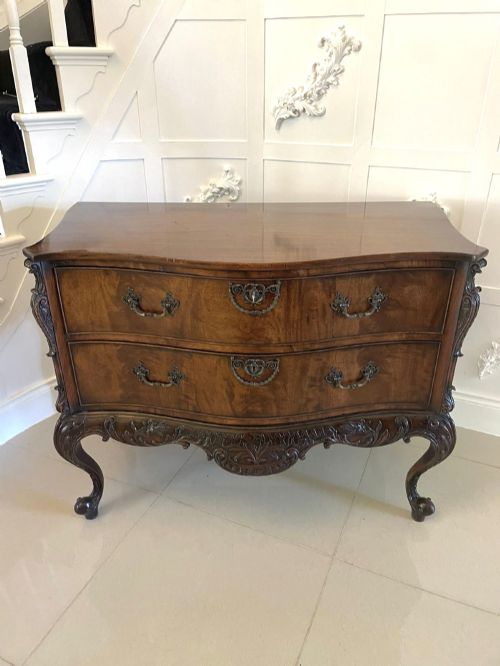
Quality rests upon the crispness of the hand-carved ornament and the selection of figured timber veneers, such as burr walnut or figured mahogany. Superior examples retain their original brass handles, locks, and hinges rather than later replacements.
Structural integrity also dictates worth, separating pieces that maintain tight original joints and unwarped lids from those altered or heavily restored over generations of domestic use.
The Brown Carved Chest Glossary
- Marquetry
- The art of applying decorative veneer pieces in various woods to form intricate patterns and pictorial designs. This technique frequently enhances walnut and exotic cabinet furniture.
- Linenfold
- A style of relief carving imitating folded linen fabric, popular on Tudor and Jacobean wooden panels. Cabinetmakers carved this pattern to add texture to flat surfaces.
- Biedermeier
- A style of Central European furniture design focused on utilitarian comfort and clean lines. It utilised local timbers rather than expensive imported woods.
- Wellington chest
- A tall, narrow chest of drawers secured by a hinged locking side stile that fastens over the drawer edges. This specific form originated in the nineteenth century.
Brown Carved Chest: Frequently Asked Questions
How do I date an early oak coffer?
Dating relies on examining the construction marks, tool evidence, and joinery methods. Hand-riven boards and pegged joints usually indicate older periods.
Secondary indicators include the style of the edge mouldings and the degree of timber shrinkage visible across the lid and panels.
Where were these chests placed in historic homes?
These items stood primarily in bedrooms, halls, and parlours to store heavy textiles, woollens, and family valuables. Their sturdy construction allowed them to double as seating benches.
In merchant households, smaller document boxes sat upon tables to keep important papers secure from dampness and theft.
How do I maintain a polished wood surface?
Apply a traditional beeswax polish sparingly and buff with a soft cloth to nourish the historic timber. Avoid silicone sprays and keep the wood away from direct heat sources.
Consistent room humidity prevents the timber from splitting or warping over time.
What is the difference between a coffer and a chest of drawers?
A coffer opens from a single lid at the top and represents an older storage tradition. A chest of drawers provides horizontal sliding compartments accessed from the front.
Drawers became more common as domestic interiors grew compartmentalised and people required easier access to stored garments.