

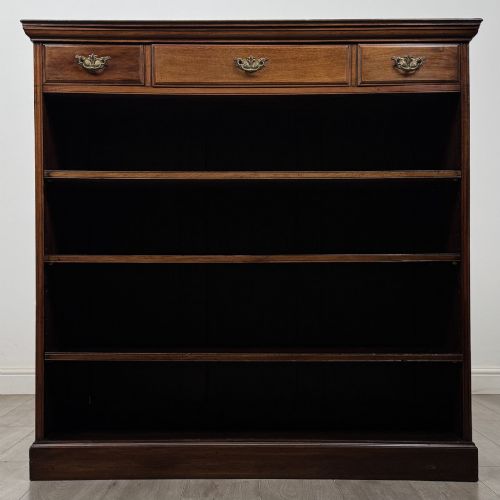
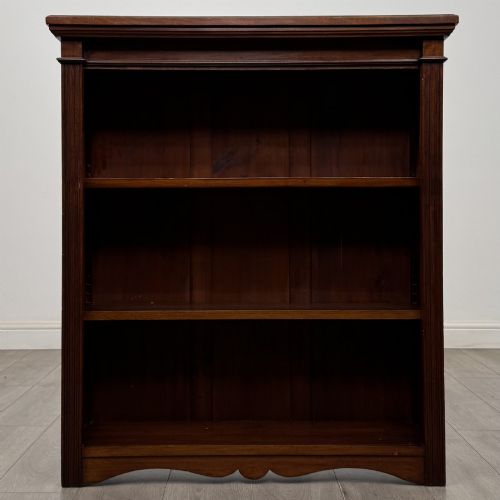
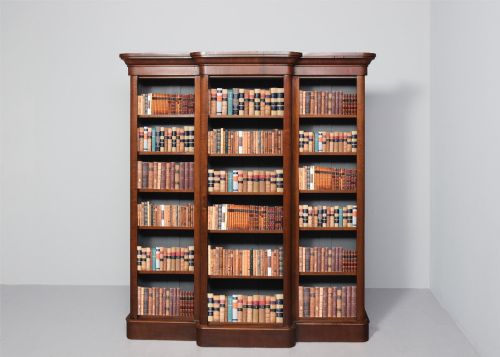

Brown Book Cabinet
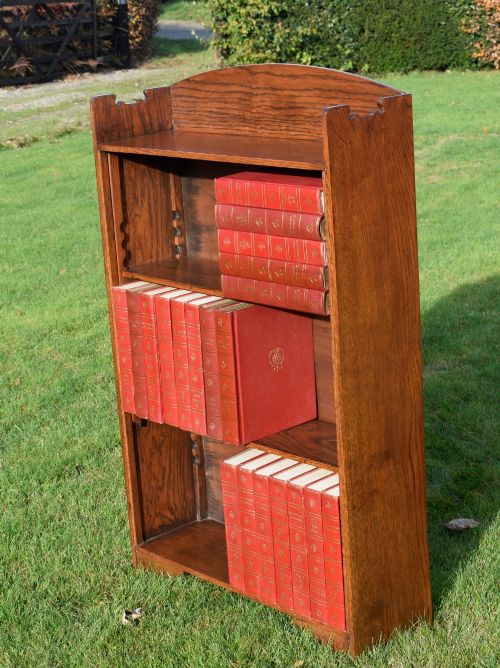
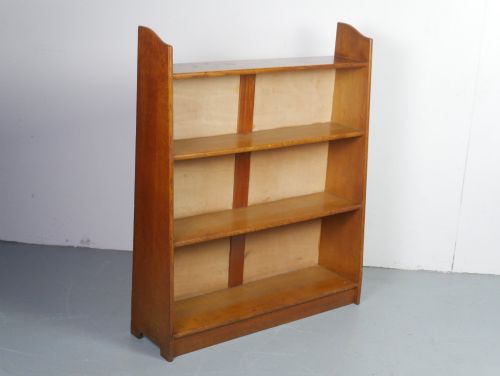
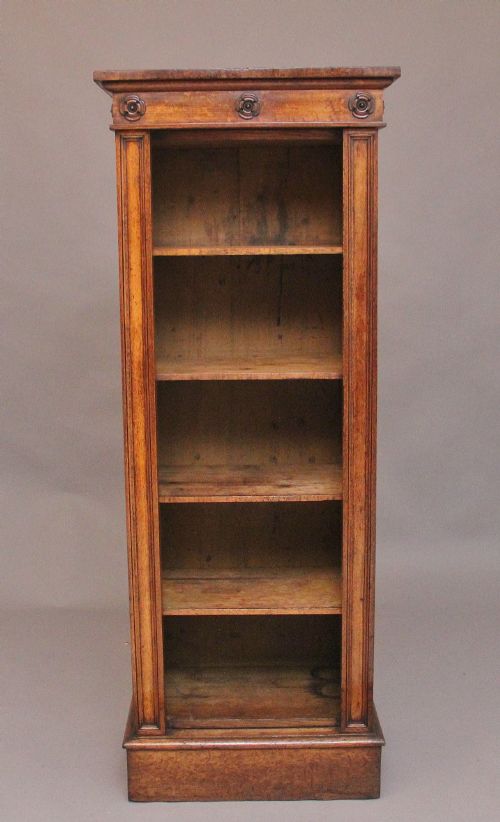
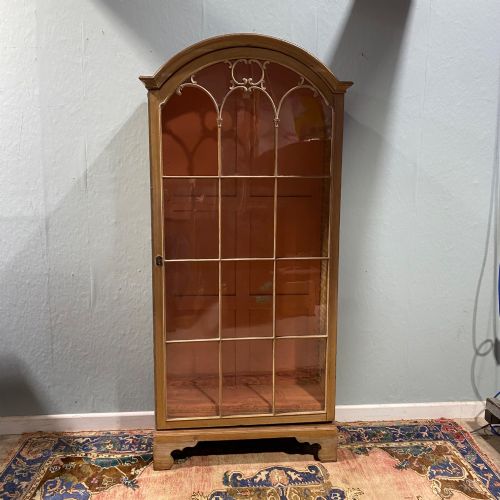
A brown book cabinet gathers texts and volumes behind glazed or open timber panels, bringing order and warmth to a room.
Brown Book Cabinet
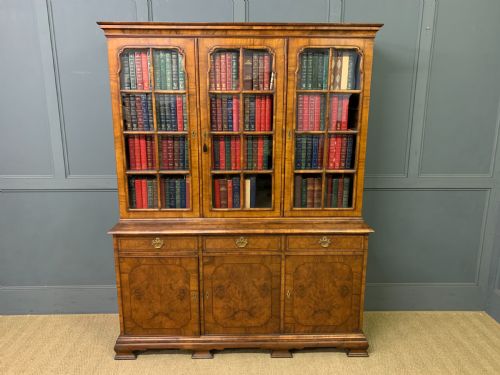
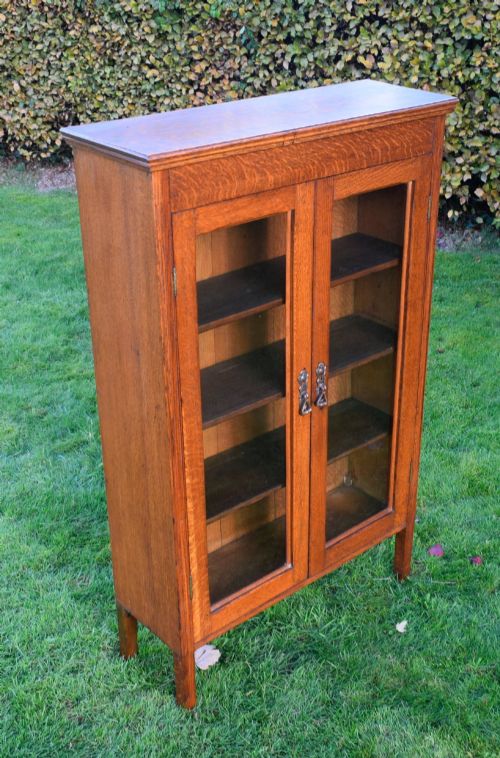
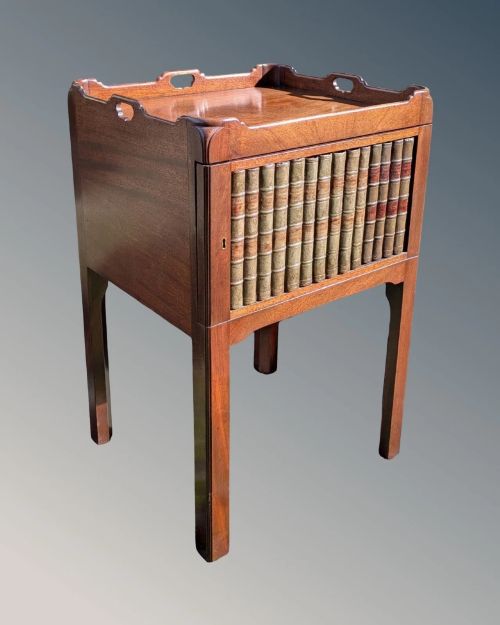
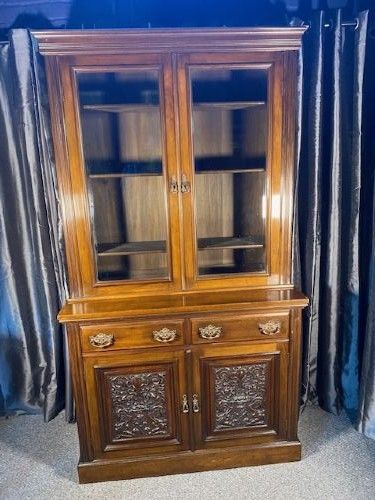
A brown book cabinet brings together a range of timber furniture designed for storing and displaying volumes, encompassing bookcases, display cabinets, and side units. Pieces span from the nineteenth century through the Edwardian period and into Art Deco and nineteen-thirties designs.
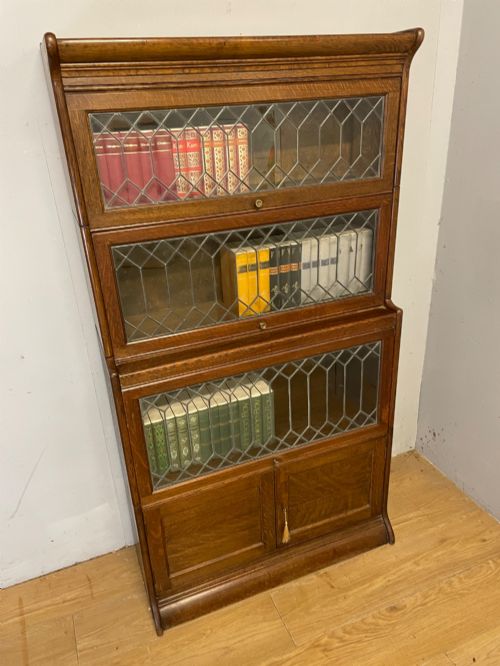
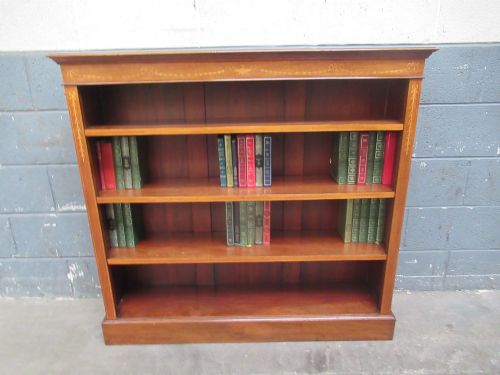
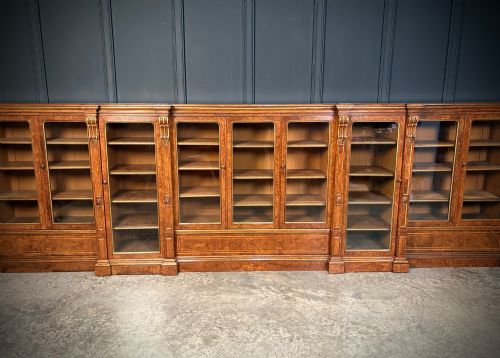
The form varies from tall library bookcases and breakfront configurations to narrow open shelves, sectional Barristers units, and tabletop collectors cabinets. Oak, mahogany, and walnut dominate the selection, often enriched with burr veneers and glazed doors.
Materials and construction
Cabinet makers utilised solid timbers alongside finely figured veneers, applying oak, mahogany, and walnut across the various periods. Burr walnut and figured walnut feature prominently on panelled doors and drawer fronts, displaying rich natural grain patterns.
Joinery methods include adjustable shelving systems supported by timber or brass fittings, glazed panels set into timber frames, and sectional stacking modules. Inlaid details and carved top edges add decorative definition to Edwardian and Victorian examples.
Brown Book Cabinet Retail Price Guide 2026
Typical asking prices for brown book cabinet among the pieces listed under this phrase on Sellingantiques today, from the lower quarter to the upper quarter. They describe what is for sale here now, not the wider market.
Some nineteenth-century collectors cabinets contain tiny, secret drawers originally designed for sorting foreign postage stamps or dried beetles.
Assessing quality
Quality rests upon the selection of timber figures, such as matching burr walnut veneers or uniform oak grain across large surfaces. The crispness of carved details and the integration of functional elements like adjustable shelves distinguish finer examples from standard production.
Proportion and architectural balance set higher grade pieces apart, particularly in breakfront and sectional forms where cornice moulding and plinth construction require precise execution. The condition of glass panels and interior linings further indicates the standard of manufacture.
Bowman Brothers·Lebus
The Brown Book Cabinet Glossary
- Breakfront
- A cabinet design where the central section projects forward from the flanking wings, creating depth and architectural presence. This configuration appears frequently in large Victorian and nineteenth-century library pieces.
- Barristers bookcase
- A sectional stacking bookcase featuring glazed doors that lift and slide inward above each shelf tier. This modular format gained popularity in the early twentieth century for practical office and home use.
- Burr walnut
- A wood harvested from the wart-like growths on walnut trees, yielding highly figured, swirling grain patterns used for decorative veneer panels. Cabinet makers prized this material for formal nineteenth-century and Art Deco facades.
- Secretaire
- A cabinet incorporating a pull-down writing flap that conceals small drawers and pigeonholes above lower storage space. These dual-purpose items combine desk functionality with traditional bookshelf storage.
Brown Book Cabinet: Frequently Asked Questions
How do I style a brown book cabinet?
Balance vertical book rows with horizontal stacks and small decorative objects to avoid visual heaviness. Allow breathing room on shelves to highlight the timber grain and framing.
Position the cabinet away from direct heat sources to protect timber panels and prevent veneers from lifting over time.
Are shelves usually adjustable?
Many nineteenth-century and early twentieth-century examples feature adjustable shelving supported by brass pins or ratchet strips. This flexibility accommodates volumes of varying heights.
Fixed shelving appears more frequently in simpler or earlier vernacular formats where structural rigidity took priority.
What is the difference between open and glazed cabinets?
Open bookcases provide immediate access to volumes and display the spine bindings directly within the room. Glazed versions protect fragile or leather-bound texts from dust and atmospheric moisture.
Combination pieces offer both closed storage and open display tiers within a single architectural frame.
How do I identify an Art Deco cabinet?
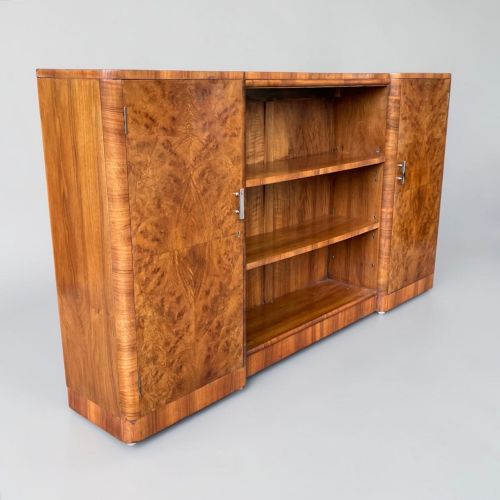
Art Deco pieces from the nineteen-thirties typically feature streamlined geometric lines, symmetrical burr walnut or figured veneers, and minimal surface carving. The focus rests entirely on the natural pattern of the wood.
Hardware is often streamlined or absent, contrasting with the ornate brass handles and carved pediments seen on Victorian and Edwardian furniture.