



Brown Arts and Crafts Chair
A brown arts and crafts chair brings honest construction and simple materials into a room, offering sturdy seating rooted in the reform movements of the late nineteenth and early twentieth centuries.
Brown Arts and Crafts Chair
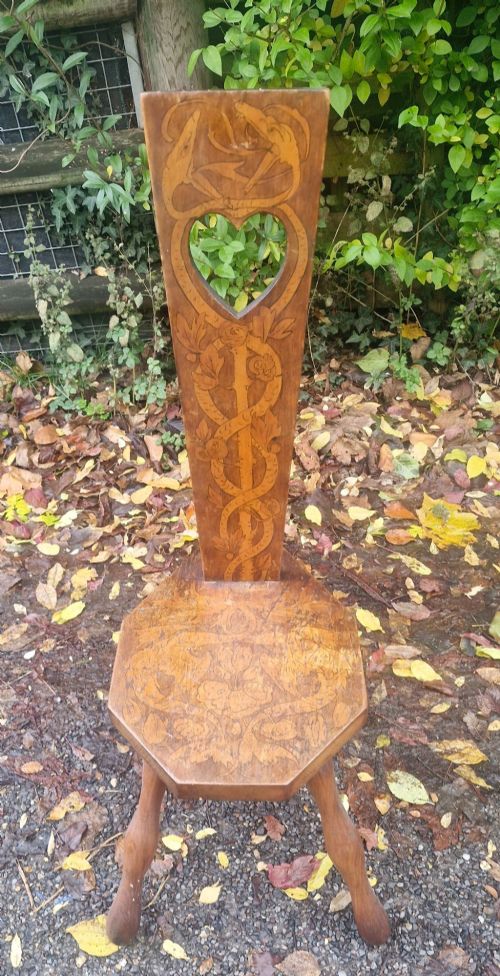
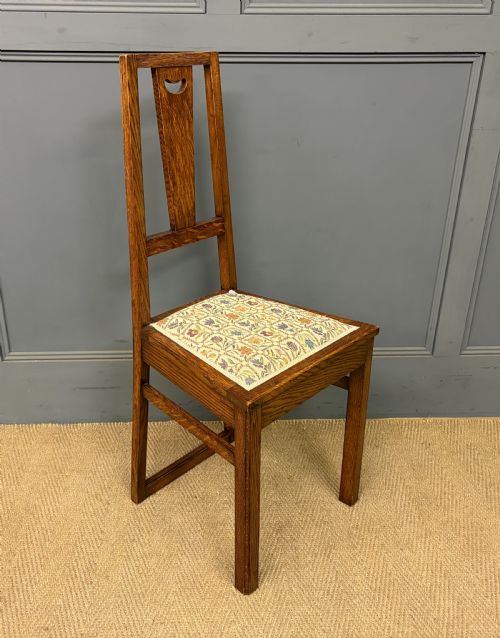
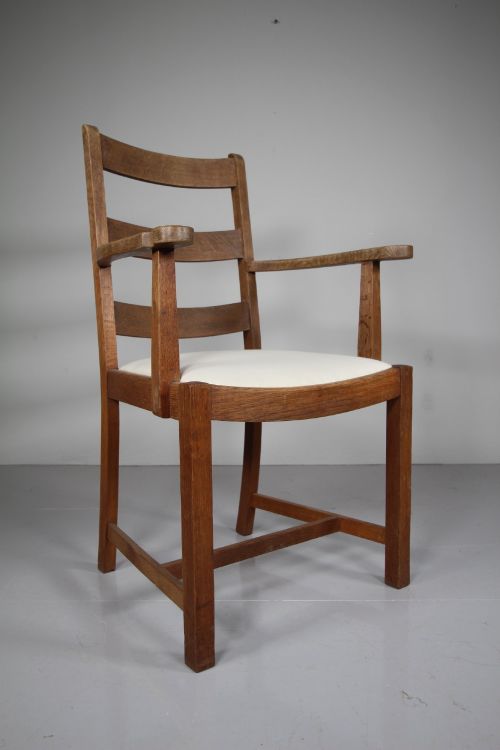
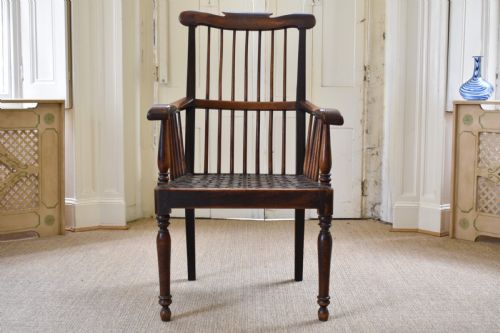
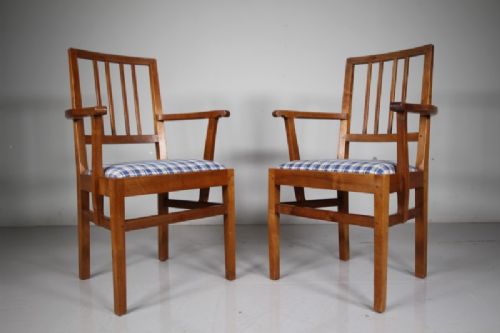
A brown arts and crafts chair represents a turn away from industrial excess toward honest, simplified furniture design. When searching for this phrase, buyers encounter forms ranging from low fireside seats to high-backed library chairs and dining sets.
The pieces on this page originate predominantly from the late nineteenth century through the nineteen-thirties, spanning Edwardian and early modernist periods. Oak forms the foundation of most examples, accompanied by walnut, mahogany, and occasional regional timbers like laburnum or pitch pine.
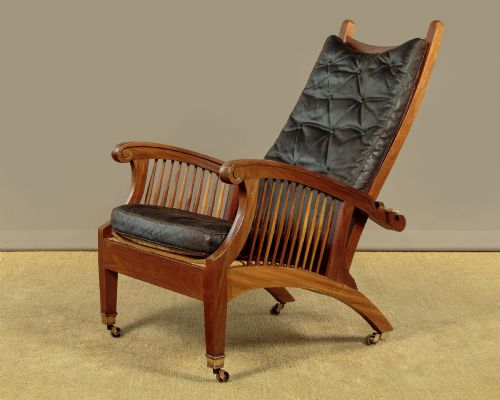
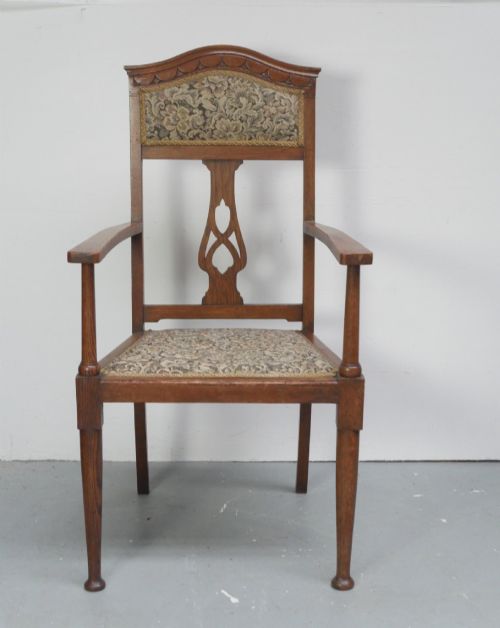
The domestic interior of the early twentieth century relied heavily on these sturdy wooden seats for daily use in halls, libraries, and fireside corners. Dining chairs, armchairs, and rocking or pivoting office variations dominate the surviving selection.
How they were made
Makers utilised solid timbers, primarily oak and walnut, joined through traditional mortise and tenon construction rather than concealed metal brackets. Grain patterns and natural wood tones remained visible, often enhanced simply through wax polishing rather than heavy pigmented varnishes.
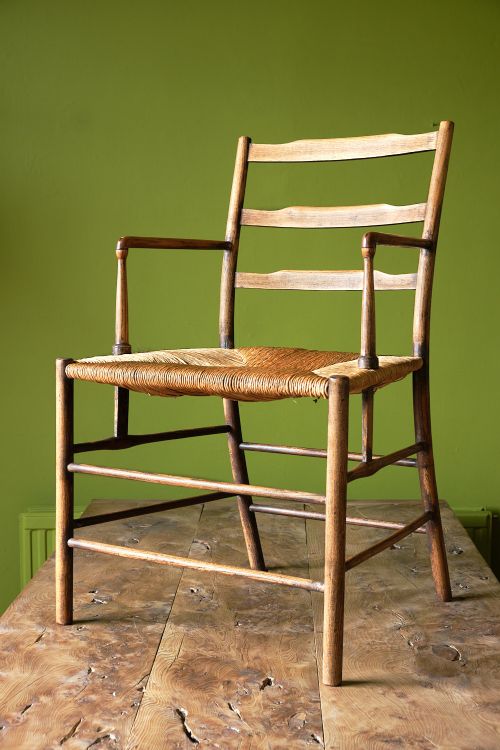
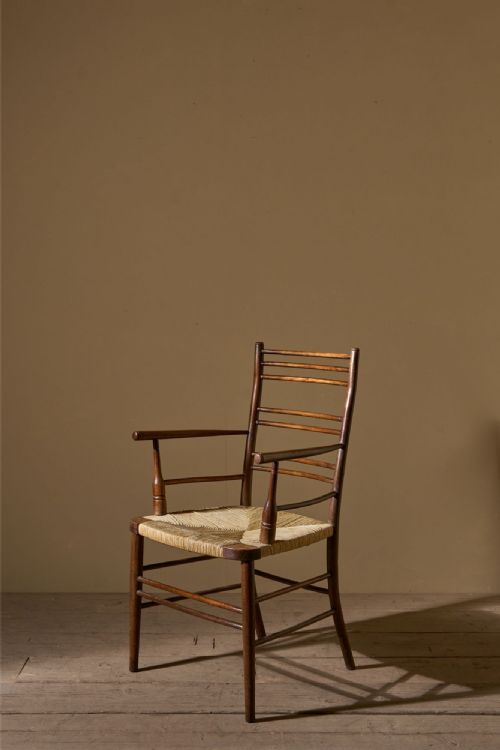
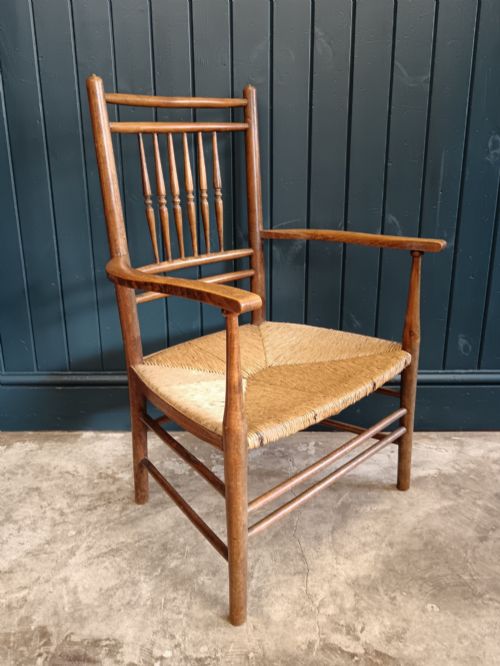
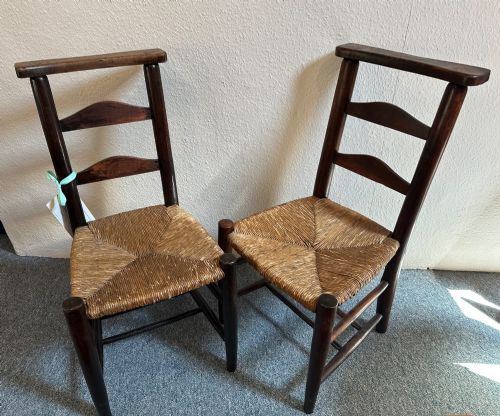
Seating surfaces frequently incorporated woven natural materials such as rush or cane alongside stitched leather and textured fabric upholstery. Regional vernacular methods also introduced woven straw backs and frame construction using local fruitwoods or elm.
Brown Arts and Crafts Chair Retail Price Guide 2026
Typical asking prices for brown arts and crafts chair among the pieces listed under this phrase on Sellingantiques today, from the lower quarter to the upper quarter. They describe what is for sale here now, not the wider market.
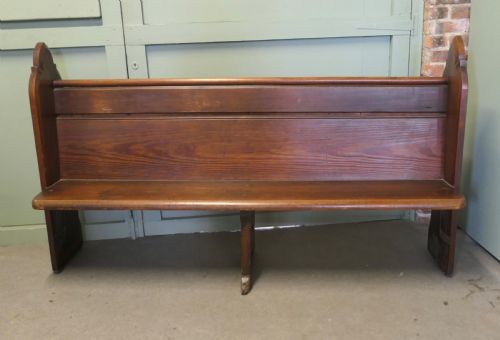
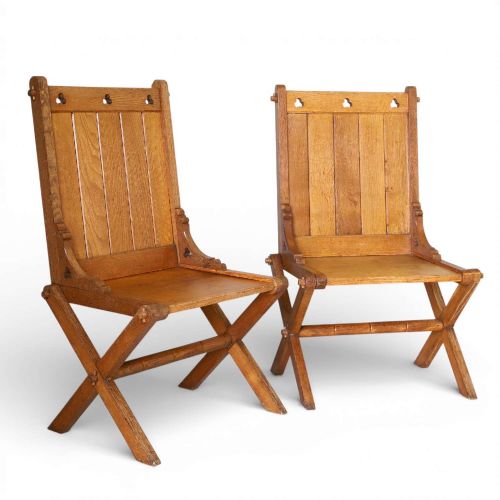
Church pews and metamorphic library steps occasionally sneak into the seating line-up, proving that makers liked to keep congregations and readers on their toes.
What varies in quality
The standard of a brown arts and crafts chair rests on the integrity of its joinery and the selection of timber. Superior examples display carefully chosen quarter-sawn oak with visible medullary rays, coupled with tight, stable joints that require no modern reinforcement.
Design attribution and workshop provenance elevate certain pieces above standard vernacular production. Chairs bearing maker stamps, manufacturer marks, or direct links to known London and regional workshops command greater interest through documented craftsmanship.
Heals of London·Edward Barnsley·Goodyers of London·Kendrick and Jefferson·Dryad of Leicester
The Brown Arts and Crafts Chair Glossary
- Rush seat
- A seating surface woven from dried marsh reeds, commonly found on light frame chairs. It provides a resilient, textured pad that requires careful moisture management to prevent brittleness.
- Spindle back
- A chair back constructed from a series of slender turned wooden rods. This technique lightens the visual weight of heavy timber frames while maintaining structural rigidity.
- Quarter-sawn
- A method of log milling where timber is cut perpendicular to the growth rings. This process produces durable boards with characteristic decorative grain flecks.
- Metamorphic
- Furniture designed to transform from one object into another, such as an armchair converting into library steps. These clever mechanisms rely on sturdy hinges and precise carpentry.
- Vernacular
- Regional building traditions and styles rooted in local materials and practical needs rather than academic architectural fashions. These pieces reflect the specific craftsmanship of rural communities.
Brown Arts and Crafts Chair: Frequently Asked Questions
How do I clean a rush seat?
Dust the woven reeds gently with a soft brush or vacuum attachment on low power to remove grit. Avoid using excess water, as moisture causes dried marsh reeds to swell and weaken over time.
Treat occasional spills by dabbing lightly with a barely damp cloth and mild soap, then dry the area immediately with a fan or dry towel.
Are these chairs comfortable for daily use?
Many models were designed for specific tasks like reading at a desk or sitting by a hearth, offering upright support rather than deep cushioning. Their ergonomics reflect early twentieth-century domestic habits, which prioritised posture over lounging.
Upholstered armchairs and fireside models provide softer seating, while wooden side chairs pair well with modern cushions if extended sitting is required.
How can I tell an original from a later copy?
Examine the construction methods underneath and around the joints for hand-cut joinery, pegged tenons, and authentic tool marks. Age should show naturally in the wear patterns of the timber and the patina of the wax finish.
Look for maker stamps, retailer labels, or workshop burn marks, though many vernacular pieces remain unmarked by their original makers.
What is the best way to maintain the wood finish?
Apply a microcrystalline wax or traditional beeswax sparingly to nourish the timber and protect it from dry indoor air. Buff the surface gently with a soft cotton cloth after application to restore a natural satin sheen.
Keep wooden furniture away from direct heat sources and strong sunlight to prevent the boards from warping or fading over the years.