


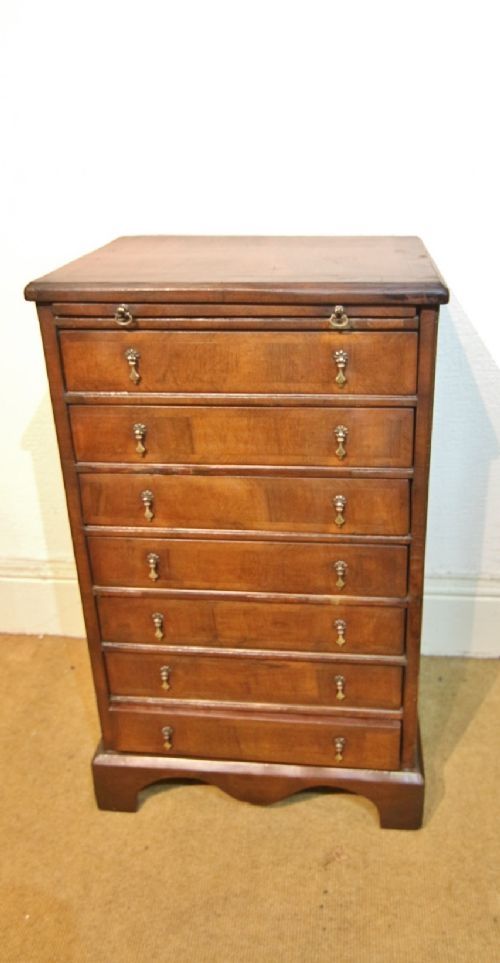


Brown Apothecary Drawers
Brown apothecary drawers are multi-drawer storage pieces built for pharmacies and merchants, offering practical division for small goods alongside rich historical character.
Brown Apothecary Drawers
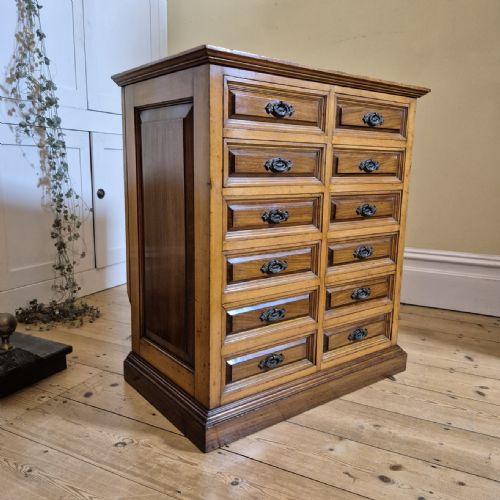
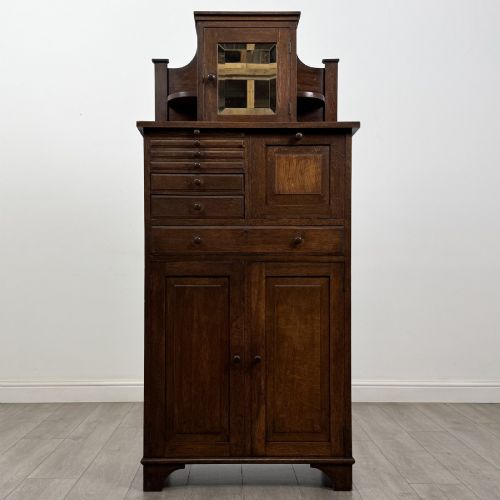
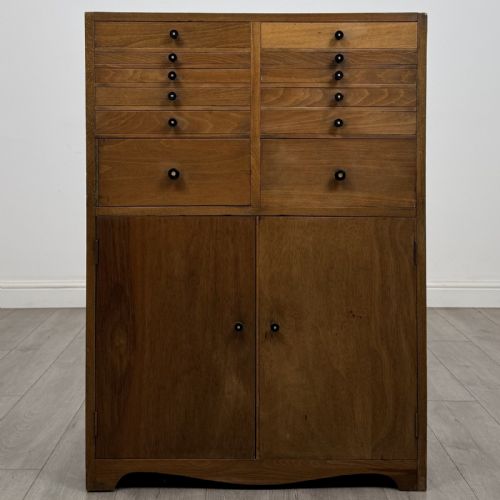
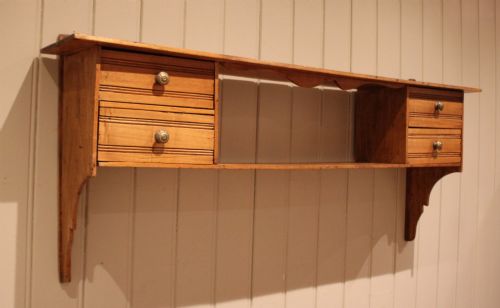
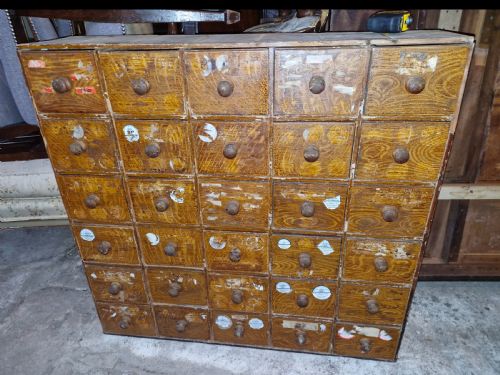
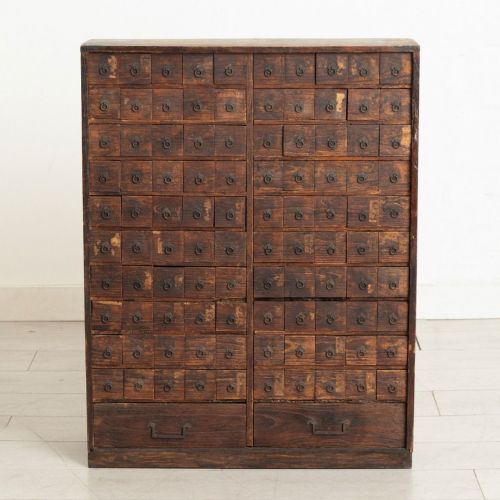
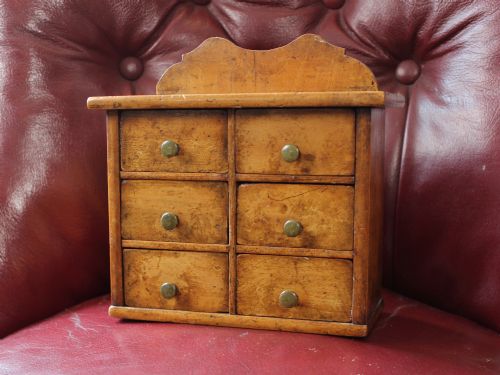
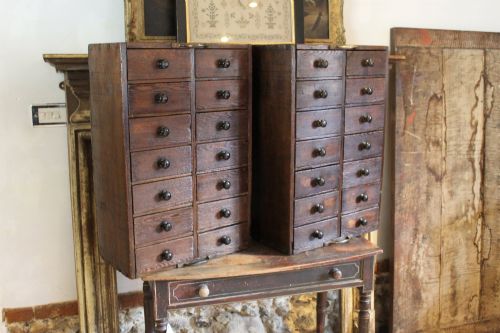
Brown apothecary drawers encompass banks of multi-drawer cabinetry, chemist chests, and storage cabinets originating from varied periods including the Georgian, Victorian, and Edwardian eras. These configurations range from towering workshop units and shop banks to compact table-top spice boxes and collectors chests.
Most examples you encounter combine functional utility with rich timber surfaces, taking the form of tall banks, fitted storage cabinets, or low pharmacy units. They serve diverse purposes, from holding watchmaker components to storing dry goods and medical herbs.
Origins span British workshops, French pharmacies, Japanese makers, and Chinese studios, bringing distinct regional timbers and joinery details to the category. Pine, oak, walnut, and mahogany dominate the structural forms.
What separates the finest examples
Quality rests upon the integrity of the timber selection, the complexity of the drawer arrangement, and the retention of original hardware like brass pulls and label holders. Dense hardwoods such as walnut and figured mahogany indicate a higher tier of production than simpler stained deal or pine.
Execution of the joinery and the consistency of drawer fit determine mechanical success, ensuring smooth operation across twenty or more individual compartments. Original provenance, such as identifiable pharmacy origins or maker attribution, elevates the standing of a piece.
Brown Apothecary Drawers Retail Price Guide 2026
Typical asking prices for brown apothecary drawers among the pieces listed under this phrase on Sellingantiques today, from the lower quarter to the upper quarter. They describe what is for sale here now, not the wider market.
Some spice drawers spent their early years smelling permanently of cloves and nutmeg.
Luxmore of Ilfracombe·D Napier and Sons
The Brown Apothecary Drawers Glossary
- Bank of drawers
- A multi-tiered structure housing numerous small drawers stacked vertically or horizontally. These units were standard fixtures in trade shops and dispensaries.
- Collectors cabinet
- A specialised piece designed to house specimens, coins, or small artefacts within shallow, fitted drawers. They often feature double doors or glass panels protecting the contents.
- Deal
- A British term for softwood timber, typically pine or fir, commonly used for secondary framing or simpler utility furniture. Stained deal mimics more expensive hardwoods.
- Inlay
- The technique of inserting contrasting strips of wood or shell into recessed areas of the primary surface. Late Georgian pieces frequently employ this decorative method.
Brown Apothecary Drawers: Frequently Asked Questions
What were brown apothecary drawers used for originally?
These cabinets served apothecaries, chemists, and merchants as secure storage for herbs, powders, and small trade goods. Each drawer kept specific inventory organised and separated for daily dispensing.
Watchmakers and collectors later adopted similar multi-drawer formats to protect delicate components and small specimens.
How do I date a Victorian apothecary chest?
Examine the secondary woods inside the drawers and the construction style of the dovetails. Machine-cut joints typically point toward later periods, while hand-cut variations suggest earlier manufacture.
Hardware design and the presence of original brass pulls or glass fronts also help narrow down the production decade.
Are these cabinets suitable for modern home storage?
The numerous small compartments make them exceptionally practical for organising office supplies, jewellery, or kitchen herbs. Their shallow drawer depths encourage neat categorization.
Placing them in a hallway, study, or kitchen adds functional surface area while introducing historical warmth to a room.
What is the difference between an apothecary chest and a collectors cabinet?
Apothecary chests generally prioritised utilitarian storage for working pharmacies, featuring numerous uniform drawers for dry goods and liquids. Collectors cabinets focused on displaying or preserving objects of interest, often behind glass doors.
Both share a multi-drawer layout, but their internal fittings and exterior presentation reflect their distinct original purposes.