

Brown Box
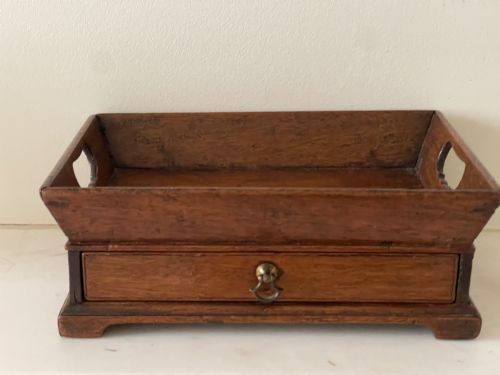
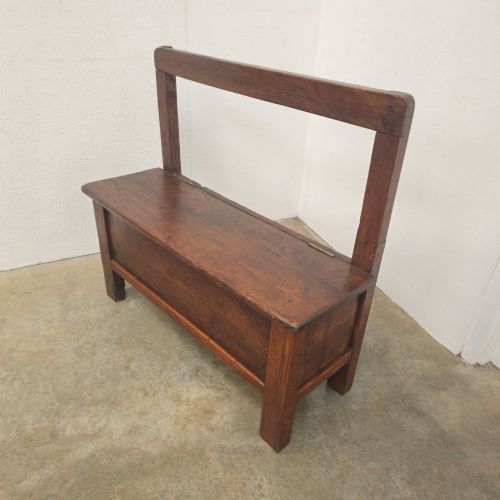
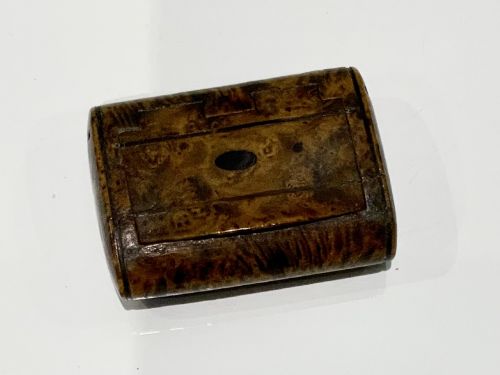
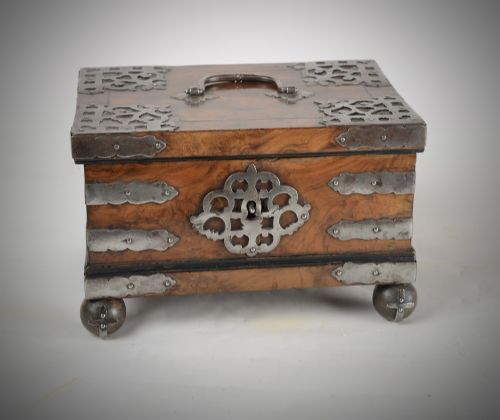
A brown antique box offers solid timber construction and practical storage, spanning tea caddies, coffers, and campaign writing desks.
Brown Box
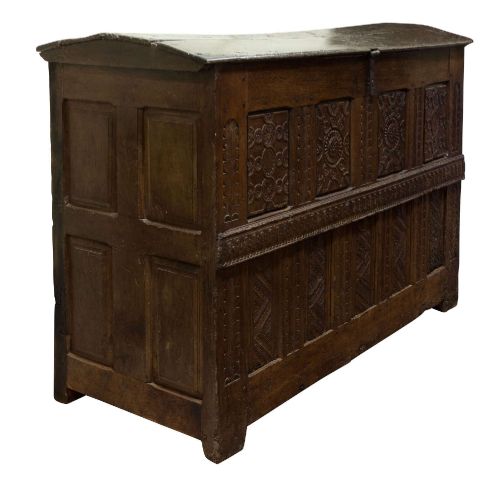
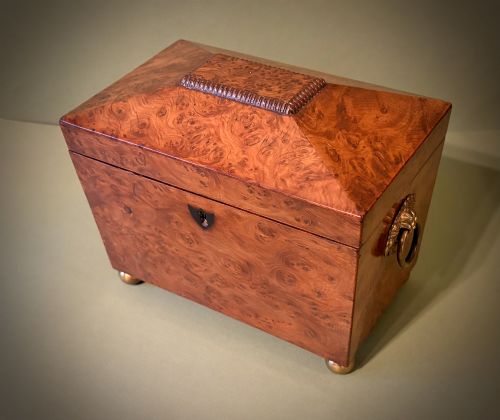
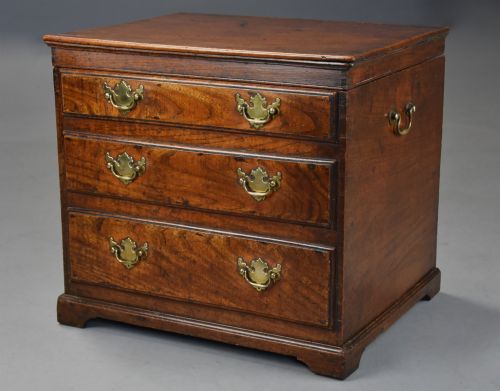
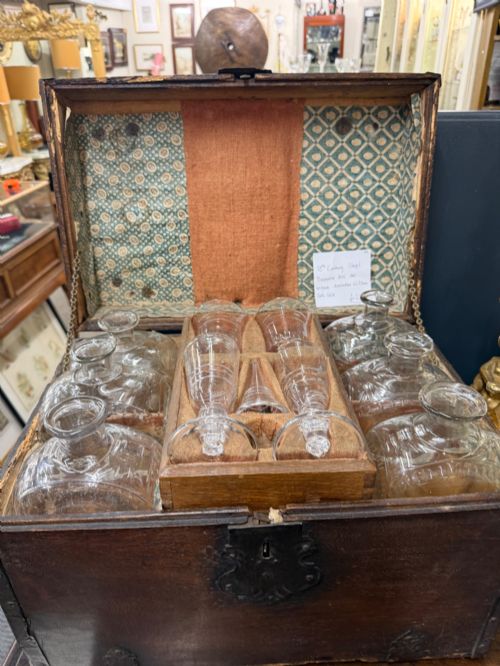
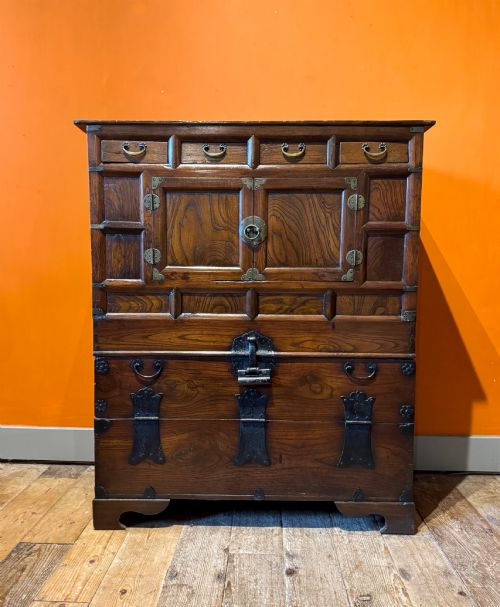
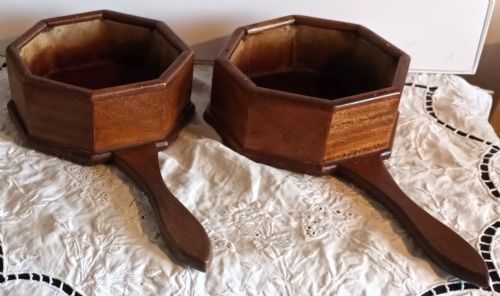
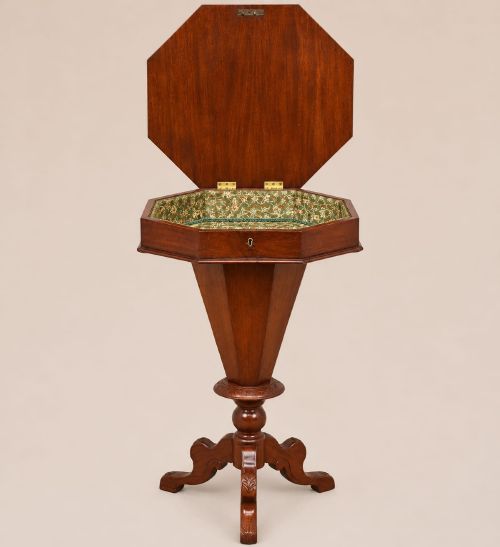
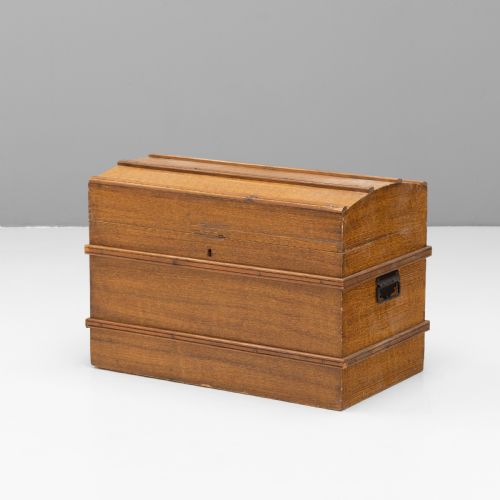
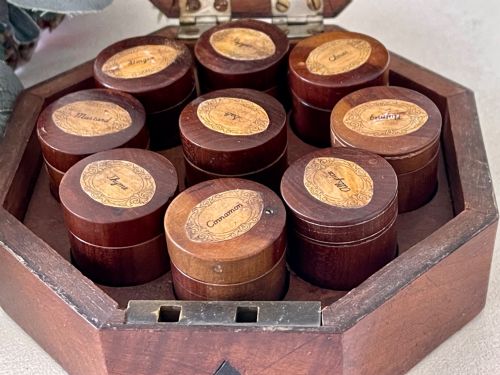
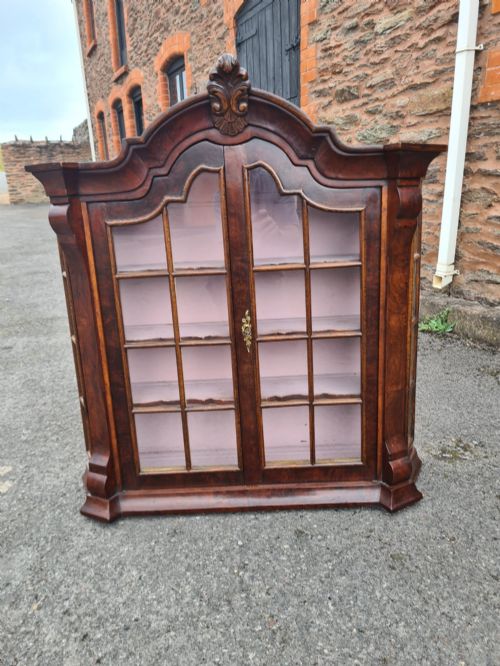
A brown antique box encompasses a wide variety of storage forms, ranging from utilitarian oak coffers and bible boxes to refined Victorian tea caddies and miniature mahogany chests of drawers. Buyers encounter pieces spanning several centuries, with particular strength in 17th-, 18th-, and 19th-century examples shaped by Georgian and Victorian tastes.
The material palette focuses heavily on dark and warm timbers such as oak, mahogany, walnut, and elm, often accented with brass or iron mounts. Form follows function closely, dividing items between domestic containers like spice cupboards and travel pieces like campaign writing boxes.
English country workshop traditions sit alongside French Napoleon III and Anglo-Indian productions, reflecting varied regional joinery methods. Buyers most frequently meet oak blanket boxes and mahogany tea caddies on this page, representing the everyday domestic utility of past centuries.
Materials and Technique
Construction relies on durable hardwoods like oak, mahogany, and walnut, frequently joined through dovetails, panel framing, or pegged mortise and tenon joints. Timber selection dictated the character of each piece, utilising straight-grained mahogany for refined miniature chests or sturdy quarter-sawn oak for early strong boxes.
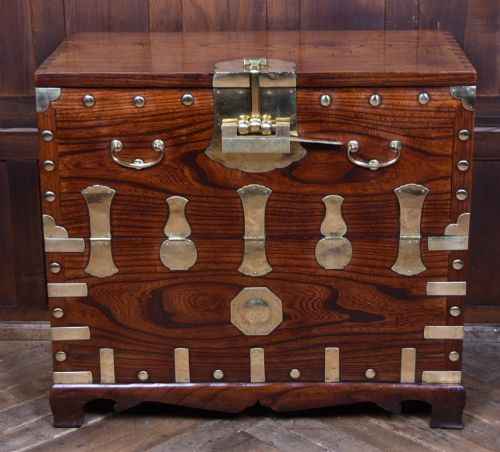
Metal reinforcement through brass corners, iron strapwork, and ormolu mounts provided structural strength for travel and heavy daily use. Surface finishes depended on natural waxes and oils applied to exposed grain, allowing the rich brown tones of walnut, teak, and elm to darken gracefully over time.
Brown Box Retail Price Guide 2026
Typical asking prices for brown box among the pieces listed under this phrase on Sellingantiques today, from the lower quarter to the upper quarter. They describe what is for sale here now, not the wider market.
Listings feature extensive selections of 18th and 19th-century oak and mahogany boxes, spanning functional coffers to decorative tea caddies.
Grading Quality
The division between standard storage pieces and superior examples rests upon the precision of the joinery and the selection of figured timber veneers like burr walnut or kingwood. Refined items display crisp hand-carving, original brass hardware, and intact internal fittings such as mixing bowls or secret compartments.
Proportion and structural integrity distinguish utilitarian containers from master-made apprentice pieces or bespoke campaign desks. Surviving original keys, functioning locks, and minimal timber replacement elevate the standing of any wooden box.
Edwards & Jones
The Brown Box Glossary
- Coffer
- A heavy wooden chest, often constructed from oak with panelled sides, used originally for storing valuables or household goods. These sturdy containers sit low to the ground and frequently date from the 17th or 18th centuries.
- Tea Caddy
- A small container designed to store dry tea leaves securely, often featuring internal compartments and a locking lid. Wealthy households utilised these boxes to protect an expensive commodity.
- Campaign Box
- A portable desk or chest made in sections with brass corners and recessed handles for military officers on the move. Camphor wood and mahogany appear frequently in these travel items.
- Apprentice Piece
- A miniature item of furniture created by a skilled learner to demonstrate proficiency to a trade guild. These small chests of drawers replicate full-scale proportions with exact cabinetmaking techniques.
- Bible Box
- A small sloped or flat-topped desk container used to house religious texts and writing materials. They represent compact 17th-century domestic carpentry.
Brown Box: Frequently Asked Questions
What were antique tea caddies used for?
Tea caddies served to store precious tea leaves safely under lock and key in Georgian and Victorian parlours. Tea was an expensive commodity, so household owners kept the leaves secured away from domestic staff.
Many examples feature internal lidded canisters and mixing bowls where different varieties of tea were blended before serving.
How do I date an old wooden box?
Dating relies upon examining construction methods, timber species, and fastening types such as handmade nails or brass screws. Early 17th-century pieces display pegged joints and heavy oak panels, whilst later Victorian versions utilise machine-sawn timber and factory-cast hardware.
Secondary woods inside drawers and the style of the keyhole escutcheon also offer clear chronological clues.
Where were campaign boxes used?
Campaign boxes travelled with British military officers across the globe during colonial campaigns. Their construction utilised durable timbers like camphor wood to resist insects and humidity.
Recessed brass handles and reinforced corners allowed these desks and chests to withstand rough transport on horseback or ship.