


Bronze Glass Lamps
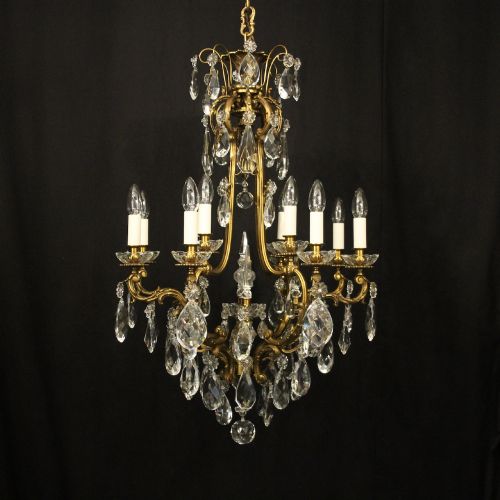
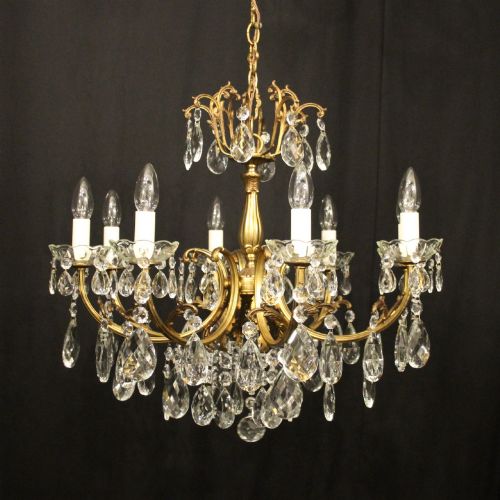
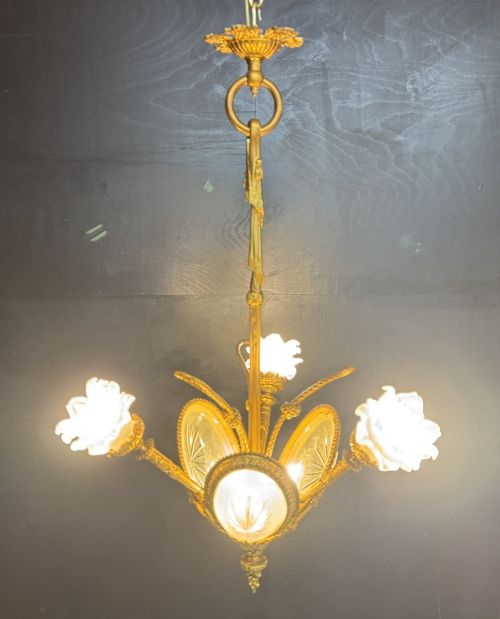
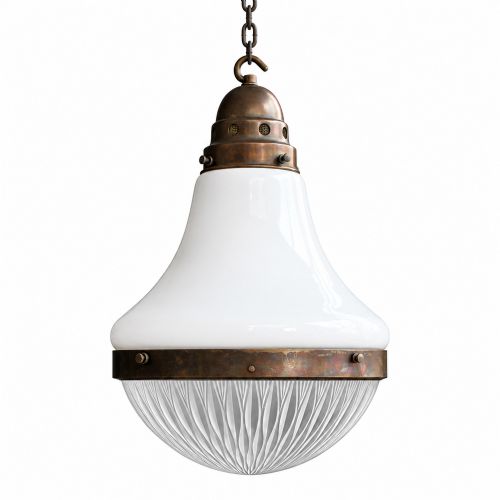
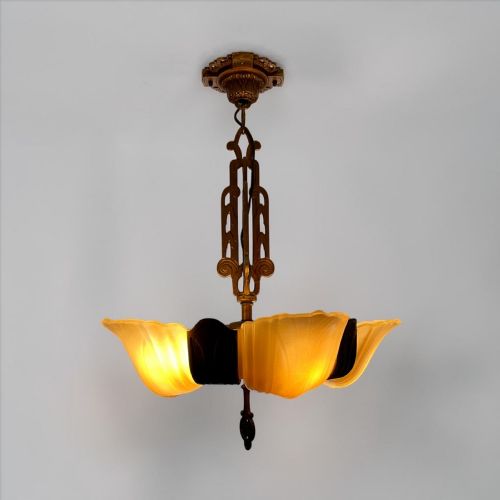
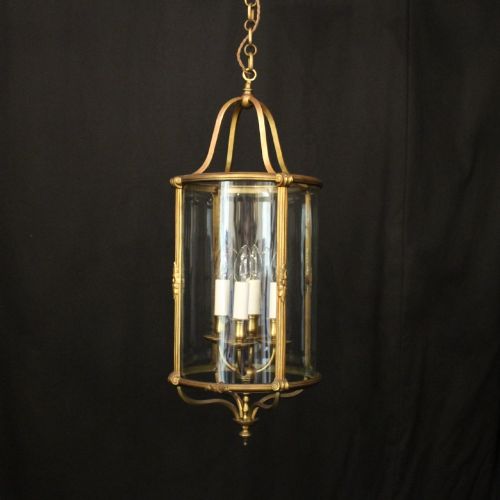
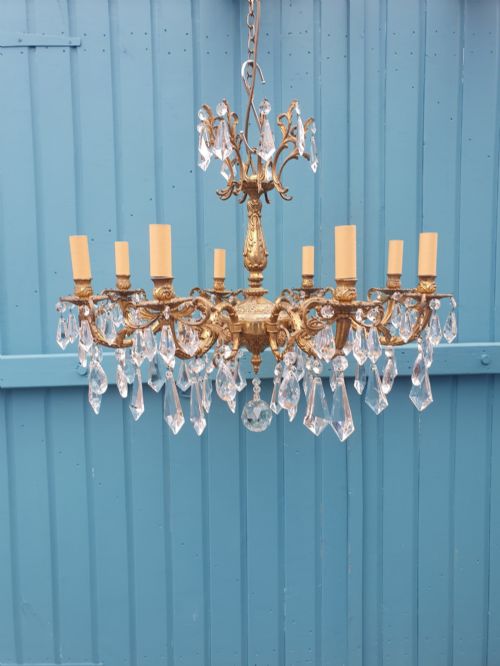
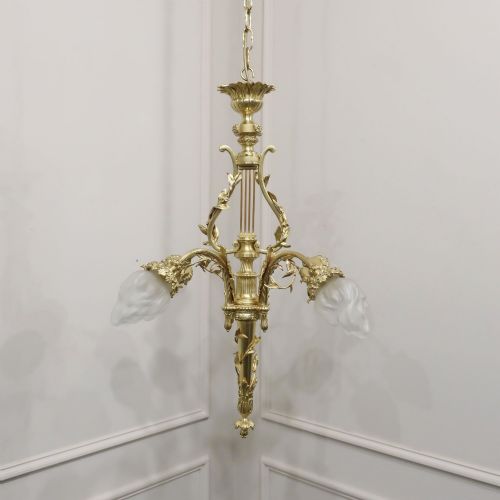
These bronze glass lamps bring together cast metal and luminous glass across periods spanning the nineteenth century to the art deco era.
Bronze Glass Lamps
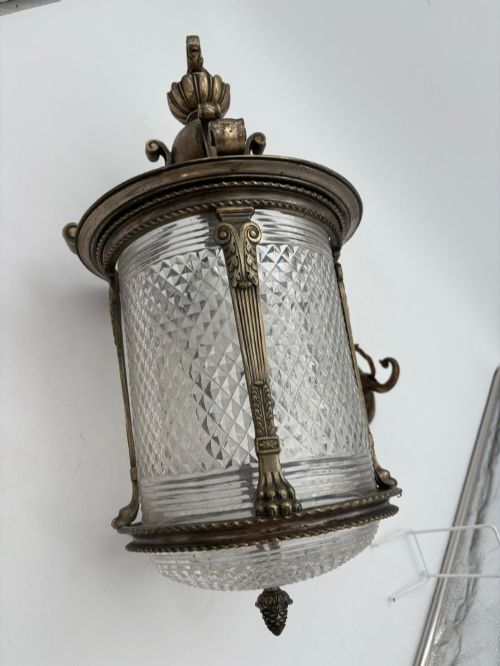
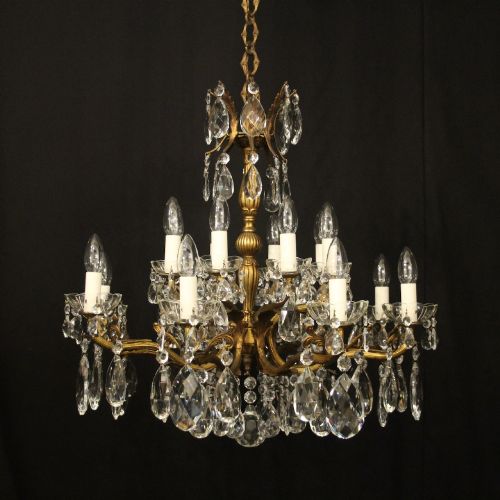
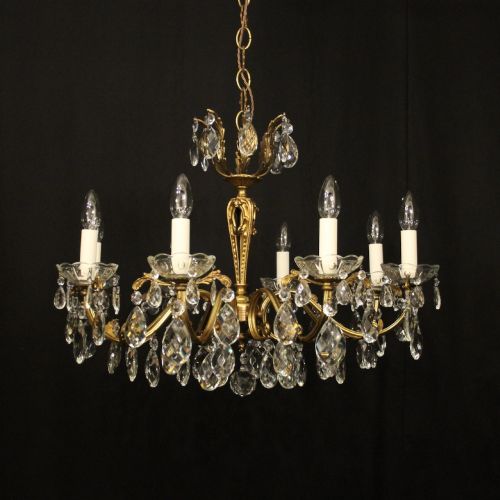
When searching for bronze glass lamps, buyers encounter a diverse selection of lighting fixtures that combine metalwork and glass elements. These pieces range from table lamps and oil lamps to hanging lanterns, chandeliers, and wall lights spanning multiple historical periods.
Originating predominantly from nineteenth-century workshops and early twentieth-century French and English makers, the selection heavily reflects art nouveau, art deco, and neoclassical stylistic influences.
How they were made
The construction relies on the pairing of cast bronze, brass, or gilt metal frames with various forms of glass, including cut crystal, frosted glass, and opaline panels. Metal components are cast, chased, and frequently gilded or patinated to achieve distinct surface finishes.
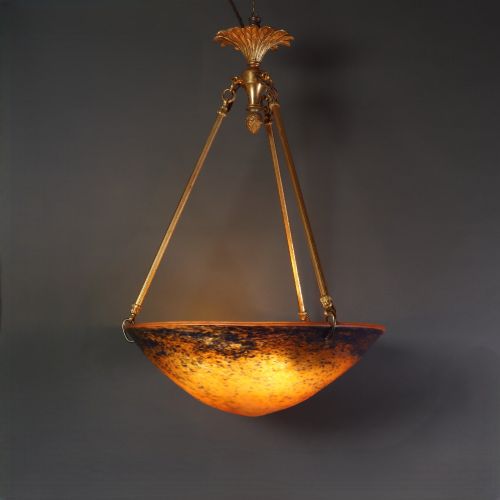
Glass elements are blown, moulded, or cut to fit specific frames, such as slip shades, prismatic drops, or heavy bowls for ceiling fixtures. Structural joins utilise traditional mechanical fasteners, pins, and sockets designed to support the weight of the metal and glass assembly.
Bronze Glass Lamps Retail Price Guide 2026
Typical asking prices for bronze glass lamps among the pieces listed under this phrase on Sellingantiques today, from the lower quarter to the upper quarter. They describe what is for sale here now, not the wider market.
Flying cherubs and novelty dogs share the inventory with neoclassical torches.
What varies in quality
The standard of a piece is determined by the crispness of the metal casting and the depth of the chasing on bronze and ormolu mounts. Finer examples display sharp anatomical details on figural components and carefully finished patination.
Glass quality distinguishes higher-tier items through the clarity of cut crystal, the absence of modern replacement panels, and the integration of specialised moulding techniques seen in signed art deco shades or opaline reservoirs.
Charles Schneider·Degué·Georges Leleu·F&C Osler·Emile Picault·Joseph Hinks·Perry & Co
The Bronze Glass Lamps Glossary
- Plafonnier
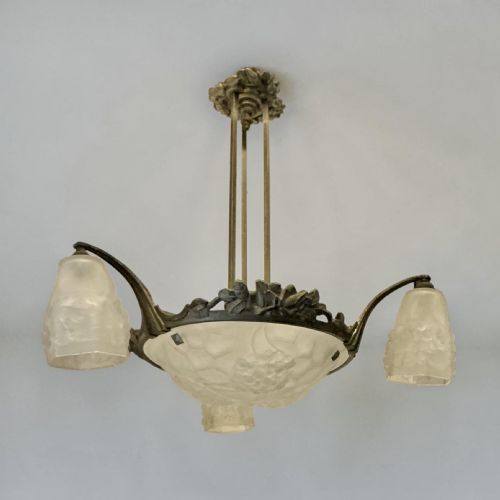
- A shallow bowl-shaped ceiling light mounted close to the ceiling. These fixtures often feature moulded art deco glass held by metal mounts.
- Ormolu
- Gilt bronze produced by applying a mercury and gold amalgam to a bronze object. This technique creates a durable golden finish typical of neoclassical and empire designs.
- Opaline glass
- An opaque, slightly translucent glass developed in nineteenth-century Europe. It is frequently tinted in pastel colours and utilised for oil lamp fonts and pendant shades.
- Spelter
- A zinc-based alloy frequently used as a cost-effective substitute for bronze in decorative figures and lamp bases. It takes patination well to simulate heavier metal.
- Slip shade
- A moulded piece of glass that slides into a metal frame to form the body of a fixture. These shades are characteristic of american and european art deco lighting.
Bronze Glass Lamps: Frequently Asked Questions
How do I identify an art deco lamp?
Art deco lamps are characterised by geometric forms, stylised figures, and stylised floral motifs typical of the 1920s and 1930s. They frequently incorporate slip shades, chrome or gilt bronze frames, and moulded glass panels.
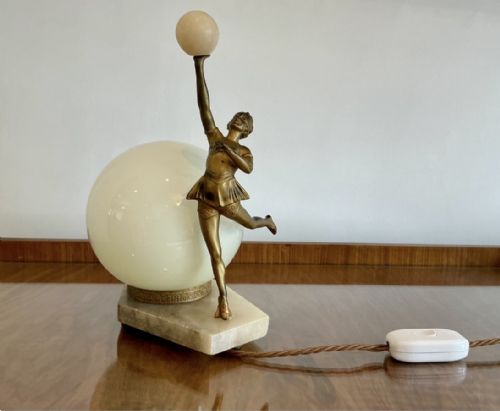
Makers from this period often integrated novelty animal subjects or human figures directly into the lamp base or stem construction.
Are these lamps wired for modern use?
Many antique fixtures retain older internal wiring or require professional rewiring to meet contemporary safety standards. Buyers should inspect the bulb holders and internal channels upon acquisition.
Rewiring allows these pieces to be safely integrated into modern domestic electrical circuits without altering the exterior metal and glass components.
What is the difference between bronze and brass?
Bronze is an alloy primarily composed of copper and tin, valued for its durability and ability to hold fine detail when cast. Brass is an alloy of copper and zinc, generally possessing a brighter yellow tone.
Both metals appear extensively across these listings, often finished with gilt layers or dark patination.
How should I clean crystal drops on a chandelier?
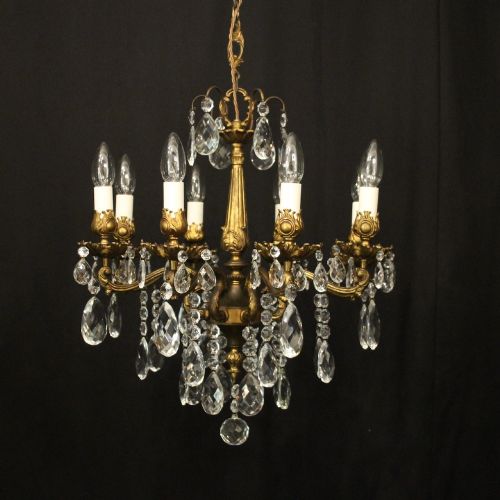
Crystal elements should be cleaned gently using a mild solution of warm water and a gentle detergent while attached to the frame, or removed individually for washing. Avoid harsh chemical cleaners that can damage the surrounding metal gilt or bronze surfaces.
Soft cloths prevent scratching the cut glass surfaces during routine maintenance.