

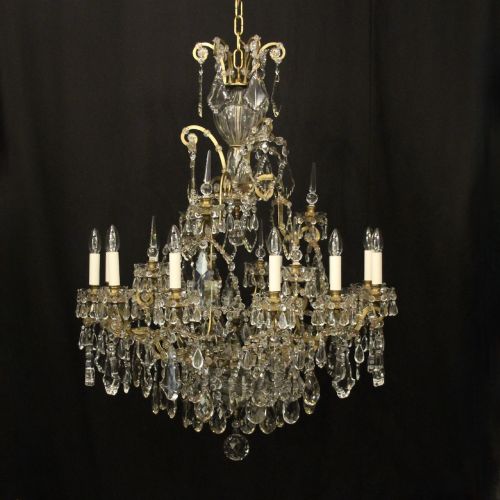
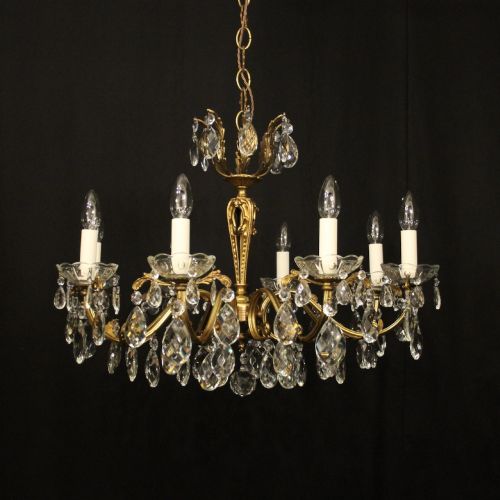
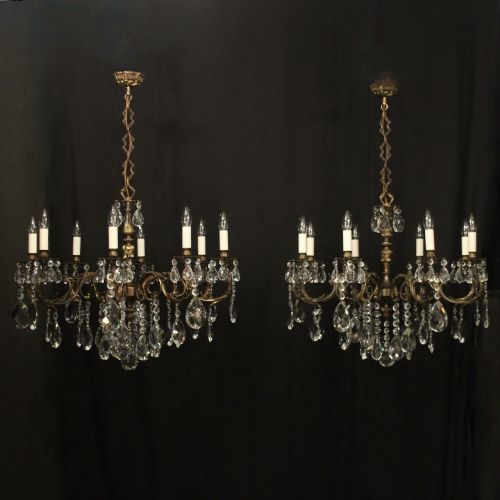
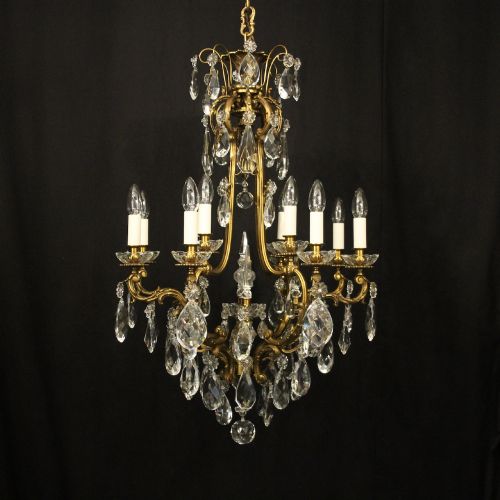
Bronze Glass Chandelier
A bronze glass chandelier brings weight and refractive sparkle to a room, drawing the eye upward with historic French grandeur.
Bronze Glass Chandelier
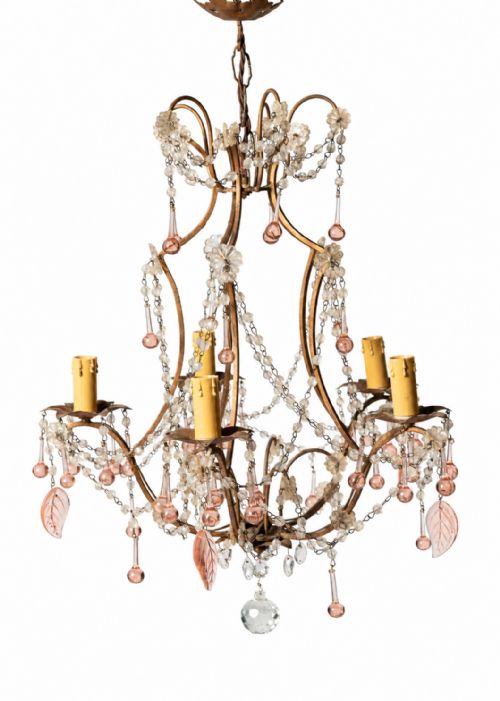
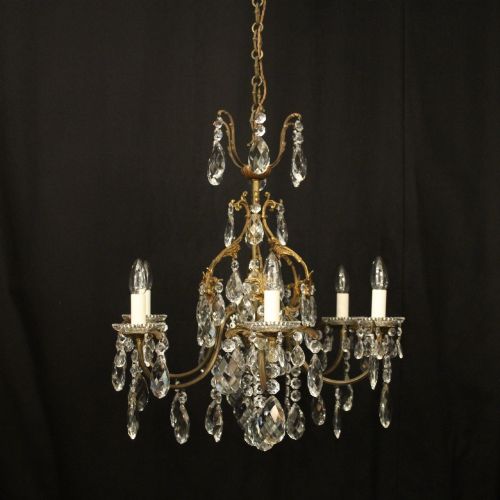
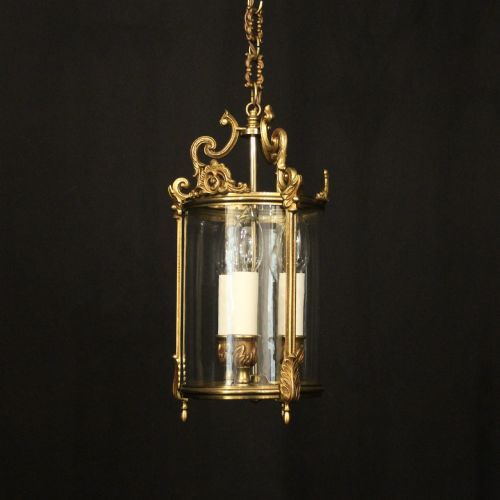
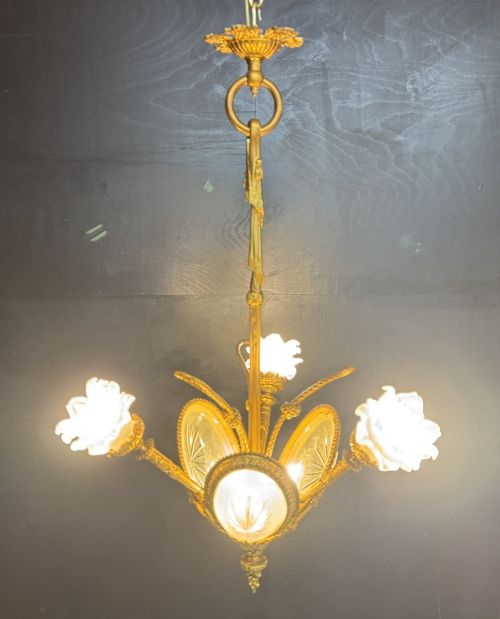
A bronze glass chandelier unites metal framework with glass or crystal elements to illuminate interior spaces. When you search for a bronze glass chandelier, you encounter pieces that range from elaborate multi-armed fixtures to simpler hall lanterns and ceiling lights.
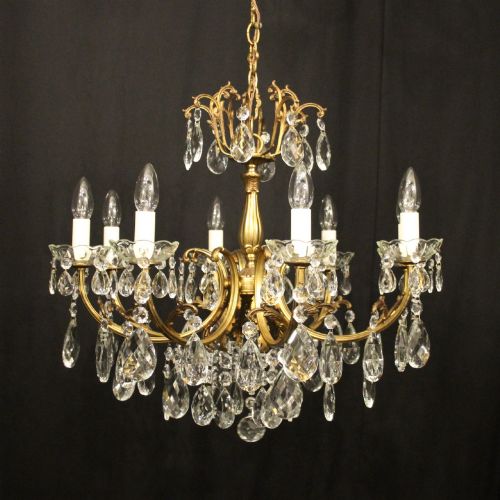
The selections span distinct periods, drawing heavily from nineteenth century designs, Edwardian aesthetics, and nineteen-twenties productions. French origins dominate the selection, heavily leaning into styles such as French Rococo, Empire, Neoclassical, and Louis Revival.
Materials and construction
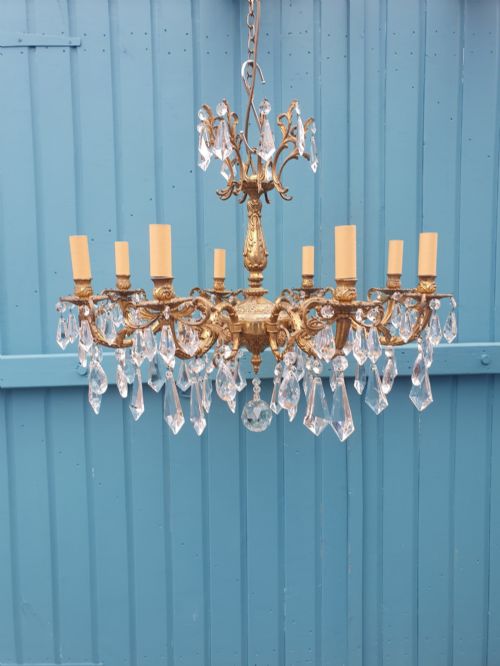
Makers utilised cast bronze, brass, and gilt metals to build the structural armatures and decorative mounts of these light fixtures. These metallic components provide the necessary physical support for large groupings of candle-holders or electric lights.
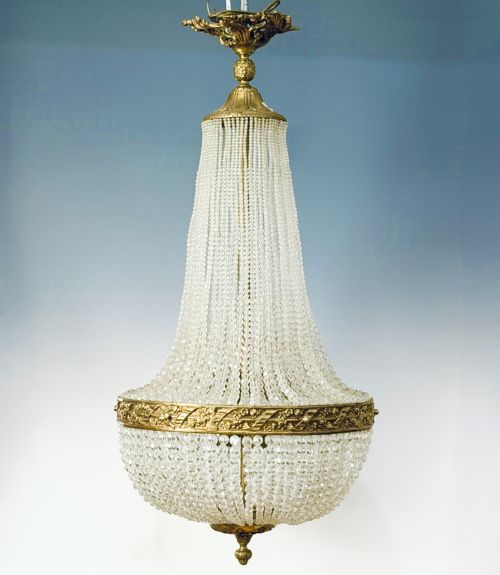
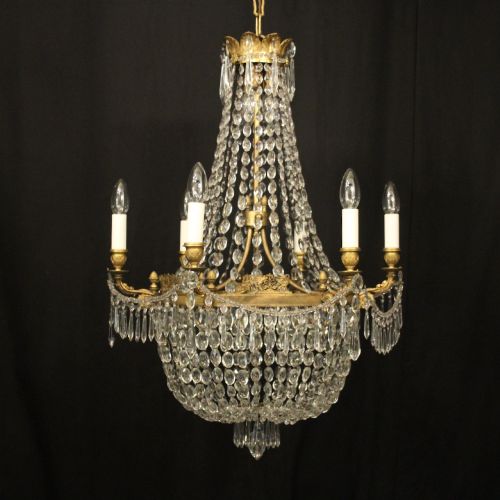
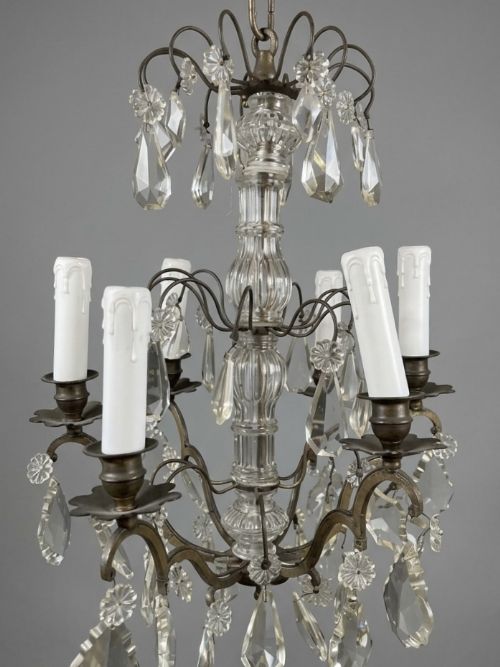
Glass and crystal components, including cut crystal drops and tent and waterfall configurations, are suspended from the metal frames. The combination of reflective metallic finishes and faceted glass creates complex patterns of light diffusion.
Bronze Glass Chandelier Retail Price Guide 2026
Typical asking prices for bronze glass chandelier among the pieces listed under this phrase on Sellingantiques today, from the lower quarter to the upper quarter. They describe what is for sale here now, not the wider market.
Some hall lanterns were once lit by actual candles before modern wiring arrived to illuminate their convex glass panes.
Assessing quality in antique lighting
Quality rests in the crispness of the bronze casting and the precision of the gilt or ormolu surface finishing. Finer pieces display sharply defined chased ornamentation and substantial metal weight rather than shallow detailing.
The clarity and cutting of the glass or crystal drops distinguish finer examples from standard production. Intricate configurations involving tent and waterfall arrangements demand superior glass-cutting and meticulous assembly to achieve harmony.
Degué
The Bronze Glass Chandelier Glossary
- Gilt Bronze
- Bronze metal treated with a thin layer of gold or gold paint. This finish provides a luminous, durable surface that resists tarnishing.
- Cut Crystal
- Glass containing lead oxide that is mechanically faceted to increase light refraction. The cutting process produces sharp edges that scatter light into prismatic colours.
- Tent And Waterfall
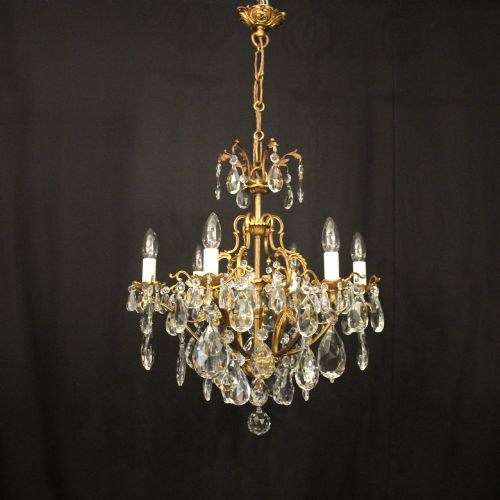
- A chandelier arrangement where upper strings of beads form a tent shape above a cascading array of crystal drops. This style directs visual interest downward toward the arms.
- Hall Lantern
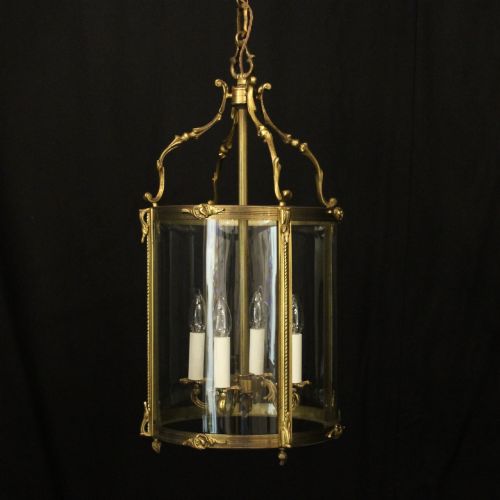
- A closed or glazed hanging light fixture traditionally placed in entrance halls or corridors. These fixtures often feature convex glass panes mounted within bronze or brass frames.
- Ormolu
- A metallic technique involving the application of finely ground high-carat gold to a bronze object. It yields a rich, warm golden appearance characteristic of fine French pieces.
Bronze Glass Chandelier: Frequently Asked Questions
What is a bronze glass chandelier?
A bronze glass chandelier is a hanging light fixture that combines a metal frame made of bronze or related alloys with glass or crystal decorative elements. These pieces suspend from ceilings to illuminate rooms using multiple light branches or candles.
Such fixtures originate frequently from French design traditions spanning the nineteenth and early twentieth centuries. They incorporate decorative glass drops, beads, and panes to disperse light effectively.
How do I date a bronze glass chandelier?
Dating relies on examining stylistic indicators, mounting techniques, and materials relative to known historical periods. Pieces from the nineteenth century often display heavier cast components and hand-cut crystal formations.
Later Edwardian and nineteen-twenties examples might reflect Art Deco influences or specific revival styles like Louis XV. Comparing the wiring methods, if original, and the specific casting quality helps narrow down the decade.
Where should I hang a hall lantern?
Hall lanterns suit entranceways, stairwells, and narrow corridors where overhead lighting is necessary without taking up horizontal space. Their enclosed or semi-enclosed frames protect the light source while casting illumination across passage walls.
Selecting a lantern size proportional to the ceiling height and floor area ensures proper visual balance. Hanging the fixture high enough to clear foot traffic while remaining a focal point is standard practice.
How do I clean an antique chandelier?
Cleaning requires gentle dusting of the metal frame and individual glass components using soft cloths. Avoid harsh chemical cleaners that can strip gilt finishes or damage fragile crystal mountings.
Many collectors clean intricate crystal drops in place with a specialised spray and a catch basin underneath. Ensuring the electricity is completely disconnected before maintenance begins is essential for safety.