

Bronze and Ormolu
Bronze and ormolu pieces bring the weight of cast metal together with the bright gleam of gold leaf, offering interiors a distinct nineteenth-century French polish.
Bronze and Ormolu
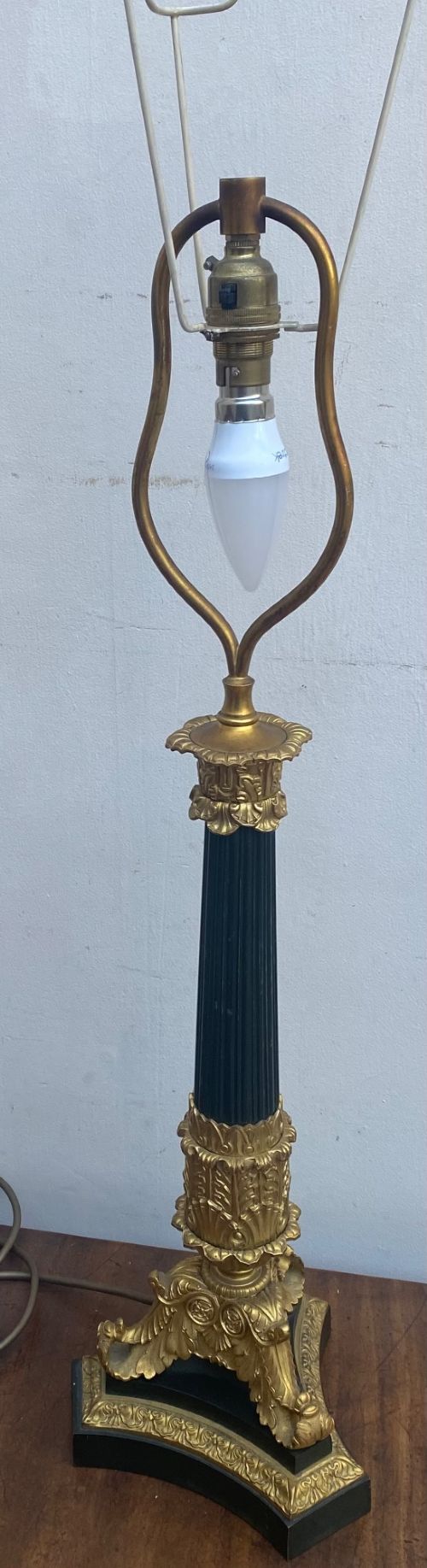
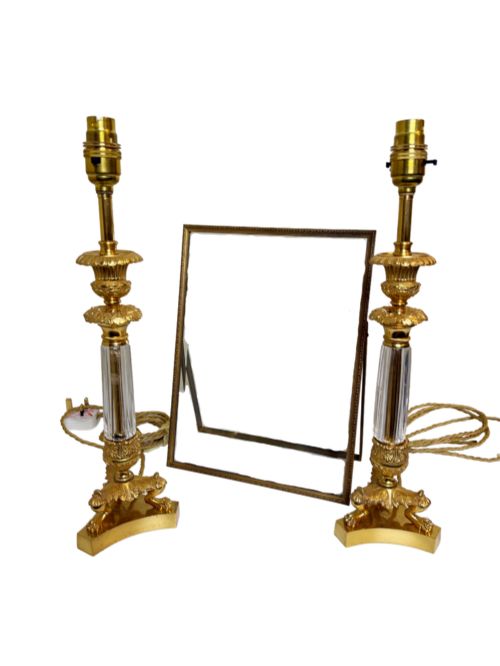
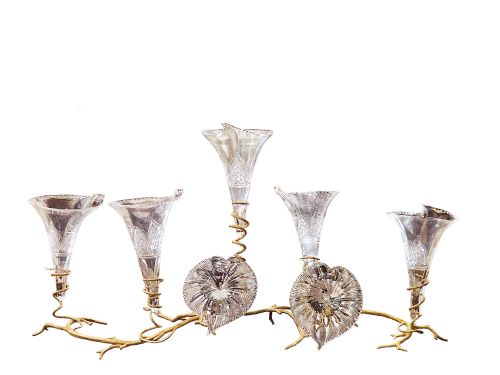
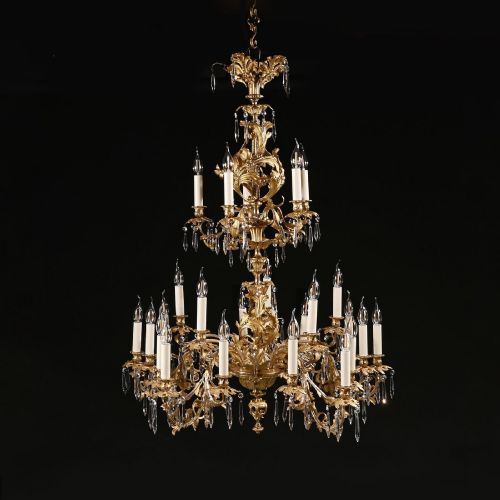
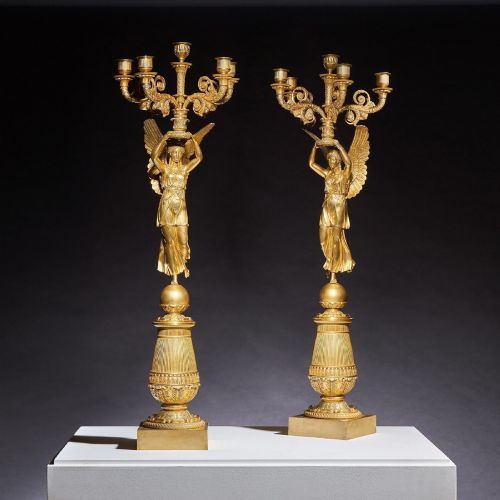
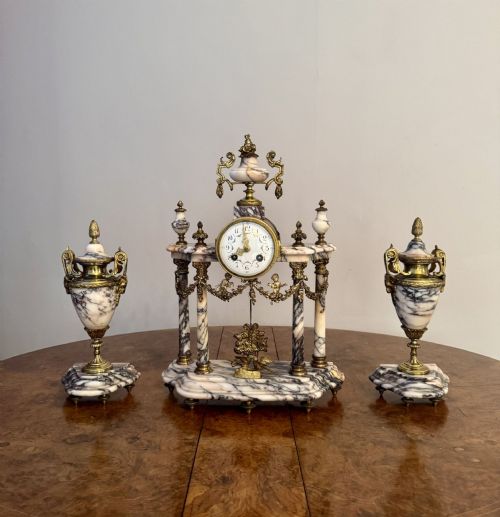
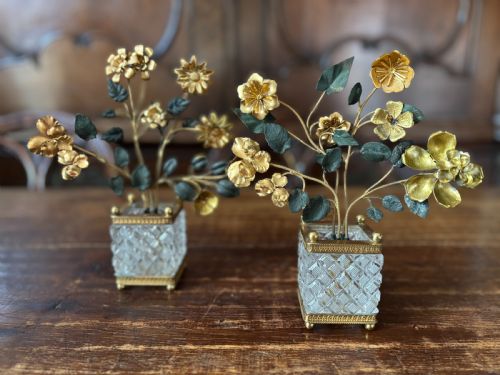
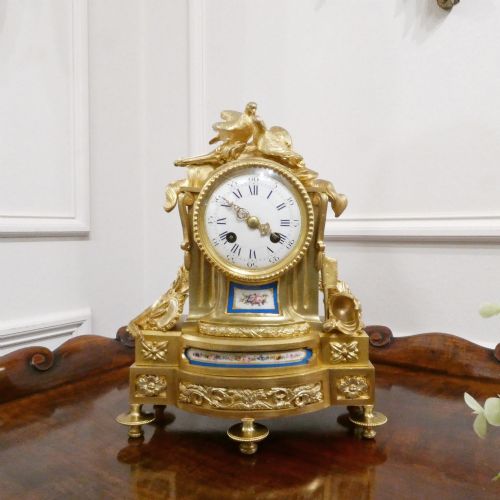
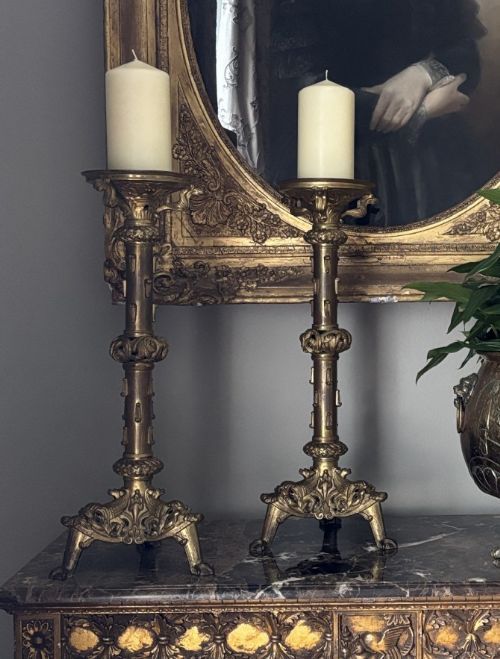
When searching for bronze and ormolu, buyers encounter decorative furnishings cast from metal and finished with mercury gilding or modern electroplating. The objects range from large architectural chandeliers and wall lights to small mantel clocks, candlesticks, and fire screens.
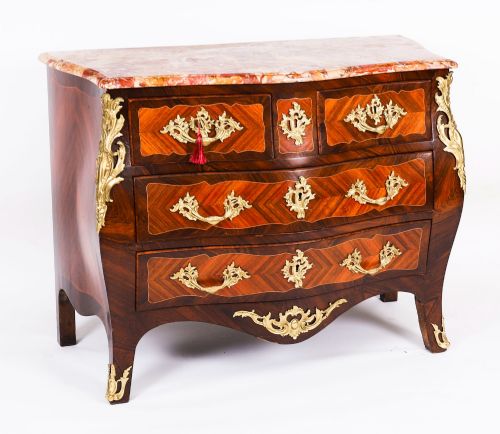
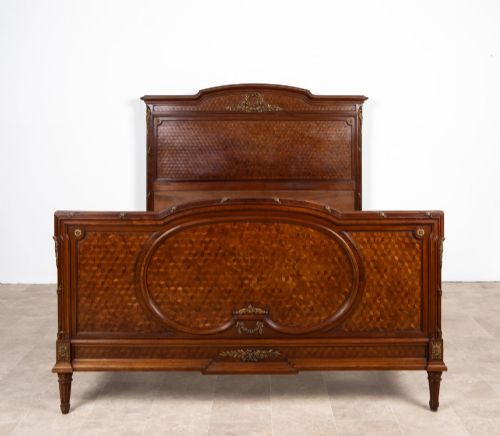
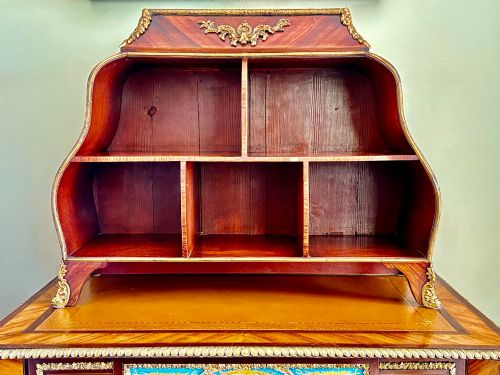
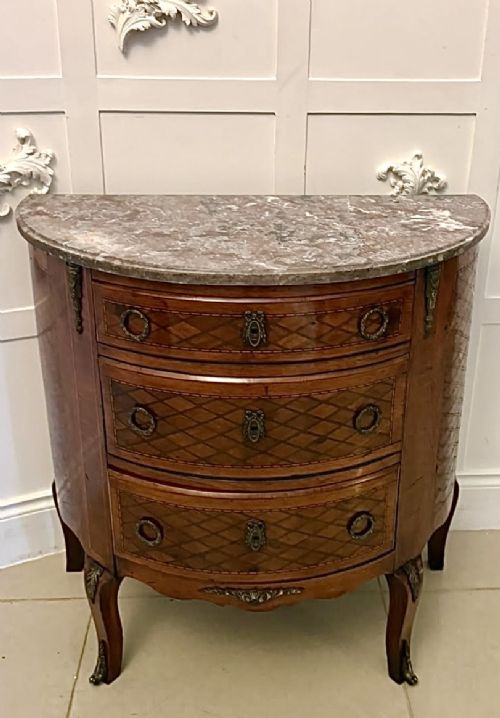
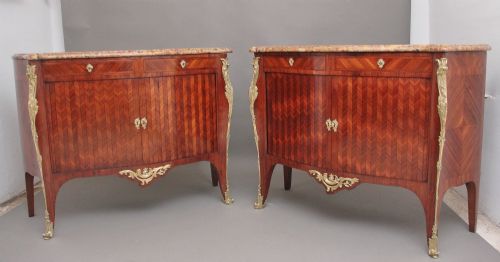
The material appears frequently on nineteenth-century French furniture, mounted to the corners and legs of kingwood and mahogany writing desks, cabinets, and vitrines. These mounts give structural definition and visual rhythm to domestic surfaces.
Most examples hail from the nineteenth century, reflecting the enthusiasm for Louis XV, Louis XVI, and Empire revivals. Makers combined the dark tones of cast bronze with bright gilded highlights to create layered focal points in parlours and drawing rooms.
How they were made
Craftsmen shaped these items by casting molten bronze into detailed moulds, often using the lost-wax method for intricate figural elements like putti or floral reliefs. Once cast, the metal components underwent extensive chiselling and filing to sharpen the surface details before gilding.
Ormolu application involved brushing a mixture of gold and mercury onto the bronze base, then heating the piece to vaporise the mercury and bond the gold layer to the metal. This traditional fire-gilding technique produced a durable, deep lustre that differed from later electroplated finishes.
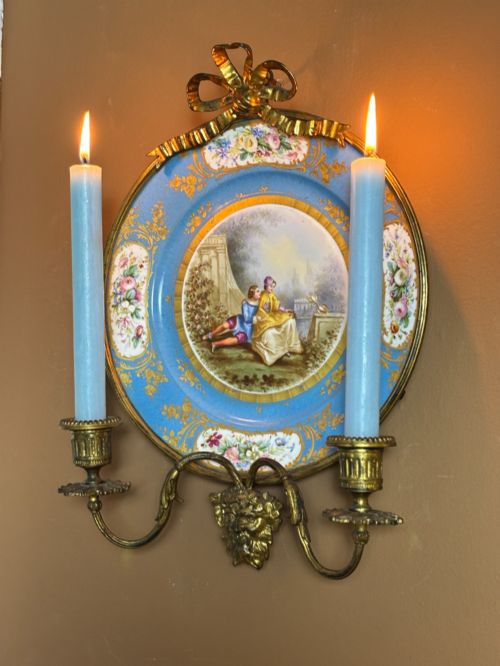
Many of these pieces incorporate secondary materials such as Carrara marble, porcelain plaques, or exotic woods like kingwood and rosewood. The bronze and ormolu mounts were secured with small pins or screws, accentuating the junction where timber meets metal.
Bronze and Ormolu Retail Price Guide 2026
Typical asking prices for bronze and ormolu among the pieces listed under this phrase on Sellingantiques today, from the lower quarter to the upper quarter. They describe what is for sale here now, not the wider market.
Keep an eye out for diminutive bronze horses standing guard inside rosewood frames, ready to gallop across the mantelpiece.
What varies in quality
The depth and coverage of the gilding dictate the overall visual success of an item. A rich, even gold layer reflects light cleanly across the room, while thin or uneven plating reveals the dull base metal underneath.
Construction standards within the supporting cabinetry or armature determine longevity. Heavy marble tops and thick crystal drops require robust internal framing to prevent sagging and ensure proper alignment of the decorative mounts.
Bouhon Frères·François Linke
The Bronze and Ormolu Glossary
- Ormolu
- A gold-coloured alloy or the technique of applying finely ground gold amalgamated with mercury to a bronze object. This historic process creates a warm, enduring shine that resists tarnish.
- Gilt bronze
- Bronze that has been coated with a layer of gold through fire gilding or electroplating. It provides the same rich appearance as solid gold while utilising a stronger base metal.
- Cartonnier
- A decorative cabinet designed specifically for holding papers, letters, and documents. These pieces often feature elaborate ormolu mounts and leather-lined pull-out trays.
- Jardinière
- A ornamental stand or container used to hold indoor plants and floral arrangements. They frequently incorporate porcelain plaques and ormolu frames to complement botanical displays.
- Appliqué
- A decorative wall-mounted bracket designed to hold candles or electric bulbs, commonly known as a wall light. These fixtures project light outward into the space using reflective metal surfaces.
Bronze and Ormolu: Frequently Asked Questions
What is ormolu?
Ormolu refers to gilded bronze, created by applying a gold-and-mercury amalgam to cast bronze before heating it to burn off the mercury. This leaves a permanent layer of gold bonded to the metal surface.
Historians and collectors use the term interchangeably with gilt bronze, particularly when describing decorative mounts on nineteenth-century French furniture and clocks.
How do I clean ormolu?
Cleaning ormolu requires only a soft, dry cloth to remove dust and airborne particles. Moisture and chemical cleaning agents can strip away thin gilding or damage the underlying bronze.
Professional conservation is recommended for pieces showing heavy tarnish or oxidation, as aggressive scrubbing will permanently ruin the historic surface finish.
Are these pieces French?
A large proportion of these items originate from French workshops, particularly in Paris, during the nineteenth century. Makers drew inspiration from earlier royal styles such as Louis XV and the French Empire.
Other European nations and British makers also adopted these French revival designs, producing similar gilt metal mounts and decorative hardware.
How do I date these items?
Dating relies on examining the casting techniques, mounting styles, and secondary materials such as timber types and porcelain plaques. Nineteenth-century pieces often display machine-cut screws or specific revival motifs.
Comparing the object's form against known exhibition pieces and manufacturer catalogues helps narrow down the decade of production.