


Bronze and Glass Fixture
These bronze and glass fixture options illuminate period interiors through grand chandeliers and hanging lanterns.
Bronze and Glass Fixture
When searching for a bronze and glass fixture, a buyer examines illumination hardware designed for ceilings, halls, and principal rooms. These pieces encompass grand multi-light chandeliers and enclosed hanging lanterns.
The selections encountered most frequently on this page originate from the nineteenth and early twentieth centuries, spanning Victorian, Edwardian, and Art Deco periods. French designs strongly dominate the grouping, alongside specific variations like tent and waterfall configurations.
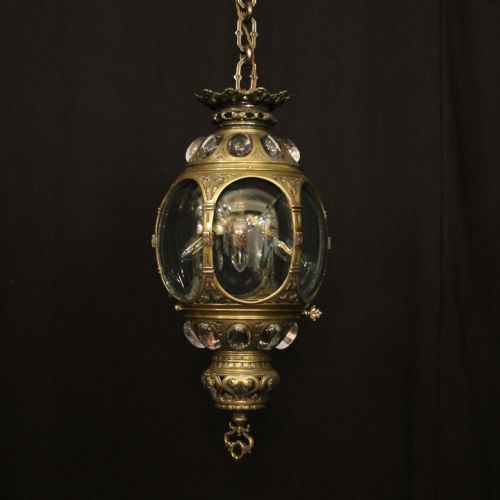
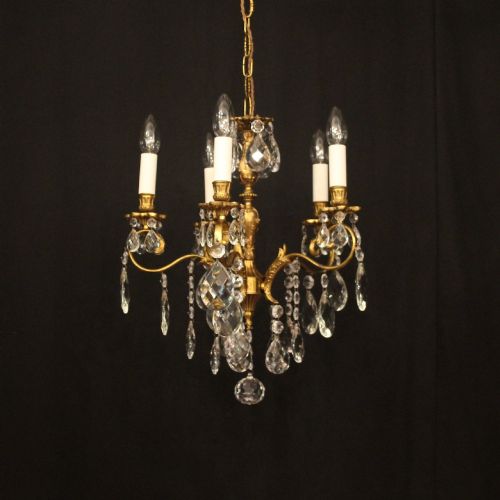
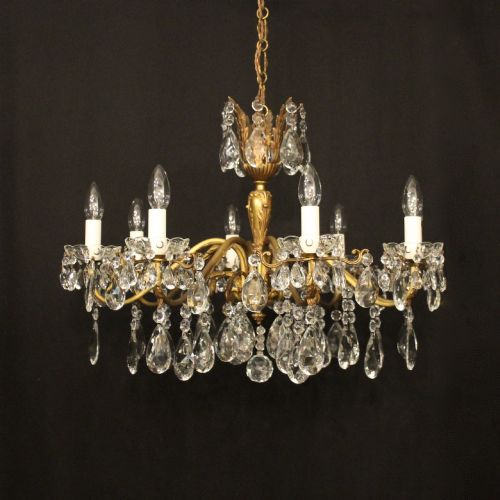
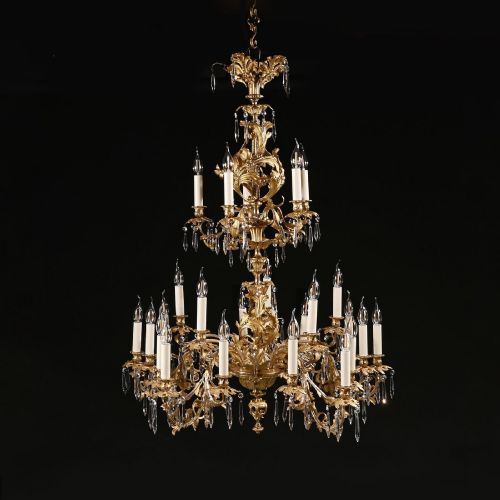
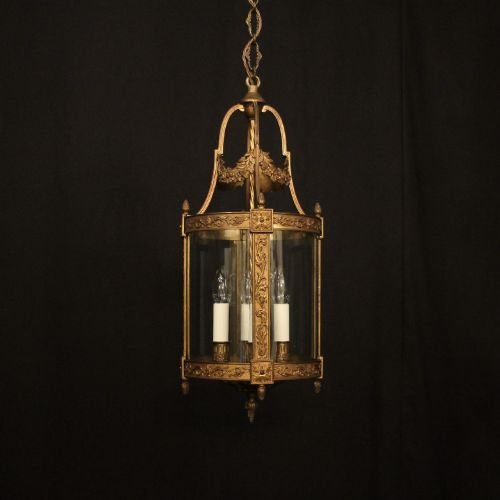
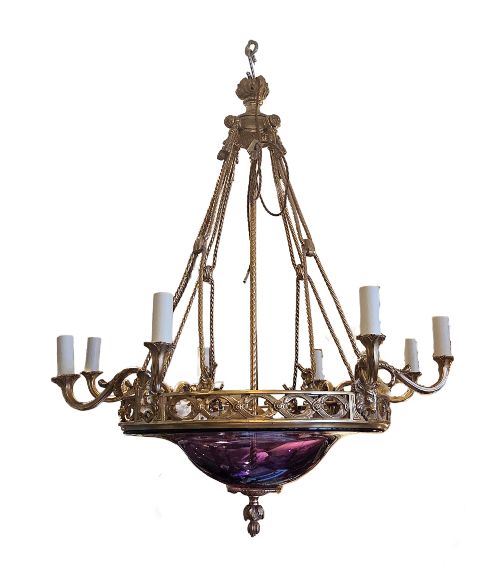
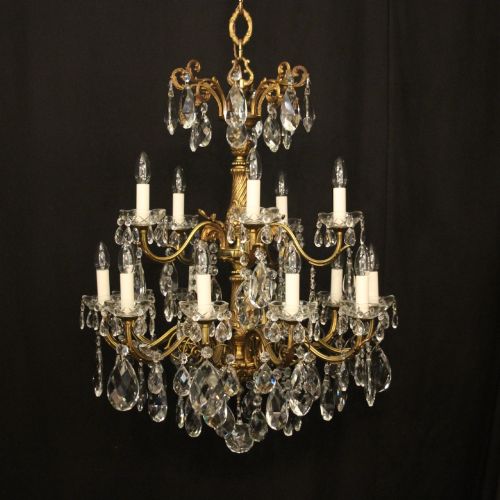
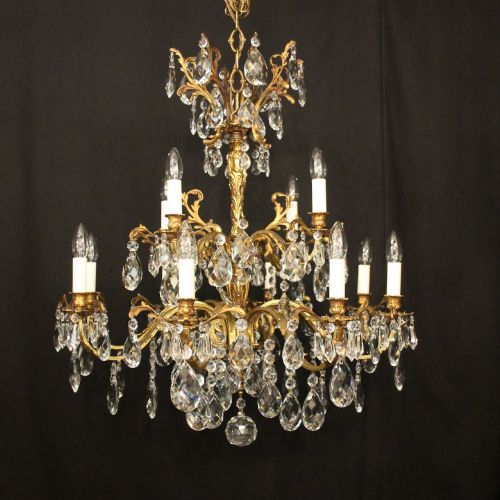
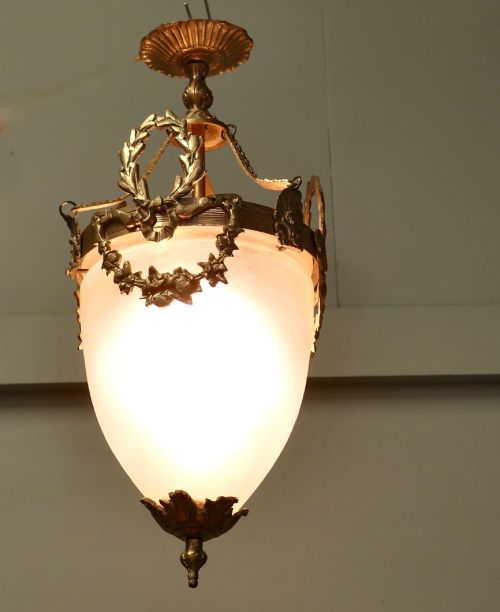
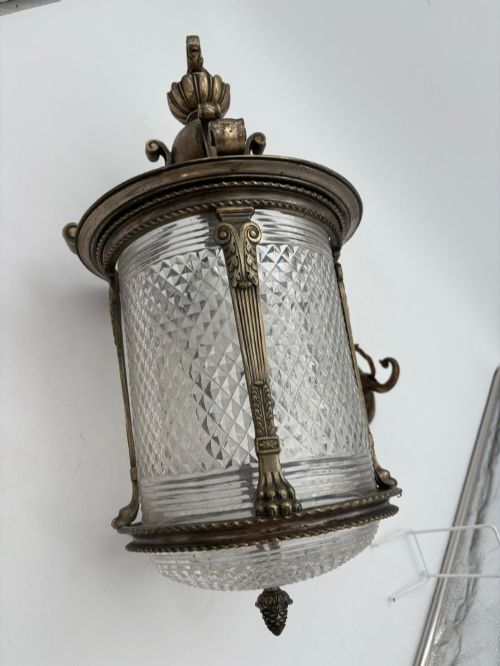
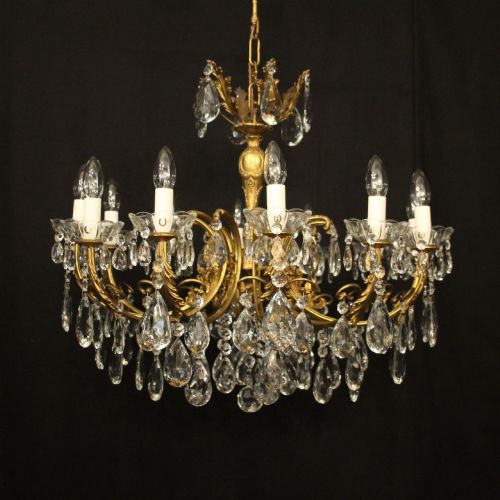
Object forms range from six-light and twelve-light chandeliers to single-bulb pendant lights and convex hall lanterns. Many incorporate decorative metalwork such as gilt bronze, ormolu, and spelter frames.
How they were made
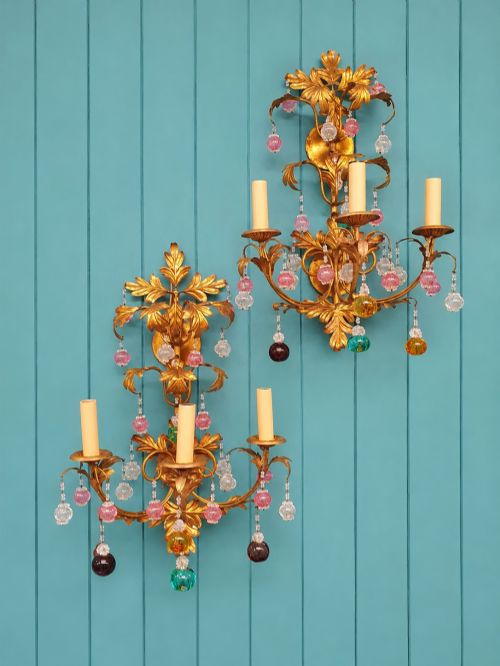
Maker workshops constructed the primary structural frameworks using cast bronze, brass, and gilt metal, shaping them into elaborate arms, lyres, and ceiling mounts. Artisans then integrated glass components, utilising cut crystal, moulded shades, and amber or mauve glass fruits.
The assembly combines metal casting techniques with precision glass cutting and drop-hanging methods. Frameworks often received surface gilding or silver gilding to enhance the reflective quality of the bronze and brass structures.
Bronze and Glass Fixture Retail Price Guide 2026
Typical asking prices for bronze and glass fixture among the pieces listed under this phrase on Sellingantiques today, from the lower quarter to the upper quarter. They describe what is for sale here now, not the wider market.
An antique gilt spelter flying cherub holds two cut glass crystal spike chandeliers aloft, guarding the hall with permanent celestial enthusiasm.
What varies in quality
Quality differences emerge through the precision of the bronze casting and the depth of the gilding applied to the metal frames. Finer examples display crisp leaf decoration, well-defined cherub figures, and heavy chased mounts rather than simplified castings.
The integration and cutting of the crystal elements also distinguish the tier of the piece. Superior fixtures utilise heavily cut crystal drops and polished glass components that refract light sharply, supported by robust structural armatures.
Charles Schneider·Degué·F and C Osler
The Bronze and Glass Fixture Glossary
- Plafonnier
- A ceiling light fixture mounted flush or very close to the ceiling surface. These often feature decorative glass bowls or moulded shades housed in metal frames.
- Ormolu
- A technique of applying finely ground high-carat gold to a bronze object using a mercury amalgamation process. The method produces a rich, durable golden finish on period metalwork.
- Tent and waterfall
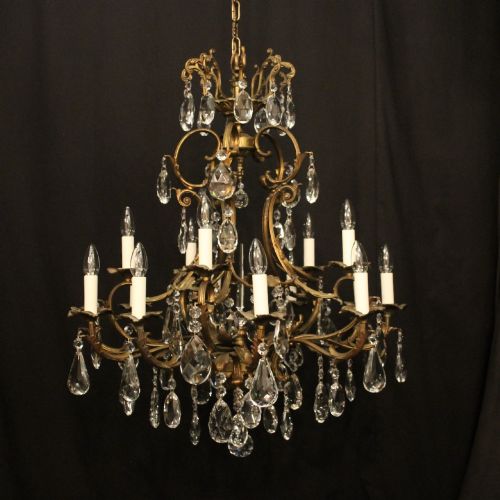
- A specific chandelier arrangement where strings of crystal beads form an upper tent shape above a lower cascading waterfall of drops. This design maximises light reflection from internal candle or electric points.
- Slip shade
- A type of pressed glass shade used in Art Deco ceiling lights, designed to slip directly into a metal frame or basket. These shades distribute diffused downward light.
- Hall lantern
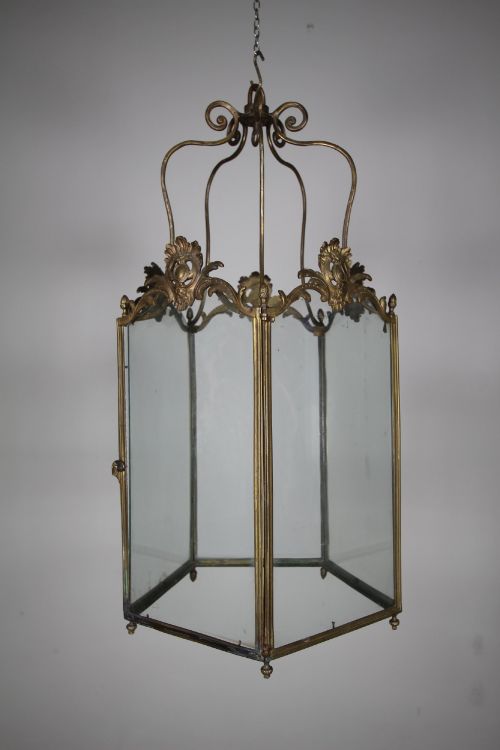
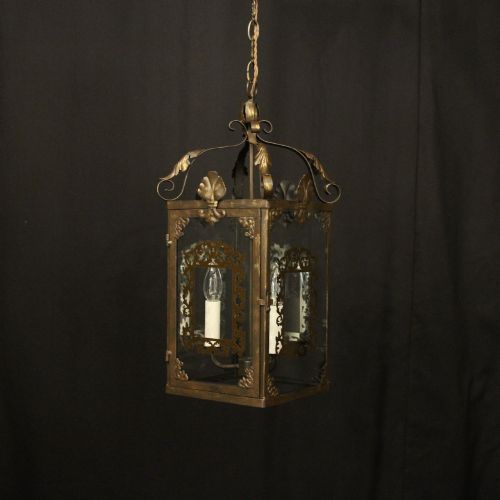
- An enclosed hanging lighting fixture designed specifically for entranceways and corridors. They frequently feature convex or flat glass panels set within a bronze or gilded metal frame.
Bronze and Glass Fixture: Frequently Asked Questions
How do I clean a crystal chandelier?
Maintenance involves gently wiping individual glass drops and crystal components with a soft cloth moistened with a mild cleaning solution. Technicians recommend supporting each pendant from beneath to avoid straining the wire pins.
Harsh chemical sprays should be avoided to protect the underlying gilt bronze and metal surfaces from degradation.
Were these fixtures electrified originally?
Many nineteenth-century examples began life lit by candles before undergoing conversion to gas or electricity during subsequent decades. Hall lanterns and early chandeliers frequently show evidence of structural adaptation for modern wiring.
Mid-century Art Deco and later twentieth-century pieces were manufactured specifically for electrical lighting systems from the outset.
How do I tell Art Deco from Victorian?
Victorian and nineteenth-century pieces lean heavily toward ornate French Rococo, Empire, and Neoclassical styles. They employ elaborate crystal waterfalls, tent formations, and chased gilt bronze.
Art Deco fixtures from the 1920s and 1930s favour streamlined geometric lines, slip shades, and makers such as Schneider and Degué.
Where should a hall lantern be hung?
Hall lanterns suit entranceways, high-ceilinged corridors, and stairwells where an enclosed hanging light provides directed illumination. Their glazed panels protect the interior light source from drafts in transitional spaces.
Scale is key, ensuring the drop of the lantern leaves adequate clearance beneath for foot traffic.