



British Oak Furniture
British oak furniture brings robust domestic utility and rich grain into modern rooms through pieces made across four centuries.
British Oak Furniture
British oak furniture spans centuries of domestic making, from early carved architectural elements to twentieth-century utility pieces. When you search for british oak furniture, you encounter items designed for everyday storage and seating, including dining chairs, chests of drawers, and bookcases.
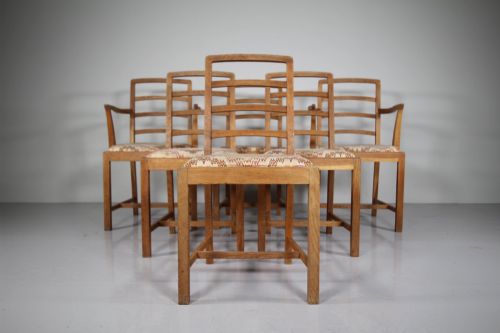
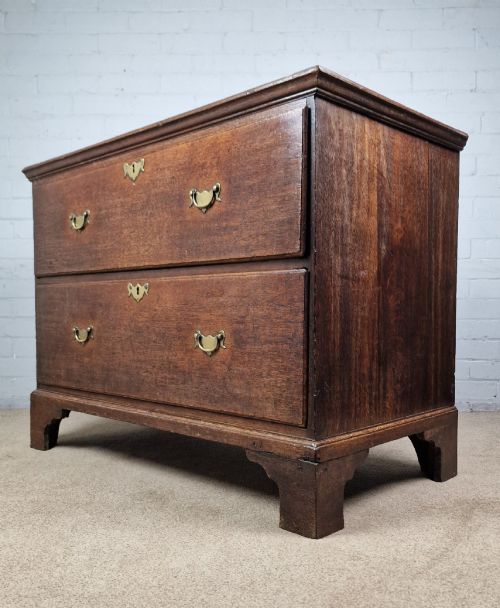
The pieces on this page range from seventeenth-century carved elements and eighteenth-century drawer chests to twentieth-century bedside tables and cabinets. Maker-attributed items from firms such as Heal and Betty Joel sit alongside traditional forms.
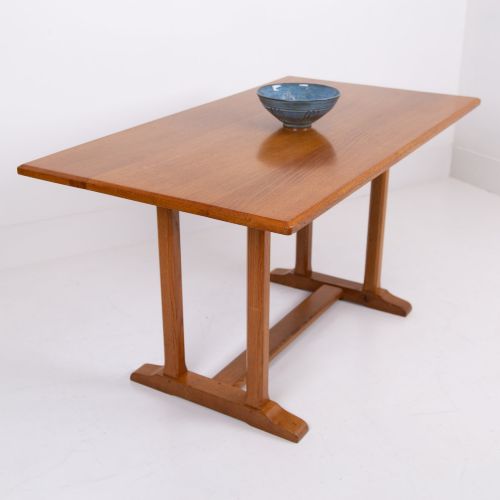
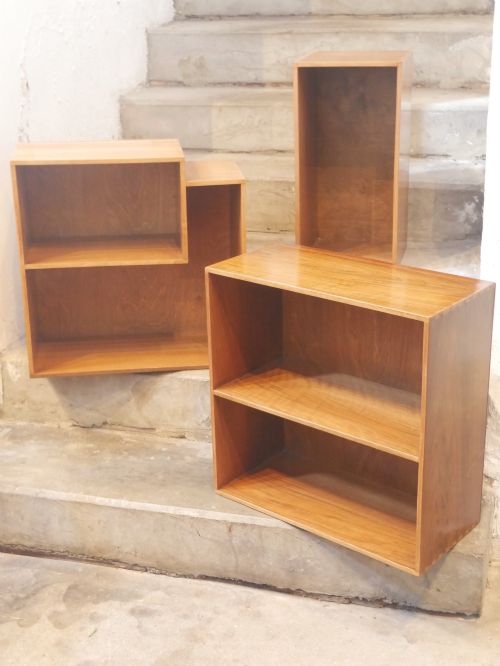
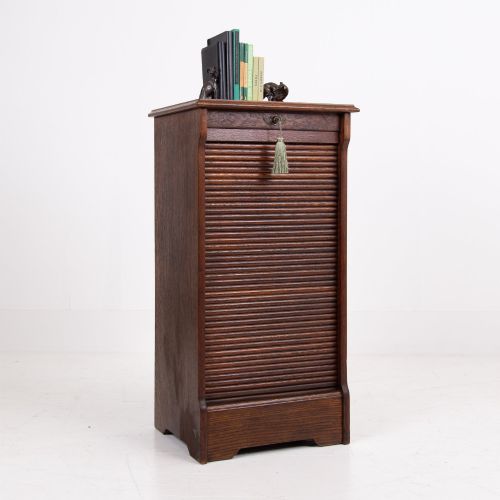
Forms include single beds, tambour door cabinets, and display boxes, reflecting changing domestic habits. Each piece demonstrates how makers utilised timber for functional domestic interiors across different eras.
How they were made
Makers utilised solid timber alongside wood veneer, birch, and sycamore to construct these items. Metal fittings like brass appear alongside glass, fabric, and plywood in later twentieth-century examples.
Construction techniques range from traditional hand carving on seventeenth-century figures to the clean lines of Art Deco and Mid-Century Modern cabinet making. Hand sign painting and tambour mechanisms demonstrate specific workshop skills applied to the wood.
British Oak Furniture Retail Price Guide 2026
Typical asking prices for british oak furniture among the pieces listed under this phrase on Sellingantiques today, from the lower quarter to the upper quarter. They describe what is for sale here now, not the wider market.
The inventory includes seating, storage, and architectural salvage, with notable examples linked to early twentieth-century London retailers and makers.
What varies in quality
Quality shows in the selection of timber and the precision of construction, from simple boarded joints to sophisticated veneering. Pieces bearing maker attribution or specific provenance carry distinct workshop character.
The integrity of surface finish and the retention of original elements, such as brass hardware or fabric, distinguish standard utility items from distinctive designer commissions.
Heals of London·Betty Joel·Phoenix Gallery·Heal and Son
The British Oak Furniture Glossary
- Tambour door
- A flexible door made of narrow vertical strips of wood glued to a canvas backing, allowing it to slide around a curved track. This mechanism saves space in compact cabinets.
- Veneer
- A thin layer of wood applied to a base material to provide a decorative surface. It permits complex grain patterns while maintaining structural stability.
- Caryatid
- A sculpted female figure serving as an architectural support in place of a column or pilaster. Seventeenth-century examples display intricate hand carving.
- Art Deco
- A design style emerging in the early twentieth century characterised by sleek geometric shapes and streamlined forms. It appears in bookcases and bedside tables from this period.
- Arts and Crafts
- A movement prioritising traditional craftsmanship and simple forms over mass production. Pieces from this tradition emphasise the natural qualities of the wood.
British Oak Furniture: Frequently Asked Questions
What periods do these pieces cover?
The selection spans from the seventeenth century through the Georgian and Edwardian eras into twentieth-century modernist periods.
Items reflect the prevailing design movements of their respective decades, including Jacobean carving, Arts and Crafts simplicity, and Art Deco styling.
How do I identify a maker?
Makers are occasionally identified through stamps, paper labels, or documented workshop provenance tied to specific London galleries and firms.
Attributions help contextualise the construction methods and stylistic choices employed during manufacture.
Are these items suitable for daily use?
Most pieces were built for practical domestic storage, seating, or sleeping and continue to function effectively in contemporary spaces.
Cabinets, chests of drawers, and dining chairs offer robust utility derived from solid timber construction.
What materials are used besides oak?
Makers incorporated secondary timbers like birch and sycamore alongside wood veneers and plywood in later twentieth-century designs.
Brass hardware, glass panels, and fabric upholstery also appear depending on the object type and period.