

Brassed Dial Clock
A brassed dial clock brings mechanical timekeeping into focus through polished metal faces found across wall, bracket, and longcase formats.
Brassed Dial Clock
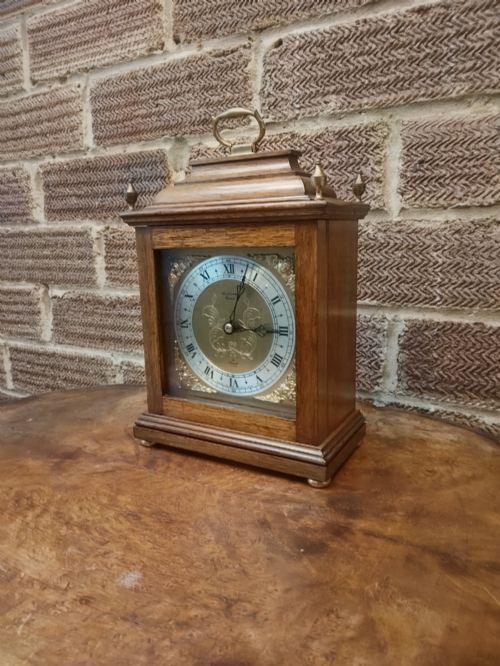
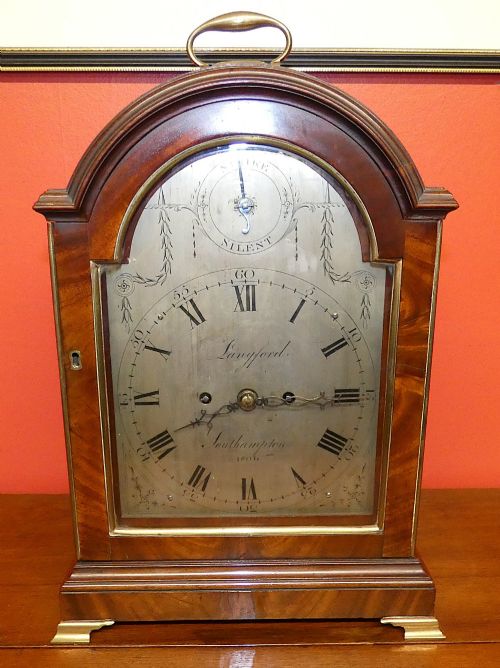
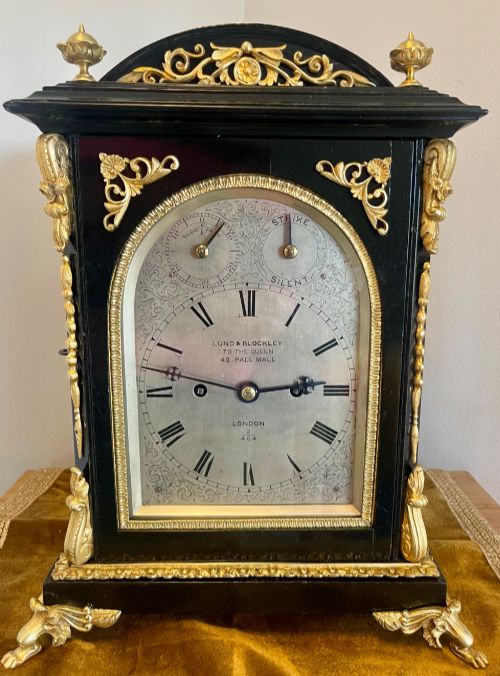
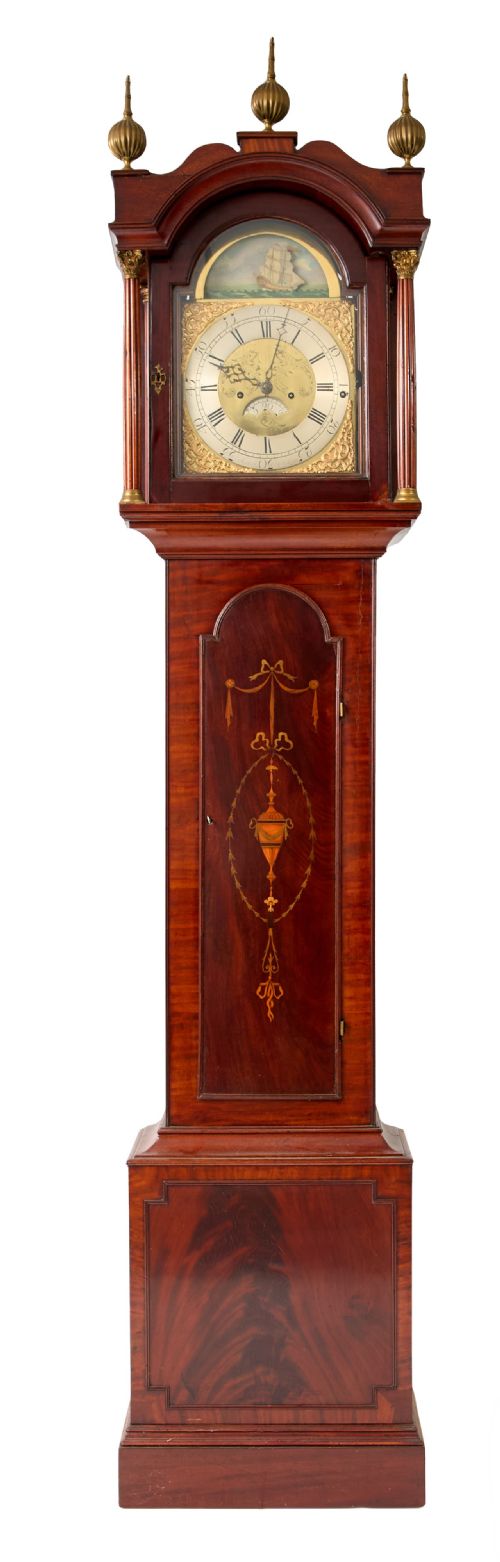
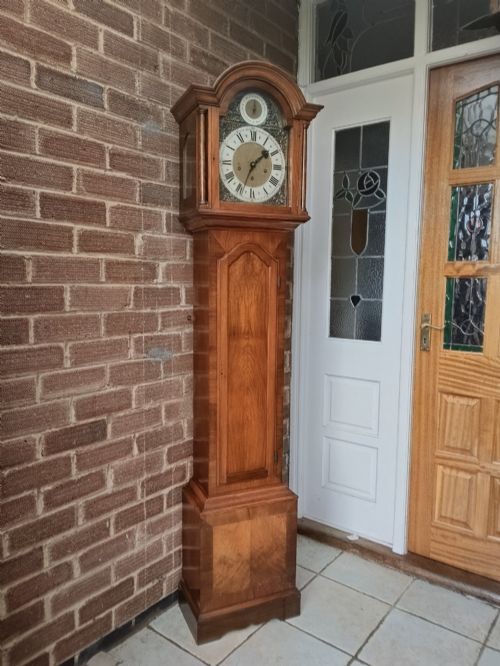
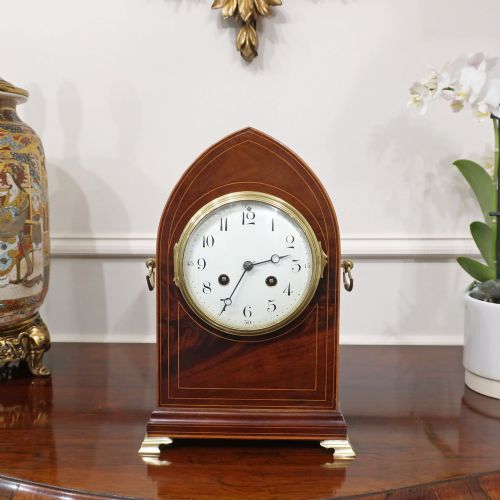
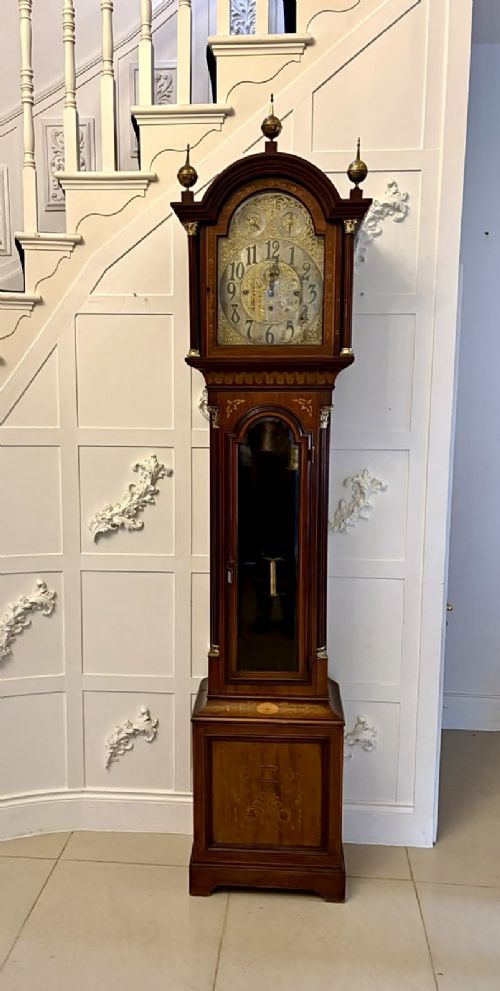
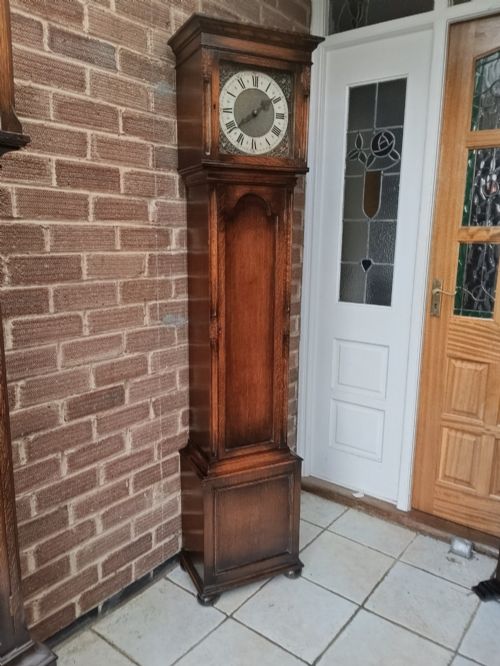
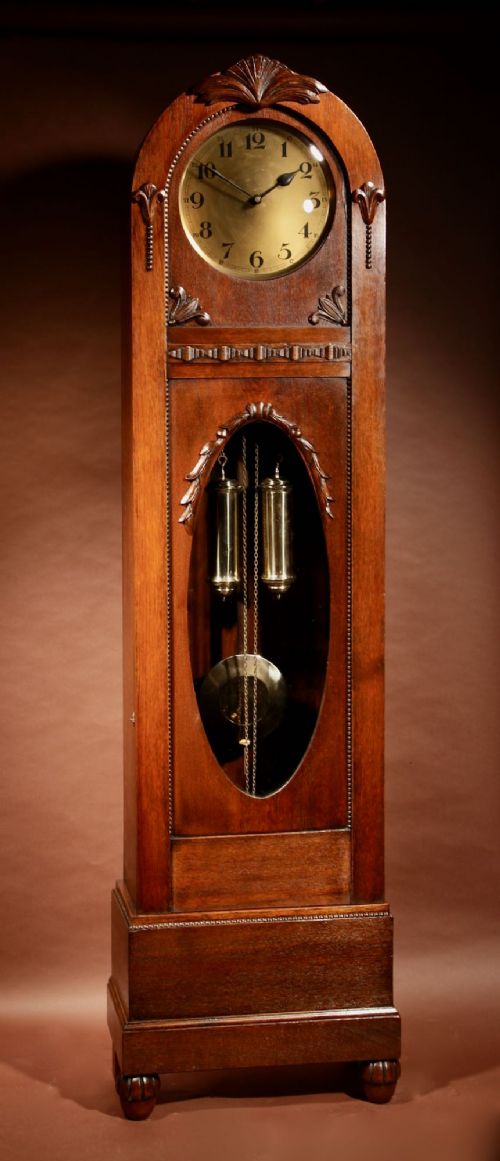
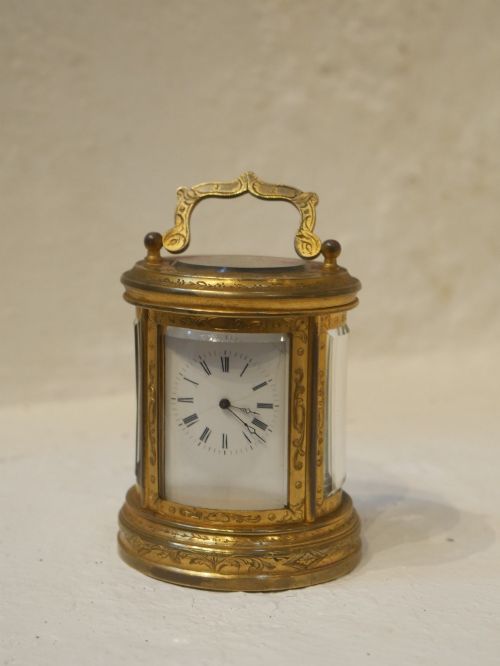
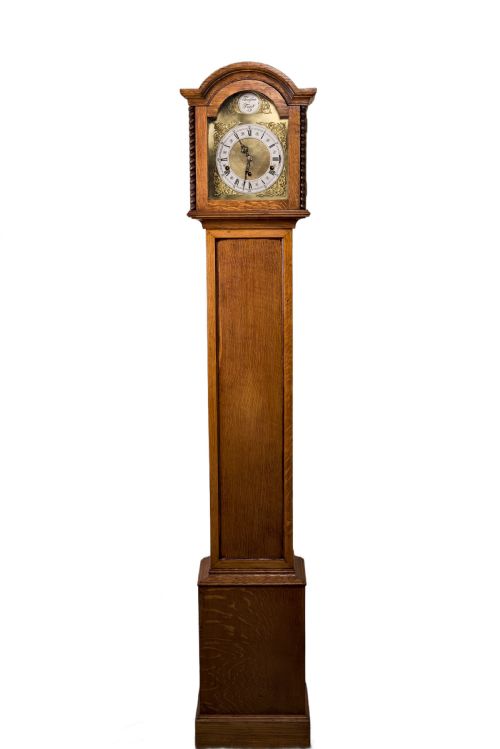
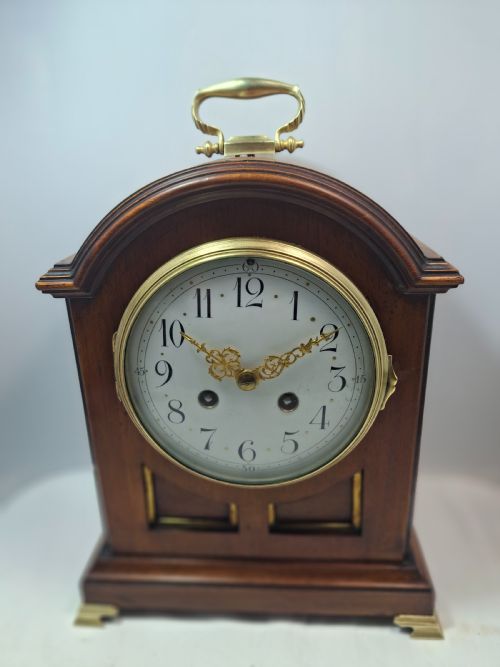
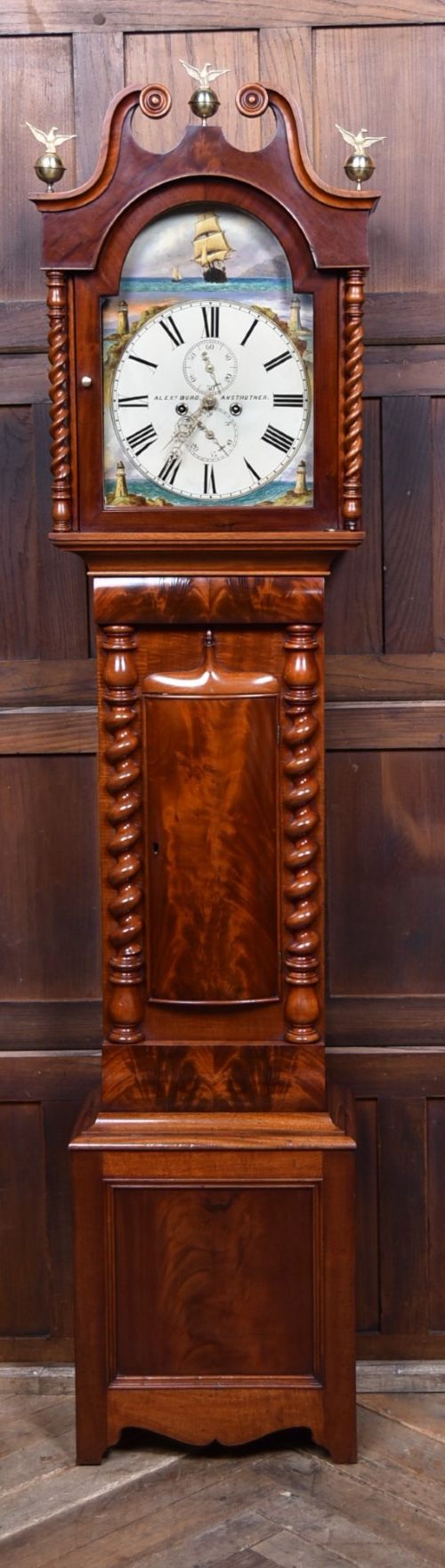
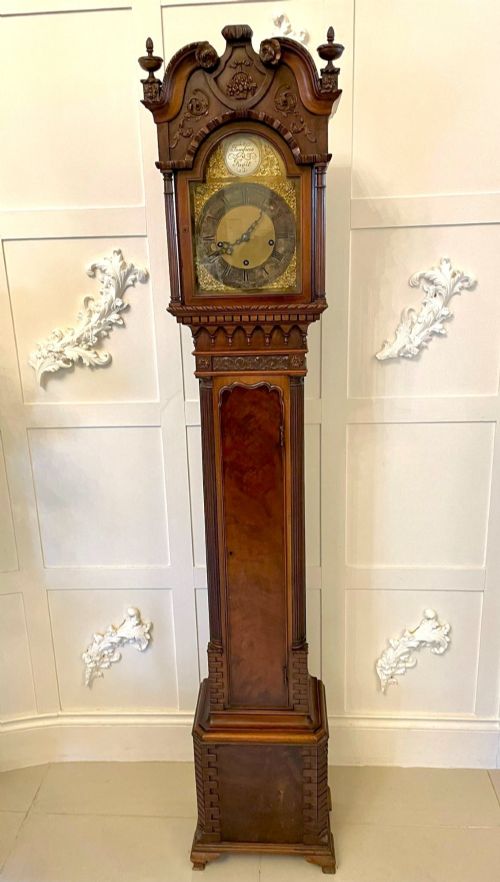
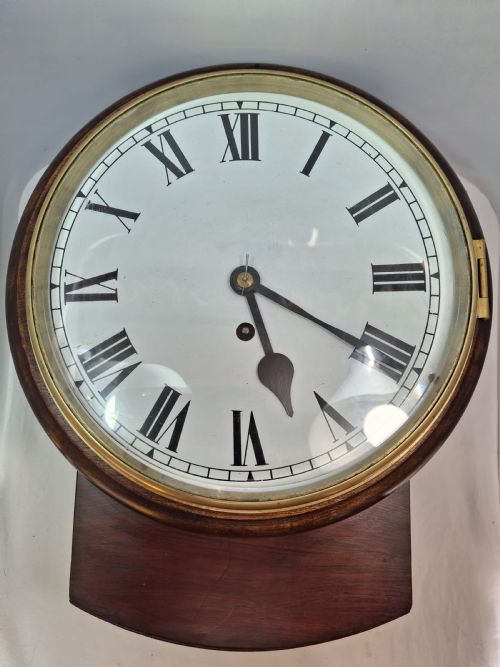
A brassed dial clock encompasses wall clocks, bracket clocks, longcase clocks, and carriage clocks produced across the eighteenth, nineteenth, and early twentieth centuries. These timepieces range from utilitarian railway and station models to domestic bracket and grandfather clocks housed in mahogany, oak, and walnut cases.
The regional and metropolitan examples listed span English, French, and Swiss makers, featuring dial faces in brass, gilt brass, and enamel alongside movements driven by fusee, verge, and anchor escapements.
Materials and Construction
Cases utilise solid timbers such as mahogany, oak, walnut, and rosewood, often complemented by brass bezels, gilt mounts, and glass viewing panels. Dials combine cast or engraved brass plates with applied chapter rings, steel hands, and occasionally painted enamel or silvered brass elements.
Movements rely on traditional mechanical configurations including fusee chain or cord drives, verge or lever escapements, and bell or gong striking trains fitted by regional and London clockmakers.
Brassed Dial Clock Retail Price Guide 2026
Typical asking prices for brassed dial clock among the pieces listed under this phrase on Sellingantiques today, from the lower quarter to the upper quarter. They describe what is for sale here now, not the wider market.
Listings feature oak, mahogany, walnut, and rosewood cases housing brass, enamel, and gilt dial faces.
Evaluating Quality
The refinement of the movement distinguishes high-grade pieces, such as quarter-chiming fusee mechanisms and signed London or provincial workshop movements, from standard production items. Quality also rests in the crispness of brass engraving, the integrity of timber case construction, and the retention of original components.
Maker provenance elevates a piece, with signed dials and casework by known horologists reflecting greater technical execution than unmarked commercial alternatives.
Henry Lepaute·John Taylor·Richard Jones·Charles Shuckburgh·Gillett and Johnston·John Ellicott·Cousens and Whiteside·Camerer Cuss and Co·Henri Jacot
The Brassed Dial Clock Glossary
- Fusee
- A conical pulley used in clock movements to maintain an even pull on the gear train as the mainspring unwinds. This mechanism helps ensure more accurate timekeeping throughout the power reserve.
- Verge escapement
- An early mechanical escapement featuring a crown wheel and a vertical rod with pallets. It governs the speed of the gear train in older lantern and bracket clocks.
- Bracket clock
- A portable spring-driven clock originally designed to sit on a bracket attached to the wall. Later versions function as mantel clocks housed in architectural wood cases.
- Longcase clock
- A tall pendulum clock housed in a wooden floor-standing case, commonly called a grandfather clock. These pieces protect the hanging weights and pendulum behind a glazed door.
- Chapter ring
- The outer ring on a clock dial that bears the numerical hour markers. It is frequently engraved or silvered brass on better dials.
Brassed Dial Clock: Frequently Asked Questions
What is a fusee movement?
A fusee movement uses a conical drum to equalize the decreasing power of a mainspring as it runs down.
This traditional mechanical setup is common in better British wall and bracket clocks to improve timekeeping precision.
How do I tell a wall dial clock from a bracket clock?
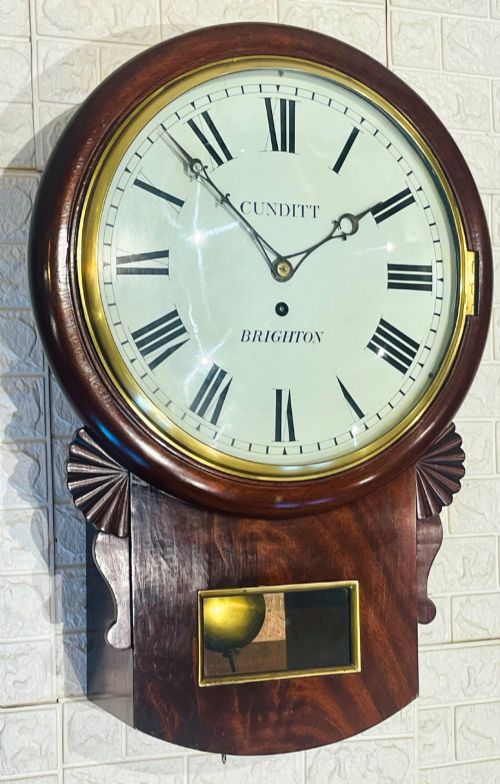
Wall dial clocks mount flat against a vertical surface and usually display a round brass or painted face without a protective wooden case body.
Bracket clocks are freestanding or shelf-mounted decorative units housed in enclosed wooden cases with glazed doors.
Where were these clocks placed historically?
Longcase and bracket clocks served as central timekeepers in domestic hallways and reception rooms, while smaller carriage clocks travelled with owners.
Railway and station dial clocks hung in public transport hubs to coordinate schedules for travellers and staff.
How do I care for a mechanical dial clock?
Mechanical clocks require stable indoor environments away from direct heat sources and dampness to protect the timber cases and brass movements.
Professional servicing every few years ensures the gear trains, springs, and escapements remain clean and properly lubricated.