






Brass Mount Vessels
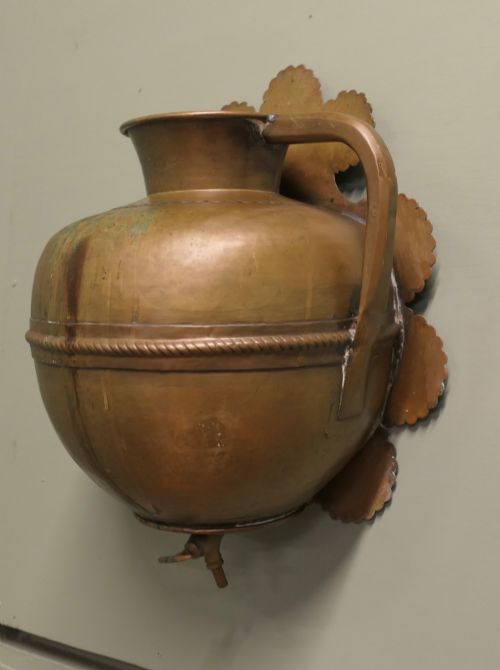
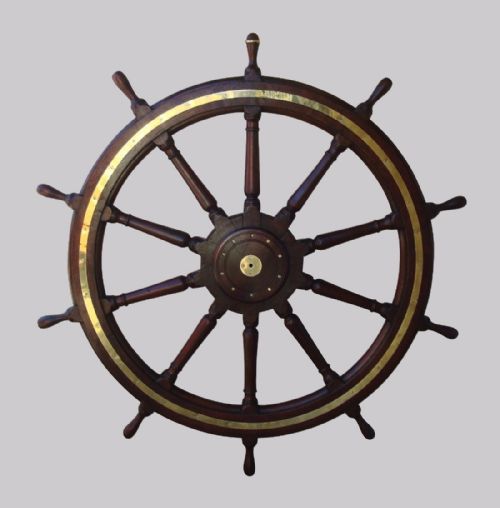
Brass mount vessels are fitted decorative containers and utilitarian items in copper, oak, and mahogany that bring tactile historical weight to modern interiors.
Brass Mount Vessels
Brass mount vessels comprise a varied group of utilitarian and decorative objects strengthened or adorned with brass fittings, ranging from umbrella stands and tea urns to planters and buckets. When searching for brass mount vessels, buyers encounter diverse forms produced across the nineteenth and twentieth centuries, including Victorian coopered barrels and Edwardian jugs.
The materials span copper bodies, timber staves of oak and mahogany, and occasional porcelain or glass components, frequently united by heavy metal banding. Many pieces reflect utilitarian origins in maritime or domestic service before transitioning to decorative home use.
Dating ranges from George III items through Victorian and Arts and Crafts examples up to mid-century measures, showing how functional metalwork evolved across eras. Buyers select these items to anchor a room with distinct historical utility and warm metallic contrast.
Materials and construction methods
Construction relies heavily on traditional metalworking and coopering techniques, uniting sheet copper or solid timber with fitted brass mounts. Makers joined copper bodies through dovetailing or riveted seams, then secured handles, rims, and feet with brass screws or pins.
Wooden vessels such as barrels, jugs, and umbrella stands utilise coopered staves bound tightly by heavy brass hoops to maintain structural integrity. Surface finishing involves hand-hammering on copper panels and careful turning on wood items to achieve smooth, durable contours.
Brass Mount Vessels Retail Price Guide 2026
Typical asking prices for brass mount vessels among the pieces listed under this phrase on Sellingantiques today, from the lower quarter to the upper quarter. They describe what is for sale here now, not the wider market.
A pair of Victorian horns mounted in brass proves that nineteenth-century decorators found utility in almost any organic shape.
Distinctions in quality and finish
Quality rests upon the weight of the metal gauge, the tightness of timber joints, and the integrity of the original brass mountings. Heavier copper plates and robustly pinned brass bands indicate superior original manufacture intended for heavy domestic or marine service.
Refinement of hand-hammered detailing and the retention of unpolished patination distinguish finer examples from standard production pieces. Makers who integrated dovetailed seams and cleanly turned wooden staves achieved enduring stability that survives through generations.
Bate of London·Samson
The Brass Mount Vessels Glossary
- Coopered
- Constructed from wooden staves fitted together side by side and bound by metal hoops. This technique is standard for barrels, buckets, and certain jugs.
- Samovar
- A heated metal urn traditionally used to boil water for tea. These vessels often feature detailed brass taps and mountings.
- Jardiniere
- An ornamental pot or stand designed to hold growing plants or flowers. They appear frequently in copper and ceramic bodies with brass fittings.
- Imperial measures
- Standardised cylindrical vessels used for measuring liquid volume. Examples often bear official stamps and brass rims.
- Mounts
- Decorative or structural metal fittings attached to the exterior of a vessel. They provide reinforcement and aesthetic contrast to the primary material.
Brass Mount Vessels: Frequently Asked Questions
What were brass mount vessels originally used for?
These items served practical daily functions in domestic, commercial, and maritime settings, including boiling water for tea, holding coal, measuring liquids, and containing water for plants or umbrellas.
Over time, their sturdy construction and appealing combination of warm metals and aged timber led to their adoption as purely decorative interior objects.
How do I clean brass mounts without damaging the wood or copper?
Maintenance requires gentle cleaning using soft cloths and mild soapy water, avoiding harsh chemical brass cleaners that can strip historical patination and stain adjacent timber or copper surfaces.
Applying a microcrystalline wax to the metal and wood helps protect the finish from moisture while preserving the authentic aged appearance.
How do I distinguish a George III vessel from a Victorian piece?
George III examples typically display simpler, robust utilitarian forms with hand-hammered copper textures and early fastening methods, dating around the turn of the nineteenth century.
Victorian and later pieces often incorporate more ornate decoration, machine-assisted finishing, or distinct stylistic influences such as Arts and Crafts handwork.
Can I use these antique vessels for modern plants?
Many copper planters and jardiniere vessels accommodate modern houseplants, provided you place a protective inner liner inside to prevent standing water from coming into direct contact with the antique metal or timber.
Checking the interior for water-tightness ensures that damp soil will not accelerate corrosion on vulnerable base seams.