
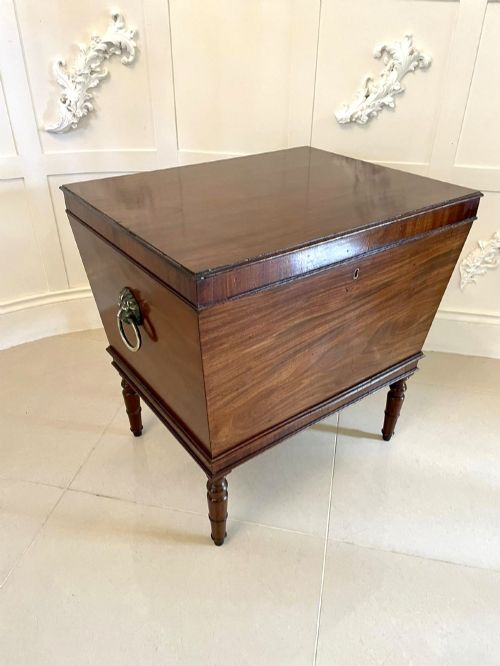

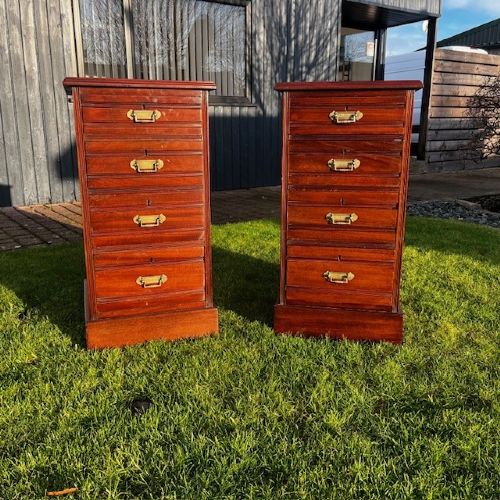


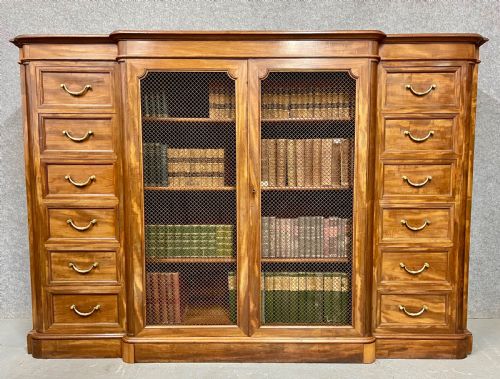


Brass Handle Side Cabinet
These brass handle side cabinet pieces bring enduring timber storage to any room, offering the classic utility collectors seek.
Brass Handle Side Cabinet
A brass handle side cabinet encompasses a variety of timber storage furniture from the Georgian, Victorian, and Edwardian periods, alongside later twentieth-century examples. Buyers searching this phrase encounter forms ranging from bedside chests and chiffoniers to cupboards on stands and tallboys.
The pieces listed on this page frequently originate from the nineteenth century and the early twentieth century. Common configurations include bedside cabinets, side cupboards, and bookcase forms constructed in woods such as mahogany, oak, rosewood, and walnut.
Materials and construction
Cabinet makers utilised dense hardwoods including mahogany, oak, walnut, and rosewood to build the carcases and facades of these storage pieces. Selected examples incorporate wood inlay, burr walnut veneers, or burr oak fronts to add decorative contrast.
Hardware components rely upon brass for handles, drops, and mounts, fixed securely to doors and drawers. Selected pieces integrate additional materials such as marble tops and fabric elements to complete the design.
Materials recorded across these listings include solid brass, mahogany, oak, rosewood, walnut, wood inlay, fabric, and marble.
Distinctions in standard
The calibre of a side cabinet rests upon the selection of timber figures, such as burr walnut or figured mahogany, and the precision of the joinery. Superior examples demonstrate careful attention to internal construction, drawer linings, and the crisp execution of carved or inlaid details.
Hardware integration and timber finishing set apart finer items from simpler utilitarian storage. Original brass handles and well-preserved surface polishes contribute to the integrity of the piece.
Collinson & Lock London
The Brass Handle Side Cabinet Glossary
- Chiffonier
- A low sideboard or cabinet featuring shelves and enclosed storage space. This form gained popularity during the Regency and Victorian eras.
- Tallboy
- A tall chest of drawers or cabinet built in vertical sections. These pieces provide substantial storage while occupying a modest floor footprint.
- Rosewood
- A dense, heavily figured timber valued for its rich dark colour and distinct grain patterns. It appears frequently on nineteenth-century cabinetwork.
- Specimen cabinet
- A specialist storage piece designed with multiple small drawers for holding collections. Examples often utilise fine hardwoods such as walnut.
Brass Handle Side Cabinet: Frequently Asked Questions
What periods do these cabinets represent?
The selection spans several eras, beginning with eighteenth-century Georgian pieces and extending through Victorian, Edwardian, and Art Deco designs.
Craftsmen produced these storage items across the nineteenth and early twentieth centuries, reflecting changing domestic fashions and timber preferences.
How were bedside cabinets used originally?
Bedside cabinets served as functional storage next to sleeping quarters, often holding personal items or washing equipment inside enclosed cupboards.
Selected variants included marble tops to protect the timber surface from water jugs and basins used in period bedchambers.
Which woods are most common?
Mahogany and oak form the basis for a large portion of the inventory, offering robust structural integrity and traditional appearance.
Walnut, rosewood, and burr veneers also appear frequently, selected for their decorative grain and rich colour.
How do I care for timber surfaces?
Maintaining these pieces involves keeping them away from direct heat sources and sudden humidity changes to prevent timber movement.
Applying traditional wax polish periodically helps preserve the finish and nourishes the historical wood surfaces.