
Brass Glass Pendant Fixture
A brass glass pendant fixture brings focused illumination and period character to a room, spanning styles from Victorian lanterns to Art Deco globes.
Brass Glass Pendant Fixture
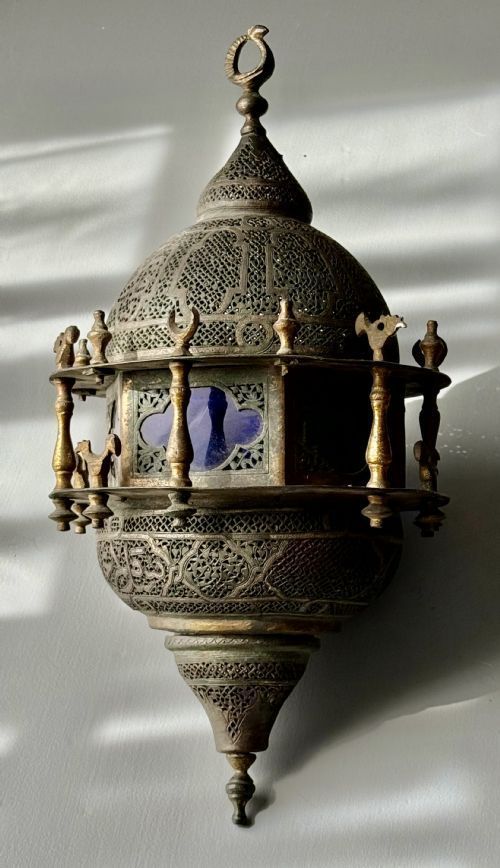
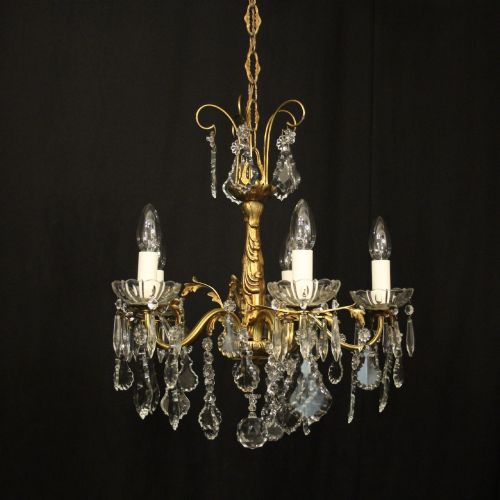
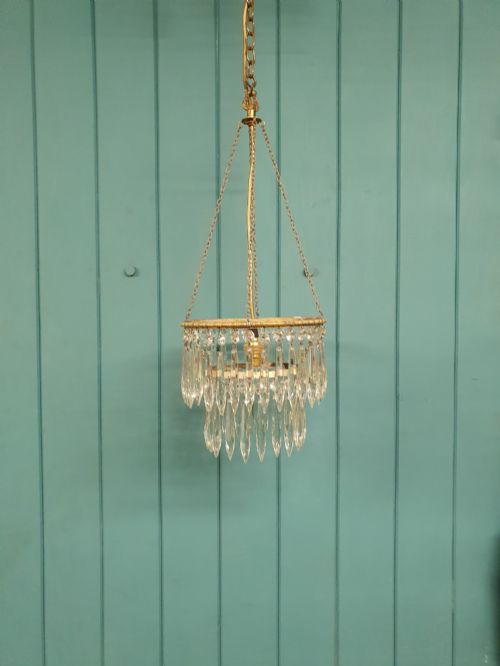
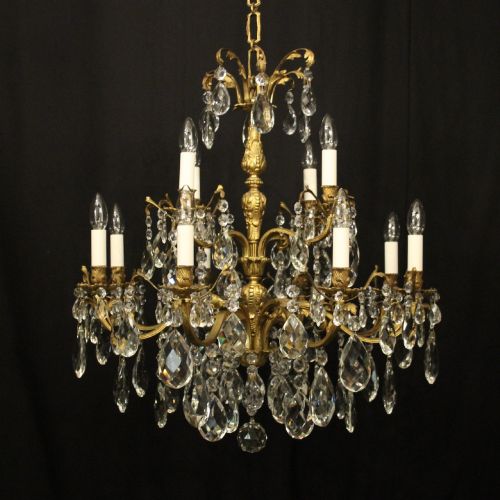
A brass glass pendant fixture combines metallic frames with transparent or translucent elements to illuminate interior spaces. You will encounter forms ranging from simple hanging globes and plafonniers to elaborate multi-tiered chandeliers and hall lanterns. These pieces emerge from periods spanning the Victorian era through the Edwardian years and into the Art Deco epoch.
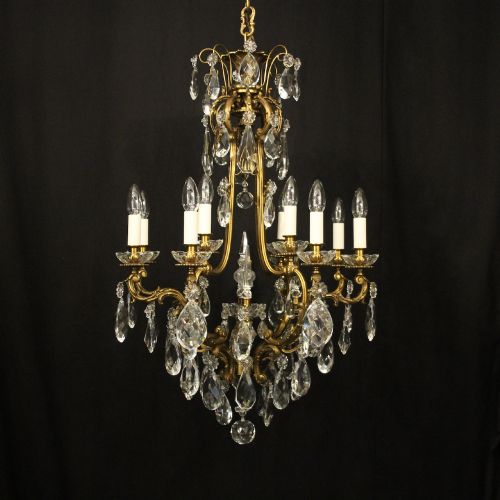
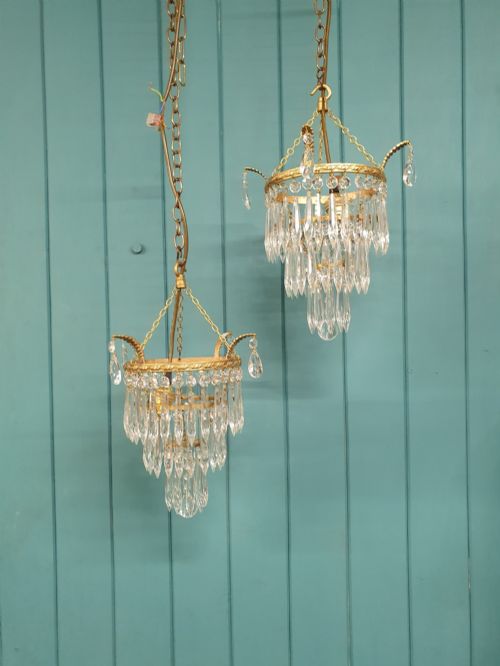
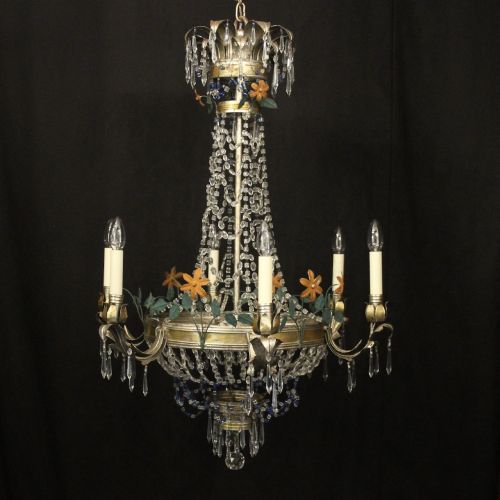
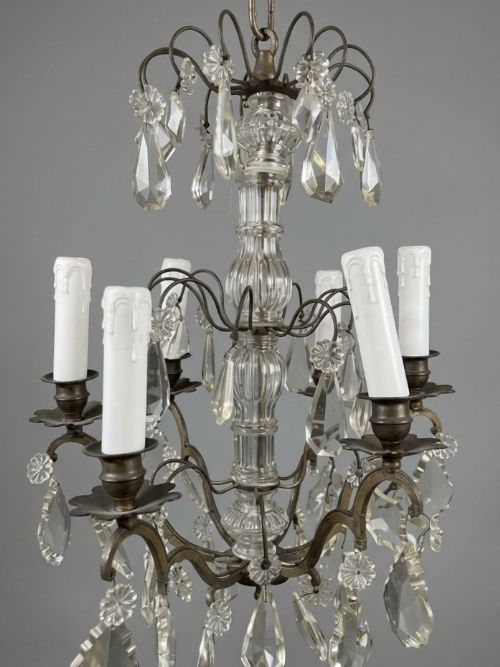
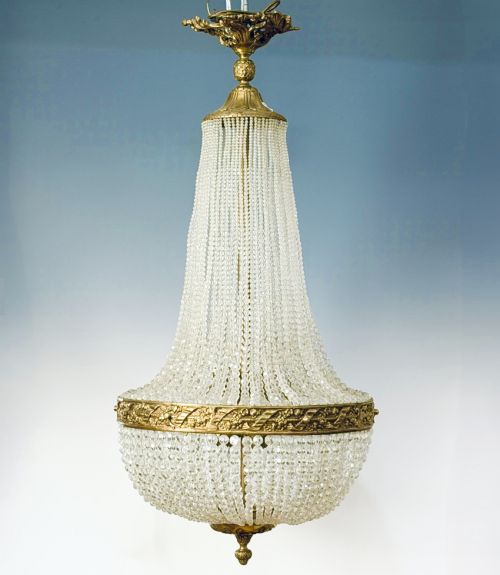
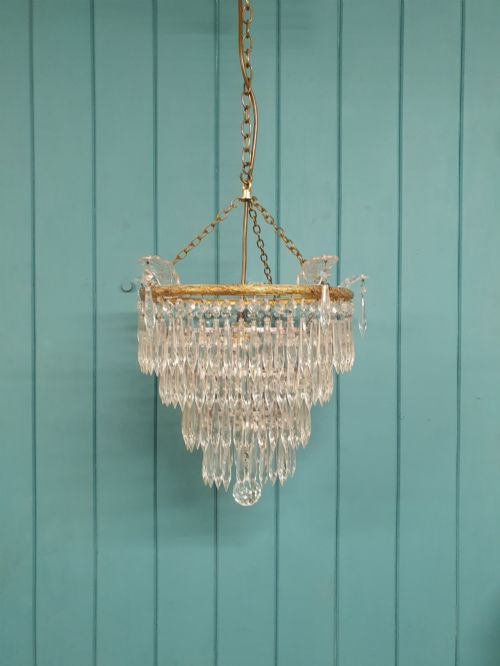
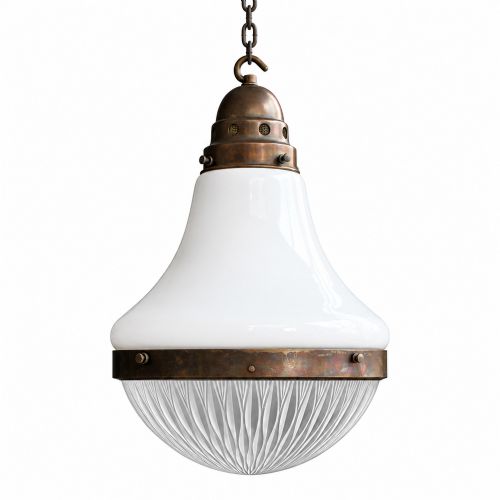
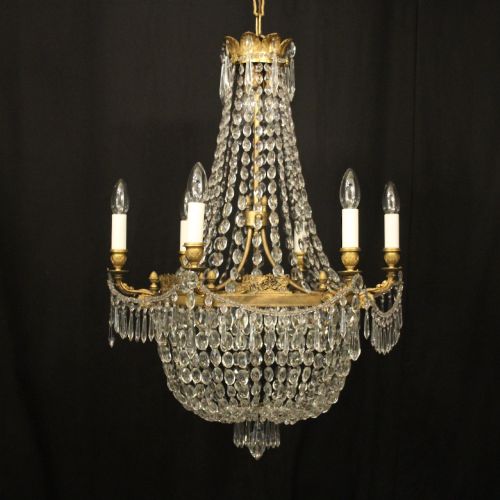
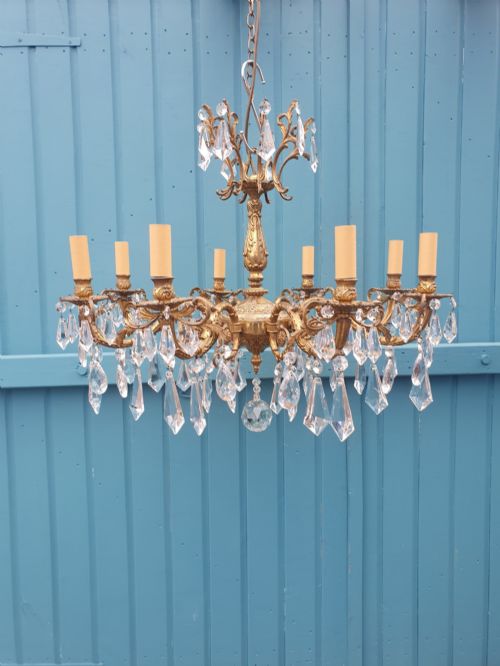
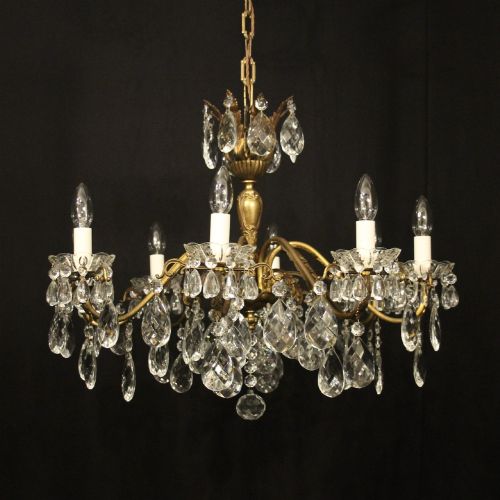
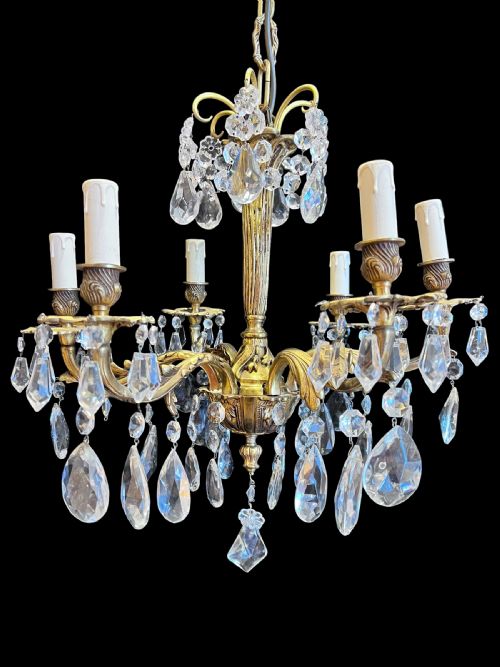
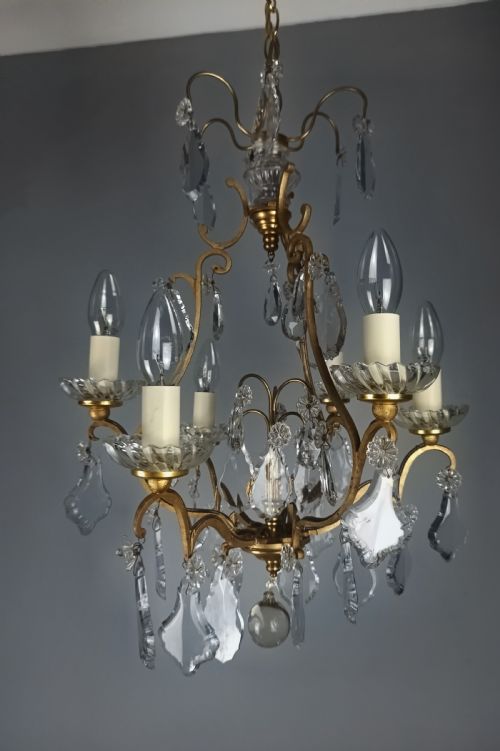
The selection on this page leans heavily toward French designs alongside English and Italian examples. Common formats include tent and waterfall chandeliers, convex hall lanterns, and single-bulb pendant lights fitted with opalescent or cut glass. Buyers searching this phrase seek overhead lighting that anchors a room with historic presence.
Materials and construction
Construction relies upon cast or spun brass, often gilded or cast in bronze, forming a rigid armature for glass components. Metal frames support cut glass, crystal lustres, bevelled panes, or moulded slip shades secured by brackets and chains.
Lighting from the nineteenth and early twentieth centuries demonstrates manual metalworking alongside glass cutting and casting. Frames frequently incorporate decorative motifs such as leaf work, lyre shapes, or geometric borders suited to gas or early electric conversion.
Listings feature brass and glass fixtures from the Victorian, Edwardian, and Art Deco periods, utilising cut glass, crystal, and gilded bronze.
Judging quality in hanging lighting
Quality rests upon the weight and crispness of the metalwork, where finely chased or cast bronze and heavy brass outrank thinner stamped components. The clarity and cutting of the glass or crystal, including hand-cut prisms and bevelled panes, determine the brilliance of the piece when illuminated.
Proportion and completeness also separate standard examples from finer works. Original hanging hardware, matching crystal lustres, and intact period shades indicate a higher grade of preservation.
The Brass Glass Pendant Fixture Glossary
- Plafonnier
- A ceiling light fixture that mounts flush or semi-flush against the ceiling, typically featuring a glass bowl held in a metal frame. These direct light downward into smaller spaces.
- Tent and waterfall
- A chandelier style where strings of glass beads form an upper tent shape above a wider cascading tier of crystals. This configuration creates a dense refraction of light.
- Hall lantern
- An enclosed hanging light designed for corridors and entranceways, often featuring glazed panels within a brass or bronze frame. They protect the flame or bulb from drafts.
- Slip shade
- A type of shade where individual frosted or moulded glass panels slip into a metal frame. This style is frequently found in Art Deco American lighting.
- Lustre
- A cut glass pendant or drop hung from a chandelier to reflect light. Lustres are pinned to the metal arms in various geometric shapes.
Brass Glass Pendant Fixture: Frequently Asked Questions
How do I hang a heavy brass and glass chandelier?
Hanging a heavy fixture requires securing the mounting bracket directly into a ceiling joist or structural noggin rather than relying solely on plaster. Professional installation ensures the electrical box and chain can safely support the combined weight of the metal frame and glass components.
Adjust the drop height by altering the chain links before final wiring takes place. Ensure the weight hangs entirely from the hanging loop rather than the electrical flex.
What is the difference between a pendant and a chandelier?
A pendant light suspends from a single point or cord, typically featuring one bulb enclosed by a shade or globe. They function well in targeted areas like hallways or above tables.
By contrast, a chandelier employs multiple branches or arms to hold several light points across a wider span. Chandeliers provide broader ambient illumination for larger rooms.
Can these old fixtures use modern light bulbs?
Most antique fixtures accept standard modern bulbs provided the original lamp holders comply with current safety standards. Low-heat LED bulbs work particularly well to prevent thermal damage to vintage glass and aged wiring.
Have a qualified electrician inspect older internal wiring before installation to confirm compatibility with current household circuits.
How can I tell if a lantern is Edwardian or Art Deco?
Edwardian fixtures generally exhibit classical motifs, restrained floral detailing, and delicate cut glass influenced by earlier Victorian styles. They favour intricate brass framing and traditional proportions.
Art Deco pieces, emerging later, feature geometric lines, stylised motifs, and moulded glass shades with symmetry. The overall aesthetic shifts from ornate revivalism to streamlined modernity.