
Brass Clock
These brass clock selections span floor, wall, mantel and bracket forms, offering dependable timekeeping anchored in traditional craftsmanship.
Brass Clock
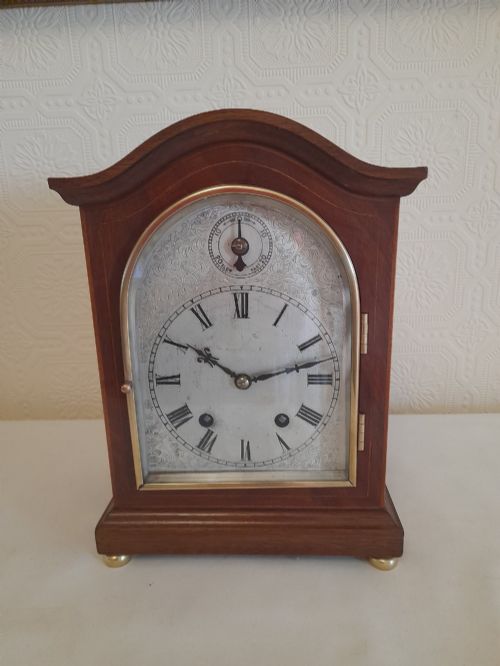
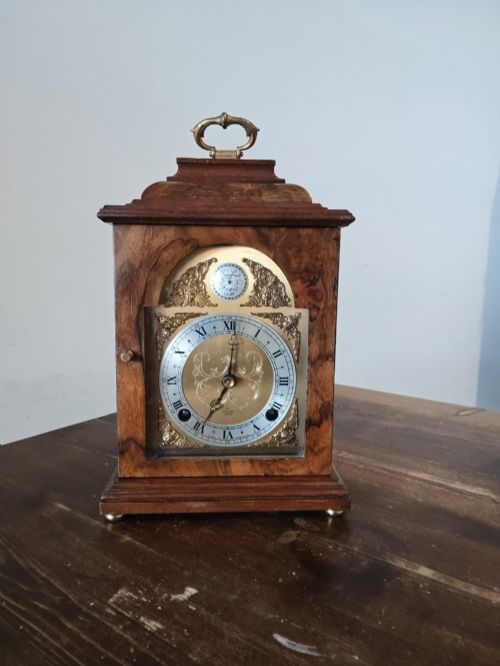
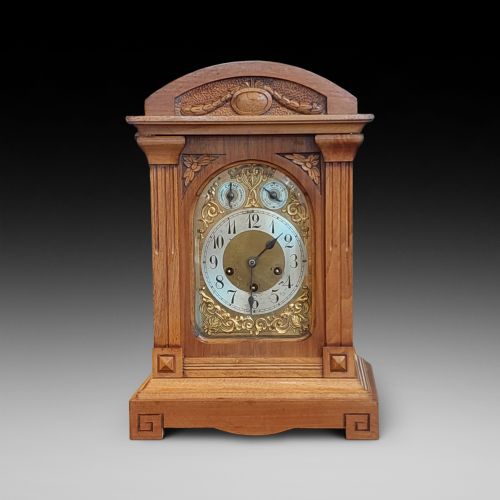
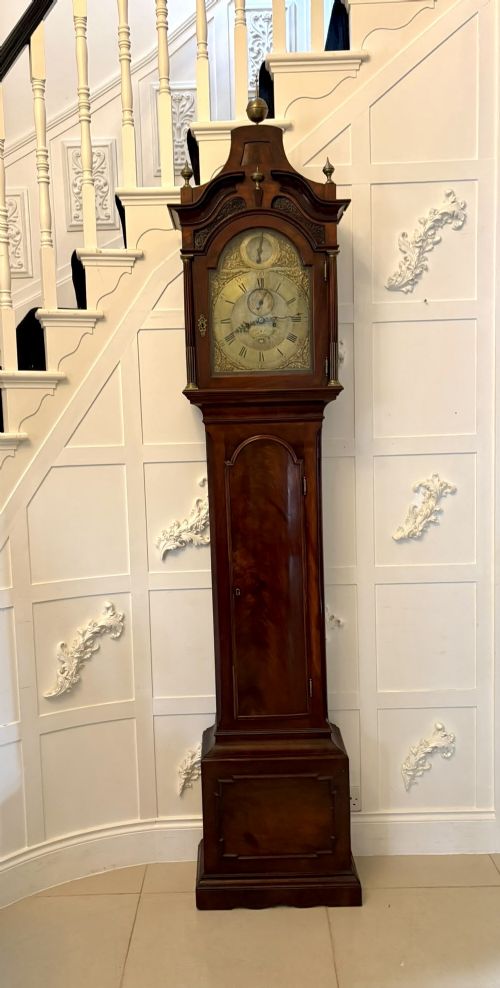
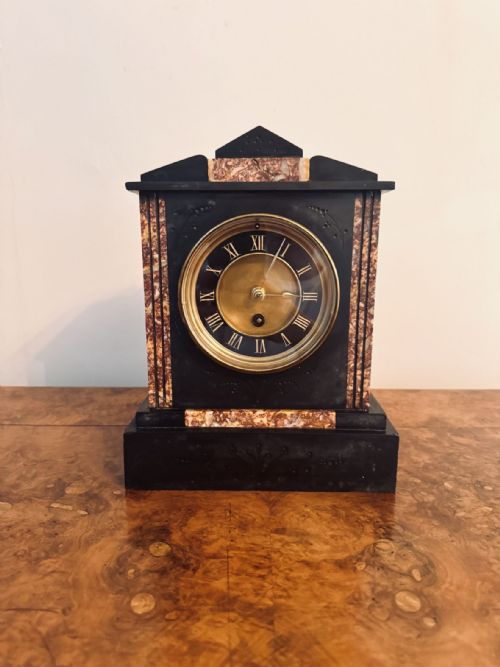
A brass clock encompasses tall floor-standing longcase examples, wall-mounted dial timepieces, and compact mantel or carriage designs. Buyers searching for a brass clock encounter diverse formats spanning the eighteenth, nineteenth, and twentieth centuries.
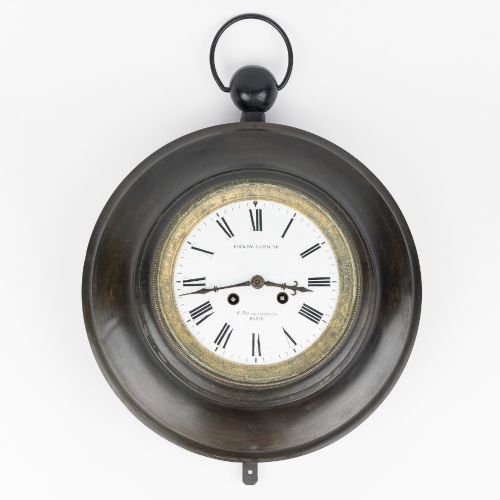
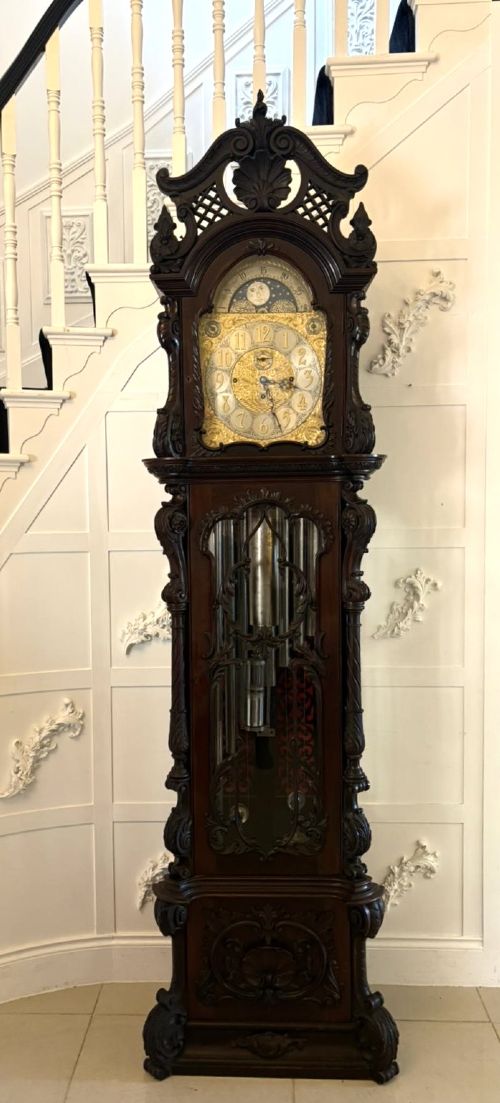
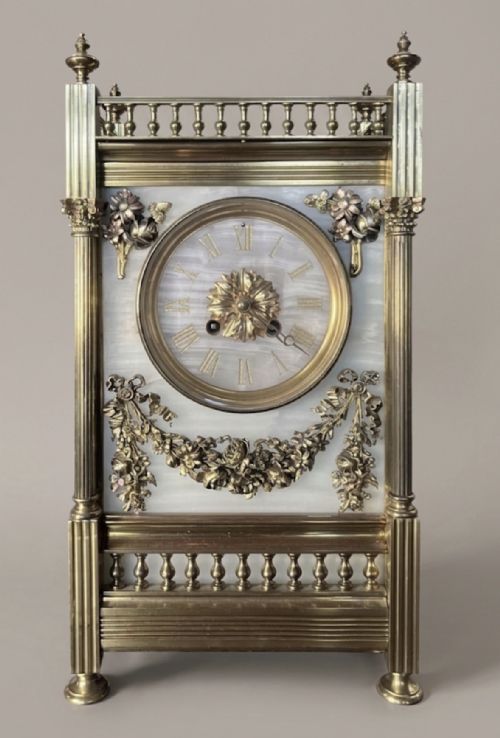
The assortment on this page ranges from large mahogany and oak longcase grandfathers to smaller Victorian dial clocks and French gilt bronze carriage models. Architectural styles shift from Georgian and Victorian formality to Art Deco and Arts and Crafts simplicity.
Materials and construction methods
Cases utilise dense hardwoods like mahogany, oak, walnut and rosewood, housing metal movements constructed with brass plates, wheels and gears. Dials combine polished brass chapter rings, silvered metal plaques, and white enamel or porcelain grounds.
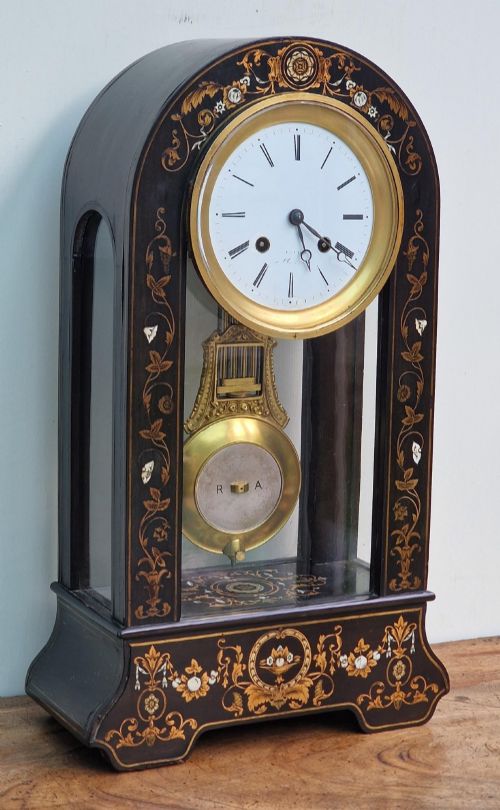
Internal mechanisms rely on weighted or spring-driven fusee movements, verge escapements, and bell or gong striking trains. Glazed brass bezels and inlaid wood marquetry complete the exterior presentation.
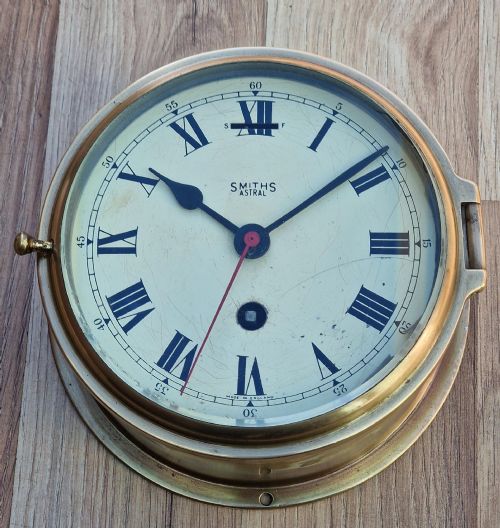
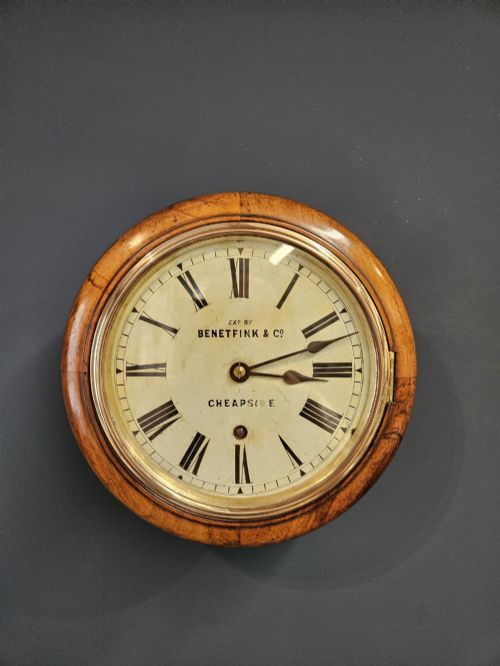
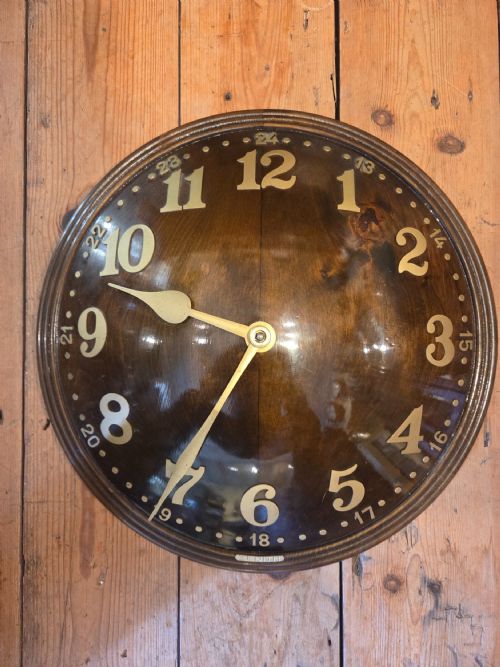
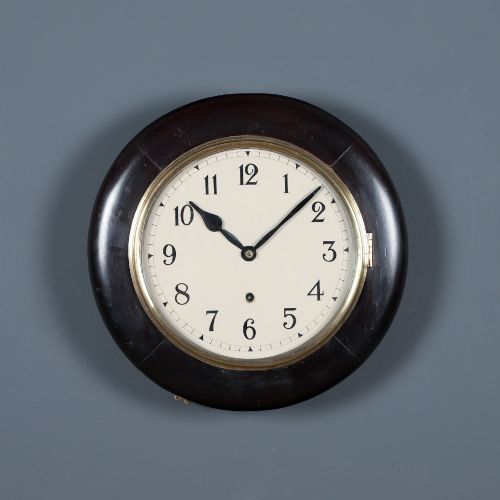
Some railway wall clocks faithfully kept trains running on time while enduring decades of smoke in bustling London termini.
Factors influencing overall quality
Quality rests in the precision of the mechanical movement, the clarity of the dial engraving, and the integrity of the cabinet timber. Finer examples display hand-cut wheel teeth, signed brass backplates, and robust fusee systems rather than standard spring barrels.
Cabinet work distinguishes standard production items from exhibition grade pieces, noting crisp carving, matched veneer grains, and original brass fittings. The integration of specialised quarter-chiming or repeating complications elevates a piece further.
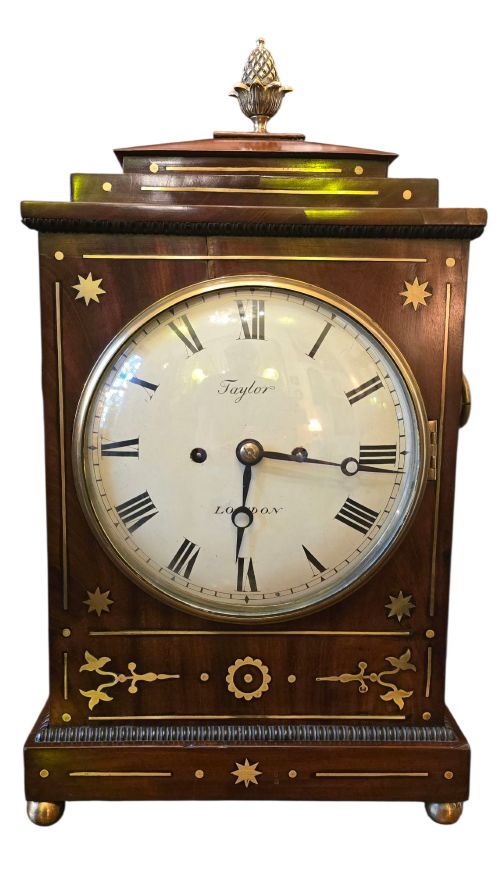
Taylor of London·W & H·Upjohn of Exeter·Thomas Howard·Zenith·Richard Jones of Hereford·Henri Jacot·Jean-Baptiste Delettrez·Charles Shuckburgh
The Brass Clock Glossary
- Fusee
- A conical pulley used in spring-driven clocks to maintain even tension on the gear train as the mainspring unwinds. This mechanism ensures more accurate timekeeping throughout the power reserve.
- Verge escapement
- An early type of escapement mechanism that controls the release of power in pendulum or balance-wheel clocks. It typically pairs with a crown wheel and produces a distinct ticking rhythm.
- Grandmother clock
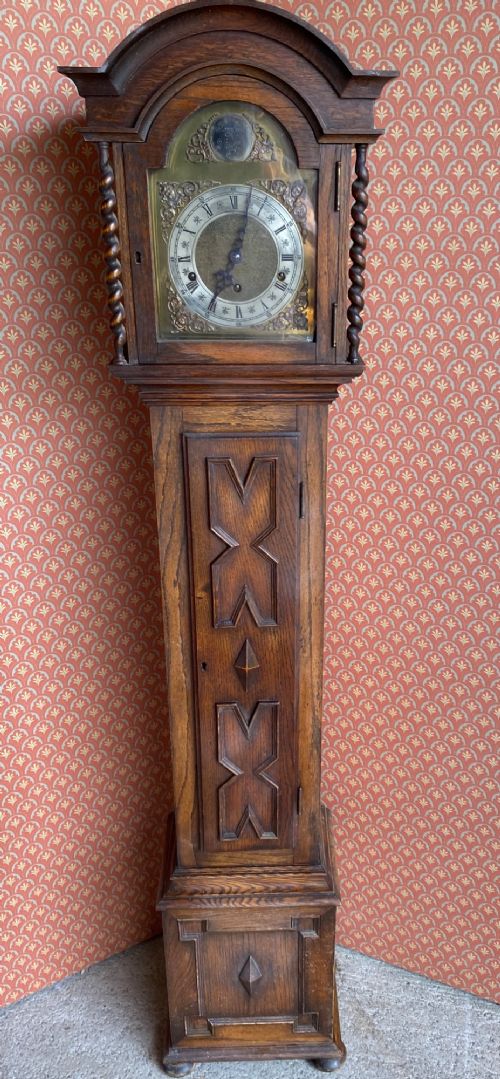
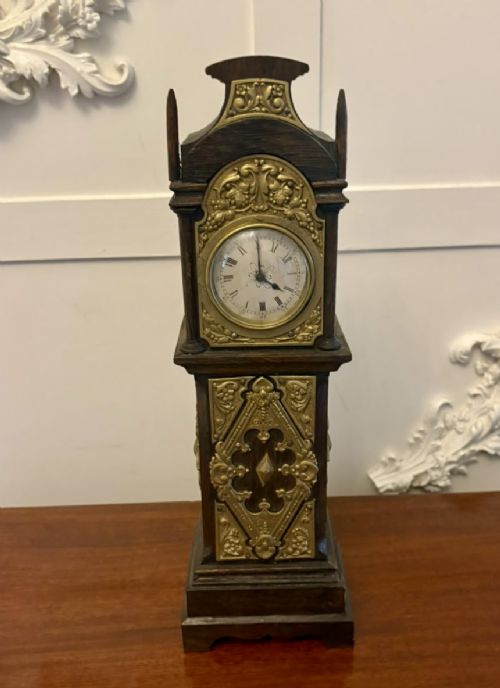
- A smaller, scaled-down version of the traditional longcase or grandfather clock. These slender floor clocks fit lower ceiling heights while retaining weight-driven movements.
- Carriage clock
- A small, portable spring-driven timepiece fitted with a carrying handle and glass panels, originally designed for travel. Many nineteenth-century examples include striking or repeating mechanisms.
Brass Clock: Frequently Asked Questions
How do I wind a mechanical brass clock?
Most spring-driven models require a key inserted into specific dial arbors to tension the mainspring gently. Weight-driven longcase variants involve pulling suspended cords or winding internal drums carefully.
Care must be taken not to overwind the mechanism, stopping as soon as resistance is felt to protect the internal springs and teeth.
Where should I place a longcase brass clock?
Tall grandfather clocks need stable, dry flooring against a solid wall to prevent vibrations from disturbing the pendulum. Placing them away from direct sunlight and heat sources protects the timber case.
Securing the tall case to the wall using discreet brackets adds stability, particularly in homes with children or pets.
What maintenance do antique clock movements need?
Clocks require professional cleaning and lubrication every few years to remove dust and old oil from the brass gear trains. Regular servicing prevents excessive wear on pivots and bushings.
Keeping the exterior brass polished lightly and the wooden case conditioned with appropriate wax maintains the overall finish.
How do I distinguish a Victorian clock from a Georgian one?
Georgian pieces generally feature simpler, classical proportions with figured mahogany veneers and understated brass dials. Victorian examples frequently introduce heavier carving, rosewood, walnut, or gilt bronze embellishments.
Examining the internal movement construction and signature styles on the brass backplate also helps pinpoint the manufacturing era.