




Brass Ceiling Pendant Lamp
A brass ceiling pendant lamp brings warm metal and focused downward illumination to a room, drawing the eye upward.
Brass Ceiling Pendant Lamp
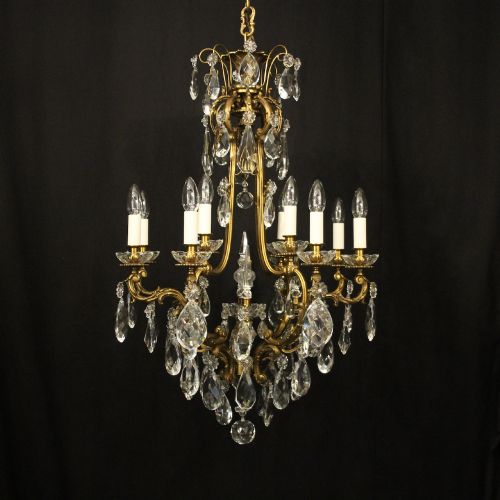
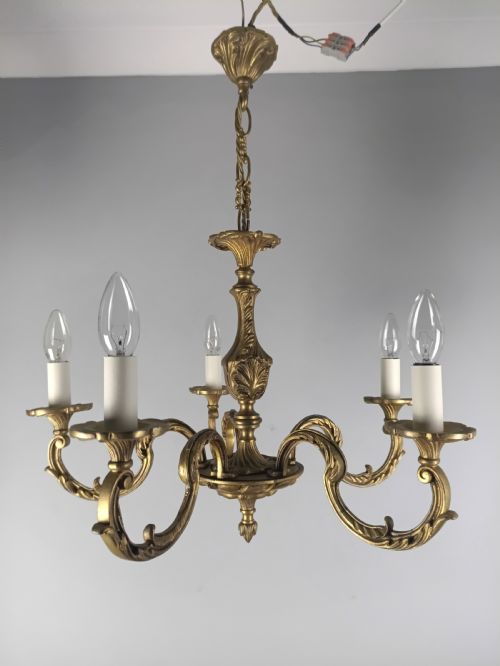
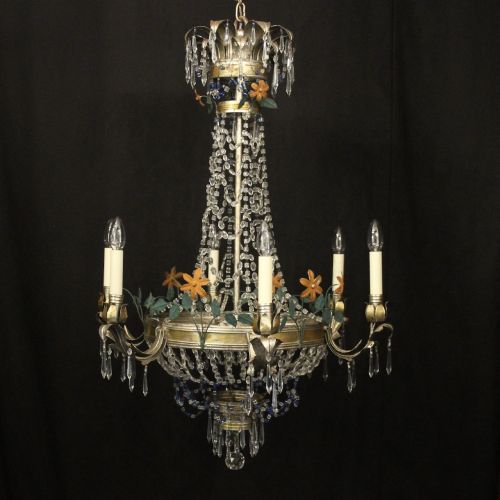
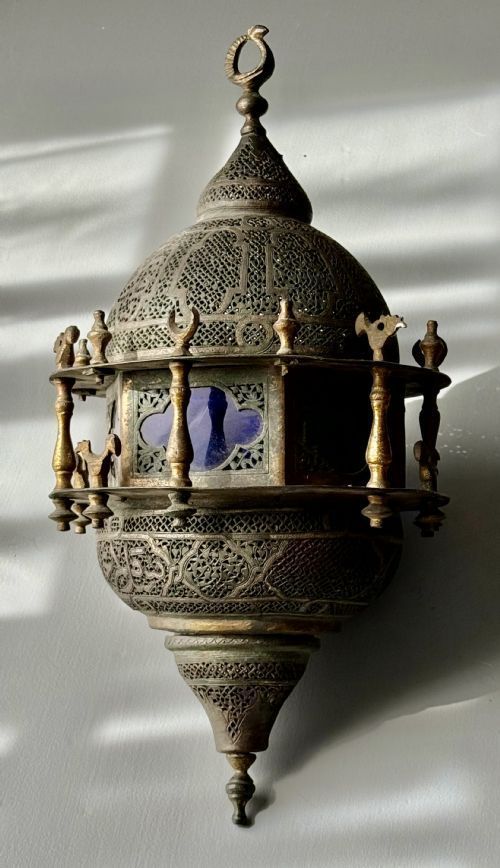
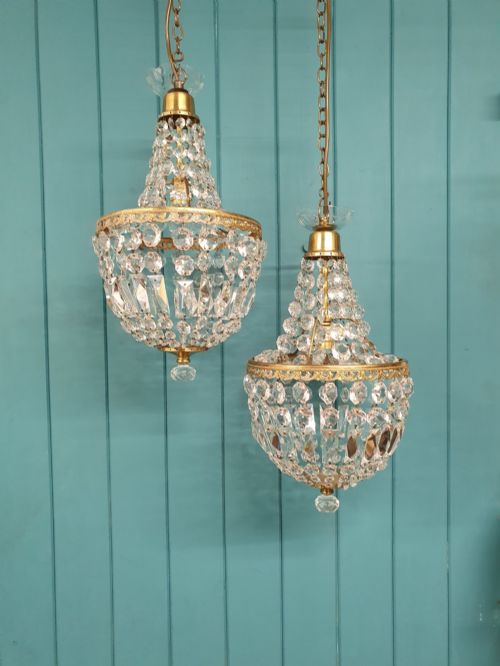
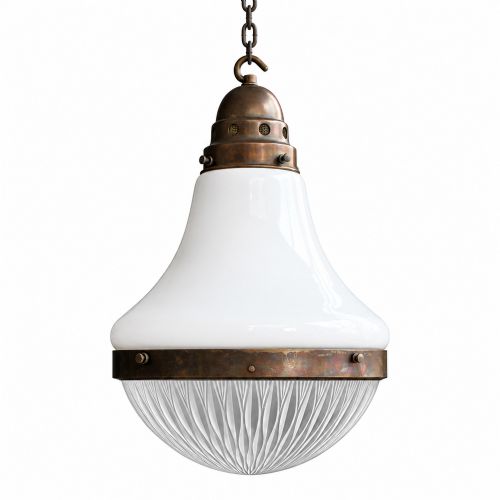
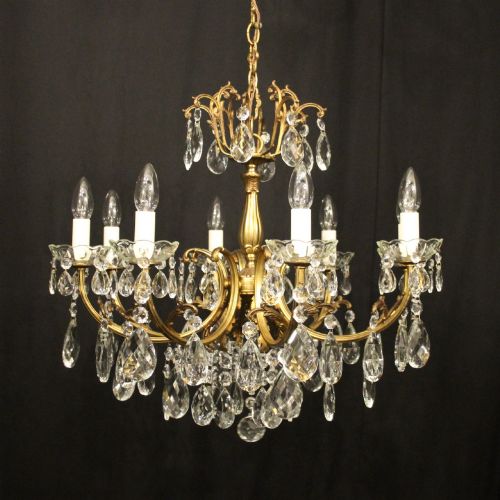
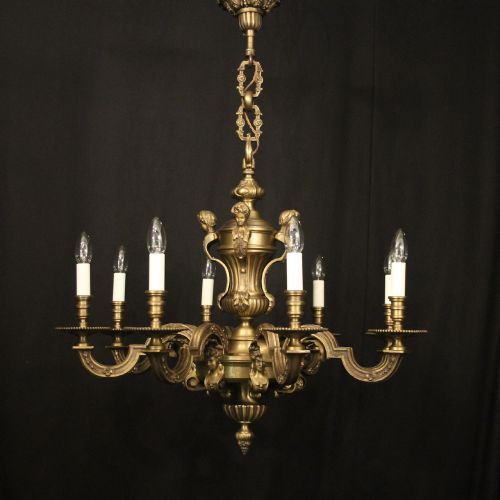
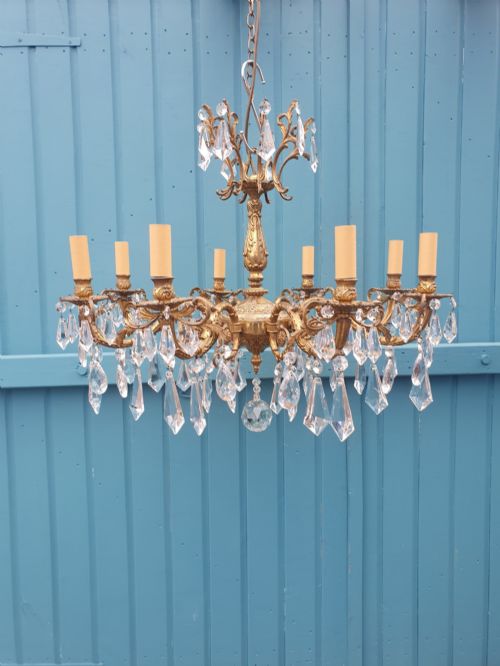
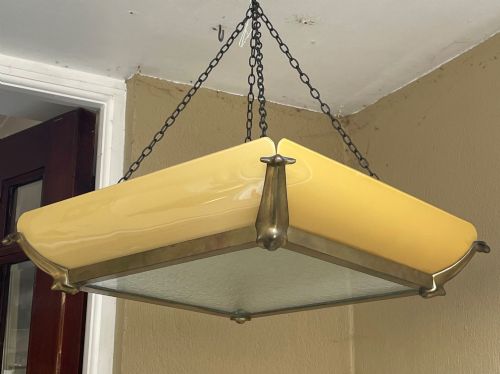
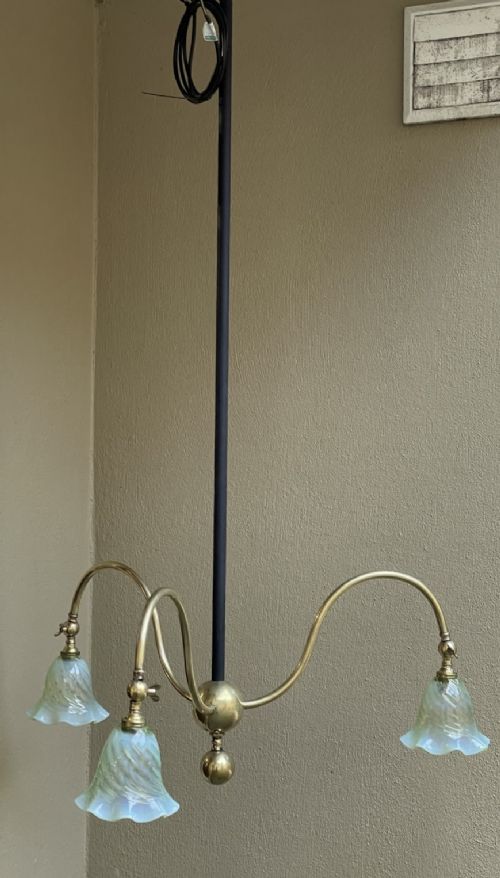
A brass ceiling pendant lamp encompasses overhead hanging fixtures framed in brass, copper, and bronze, often paired with glass or crystal components. These fittings originate from periods spanning the nineteenth century through the 1930s, taking forms such as single-bulb pendants, multi-light chandeliers, hall lanterns, and plafonniers.
Buyers browsing this selection will frequently encounter French chateau, Art Deco, and Edwardian designs alongside industrial and Victorian styles. The materials range from cast and gilded brass to cut glass and leaded panels, reflecting the decorative tastes of their respective decades.
How they were made
Maker workshops constructed these fixtures using cast, spun, or sheet brass, often combining the metal framework with blown, moulded, or cut glass elements. Gilt bronze and copper frequently appeared alongside standard brass to add tonal variety and richness to the metalwork.
Structural parts were joined through casting, riveting, and screw-fitting, while lanterns and shades integrated leaded glass, crystal drops, or slip shades. Surface finishes varied from polished or gilded surfaces to patinated copper and bronze.
Railway lanterns once swung above smoke and steam before finding a quiet retirement indoors.
What varies in quality
Quality rests on the crispness of the metal casting and the depth of the original gilding or patination. Heavier gauge brass and finely chased bronze mounts indicate superior workshop production compared to lighter, stamped alternatives.
The integrity of the glass elements, from hand-cut crystal drops to moulded slip shades, distinguishes standard utility lighting from more ambitious decorative commissions. Original components and unified hardware throughout a fixture elevate the overall standard.
The Brass Ceiling Pendant Lamp Glossary
- Plafonnier
- A ceiling light fitted close to the ceiling rather than suspended on a long chain or cord. These fixtures typically feature moulded or cut glass bowls held by brass frames.
- Gilt bronze
- Metal alloy treated with a gold layer or gold finish, frequently utilised in French neoclassical and empire style chandeliers. It provides a bright, lasting metallic lustre.
- Slip shade
- A type of frosted or moulded glass shade that slots directly into a metal frame or bowl mount. Popular during the Art Deco period.
- Cut glass
- Glass decorated by grinding facets or patterns into the surface by hand or wheel. This technique enhances light refraction in crystals and pendants.
- Hall lantern
- A ceiling-hung lighting fixture enclosed in glass panels with a brass or bronze metal framework. These pieces were traditionally designed for entrance hallways and corridors.
Brass Ceiling Pendant Lamp: Frequently Asked Questions
How do I hang a heavy brass pendant?
Heavy brass pendants require structural support from a ceiling joist or a heavy-duty pattress box rather than plaster alone. Professional installation ensures the hanging chain and wiring safely bear the weight of cast metal and crystal components.
Position the fixture at a height that clears head traffic while anchoring the room's central seating or dining arrangement.
Are these lamps rewired for modern use?
Many antique fixtures arrive with modern electrical wiring or require professional rewiring to meet current safety standards. An electrician can easily adapt historical fittings to accept standard bulb bases.
Retaining the original sockets is sometimes possible, but modern internal cabling ensures safe daily operation in a domestic setting.
How do I clean antique brass and glass?
Dust brass frames gently with a dry microfibre cloth to preserve the existing patination and avoid abrasive metal polishes. Glass components and crystals can be washed in warm soapy water after being detached from the metal frame.
Dry all parts thoroughly before reassembling or rehanging the fixture to prevent moisture damage to old fixings.
How do I date a brass ceiling light?
Dating relies on stylistic markers such as the geometric lines of Art Deco slip shades or the ornate cast mounts of Victorian and Edwardian pieces. Manufacturing techniques, screw types, and the composition of the glass provide further clues to the period.
Comparing the decorative motifs with documented examples from the nineteenth century and early twentieth century helps narrow down the decade of production.