


Brass Cage Light
A brass cage light brings architectural weight and sparkle to a room through open metal frames housing glass and crystal.
Brass Cage Light
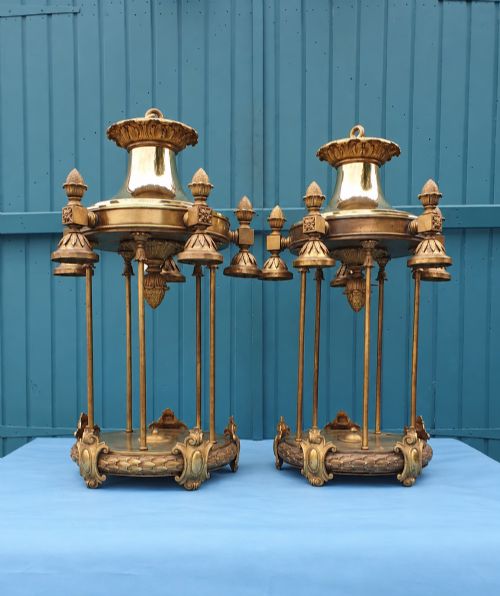
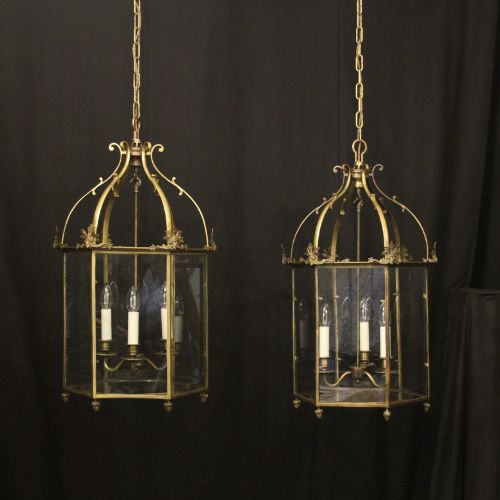
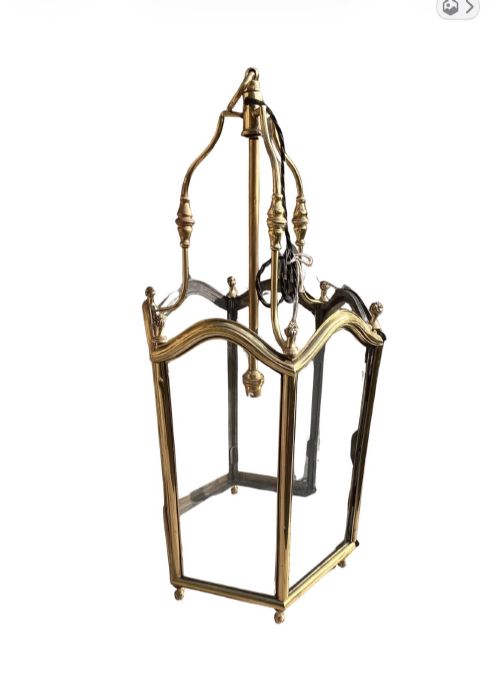
A brass cage light encompasses pendant lanterns, hall lights and chandeliers originating predominantly from the nineteenth and early twentieth centuries. These fixtures combine structural brass or gilded bronze frames with glass panels, crystals or exposed bulbs to illuminate interior spaces. Buyers seek this search phrase when looking for pendant or hanging illumination defined by a protective metal framework.
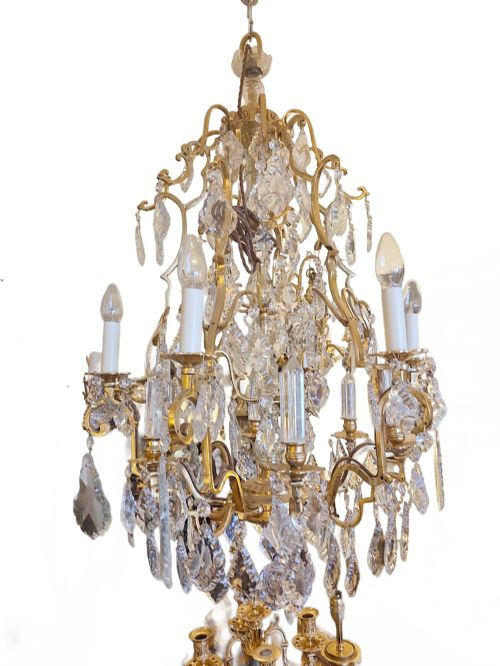
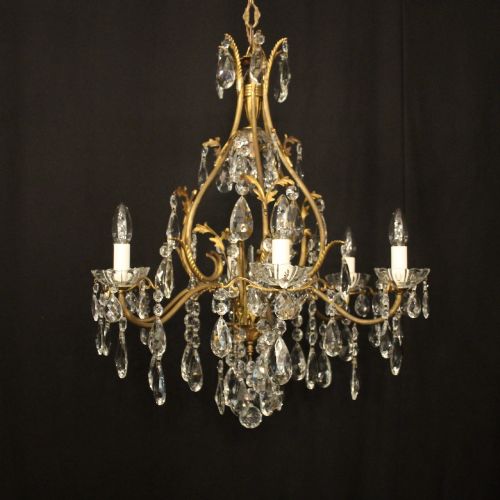
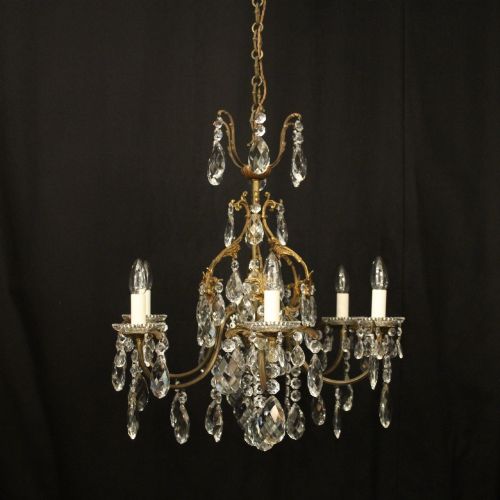
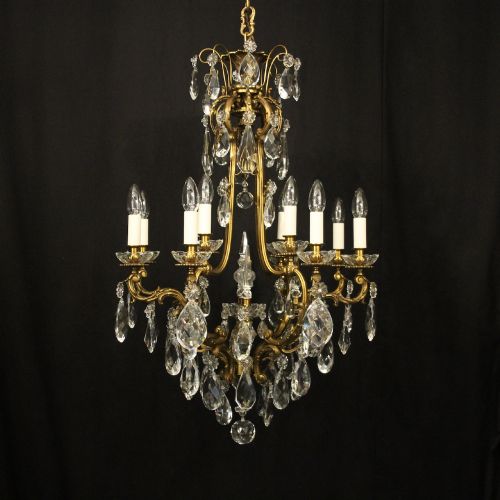
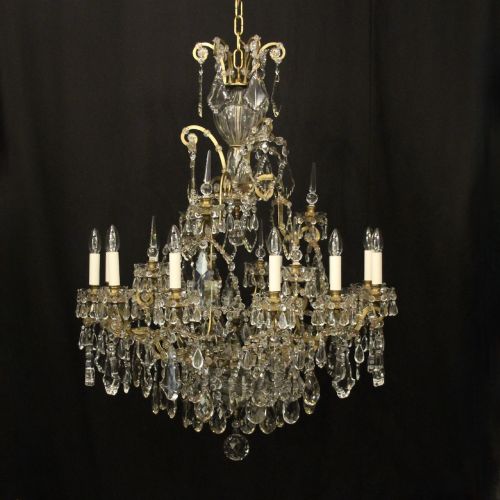
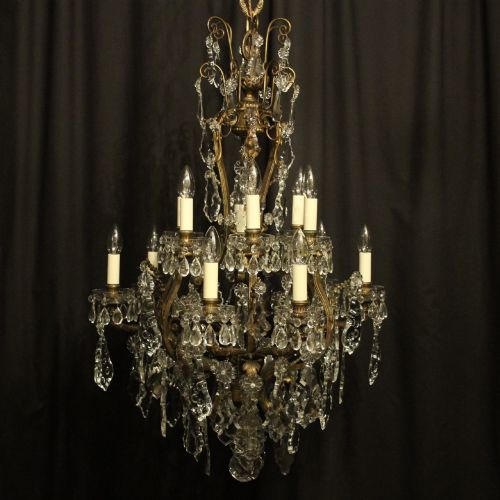
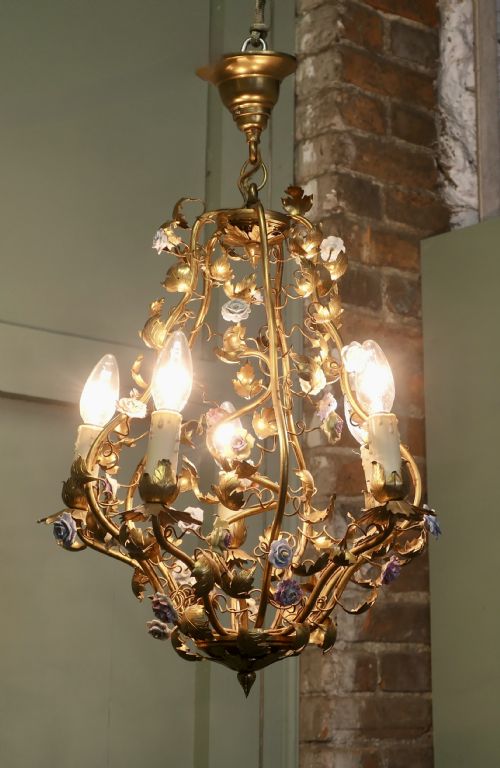
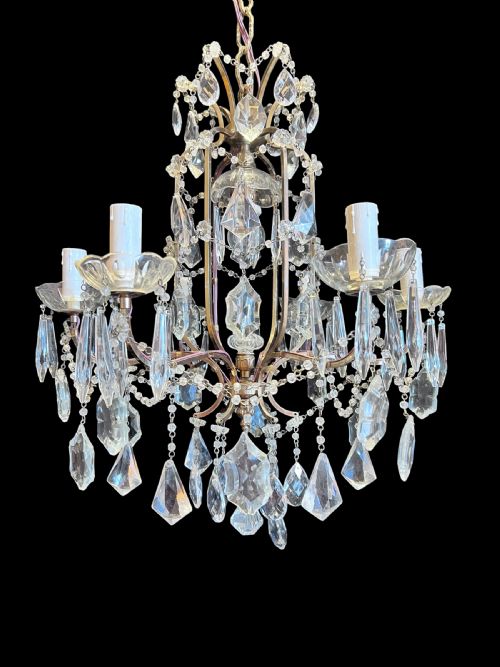
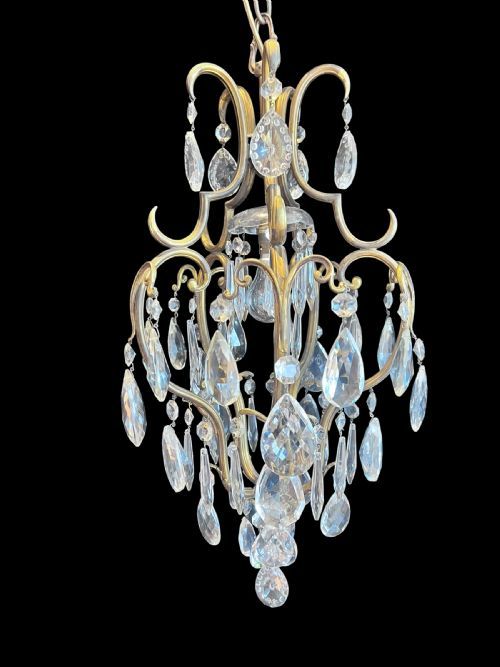
The selection on this page leans heavily toward French and Italian examples dating from the Edwardian era back to the nineteenth century. Common forms range from multi-arm crystal chandeliers enclosed in metal birdcage frames to hexagonal or convex wall and ceiling lanterns housing bevelled glass. Alongside these, buyers encounter copper and brass nautical pendants, oil lamps converted to electric lighting, and table lamps featuring alabaster or ceramic elements.
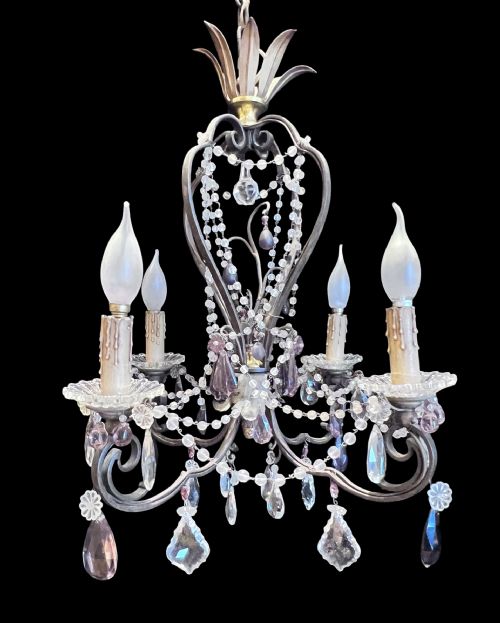
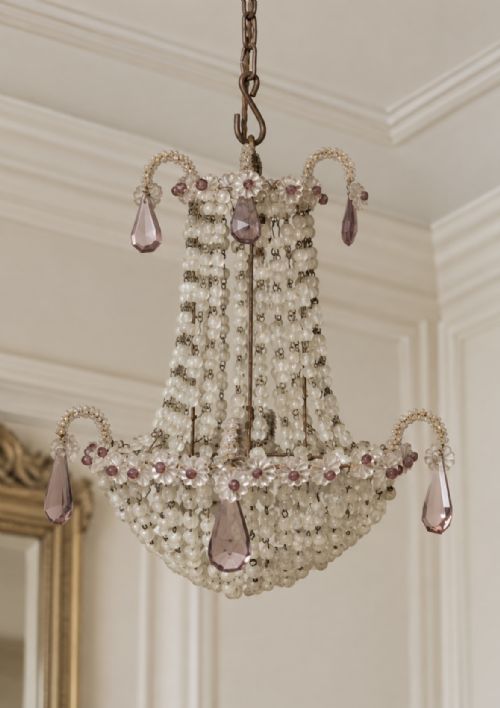
Makers and design traditions from continental Europe dominate the aesthetic, with styles spanning French Rococo, Neoclassical and Italian Florentine interpretations. Many pieces utilise gilded brass, gilt metal or dark brass, while others incorporate coloured glass fruits, amethyst crystals and smoked glass panels. This variety allows collectors to select pieces suited to grand reception rooms or smaller hallway spaces.
Materials and construction
Makers constructed these fixtures using cast and forged brass, gilded bronze, and gilt metal to build sturdy structural frameworks. Metal components often received a gilt finish or were left as dark brass, providing a robust skeleton that supported heavy glass shades and crystals.
Glasswork formed an essential element of construction, utilising bevelled glass panels, blown glass shades, and cut crystal drops. Craftsmen wired multiple light arms and internal candle tubes within the metal cages, frequently incorporating prisms and glass beads to refract light throughout the room.
Brass Cage Light Retail Price Guide 2026
Typical asking prices for brass cage light among the pieces listed under this phrase on Sellingantiques today, from the lower quarter to the upper quarter. They describe what is for sale here now, not the wider market.
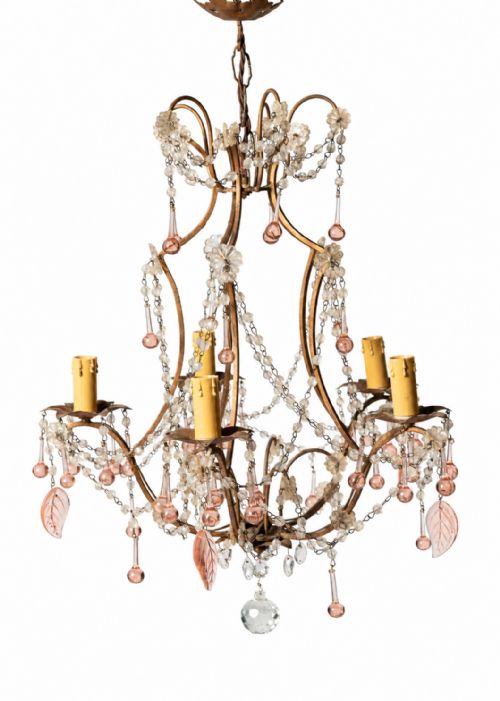
Some antique chandeliers incorporate glass fruits among the crystal drops, bringing a subtle orchard harvest directly into the drawing room ceiling.
Distinctions in craftsmanship
Quality rests in the weight and detail of the metal casting, especially where chased bronze or intricate ormolu mounts appear on the frame. Superior examples demonstrate precision in the alignment of the cage bars and secure seating for every glass panel or crystal drop.
The intricacy of the glass cutting and the clarity of the crystal components further elevate certain pieces above standard production. Hand-cut drops and heavy bevelled glass reflect light with greater brilliance than pressed glass alternatives.
La Mason Bagues
The Brass Cage Light Glossary
- Birdcage chandelier
- A lighting fixture featuring a metal framework resembling a birdcage, often hung with crystal drops and multiple internal light arms.
- Ormolu
- Gilded bronze produced by applying a mercury and gold amalgam to a bronze base, commonly found on nineteenth-century French light fittings.
- Hall lantern
- An enclosed hanging light designed specifically for entrance halls and corridors, typically featuring glass panels set within a brass frame.
- Cut crystal
- High-lead glass shaped by grinding and polishing to create sharp facets that maximise light refraction.
- Toleware
- Enamelled and painted metalware used in decorative light fittings and floral motifs.
Brass Cage Light: Frequently Asked Questions
Where should I hang a brass cage light?
These fixtures suit entrance halls, high-ceilinged stairwells, and reception rooms where their hanging drop and metal frame can command visual space. Pendant lanterns and hall lights work particularly well in transitional zones that benefit from enclosed directional illumination.
Larger multi-arm chandeliers require sufficient clearance below to allow safe passage beneath the lowest crystal drops or glass panes.
How do I date a brass cage light?
Dating relies on examining the casting techniques, the style of the metalwork, and the type of glass or crystal employed in the construction. Nineteenth-century examples often feature heavy gilded bronze frames and hand-cut crystal prisms, while Edwardian pieces frequently utilise simpler brass structures and bevelled glass panels.
Wiring inspection also offers clues, though many antique fixtures have been rewired for modern electrical standards during their lifetime.
How are these lights cleaned?
Maintenance involves gentle dusting with a soft brush and wiping glass panels with a mild glass cleaner applied to a cloth rather than sprayed directly onto the metal. Care must be taken around gilded surfaces and delicate crystal drops to preserve the original finish.
Heavily patinated brass benefits from leaving the accumulated age undisturbed rather than polishing it to a bright shine.