




Blue Gemstone Studs
Blue gemstone studs bring together quiet metals and cool stones, offering an understated way to wear colour close to the ear.
Blue Gemstone Studs
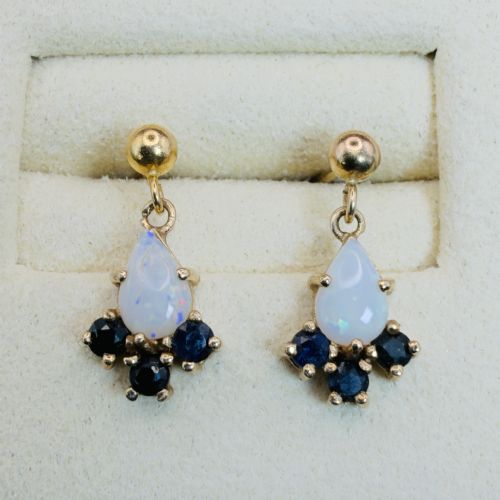
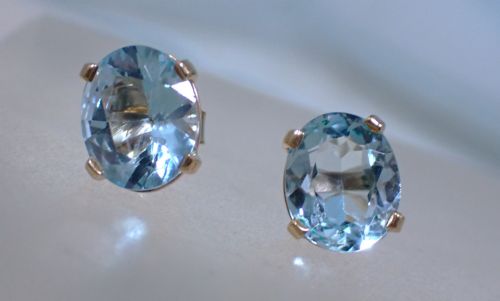
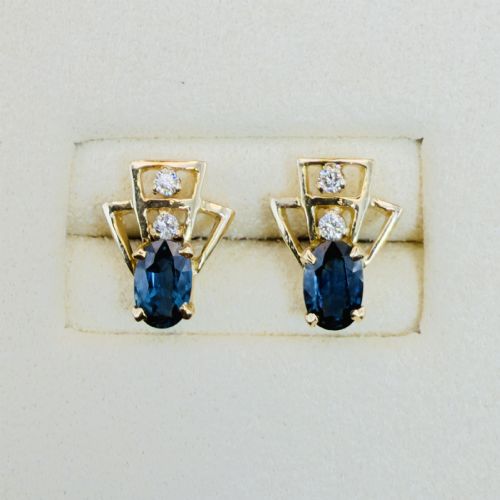
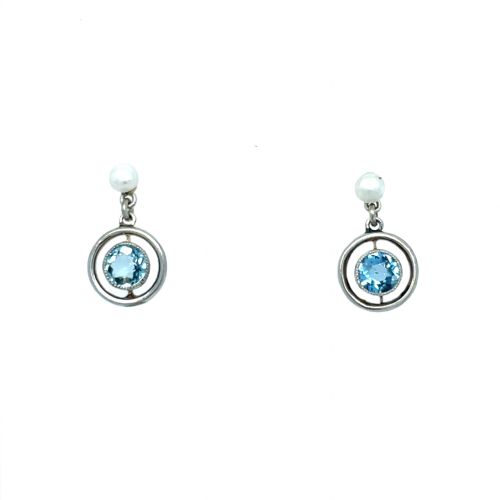
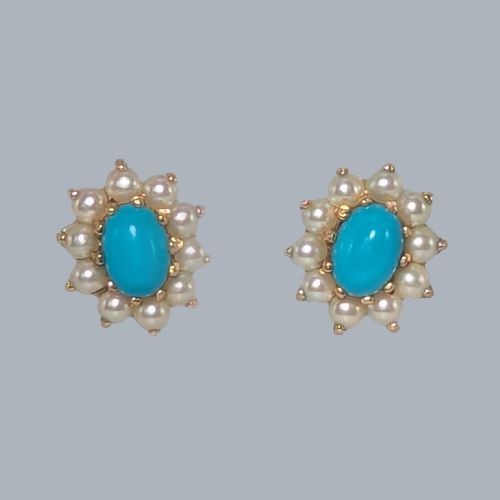
Blue gemstone studs encompass a range of designs spanning the Edwardian era through the mid-twentieth century, capturing shifts in taste from delicate cluster work to clean geometric lines. When exploring blue gemstone studs, buyers typically encounter pieces shaped in gold, white gold, and platinum, often paired with diamond accents.
Materials and construction methods
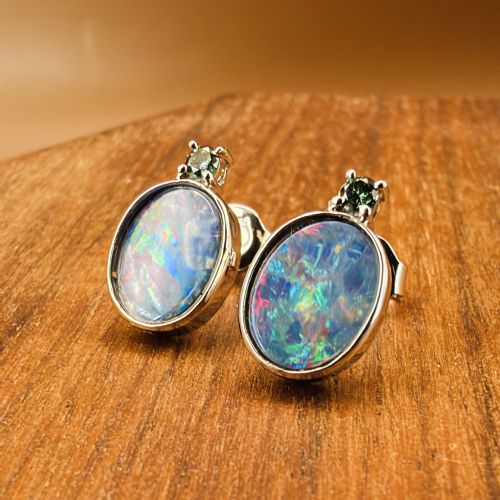
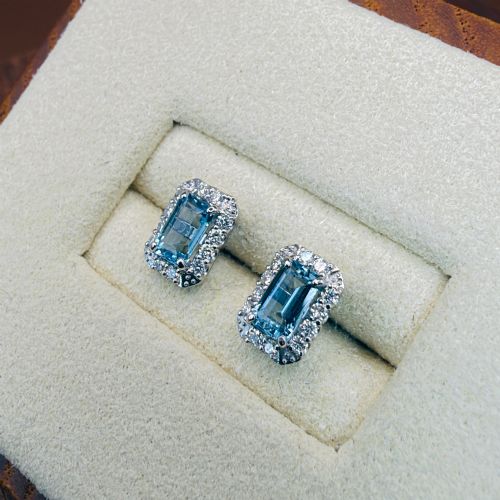
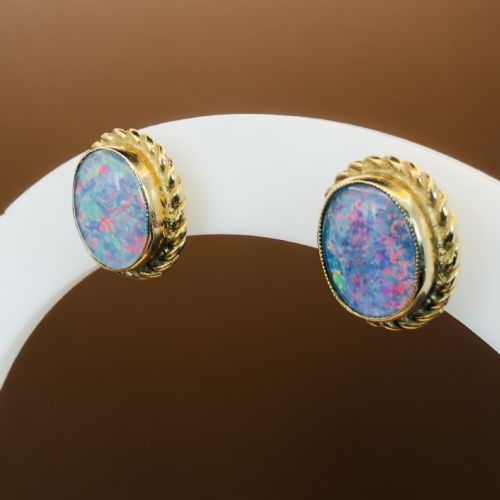
The metals utilised in these earrings range from nine-carat and eighteen-carat yellow and white gold to platinum, chosen for their durability and ability to securely hold precious stones. Gemstones such as sapphire, aquamarine, zircon, turquoise, and lapis lazuli are cut into oval, pear, square, and emerald shapes before being mounted into settings.
Cluster configurations rely on tightly grouped diamond accents surrounding a central blue stone, requiring precise claw or bezel settings. Workmanship from the Edwardian period to the nineteen-sixties demonstrates hand-finished detailing, including filigree work and secure post or screw backs designed for daily wear.
Blue Gemstone Studs Retail Price Guide 2026
Typical asking prices for blue gemstone studs among the pieces listed under this phrase on Sellingantiques today, from the lower quarter to the upper quarter. They describe what is for sale here now, not the wider market.
Listings span platinum and gold settings incorporating aquamarine, sapphire, zircon, and turquoise across periods from the Edwardian era to the late twentieth century.
Factors influencing quality
Quality rests heavily on the saturation, clarity, and cut of the primary blue gemstone, alongside the matching and brilliance of any surrounding diamonds. Stones with even colour distribution and minimal inclusions command greater attention from collectors.
The weight and purity of the mounting metal also define the tier of a piece, with solid platinum and higher karat golds providing structural integrity. Superior craftsmanship shows in the symmetry of cluster arrangements and the neat execution of stone settings.
The Blue Gemstone Studs Glossary
- Cluster
- A setting style where a larger central gemstone is surrounded by a ring of smaller stones, typically diamonds. This arrangement maximises light reflection and visual presence on the earlobe.
- Bezel
- A method of stone setting where a thin metal collar wraps entirely around the girdle of the gem. It offers a sleek profile and secure protection for softer stones.
- Filigree
- Openwork metal decoration formed with fine twisted wire soldered into intricate patterns. It appears frequently in Edwardian and mid-century pieces to add lightness and texture.
- Doublet
- A composite gemstone made of two separate layers, often combining a genuine top section with a supportive base. This technique was utilised to enhance colour or increase stone volume.
- Zircon
- A natural mineral occurring in various shades of blue, prized for its high refractive index and strong dispersion. It provides exceptional brilliance when faceted.
Blue Gemstone Studs: Frequently Asked Questions
How do I care for antique earrings?
Clean antique settings gently using a soft brush and warm soapy water, avoiding harsh ultrasonic cleaners that can dislodge glued stones or damage softer materials like turquoise and opal. Store each pair separately in a lined box to prevent metal scratching and stone abrasion.
Regularly check the security of the butterfly backs and post joints with a magnifying glass to ensure the metal has not worn thin through decades of use.
Are these earrings comfortable for daily wear?
Most stud configurations sit close to the earlobe, making them practical for everyday routines without catching on clothing or hair. Drop variants add slight movement while remaining light enough for extended wear.
Consider the weight of larger cluster designs, as heavier stones may require supportive backs to keep the setting facing forward correctly on the ear.
How do I date a pair of vintage studs?
Dating relies on stylistic clues such as the geometric precision of Art Deco designs from the nineteen-twenties or the organic motifs found in nineteen-fifties pieces. Hallmarks stamped on the metal posts or butterfly clips often provide official assay office stamps and date letters for verification.
Setting techniques also shift across decades, moving from fine platinum millgraining in Edwardian items to heavier cast white gold mountings in mid-century examples.
What is the difference between aquamarine and sapphire?
Sapphire belongs to the corundum mineral family, offering deep blue tones and exceptional hardness well-suited for daily jewellery. Aquamarine is a variety of beryl, displaying pale greenish-blue or light cyan shades reminiscent of seawater.
Both stones appear across different historical periods in these listings, with sapphires frequently chosen for cluster arrangements and aquamarines often featured in emerald or oval cuts.