

Blue Floral Porcelain
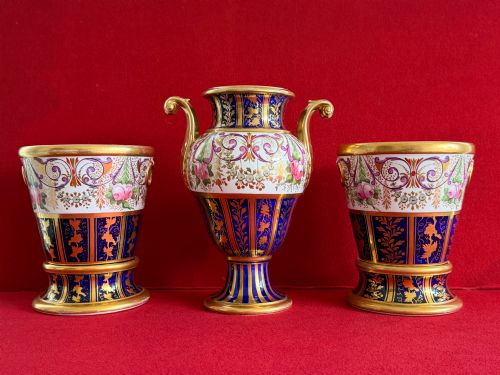
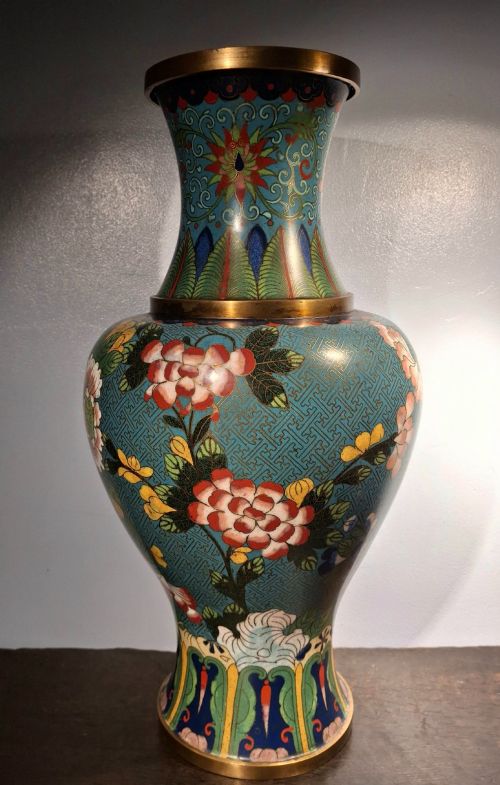
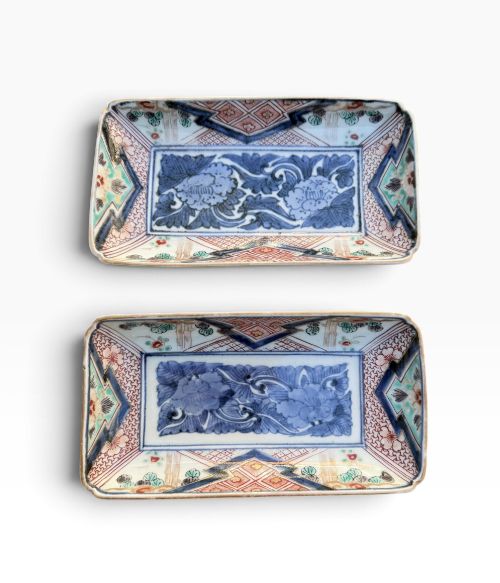
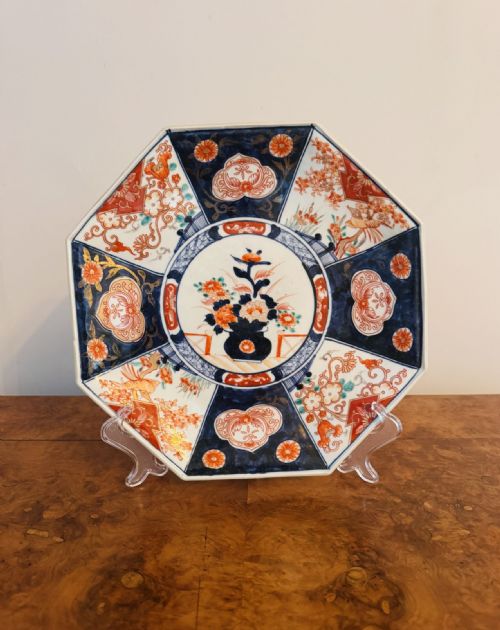
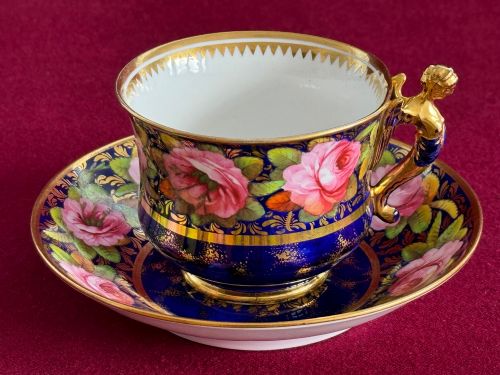
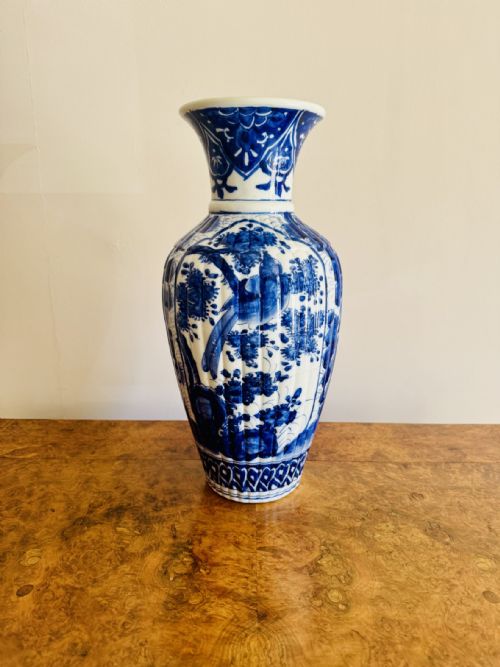
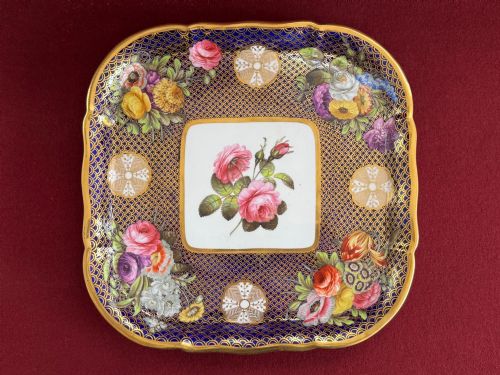
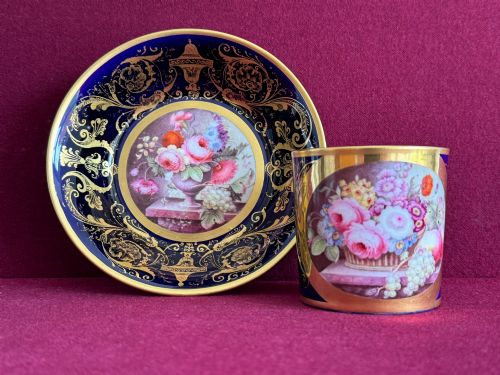
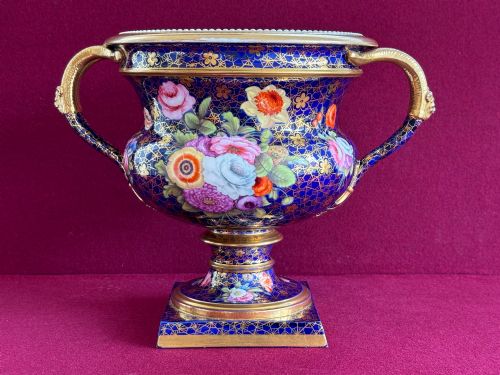
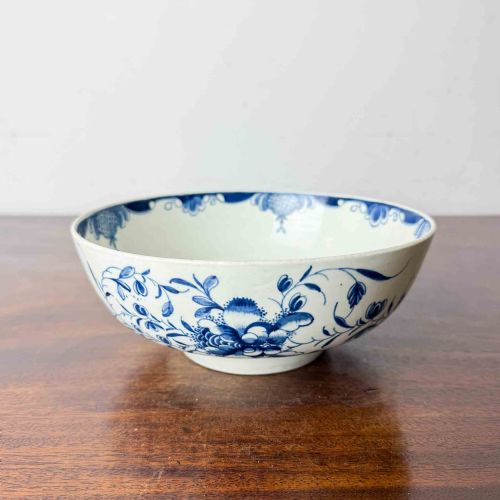
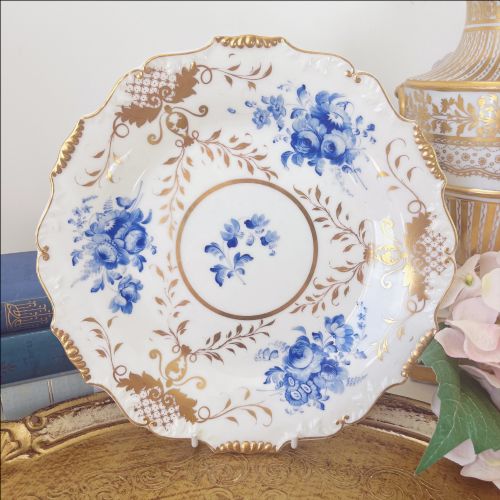
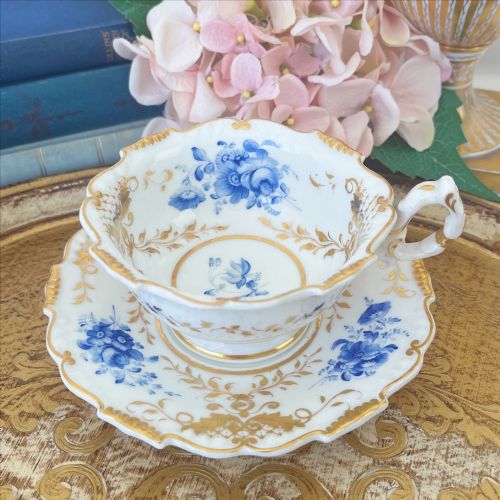
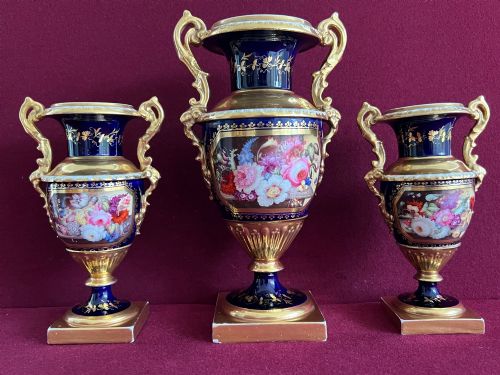
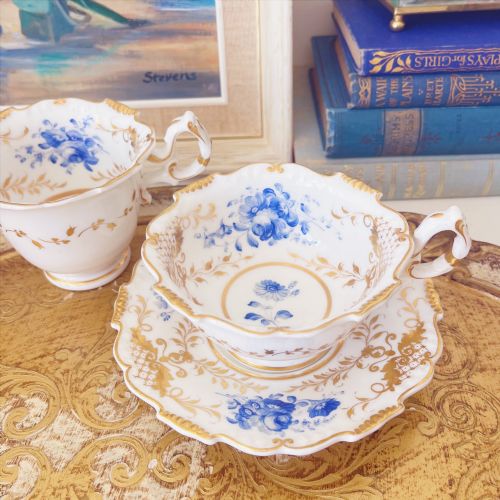
These pieces of blue floral porcelain bring together cobalt underglaze, handpainted botanical motifs and centuries of fine ceramic artistry.
Blue Floral Porcelain
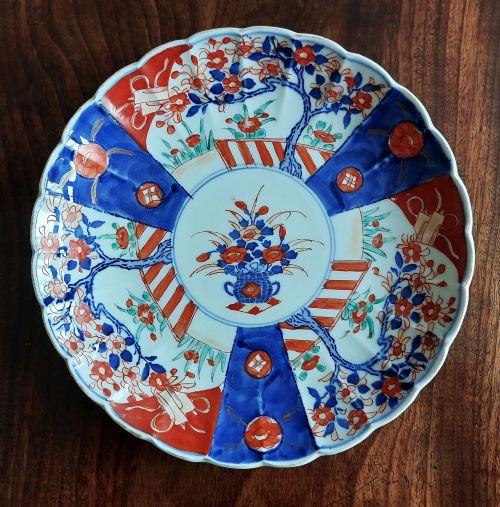
Blue floral porcelain encompasses a broad range of decorative and functional ceramics defined by blue pigment and floral designs. Buyers exploring this category encounter everything from 18th-century English tea vessels to large Japanese Imari chargers.
The pieces on this page span several centuries, with prominent representation from the 18th and 19th centuries. Common forms include decorative bowls, plates, vases, teapots and jardinieres originating from English, French, Chinese and Japanese kilns.
Early English porcelain works from factories like Worcester and Derby sit alongside robust Japanese Meiji period wares and Chinese export ceramics. This mix provides varied interpretations of floral decoration across distinct regional traditions.
Materials and construction
Makers shaped these items using fine porcelain, soft-paste porcelain, ceramic or ironstone as a base body. Artisans applied cobalt underglaze for deep blue tones, often augmenting the designs with enamel, gold leaf, gilding and gilt bronze trim.
Firing techniques varied from traditional Asian kiln methods to European soft-paste recipes developed in the 18th century. Handpainted brushwork dominates the decoration, though transfer printing also appears on domestic service items.
Materials across the inventory include porcelain, ironstone, enamel, gold leaf, cobalt underglaze and gilt bronze.
Factors of quality
Quality rests upon the precision of the handpainted brushwork and the depth of the cobalt underglaze. Finer examples display crisp botanical detail and smooth glaze surfaces without kiln blemishes or warping.
The sophistication of the form and the integration of secondary materials like gilt bronze mounts or gold leaf accents elevate a piece. Maker attribution and the clarity of factory marks further distinguish standard production from exceptional works.
Dr Wall Worcester·H & R Daniel·Newhall·Coalport·Masons Ironstone·Royal Crown Derby·Minton·Hicks & Meigh·Keeling & Co
The Blue Floral Porcelain Glossary
- Imari
- A style of Japanese porcelain featuring a palette of cobalt blue, iron red and gold. This decorative tradition heavily influenced European factories during the 18th and 19th centuries.
- Cobalt underglaze
- A blue pigment applied to the raw ceramic body before glazing and firing. The technique produces a durable design that sits beneath the protective glass layer.
- Soft-paste porcelain
- An artificial porcelain composite fired at lower temperatures than hard-paste. European factories utilised this mixture extensively during the 18th century.
- Transfer printing
- A mechanical method of applying complex patterns to ceramics via an engraved copper plate and tissue paper. This technique accelerated production in 19th-century potteries.
- Jardiniere
- A large ornamental pot or stand designed to hold live plants or flowers. These vessels often feature substantial blue and white floral decoration.
Blue Floral Porcelain: Frequently Asked Questions
How are blue floral porcelain chargers displayed?
Larger chargers and dishes work well mounted on walls using specialised plate hangers or displayed upright on sturdy plate stands. Their broad rims and central floral scenes make them effective focal points in traditional rooms.
Smaller plates and dishes fit comfortably within enclosed cabinet displays or on open shelving alongside compatible tea wares and ceramic services.
Can antique porcelain teapots be used?
Historical teapots and cups from the 18th and 19th centuries require careful handling due to the delicate nature of soft-paste bodies and aged glazes. Thermal shock from boiling water can stress antique ceramic structures.
Most collectors reserve these items for display rather than daily domestic service to preserve the handpainted enamel and gilt decoration.
What defines Imari porcelain?
Imari wares originate from Japan and utilise a distinct palette centred on cobalt blue underglaze combined with iron red and gold leaf highlights over the glaze. Designs frequently incorporate dense floral and botanical motifs.
European factories subsequently produced their own interpretations of this Japanese aesthetic throughout the Georgian and Victorian eras.
How do I identify 18th-century Worcester porcelain?
Early Worcester pieces often exhibit distinct blue scale grounds, fluted surfaces or delicate underglaze blue floral painting. Inspectors check for workman marks, crescent symbols or disguised numeral stamps on the underside.
The weight and translucency of the body also help differentiate period pieces from later Victorian revivals.