



Blue Floral Lamp
These blue floral lamp examples bring hand-painted pattern and ceramic form into domestic spaces, offering soft illumination paired with period character.
Blue Floral Lamp
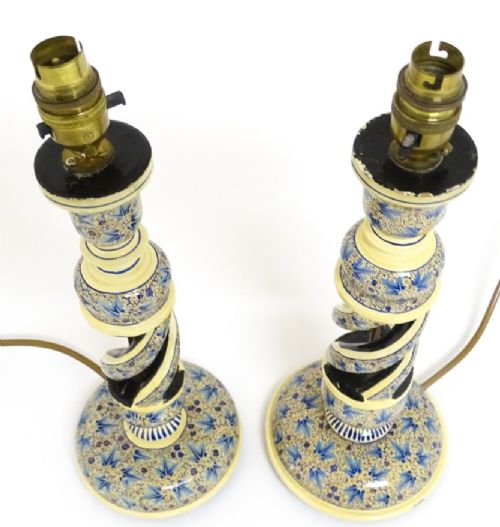
A blue floral lamp combines historic ceramic vessels, often originating from Chinese export kilns, French manufacturing centres, or Kashmiri workshops, with domestic lighting wiring. Buyers searching for a blue floral lamp typically encounter table lamps fashioned from converted vases, jars, and stoneware bodies dating from the eighteenth century to the early twentieth century.
How they were made
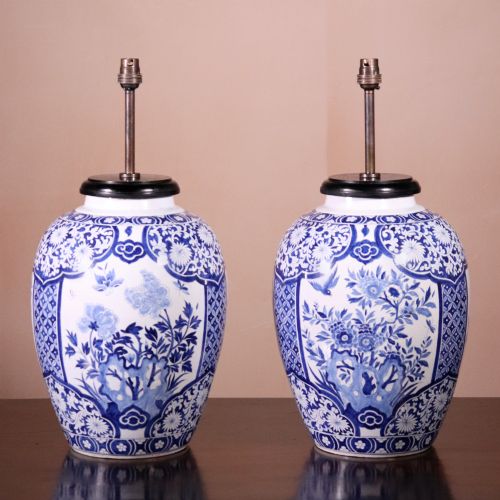
The body of a blue floral lamp relies on ceramic traditions, utilising porcelain, stoneware, or cloisonne enamel shaped by hand and fired in kilns. Artisans applied cobalt blue pigment beneath a transparent glaze to create the intricate floral designs, or worked cloisonne wire to contain the coloured enamel compartments.
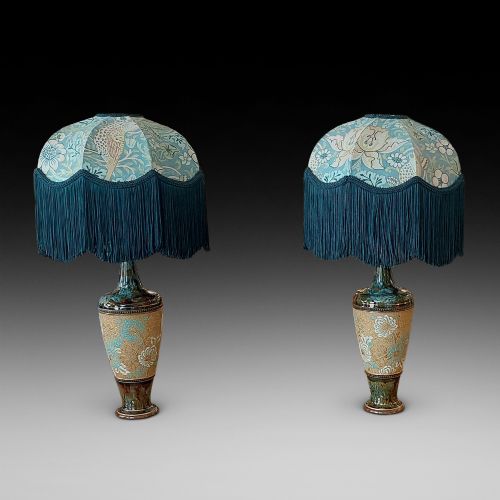
Metal components such as brass and ormolu often mount the ceramic bases, providing structural support and housing electrical fittings added during conversion. Silk and fabric shades frequently top these configurations, complementing the texture of the fired vessel below.
Blue Floral Lamp Retail Price Guide 2026
Typical asking prices for blue floral lamp among the pieces listed under this phrase on Sellingantiques today, from the lower quarter to the upper quarter. They describe what is for sale here now, not the wider market.
Listings feature periods from the eighteenth century to the 1930s, utilising materials including porcelain, brass, cloisonne enamel, and silk.
What varies in quality
Quality in a blue floral lamp rests upon the artistic merit and preservation of the ceramic body, alongside the integration of any metal mounts. Finer examples display crisp, hand-painted cobalt detail with deep cobalt tones and careful registration beneath the glaze, whereas lesser pieces show muddier pigment application or heavy, unrefined conversions.
The material integrity of the original vessel dictates the overall tier of the piece. Intact nineteenth-century porcelain and finely chased ormolu mountings command greater attention than later or more routine stoneware bodies.
Royal Doulton·French Baccarat·Sevres
The Blue Floral Lamp Glossary
- Baluster
- A vertical architectural form with a swelling lower portion resembling a vase, frequently seen in the silhouette of ceramic lamp bases. This shape provides stable proportions for table lighting.
- Cloisonne Enamel
- A metalwork technique where thin flat wires are soldered to a base to form raised partitions, which are then filled with coloured enamel pastes before firing. It creates distinct compartmentalised patterns.
- Ormolu
- Gilded bronze mounts cast and chased to embellish furniture and ceramic bases. It adds decorative metallic weight and structural framing to porcelain bodies.
- Stoneware
- A robust, vitrified ceramic fired at high temperatures to produce an impermeable body. Royal Doulton utilised this durable material for textured decorative vessels.
Blue Floral Lamp: Frequently Asked Questions
What is a blue floral lamp?
A blue floral lamp is a table lamp constructed using a historic ceramic vase, jar, or stoneware vessel decorated with blue floral patterns. These pieces range from eighteenth-century Japanese Arita porcelain to early twentieth-century Kashmiri painted works.
Most examples are converted from decorative vases, retaining their original hand-painted botanical motifs while functioning as practical interior lighting.
How old are these lamps?
The pieces span from the eighteenth century through to the early twentieth century, encompassing periods such as the nineteenth century and the 1920s and 1930s. Ceramic bodies are often older than the electrical fittings attached to them.
Dating relies on the style of the cobalt painting, the characteristics of the ceramic glaze, and the nature of any metal mounts or conversions.
Are these lamps converted from vases?
Many examples began as decorative vases, jars, or stoneware vessels before being adapted for use as table lamps. This conversion process preserves the artistic integrity of the original ceramic piece while giving it a new domestic function.
Collectors appreciate this duality, where historic decorative arts meet everyday utility.
How do I style a blue floral lamp?
These lamps suit both traditional and eclectic interiors, where their cobalt blue patterns can complement neutral colour palettes or contrasting textures. Placing them on side tables or desks highlights their hand-painted details.
Pairing the ceramic base with a simple fabric or silk shade allows the historic botanical motifs to remain the focal point of the room.