

Blue Canvas Art
Blue canvas art brings together centuries of oil painting on stretched fabric, from classical portraiture to mid-century modern landscapes.
Blue Canvas Art
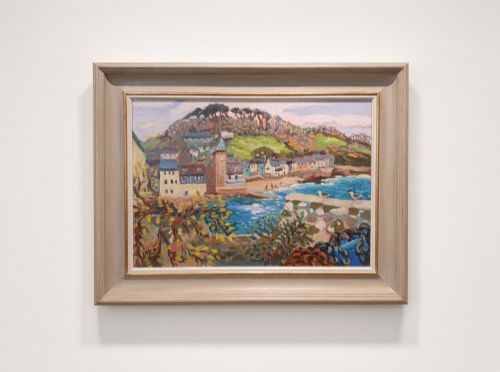
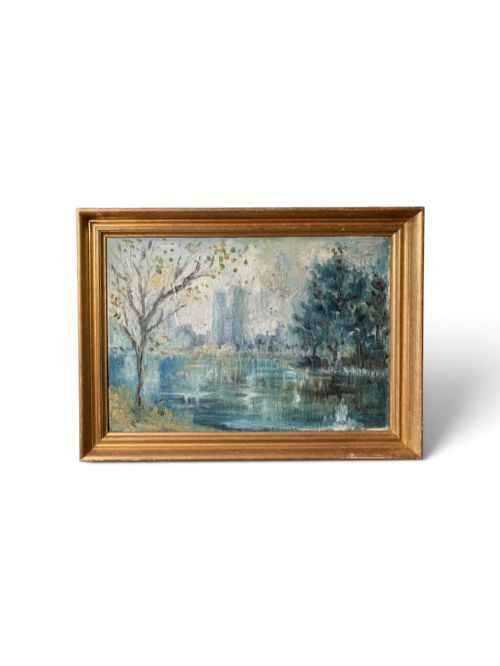
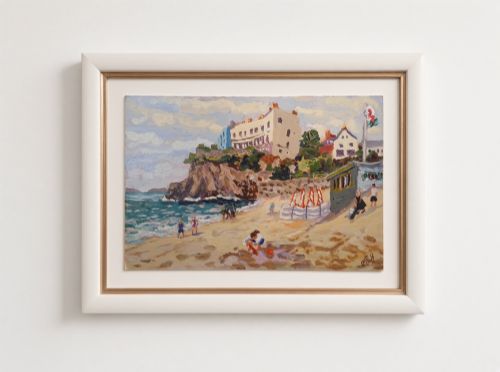
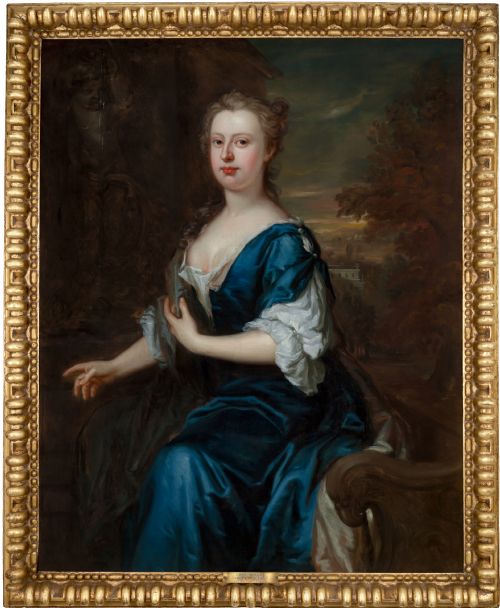
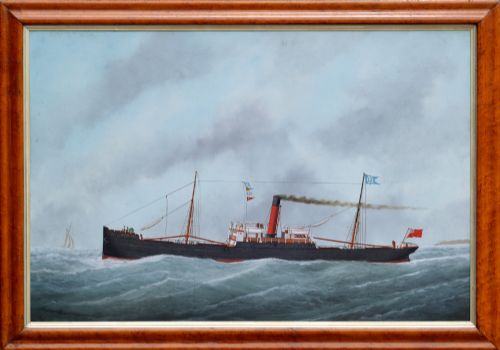
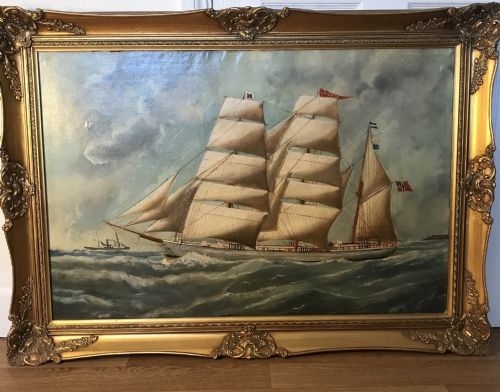
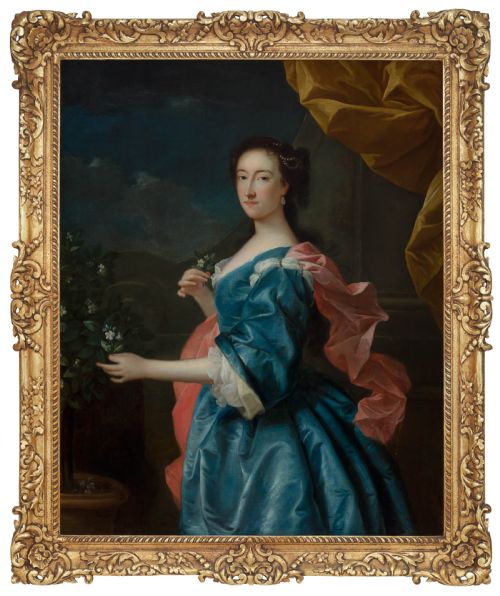
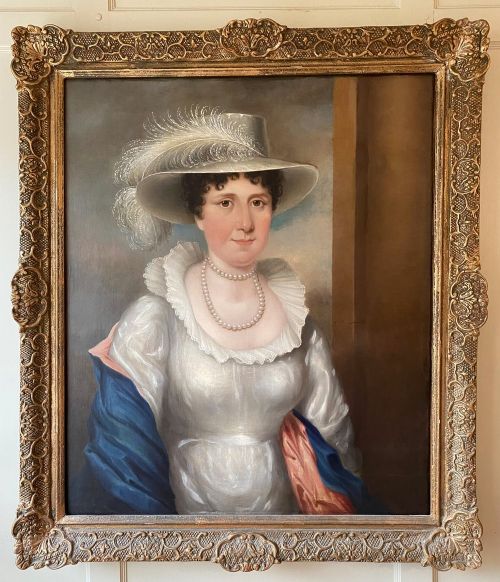
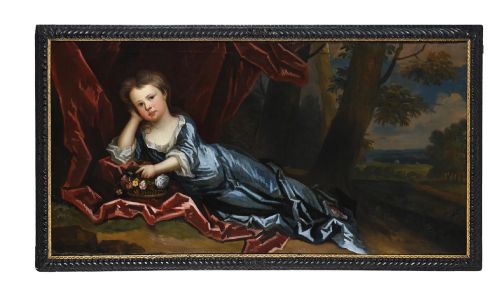
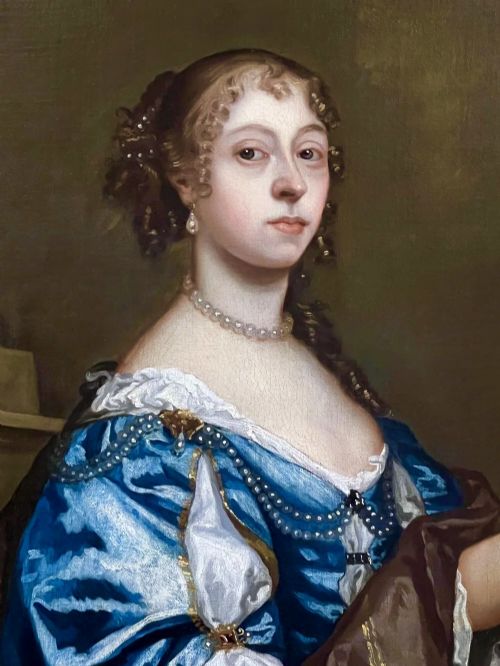
Collectors seeking blue canvas art encounter historical oil paintings where blue pigments dominate the composition, often through azure cloaks, dresses, or marine expanses. The selection spans from seventeenth-century aristocratic portraits to twentieth-century post-impressionist scenes.
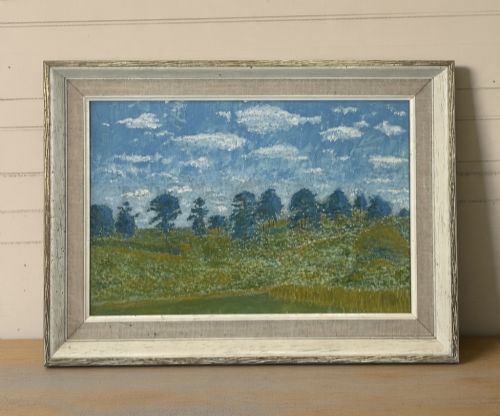
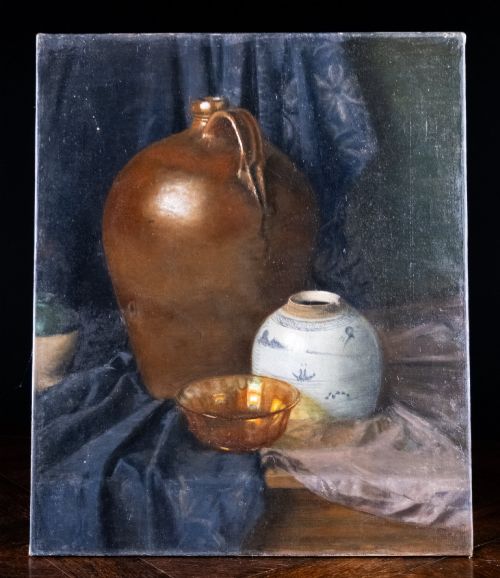
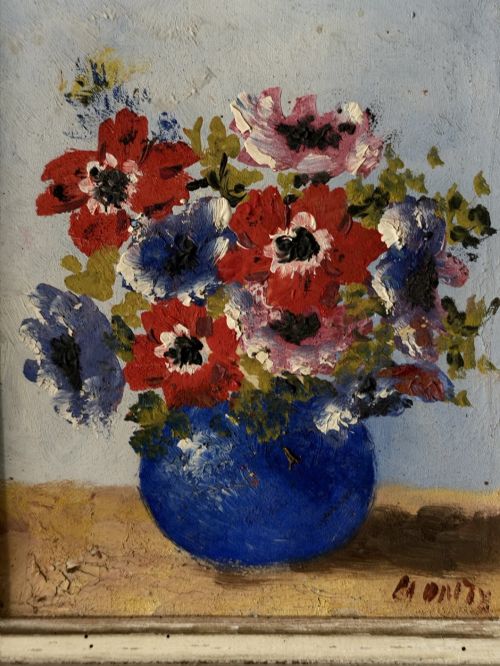
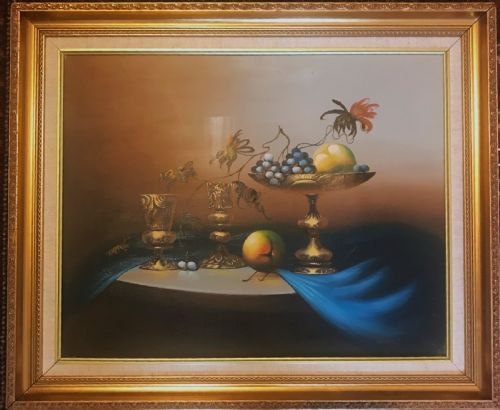
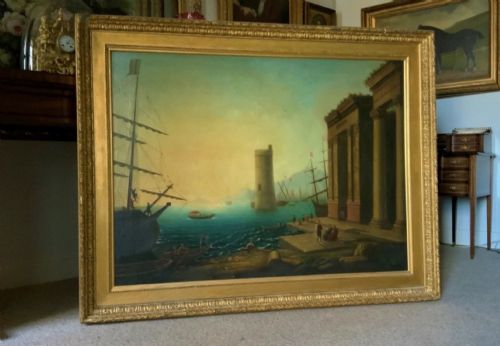
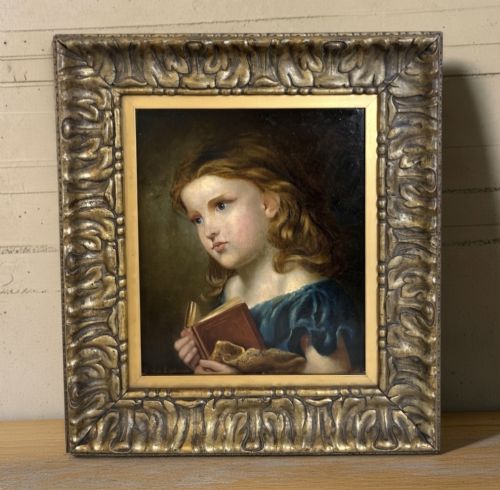
The pieces represented on this page lean heavily toward oil paintings on canvas, framed by wood or giltwood surrounds. Portraiture from the Georgian and Regency periods sits alongside later maritime seascapes and mid-century still life works.
Each canvas records the specific material handling of its period, utilising oil paint applied to woven textile supports. The subject matter ranges from formal sitters in blue wraps to Mediterranean landscapes and Venetian canals.
Materials and Technique
The works rely upon oil paint applied to stretched canvas, supported by wooden stretcher frames that maintain the tension of the textile. Painters built up compositions through successive layers of pigment, utilising the weave of the canvas to hold the medium.
Giltwood and carved wood frames frequently house these paintings, providing structural rigidity and aesthetic contrast to the dark or blue tones within the composition. The ground preparation of the canvas varied by century, employing chalk or gesso priming before the application of oil colours.
Blue Canvas Art Retail Price Guide 2026
Typical asking prices for blue canvas art among the pieces listed under this phrase on Sellingantiques today, from the lower quarter to the upper quarter. They describe what is for sale here now, not the wider market.
Materials recorded in the inventory include oil paint, canvas, wood, and giltwood frames.
Factors of Quality
The integrity of the canvas surface and the stability of the oil paint layer dictate the condition grade. Original stretchers and untouched paint surfaces retain the authentic character of the period.
Francis Lindo·Charles Jervas·Joseph Vivienne·Michael Dahl·Thomas Murray·Constantyn Netscher·Henry Pickering·Jeremiah Davison·Pieter Borsseler·Lemuel Francis Abbott·Sir Joshua Reynolds·Alfred Pollentine
The Blue Canvas Art Glossary
- Canvas
- A heavy woven fabric, typically linen or hemp, used as a surface for oil painting. It is stretched tightly over a wooden frame before work begins.
- Giltwood
- Wood that has been coated with a thin layer of gold leaf or gold powder. This material appears frequently on the decorative frames enclosing historical oil paintings.
- Oil Paint
- A slow-drying paint made by mixing pigments with a drying oil, most commonly linseed oil. This medium allows for subtle blending and rich colour depth.
- Stretcher
- The wooden framework upon which a painter's canvas is secured and tensioned. Antique stretchers often show wedge keys in the internal corners.
- Post-Impressionism
- An art movement developing roughly from the late nineteenth century that extended impressionist handling while rejecting its limitations. Works from this style often emphasise vivid colour and expressive brushwork.
Blue Canvas Art: Frequently Asked Questions
What is blue canvas art?
Blue canvas art comprises historical oil paintings on stretched fabric where blue pigments form a central element of the visual composition. These works include portraits featuring blue cloaks or dresses, alongside maritime seascapes and landscapes.
The pieces span multiple centuries, reflecting the changing conventions of portraiture and landscape painting from the seventeenth century through to the mid-twentieth century.
How should I care for an oil painting on canvas?
Keep canvas paintings away from direct sunlight and sources of extreme heat or humidity to prevent the fabric from sagging and the oil paint from cracking. Dust the surface gently with a soft, dry brush without applying pressure.
Avoid using water or liquid cleaning agents on the painted surface or the giltwood frame, as moisture damages historical pigments and ground layers.
How do I date an antique oil painting?
Dating relies upon stylistic clues within the subject's clothing, hair style, and the construction methods of the wooden stretcher frame behind the canvas. Canvas weaves and nail types also offer physical evidence of the period.
Signatures, inscriptions, and attribution records help connect specific works to known artists or regional schools of painting from particular centuries.
Where were these paintings displayed?
Historical portraits and landscapes typically hung in country houses, drawing rooms, and institutional galleries as symbols of status and cultural appreciation. Portraits of merchants and nobility recorded family lineages over generations.
Smaller landscape and still life works found places in domestic interiors, reflecting the changing tastes of collectors across the nineteenth and twentieth centuries.