


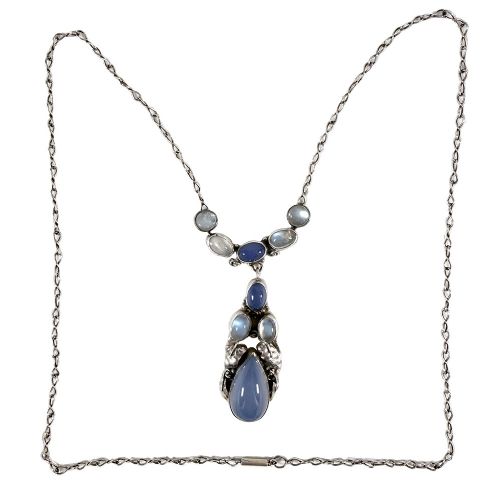


Blue and Silver Necklace
A blue and silver necklace brings together cool metal and vibrant vitreous colour, uniting the artisanal work of the Arts and Crafts movement with later modernist design.
Blue and Silver Necklace
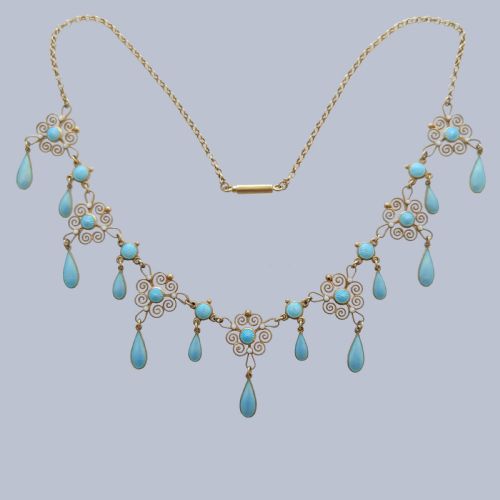
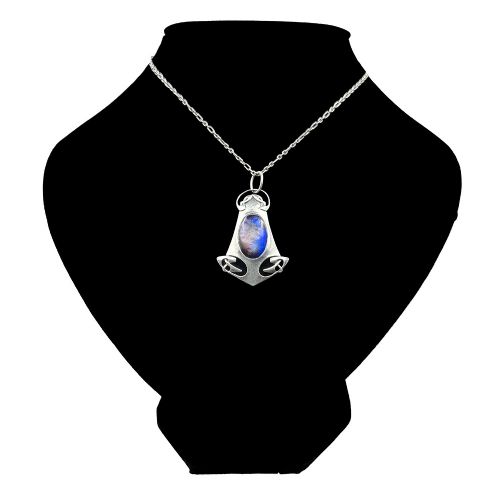
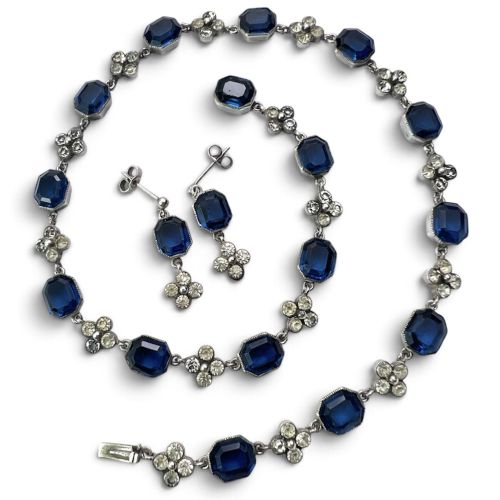
A blue and silver necklace embodies centuries of decorative metalwork, encompassing delicate pendants, multi-stone collars, and structured sets. When you search for a blue and silver necklace, you meet pieces that range from organic floral motifs to clean geometric lines.
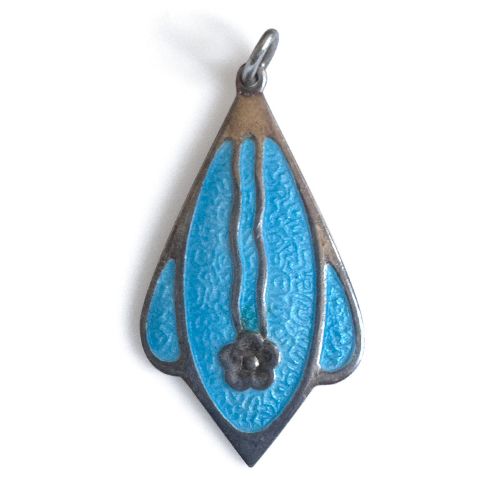
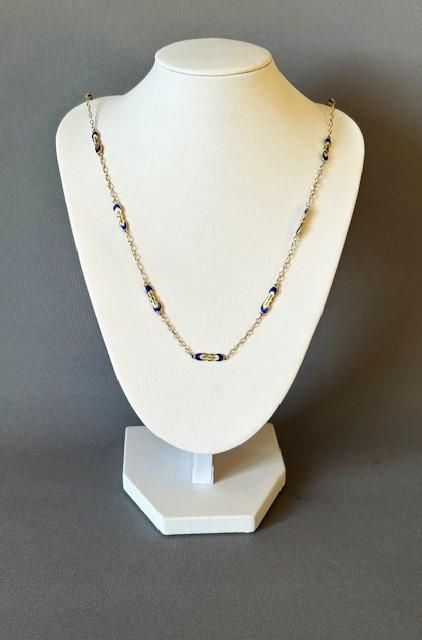
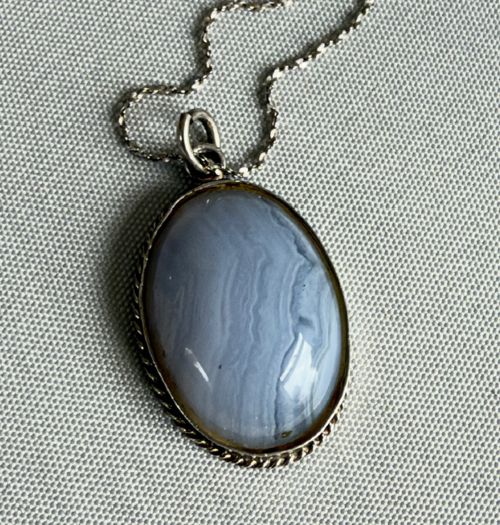
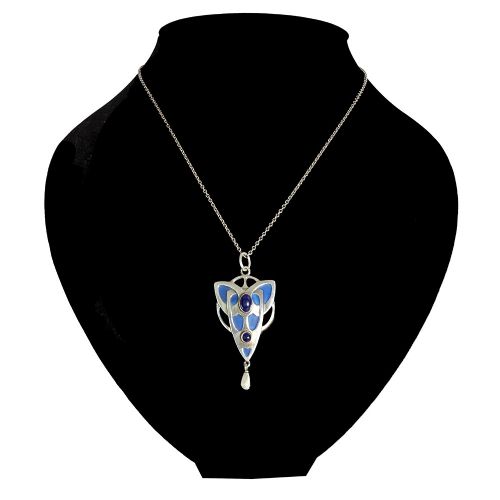
The selections span distinct periods including the Victorian era, the Edwardian years, and the mid-century decades. Arts and Crafts and Art Nouveau designs appear frequently, often combining blue enamel or chalcedony with sterling silver mounts.
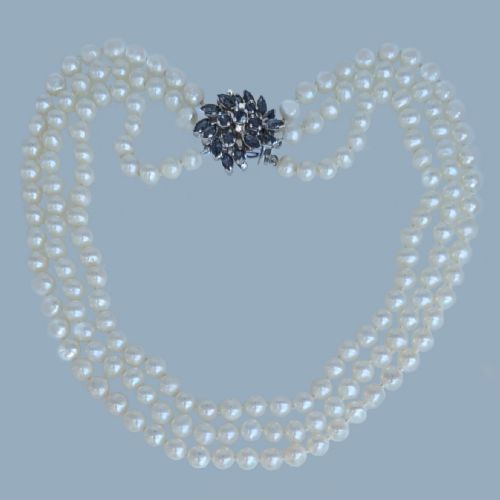
Makers working within these styles produced everything from dainty drop pendants to bold collar necklaces. Certain examples incorporate pearls, moonstones, or blue topaz alongside the primary silver and blue elements.
How they were made
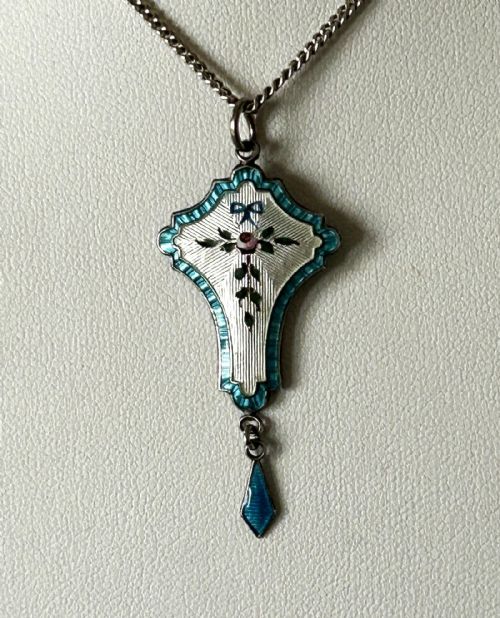
Silversmiths shaped sterling silver and white gold through casting, hammering, and filigree work to form the structural foundations of these pieces. Enamelling techniques, including guilloche and cloisonne, introduced durable blue vitreous colour to the metal surfaces.
Craftspeople set natural gems such as sapphires, moonstones, opals, and turquoise into the metal housings using bezels or prongs. Pearls and blister pearls frequently suspended from the lower edges of pendants to complete the composition.
Blue and Silver Necklace Retail Price Guide 2026
Typical asking prices for blue and silver necklace among the pieces listed under this phrase on Sellingantiques today, from the lower quarter to the upper quarter. They describe what is for sale here now, not the wider market.
Listings feature items spanning the 19th century through the 1960s, incorporating silver, gold, white gold, enamel, pearls, chalcedony, moonstones, and sapphires.
What varies in quality
The refinement of the metalwork and the depth of the enamel separate standard items from superior examples. Master workshops applied precise enamelling that sits evenly within the silver cells without cracking or discoloration.
The selection and matching of stones also define the calibre of a piece. High-grade items display stones with strong natural chatoyancy or clear crystalline colour, secured cleanly within hand-wrought silver settings.
Archibald Knox·Liberty and Co·Murrle Bennett·Marius Hammer·Mary Thew·Wilhelm Fuhner·Dorrie Nossiter·Thomas L Mott·Charles Horner·Amy Sandheim·Jakob Bengel
The Blue and Silver Necklace Glossary
- Guilloche
- An ornamental engine-turning technique that etches a precise, intricate pattern into metal beneath translucent enamel. This method creates a shimmering depth across the surface of pendants and lockets.
- Chalcedony
- A cryptocrystalline variety of quartz that appears in translucent blue tones within antique jewellery. Makers favoured this smooth stone for Arts and Crafts and Art Nouveau pendants.
- Festoon necklace
- A decorative neck ornament featuring draped chains or swags of beads suspended across the chest. These pieces often incorporate central drop pendants set with gemstones.
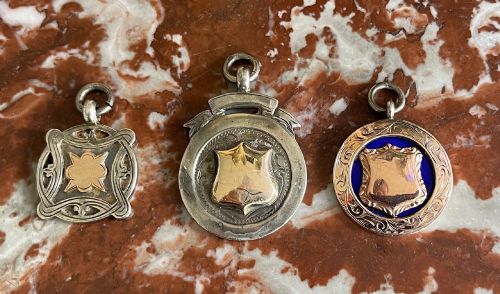
- Watch fob
- A short ornamental chain or pendant formerly attached to a pocket watch. Many survive as standalone silver pendants or components converted into modern necklaces.
- Vitric enamel
- A glass-like substance fused to metal under high heat to produce permanent colour. It forms the vibrant blue fields seen in Edwardian and Arts and Crafts jewellery.
Blue and Silver Necklace: Frequently Asked Questions
What periods do these necklaces come from?
The available pieces span the nineteenth century through to the 1960s, capturing distinct historical shifts in design. You will find items representing Victorian, Edwardian, Arts and Crafts, Art Nouveau, Art Deco, and mid-century modern movements.
Each era brought its own aesthetic, moving from ornate nineteenth-century filigree to the stylised geometric forms of the 1930s and the cleaner profiles of the 1950s and 1960s.
How do I care for silver and enamel jewellery?
Silver components benefit from gentle cleaning with a soft microfibre cloth to maintain their lustre without abrading the metal. Enamel requires particular care to avoid harsh chemical dips that can dull the vitreous surface.
Store your necklaces individually in soft pouches to prevent the silver links or stone settings from scratching neighbouring pieces.
Are the blue stones always natural?
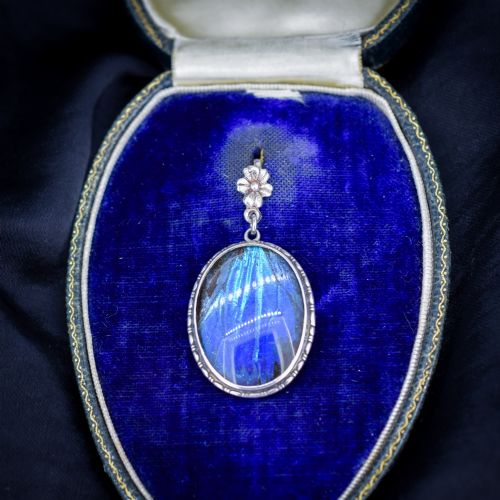
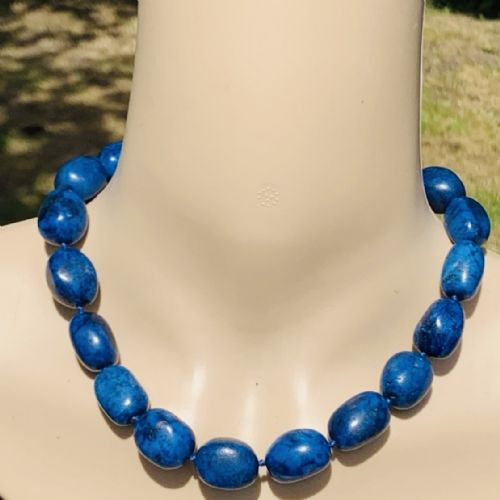
The blue elements across these listings include a mix of natural gemstones, vitreous enamel, butterfly wing, and paste substitutes. Evidence shows sapphires, blue topaz, lapis lazuli, chalcedony, iolite, and turquoise alongside glass pastes and hand-fired enamels.
Examining the setting and material consistency helps identify whether a blue component is an untreated mineral or an applied artisan finish.
How do I distinguish Arts and Crafts from Art Nouveau?
Arts and Crafts pieces typically emphasise hand-wrought silver textures, visible tool marks, and medieval or Celtic-inspired motifs. They often feature cabochon stones like moonstones and chalcedony in heavier bezels.
Art Nouveau designs lean towards sinuous, asymmetrical plant stems, insect wings, and flowing floral lines, frequently enhanced with translucent plique-a-jour or guilloche enamel.