





Black Base Lamp
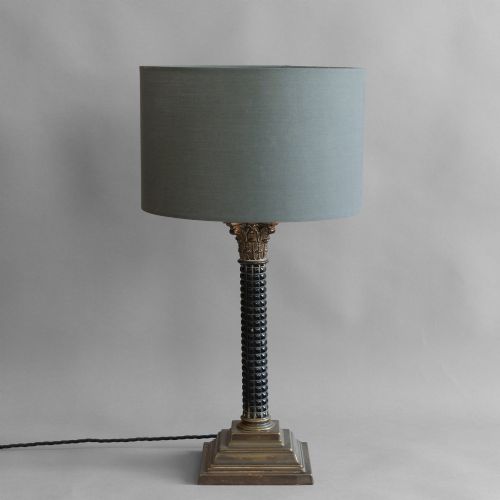
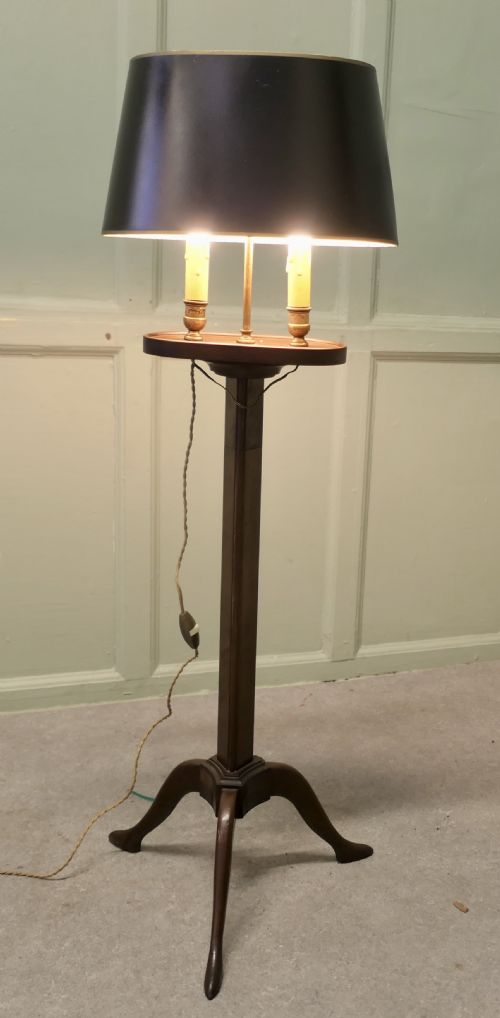
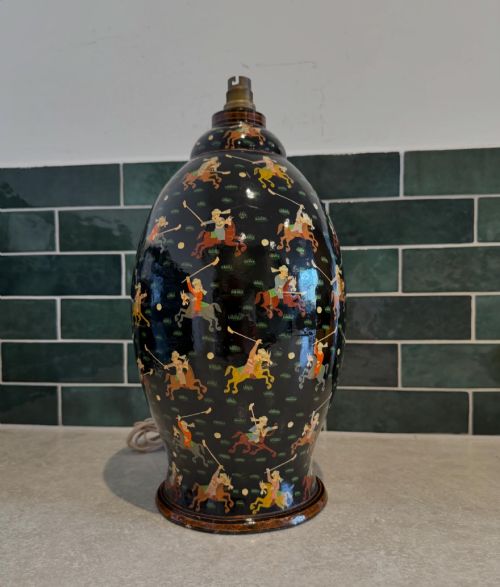
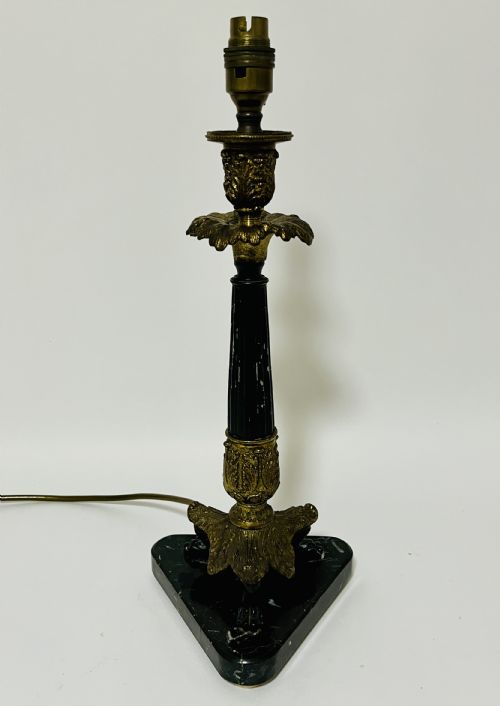
A black base lamp anchors a room with a dark, grounding footprint, bringing period weight and silhouette to a table or corner.
Black Base Lamp
A black base lamp brings together lighting forms and dark foundations, spanning from Victorian oil burners to Art Deco desk designs. When you search for a black base lamp, you encounter pieces that rely on heavy footings of marble, glass, iron, lacquer or enamel to ground the structure.
The selections here stretch across the nineteenth century into the 1920s and 1930s, encompassing standard lamps, table lights and converted oil lamps. Many examples integrate classical revival columns, French empire styling or modernist geometry directly into the dark mounting.
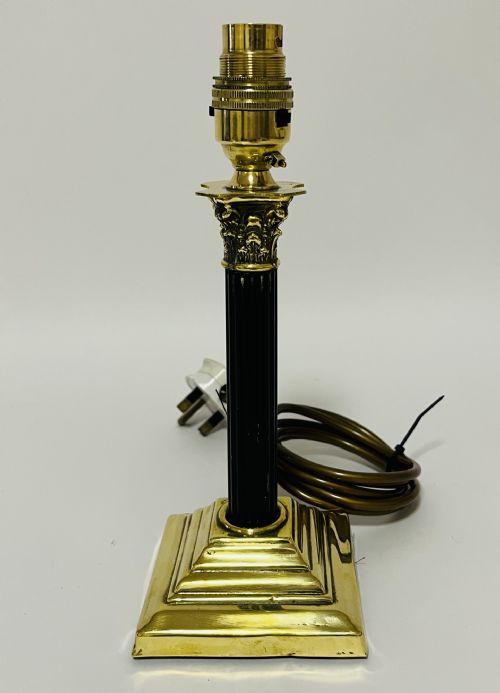
Victorian and Edwardian iterations frequently pair brass fittings with black glass or ceramics, while later twentieth-century pieces lean towards bakelite, enamel and Toleware. The physical presence of the dark base provides the defining visual weight for each lighting piece.
Materials and construction
Construction relies heavily on contrasting metals and dense natural foundations, pairing brass, gilt metal, bronze, copper and steel with polished marble, black glass, iron and lacquered wood. Artisans shaped these elements by turning columns, casting ormolu mounts, enamelling iron bases, and hammering copper sheets.
Many items originated as oil lamps or fluid burners before undergoing later conversion to electricity, retaining their original metal reservoirs and burners. Wiring adjustments and structural modifications are standard across older examples to meet modern functional requirements.
Black Base Lamp Retail Price Guide 2026
Typical asking prices for black base lamp among the pieces listed under this phrase on Sellingantiques today, from the lower quarter to the upper quarter. They describe what is for sale here now, not the wider market.
Naval gimbal lamps kept the light steady during rough seas, ensuring your reading stays level even in a storm.
Evaluating quality and execution
Quality reveals itself in the crispness of metal casting, the density of the marble or glass foundation, and the integrity of the original surface finish. Superior examples display precise hand-chasing on gilt brass or bronze, clean enamelling, and well-balanced proportions between the dark base and the upper fixture.
Artisanal touches like hand-painted details, distinct maker stamps, or integrated gimbal mechanisms elevate a piece above standard utility items. The integration of original patination without excessive restoration separates finer antique specimens from lesser decorative productions.
Eileen Grey·Karl Palda·Samuel Alcock
The Black Base Lamp Glossary
- Ormolu
- Gilded bronze or brass applied to decorative objects and lamp mounts. It provides a bright metallic contrast against dark stone or metal bases.
- Toleware
- Painted or enamelled tinplate used for lamp bodies and shades. This technique creates a durable, dark matte surface finish common in Empire styles.
- Gimbal
- A pivoted ring mounting that allows a lamp to remain level on a ship or uneven surface. It appears on naval and utilitarian metal lighting.
- Bakelite
- An early synthetic thermosetting plastic utilised in twentieth-century design. It forms smooth, dark moulded components on Art Deco desk lamps.
- Guéridon
- A small round occasional table or stand occasionally adapted for lighting support. These pieces often feature ebonised or dark tripartite bases.
Black Base Lamp: Frequently Asked Questions
How do I date a black base lamp?
Dating relies on identifying material combinations, manufacturing techniques, and stylistic markers such as Victorian brass work or Art Deco geometry. Examining the wiring compartment, switches, and base construction helps narrow the production era.
Heavier marble and cast bronze mounts typically indicate nineteenth-century origins, whereas bakelite, streamlined metals, and bright enamel point towards the 1920s and 1930s.
Can I use an old oil lamp converted to electricity?
Most converted oil lamps function safely with modern bulbs once professional rewiring and safety checks are complete. These pieces retain their original burners and reservoirs while accommodating standard modern lamp holders.
Positioning requires a sturdy surface to support the substantial weight of the stone or metal footings typical of these converted designs.
What styles match a black base lamp?
These lamps integrate easily into both traditional and contemporary interiors due to their neutral dark foundations. Classical revival columns suit period libraries, while sleek Art Deco forms complement modernist spaces.
The contrast between dark bases and polished brass or gilt metal provides a natural focal point on side tables, desks, and sideboards.
Are these lamps wired for modern use?
Many listings note recent rewiring, though older items may require professional updates to comply with current electrical standards. Buyers should inspect the cord and plug condition upon acquisition.
Standard household bulbs fit most converted oil lamps and standard lamps, though shade fittings may require appropriate adapters depending on the age of the gallery.