

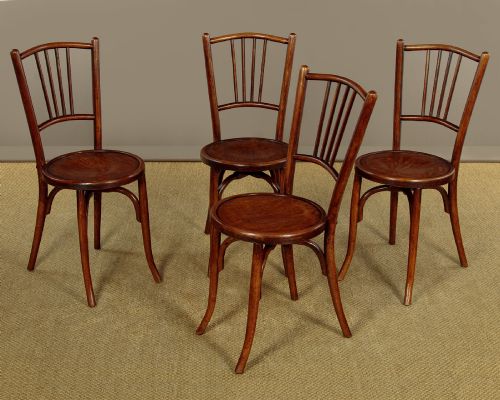
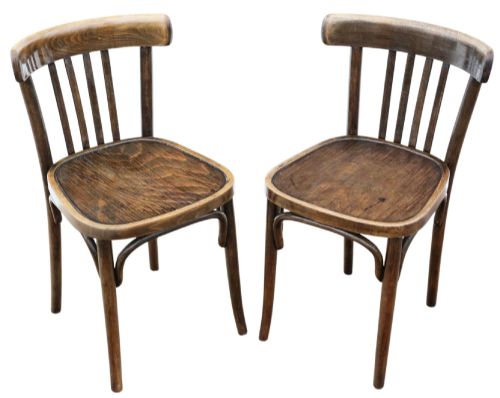
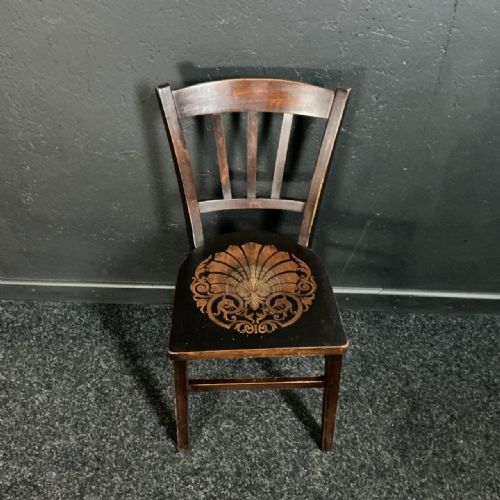


Bentwood Dining Seats
These bentwood dining seats are practical classics of curved timber, shaped by steam and pressure to bring enduring character to any table.
Bentwood Dining Seats
You are most likely to meet pieces originating from the nineteenth and twentieth centuries, including Edwardian examples and mid-century items. These encompass regional vernacular types alongside Austrian bentwood designs.
The assortment spans straightforward dining chairs and supportive armchairs suited to domestic and commercial interiors alike. Beechwood and plywood appear frequently alongside elm and ash.
Makers such as Thonet, Codina, Mundas, and J&J Kohn Ltd shape the historical range available to buyers. Sets vary from pairs up to ten matching chairs.
How they were made
Makers utilise steam to soften timber such as beech and beechwood before bending the grain into sweeping curves using metal straps and wooden forms. This process allows structural frames and backrests to emerge from single continuous pieces of wood.
Plywood and cane frequently form the seats inserted into these bent timber frames. Ash and elm also appear in vernacular construction methods alongside traditional bentwood techniques.
Bentwood Dining Seats Retail Price Guide 2026
Typical asking prices for bentwood dining seats among the pieces listed under this phrase on Sellingantiques today, from the lower quarter to the upper quarter. They describe what is for sale here now, not the wider market.
Listings feature periods spanning from the nineteenth century through the Edwardian era up to the 1960s.
What varies in quality
The integrity of the steam-bent frame separates standard examples from superior pieces, with tighter curves and firmer joinery indicating better craftsmanship. Well-preserved cane and intact plywood seats elevate the overall standard of a chair.
Attribution to recognised workshops like Thonet or J&J Kohn Ltd distinguishes certain pieces through stamped marks and refined proportions. Sets that retain a uniform appearance across multiple chairs command higher regard than assembled groupings.
Codina·Thonet·Fred Walker Rockley·Mundas·J&J Kohn Ltd
The Bentwood Dining Seats Glossary
- Bentwood
- Wood shaped by applying steam and pressure to create permanent curves. This technique defines the primary aesthetic of these chairs.
- Carver chair
- An armchair designed with armrests, usually intended for the head of a dining table. These offer additional support compared to standard dining seats.
- Plywood
- Manufactured wood made from thin sheets of wood veneer glued together. It provides durable flat or moulded seat surfaces.
- Cane
- Material woven from rattan peel used to create breathable seat inserts. It requires careful handling to maintain its structure over decades.
Bentwood Dining Seats: Frequently Asked Questions
How do I care for bentwood chairs?
Keep these chairs away from extreme temperature shifts and excessive moisture to protect the steam-bent timber joints. Regular dusting and occasional cleaning with a dry cloth maintain the finish.
Avoid placing them near direct heat sources which can dry out the wood and weaken the bonded elements over time.
Can I mix these chairs with modern tables?
The slender profiles and curved frames of these seats allow them to pair effectively with contemporary dining tables. Their neutral wood tones complement various interior styles.
Grouping them around a modern table adds textural contrast while maintaining a functional seating arrangement.
How do I identify a Thonet chair?
Look for paper labels, ink stamps, or impressed branding marks typically found underneath the seat base. The precision of the steam-bent curves often points towards the firm's output.
Original pieces from the period display specific construction details and proportions associated with the workshop.
Are carver chairs suitable for everyday dining?
Armchairs and carver seats provide comfortable side support during long meals. They fit well at the ends of a dining table while standard chairs line the sides.
Check the height of the armrests to ensure they slide easily beneath the apron of your table.