

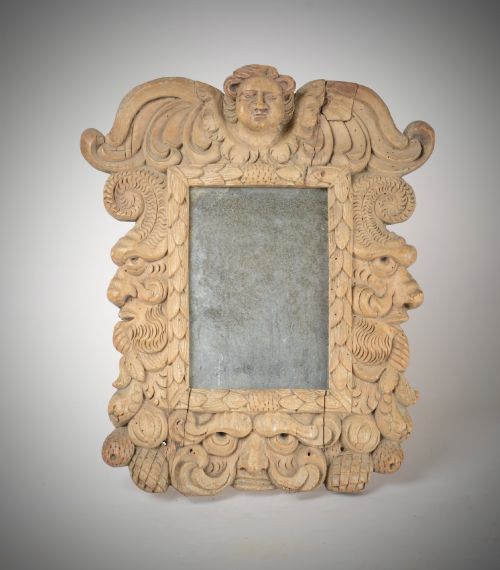
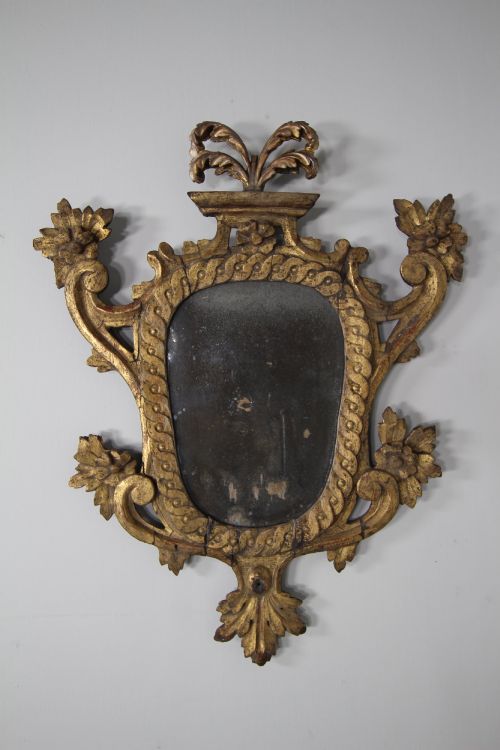

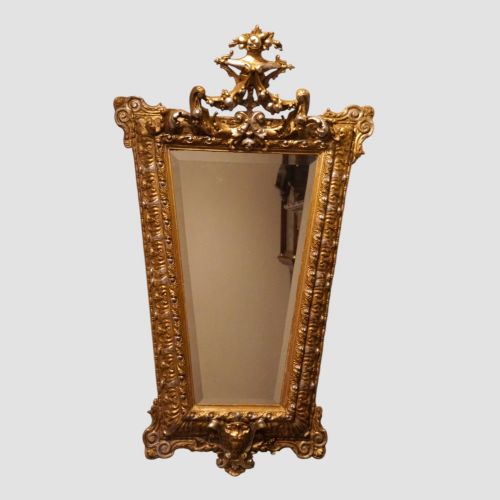
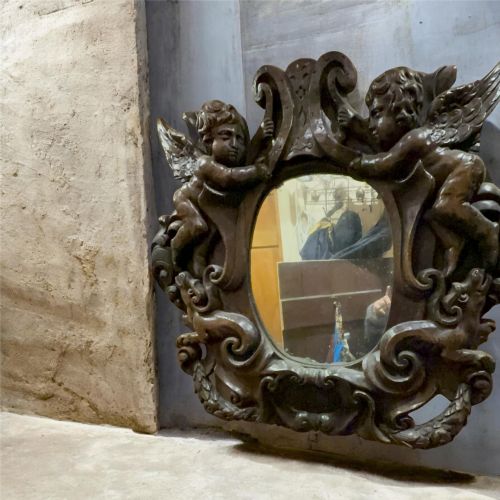


Baroque Accent Mirror
A baroque accent mirror catches light across an ornate frame, bringing depth and historical weight to a hallway or overmantle.
Baroque Accent Mirror
A baroque accent mirror is a statement wall piece defined by sculptural wooden frames, asymmetrical or extravagant scrolling, and gilded surfaces designed to amplify light in a room. These mirrors span centuries of craftsmanship, drawing heavily on Italian and French decorative traditions.
The pieces you encounter most frequently on this page date from the eighteenth and nineteenth centuries, often taking the form of Italian Baroque, Rococo revival, or Florentine styles. They appear primarily as wall mirrors and pier glasses, ranging from small vanity pieces to imposing overmantle installations.
Origins vary across Europe, with significant representation from Italian workshops, alongside French, Dutch, Spanish, and English examples. Walnut, oak, and pine serve as traditional timber foundations, shaped into elaborate mouldings and pediments.
Materials and construction
Carved wood provides the structural skeleton for these mirrors, utilising sturdy timbers like oak, walnut, and pine to withstand the weight of ornate ornamentation. Skilled artisans carved motifs directly into the wood before applying preparatory layers.
Gesso, a mixture of chalk and binder, was built up over the carved wood to create a smooth, responsive base for gilding. Craftsmen then applied delicate sheets of gold leaf or silver leaf by hand, burnishing the metal to achieve a luminous finish.
Baroque Accent Mirror Retail Price Guide 2026
Typical asking prices for baroque accent mirror among the pieces listed under this phrase on Sellingantiques today, from the lower quarter to the upper quarter. They describe what is for sale here now, not the wider market.
Assessing quality and execution
Depth and precision of the wood carving distinguish superior examples from simpler production, as master carvers achieved a fluid, organic movement in foliage and scrolls. The layering and burnishing of the gold leaf or silver leaf determine how richly the surface catches ambient light.
Original mirror glass with genuine foxing and silvering degradation indicates age and authenticity, whereas replaced plates alter the historical integrity. The cohesion of the timber frame, including period joinery and minimal structural shrinkage, marks a well-preserved survivor.
The Baroque Accent Mirror Glossary
- Giltwood
- Wood that has been coated with gold leaf over a prepared gesso ground. This technique creates a rich, metallic surface that defines classic decorative frames.
- Gesso
- A plaster-like mixture applied to carved wood to create a smooth ground for gilding or painting. It allows intricate details to hold crisp edges under metallic leaf.
- Pier glass
- A tall mirror designed specifically to hang on the wall space between windows. These pieces were scaled to maximise natural light in formal rooms.
- Overmantle
- A large mirror intended to sit directly above a fireplace mantelpiece. They anchor the room's proportions and reflect hearth light.
- Silver leaf
- Thin sheets of beaten silver applied to a prepared surface as a less costly alternative to gold. Over time, it develops a characteristic dark patina.
Baroque Accent Mirror: Frequently Asked Questions
How do I clean an antique gilt mirror?
Dust the carved wooden elements gently using a very soft, dry brush to dislodge particles without disturbing fragile leaf. Avoid liquid cleaners completely, as moisture degrades aged gesso and gilding.
Clean the glass plate using a minimal amount of glass cleaner applied to a cloth rather than sprayed directly. This prevents moisture seepage behind the frame rebate.
How can I tell an eighteenth century frame from a revival piece?
Examine the construction of the wooden backboards and joinery for tool marks consistent with period hand-working techniques. Eighteenth century examples show genuine hand-carved depth and natural wear to the gesso layers beneath the gold leaf.
Revival pieces from the nineteenth and early twentieth centuries often display more uniform machine sawing or different preparation layers. Subtle patination differences help separate true age from later stylistic imitation.
Where should I place a baroque wall mirror?
Position the mirror opposite a window to maximise natural daylight and visually expand the dimensions of smaller rooms. Hallways and overmantle locations also provide traditional focal points.
Ensure the wall supports the specific scale and weight of the frame before final placement. Keep the mirror away from direct heat sources to prevent timber warping.