


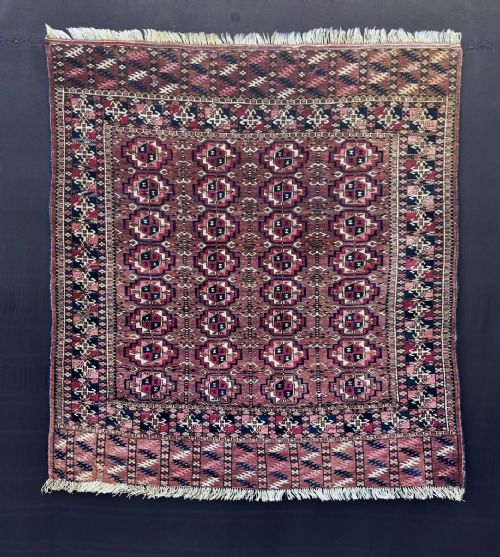
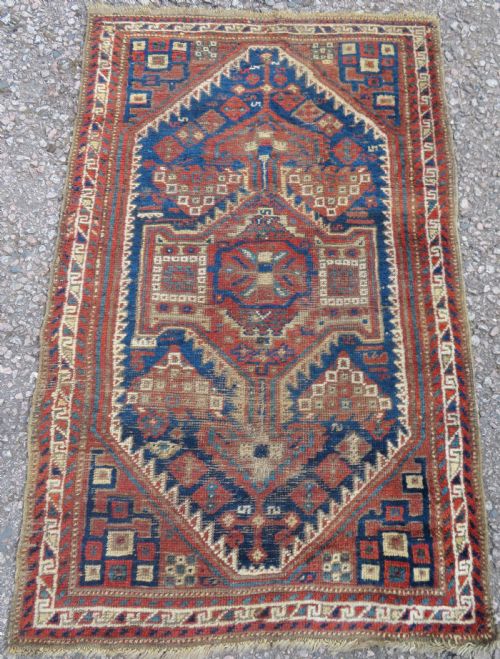
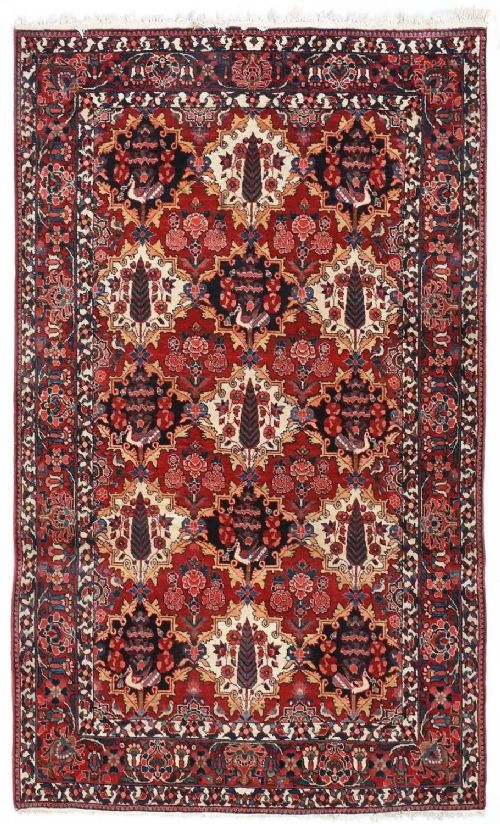
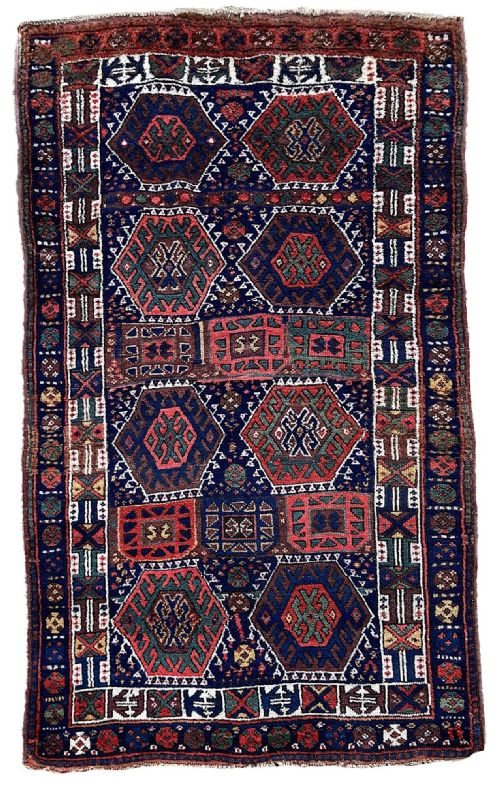
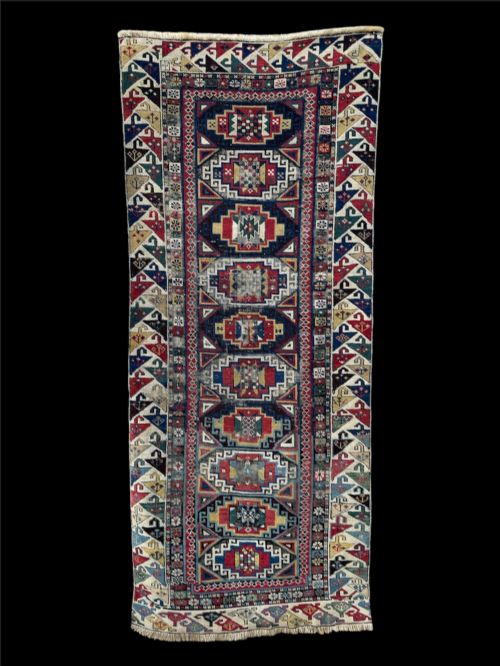


Authentic Rug
An authentic antique rug brings the distinct wool and natural dyes of Caucasian, Persian, and Central Asian weaving traditions directly into a room.
Authentic Rug
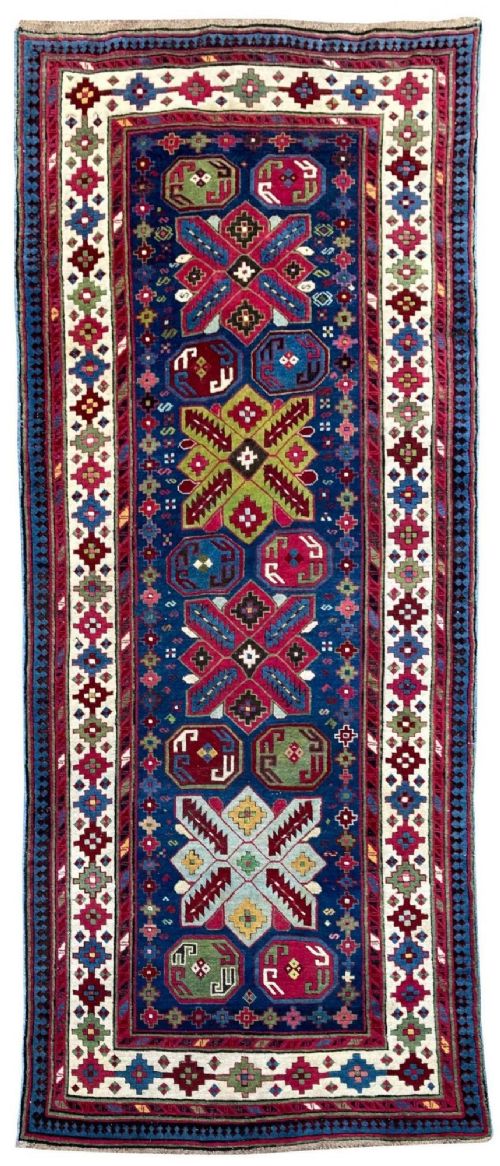
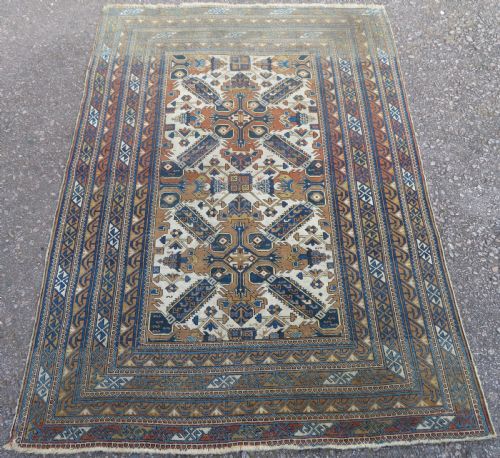
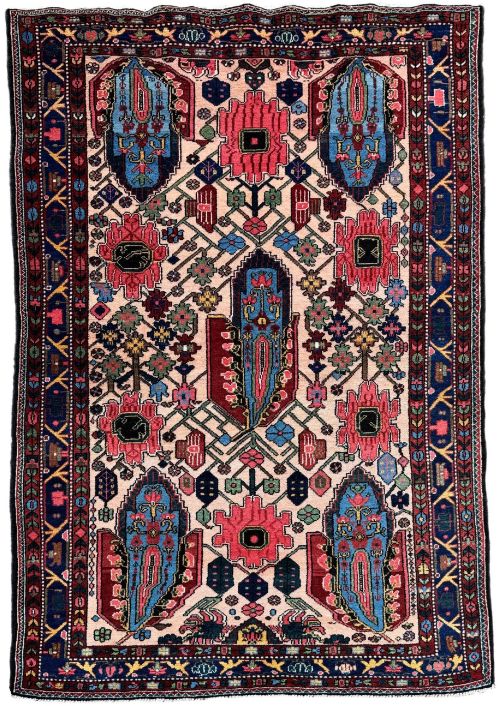
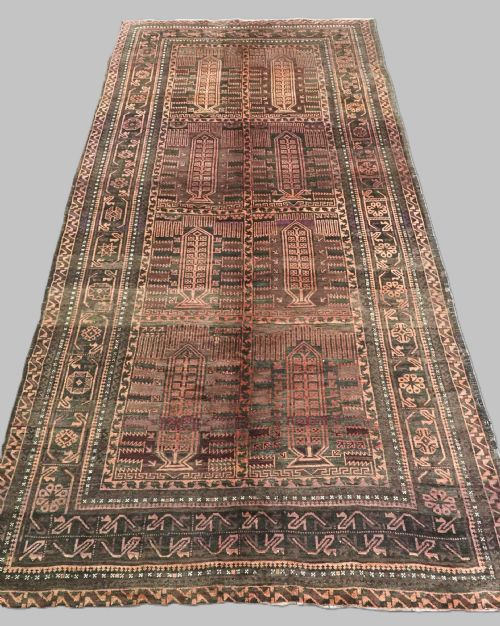
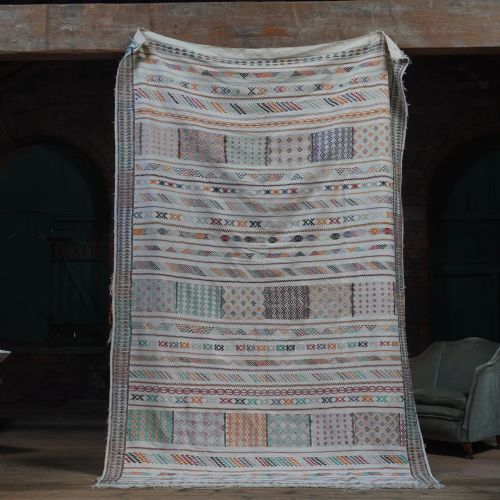
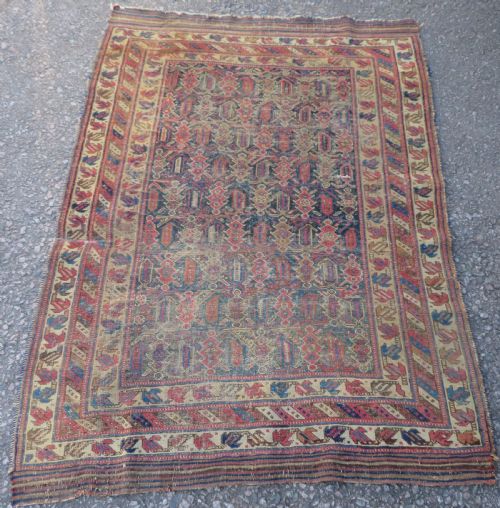
When searching for an authentic antique rug, collectors encounter floor coverings and tribal textiles originating from the nineteenth and early twentieth centuries. These woven pieces include long runners, area rugs, and carpets produced across the Caucasus, Persia, and Central Asia.
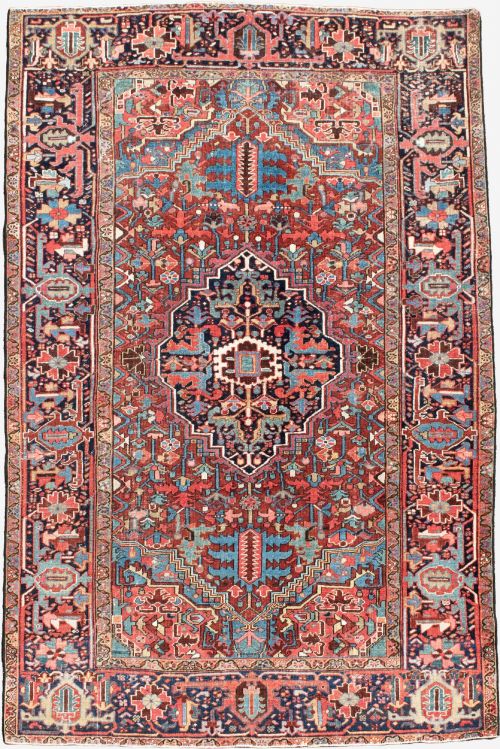
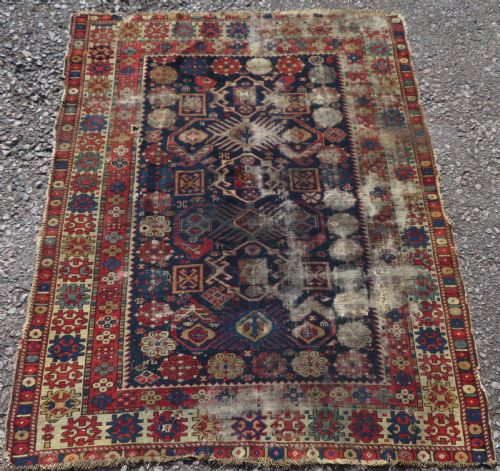
The selections span specific regional styles such as Caucasian Kazak and Shirvan pieces, Persian Heriz and Bakhtiar carpets, and Turkmen tribal weavings. Most examples date from the eighteen-eighties through the nineteen-twenties, reflecting traditional village and nomadic craftsmanship.
How they were made
The construction relies primarily on hand-spun wool and cotton foundations, occasionally incorporating goat hair or cowrie shells for specific decorative details. Weavers utilised natural dyes to achieve the saturated, enduring colour palettes seen across these regional traditions.
Techniques range from pile knots to flatweaves and tribal textiles such as sofreh and torba structures. The combination of local materials and traditional hand-knotting methods dictates the texture and durability of each textile.
Authentic Rug Retail Price Guide 2026
Typical asking prices for authentic rug among the pieces listed under this phrase on Sellingantiques today, from the lower quarter to the upper quarter. They describe what is for sale here now, not the wider market.
Certain nomadic weavings quietly incorporate cowrie shells among the wool knots to ward off bad fortune.
What varies in quality
Quality separates through the integrity of the wool, the clarity of the natural dyes, and the precision of the tribal design execution. Finer knots and robust structural foundations indicate superior regional craftsmanship.
The preservation of original borders, complete plain-weave backs, and uncompromised pile depth elevate certain examples. Age-related wear alters the handle, yet distinct regional characteristics remain the primary measure of merit.
The Authentic Rug Glossary
- Sofreh
- A ceremonial woven spread used for dining or handling bread within tribal households. These textiles often feature geometric field patterns specific to Afshar or Timuri makers.
- Torba
- A small wall-hanging bag or storage sack produced by Turkmen tribes. They typically display recurring gul motifs and preserve original plain-weave backs.
- Kazak
- A designated style of rug originating from the Caucasus region. These pieces are known for bold geometric medallions and primary colour usage.
- Chuval
- A large tent bag made by Turkmen groups such as the Salor and Tekke. Collectors prize intact examples for their tribal iconography and structural integrity.
Authentic Rug: Frequently Asked Questions
How do I identify a Kazak rug?
Kazak rugs originate from the Caucasus and display bold, geometric medallion designs executed in saturated primary colours.
They rely on wool foundations and distinct tribal motifs that separate them from Persian city carpets.
What is a tribal sofreh?
A sofreh is a utilitarian textile used traditionally for dining or food preparation among nomadic groups like the Afshar and Bakhtiar.
These flatweaves or pile rugs feature field designs centred around daily tribal customs.
How should I care for an antique rug?
Maintenance requires gentle vacuuming without rotating brush heads and professional cleaning suited for natural wool and dyes.
Keeping the textile out of direct sunlight preserves the original vegetable colours over time.
What distinguishes a Heriz carpet?
Heriz carpets come from Persian workshops and feature large, geometric anchor medallions with robust structural cotton foundations.
They are built to endure heavy foot traffic while maintaining balanced regional colour palettes.