


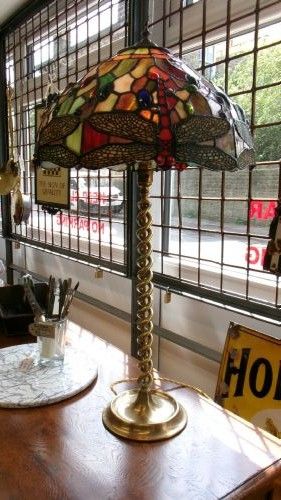


Art Nouveau Lamp Shades
These art nouveau lamp shades bring organic curves and natural motifs into a room, filtering light through worked metal and coloured glass.
Art Nouveau Lamp Shades
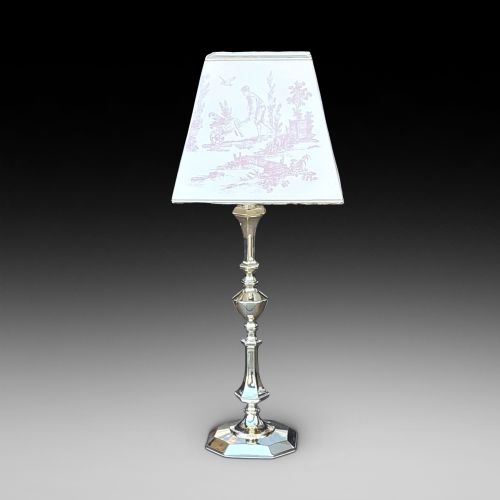
Art nouveau lamp shades encompass decorative glass and metal fittings designed to diffuse light with flowing, plant-inspired contours. Buyers encounter these pieces mounted on table lamps, floor standards, and pendant lights across periods spanning the late nineteenth century through the 1920s.
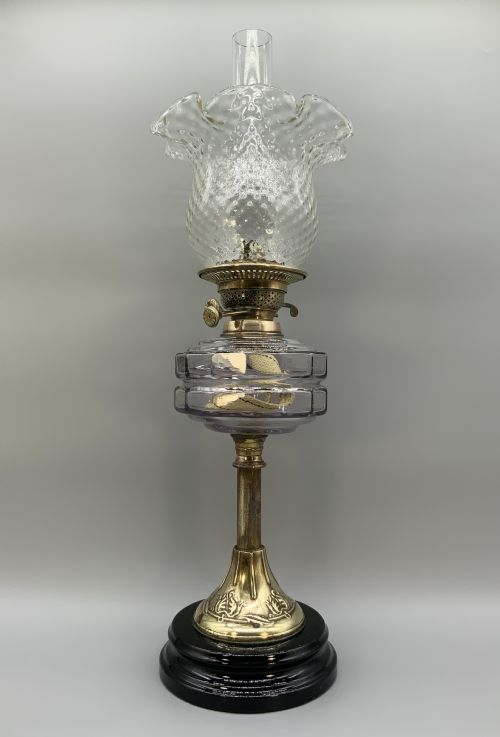
The selections on this page lean heavily towards brass frames paired with frosted, etched, or hand-blown glass elements. French and English workshops dominate the offerings, showing distinct regional tastes in floral and geometric integration.
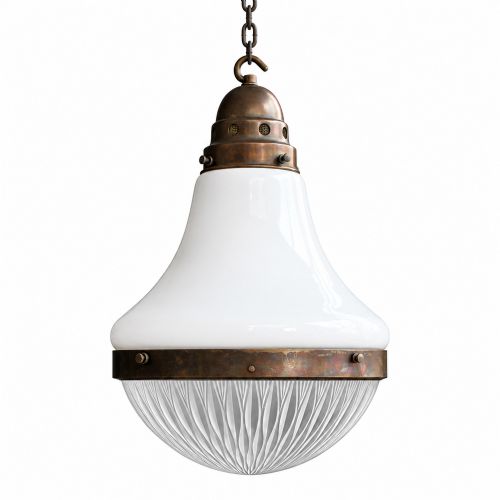
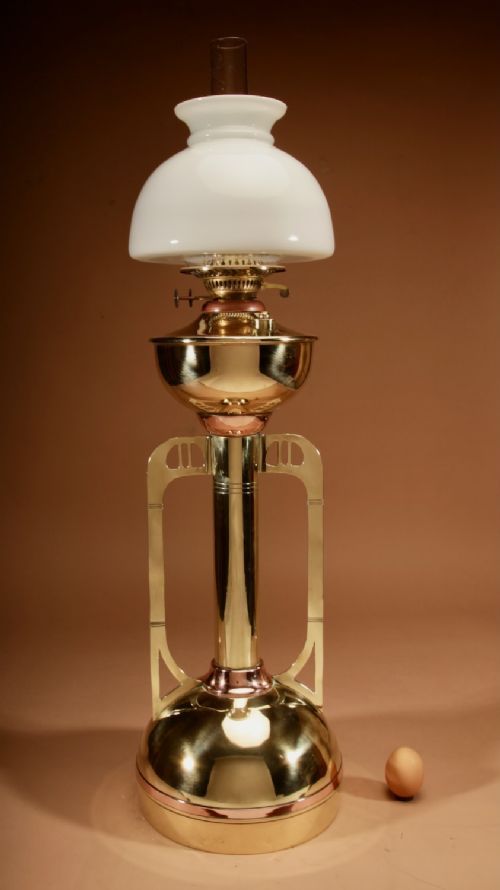
Forms range from simple ceiling fittings to elaborate standard oil lamps and adjustable reading lights. The prevailing aesthetic employs whiplash lines and botanical motifs typical of the international art nouveau movement and adjacent arts and crafts ideals.
How they were made
Metal components rely on cast or beaten brass, bronze, copper, and spelter, often shaped into sinuous stems and tendrils. Artisans utilised techniques such as open twisting, ormolu casting, and fretwork to construct the structural frames.
Glass portions utilise hand-blowing, etching, and frosted finishes to manipulate illumination. Makers incorporated leaded glass panels and delicate cranberry or yellow glass tints to achieve specific chromatic effects.
Art Nouveau Lamp Shades Retail Price Guide 2026
Typical asking prices for art nouveau lamp shades among the pieces listed under this phrase on Sellingantiques today, from the lower quarter to the upper quarter. They describe what is for sale here now, not the wider market.
Listings feature items from the 1880s through the 1920s, encompassing Victorian, Edwardian, Arts and Crafts, and Amsterdam School aesthetics.
What varies in quality
The distinction between standard commercial pieces and superior examples lies in the fluidity of the metalwork and the depth of the glass treatment. Hand-blown and original signed glass shades command greater attention than mass-produced replacements.
Construction details such as adjustable mechanisms, heavy gauge cast brass bases, and integrated ceramic or marble components signal higher tier craftsmanship from established makers and fine workshops.
Gustave Serrurier Bovy·The Charles Parker Company·Verrerie Des Vosge·Tiffany Studios·Messengers
The Art Nouveau Lamp Shades Glossary
- Art Nouveau
- A stylistic movement characterised by organic, asymmetrical lines derived from natural forms such as plants and flowers. It flourished internationally between the late nineteenth century and the First World War.
- Spelter
- An alloy of zinc and lead used as a cheaper alternative to bronze for casting lamp bases and figures. It was frequently bronzed or painted to simulate heavier metals.
- Ormolu
- Gilded bronze produced by applying a mercury and gold amalgam to a bronze base and heating it. This technique creates a rich, durable golden surface finish on antique mounts and fittings.
- Secessionist
- A design style associated with Central European artists who broke away from traditional academic art academies. It favours geometric rigour combined with stylised organic motifs.
- Swan Neck
- A curved metal arm resembling the neck of a swan, commonly utilised on desk lamps and wall sconces to direct the shade downward.
Art Nouveau Lamp Shades: Frequently Asked Questions
How do I identify a genuine period shade?
Examine the weight and consistency of the glass, noting any hand-blown bubbles or authentic mounting rims. Period pieces display mounting fitments appropriate to early manufacturing techniques rather than modern standardised threads.
Check the metal components for honest patination and traditional casting seams. Reproductions often lack the subtle hand-finishing visible on antique brass and bronze frames.
Can these shades fit modern light fittings?
Many antique shades accommodate standard contemporary bulb holders if the fitter diameter matches modern electrical specifications. Careful measurement of the inner gallery is essential before attempting installation on current hardware.
Some period ceiling lights and standard lamps utilise proprietary fitter sizes that require specialist adapters. Consulting a professional electrician ensures safe mounting without damaging fragile antique glass.
Where were these lamps placed originally?
Table lamps and adjustable desk lights served reading and task duties in Victorian and Edwardian libraries or studies. Floor standards and oil lamps illuminated drawing rooms and formal reception spaces.
Ceiling lights, pendants, and wall sconces provided ambient illumination in hallways and dining parlours. Their ornamental glass designs ensured the light source remained decorative even when unlit.
How should I clean antique glass and brass?
Dust glass shades gently with a soft, dry cloth to prevent scratching delicate etched or frosted surfaces. Avoid harsh chemical cleaners that can strip away original patination or vintage painted details.
Metal bases require minimal intervention beyond dusting and occasional light waxing to protect the brass or bronze. Preserving the natural age of the metal maintains the integrity of the piece.