





Art Nouveau Decorative Frame
An art nouveau decorative frame brings fluid botanical lines and organic grace into any room, offering an immediate touch of turn-of-the-century craftsmanship.
Art Nouveau Decorative Frame
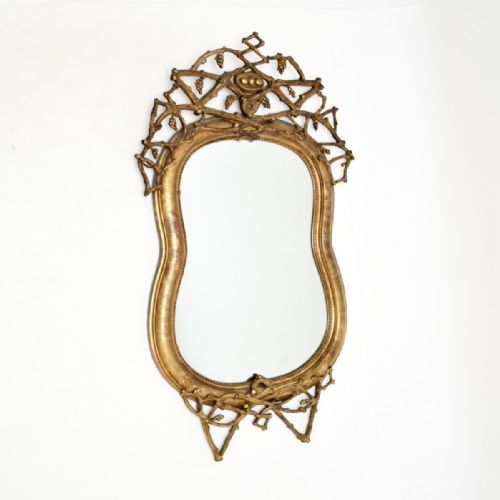
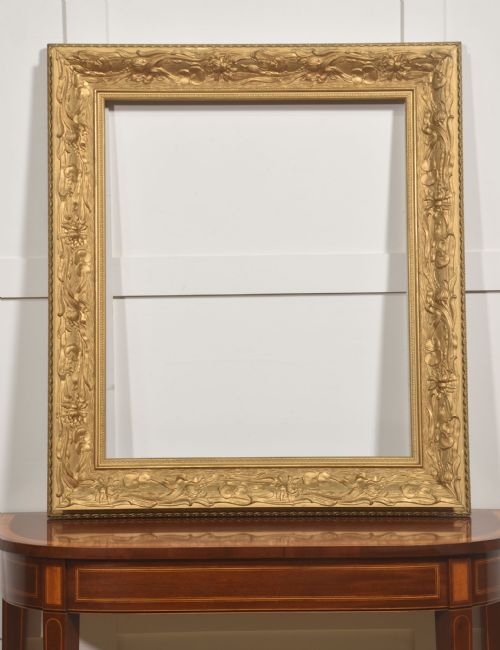
An art nouveau decorative frame encompasses various domestic items designed to hold photographs, mirrors, or watercolours with characteristic flowing floral motifs. These pieces span the late Victorian, Edwardian, and early twentieth century periods, capturing the distinct aesthetic shift towards natural curves.
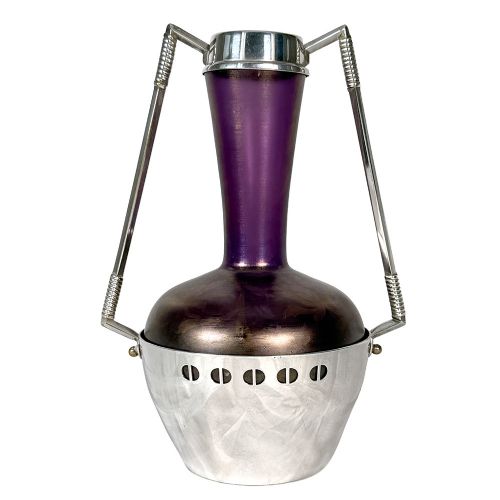
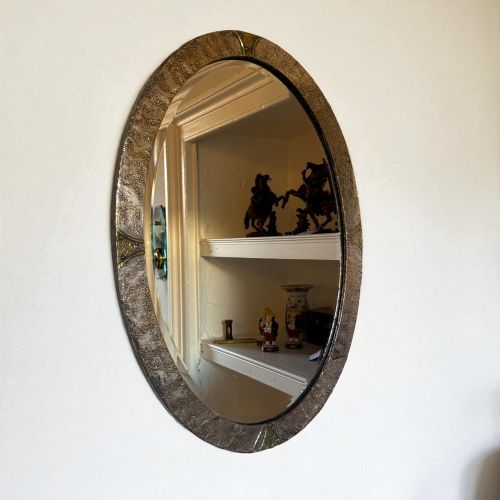
Buyers will encounter items ranging from brass photo frames and sterling silver picture frames to hammered metal mirrors and stained glass panels. The selection bridges the gap between functional household objects and decorative works of art from eras such as the Arts and Crafts movement and Vienna Secession.
Materials and Technique
Metals form the core of these constructions, utilising brass, pewter, and sterling silver shaped through casting, hammering, and plating techniques. Makers employed hand-beaten textures and delicate organic outlines to achieve the characteristic fluidity associated with the period.
Glass is frequently incorporated alongside wood and metal, featuring bevelled edges, cut sections, or iridescent surfaces. Frames often integrate painted details, giltwood carvings, or ceramic elements to enhance the visual depth of the design.
Art Nouveau Decorative Frame Retail Price Guide 2026
Typical asking prices for art nouveau decorative frame among the pieces listed under this phrase on Sellingantiques today, from the lower quarter to the upper quarter. They describe what is for sale here now, not the wider market.
Some frames are accompanied by cheerful birds and cheetahs, proving that turn-of-the-century makers loved a touch of unexpected fauna.
Assessing Quality
The standard of a piece rests upon the crispness of its organic ornamentation and the integrity of its primary material, whether cast brass or worked silver. Superior examples display deliberate hand-finishing in the metalwork and careful proportion in the plant-inspired contours.
Secondary elements like bevelled glass plates, original backing boards, and integrated mounts elevate the desirability of a piece. Finer works show a seamless integration between the structural housing and the decorative surface embellishments.
Loetz·Argentor·Longwy
The Art Nouveau Decorative Frame Glossary
- Art Nouveau
- A stylistic movement spanning the late nineteenth and early twentieth centuries defined by sinuous, asymmetrical lines inspired by natural forms. It rejected historic revivalism in favour of organic vitality.
- Bevelled Glass
- Glass with an edge ground and polished to an angle thinner than the centre. This creates a prismatic border that catches the light within the frame.
- Hammered Metal
- Metalworked surface featuring intentional depressions left by a hammer. This technique demonstrates manual craftsmanship and adds texture to brass, copper, or pewter.
- Iridescent Glass
- Glass treated with metallic salts to produce a rainbow-like sheen. This effect shifts colours under changing light and appears in select turn-of-the-century decorative objects.
- Vienna Secession
- An Austrian art movement formed in eighteen ninety-eight that rejected traditional academic styles. It favoured geometric clarity alongside organic floral motifs.
Art Nouveau Decorative Frame: Frequently Asked Questions
What materials are typical for these frames?
These pieces frequently utilise metals such as brass, sterling silver, and pewter alongside wood and glass. Artisans combined these materials to create fluid, organic designs.
Many examples feature hammered finishes or iridescent glass inserts that reflect the distinct aesthetic movements of the early twentieth century.
How do I date an art nouveau frame?
Dating relies upon examining the specific manufacturing techniques, hallmark stamps on silver, and stylistic crossovers with the Arts and Crafts movement. Pieces from this era generally span the late Victorian years through the nineteen-twenties.
Construction methods, such as hand-hammering versus machine stamping, also help establish the approximate period of creation.
How were these decorative items used originally?
They served primarily as domestic accessories to display family photographs, hold small mirrors, or frame watercolours on mantelpieces and walls. Their purpose was to infuse everyday household interiors with artistic expression.
Larger variations included fireplace screens and architectural stained glass windows designed to transform light within a room.
Are these items suitable for modern interiors?
Their organic lines and metallic textures allow them to complement both period properties and contemporary spaces. They serve as focal points that introduce historical craftsmanship to a room.
Placing them on neutral walls or wooden surfaces highlights their intricate botanical motifs and reflective glass qualities.