






Art Deco Wine Glasses
Art deco wine glasses bring geometric clarity and striking period elegance to any table.
Art Deco Wine Glasses
Art deco wine glasses combine the bold geometric lines of the interwar years with traditional drinking vessel forms. Buyers seeking these items will find pieces reflecting the distinct aesthetics of the 1920 and 1930 decades.
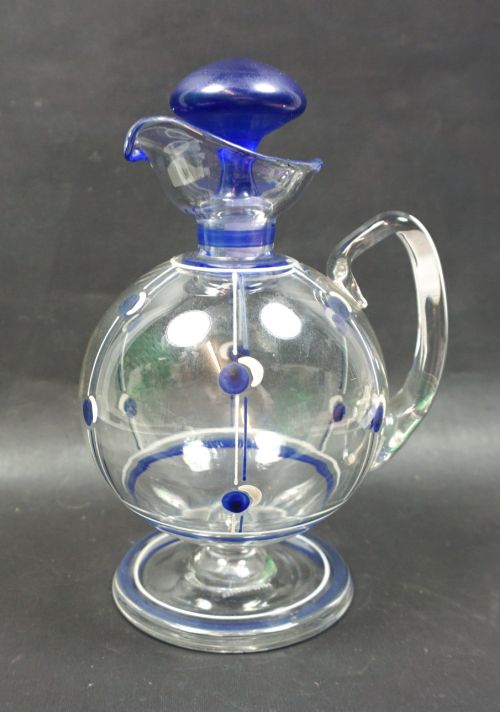
The selections available range from weighty cut crystal hock glasses to delicate pieces featuring coloured glass overlays and enamel details. Origins span across France, Czechoslovakia, and Scandinavia, demonstrating diverse European manufacturing traditions.
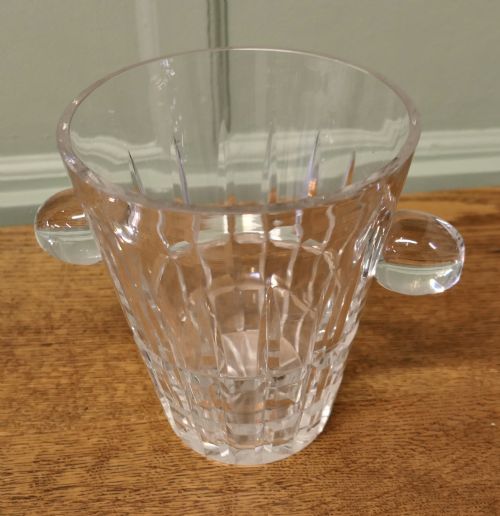
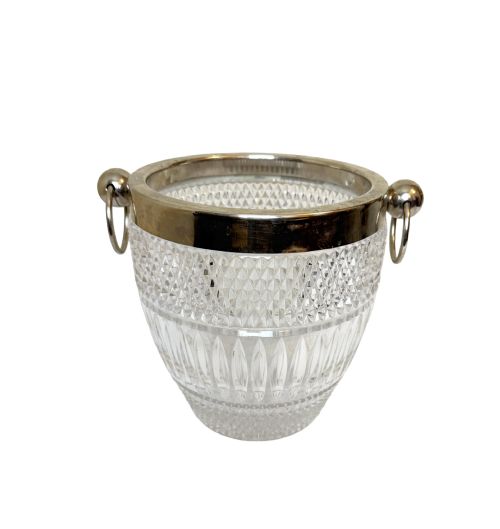
Alongside standard stemware, the broader category includes related barware such as decanters, ice buckets, and claret jugs designed in the same unified style. These items represent the decorative tastes of the early twentieth century rather than earlier Victorian or Edwardian conventions.
How they were made
Manufacturing methods of the period relied heavily on hand blowing and manual cutting techniques applied to lead crystal and standard glass. Artisans also utilised overlay methods, cutting through a coloured outer layer of glass to reveal a clear interior.
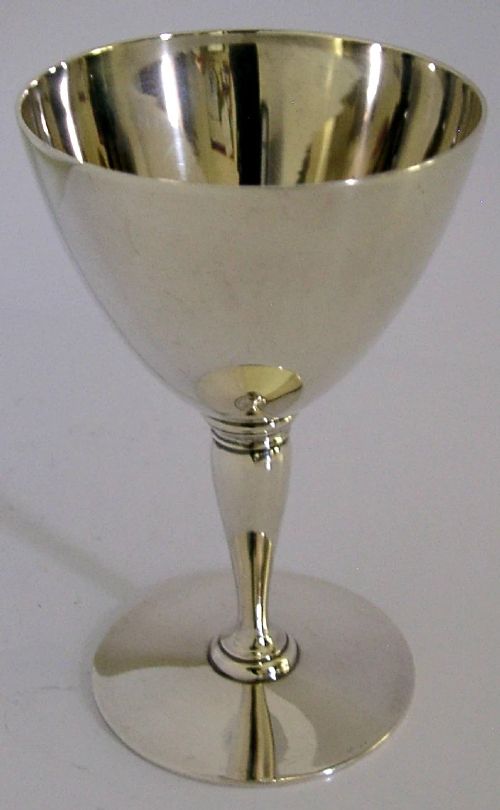
Surface decoration frequently involved acid etching or hand-applied enamel work, creating tactile patterns that caught the candlelight. Metal mounts, where present, combined sterling silver or silver plate with glass bodies through secure mechanical fittings.
Art Deco Wine Glasses Retail Price Guide 2026
Typical asking prices for art deco wine glasses among the pieces listed under this phrase on Sellingantiques today, from the lower quarter to the upper quarter. They describe what is for sale here now, not the wider market.
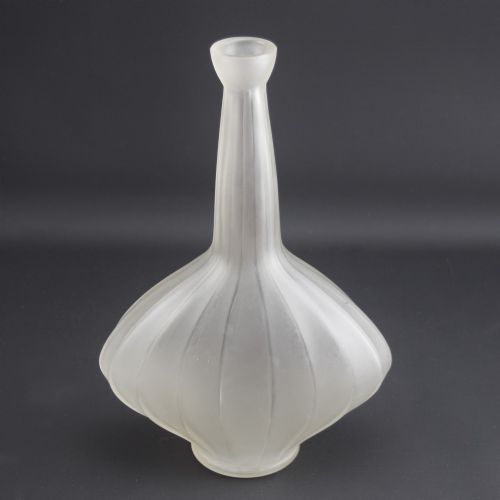
Listings feature items predominantly from the 1920 and 1930 decades, utilising cut crystal, silver plate, and frosted glass.
What varies in quality
Quality differences stem primarily from the depth and precision of the glass cutting, alongside the clarity of the underlying crystal material. Superior examples display crisp, sharp facets that refract light evenly without distortion.
The integrity of secondary materials, such as heavy sterling silver mounts or durable enamel pigments, also marks the distinction between standard production items and high-end atelier pieces. Consistency in wall thickness and the absence of bubbles in the glass indicate superior workshop standards.
TIFFANY & Co·Baccarat·Rene Lalique·Riihimaki
The Art Deco Wine Glasses Glossary
- Crystal
- Glass containing lead oxide, which increases the weight, refractive index, and clarity of the vessel. This material allows for deeper and sharper cutting than standard soda-lime glass.
- Hock glass
- A traditional tall-stemmed wine glass, often featuring a coloured bowl or stem. These pieces were specifically designed for German white wines.
- Enamel
- A decorative glassy substance fused to the surface of the glass through heat. It provides vibrant colour and raised patterns.
- Overlay
- A technique where a layer of coloured glass is fused over a clear glass base before cutting. Cutting away parts of the outer layer creates a two-tone pattern.
- Acid etching
- A process using acid to bite a design into the surface of the glass. This method produces a frosted or matte finish for pictorial or geometric motifs.
Art Deco Wine Glasses: Frequently Asked Questions
Are art deco wine glasses safe to use?
Most pieces from this era remain fully functional for serving wine and other beverages during special occasions. Hand washing is strongly advised to protect older glass and delicate metal or enamel decorations.
Avoid exposing antique crystal to sudden temperature changes, such as pouring boiling water into chilled vessels. Careful handling preserves the integrity of both the glass and any silver-plated components.
How do I date art deco glassware?
Dating relies on stylistic markers such as angular cutting patterns, specific colour palettes like deep greens and blues, and characteristic signatures or marks on the base. Comparing the form against known design catalogues from the 1920 and 1930 decades helps narrow down the origin.
Many pieces lack direct maker marks, requiring analysis of manufacturing techniques and glass composition instead. Consulting comparative examples from French and Scandinavian makers provides additional context.
How should I display art deco wine glasses?
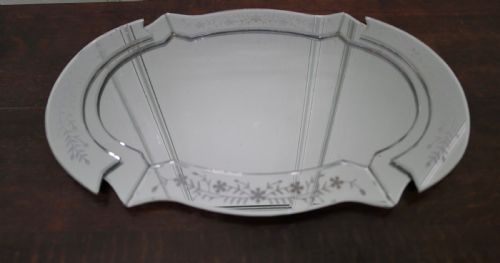
Displaying these items in a well-lit cabinet allows natural light to highlight the geometric cuts and coloured glass overlays. Pairing the glasses with matching decanters or mirrored trays creates an authentic period tablescape.
Ensure shelves are stable and provide adequate spacing between tall stemware to prevent accidental tipping. Keeping pieces out of direct, continuous sunlight protects any enamel decoration from fading.
What is the difference between crystal and glass?
True crystal contains a high proportion of lead oxide, which adds substantial weight and a resonant ring when the rim is tapped. This composition makes the material softer and easier for artisans to cut deeply.
Standard glass lacks lead content, resulting in a lighter weight and less light refraction. Both materials were used concurrently during the interwar period depending on the intended price point.