






Art Deco Wine Glass
An art deco wine glass brings geometric elegance and period craft to the table, offering a tangible piece of early twentieth century design.
Art Deco Wine Glass
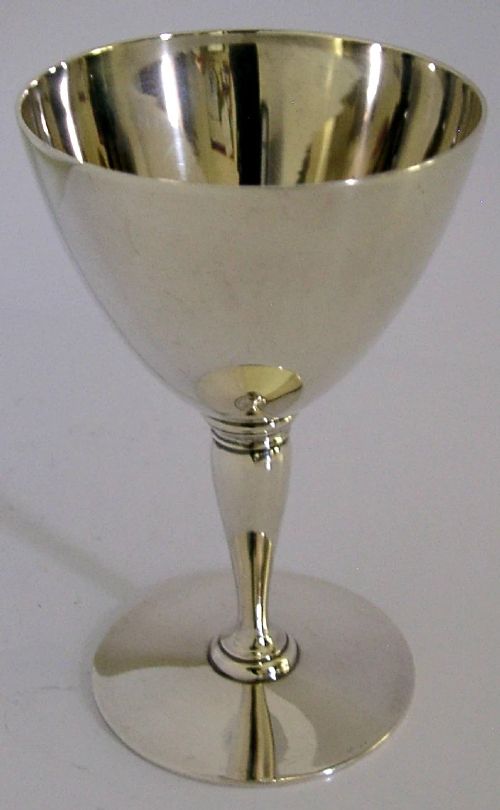
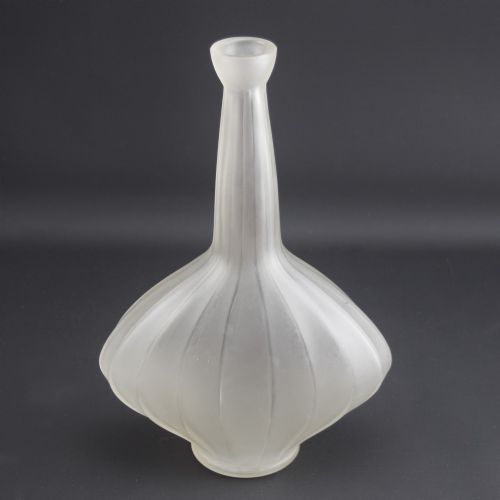
When searching for an art deco wine glass, collectors encounter drinking vessels shaped by the design movements of the nineteen twenties and nineteen thirties. These pieces originate from various European centres and include examples created by prominent glasshouses and silver workshops.
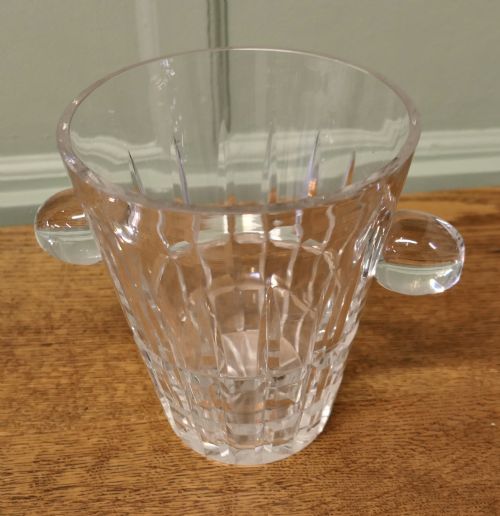
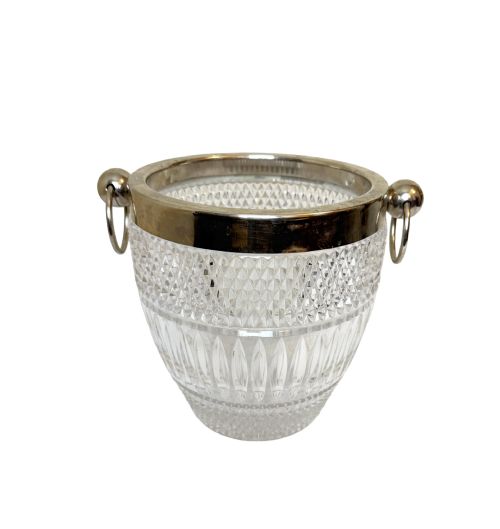
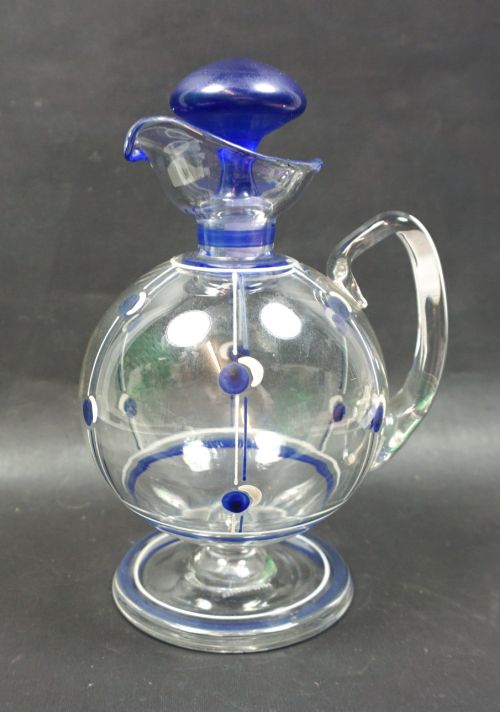
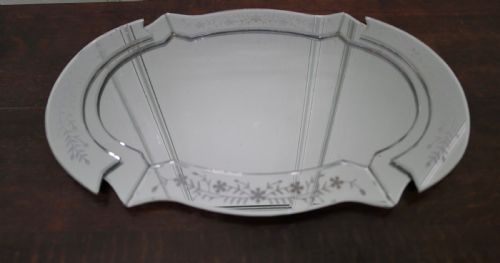
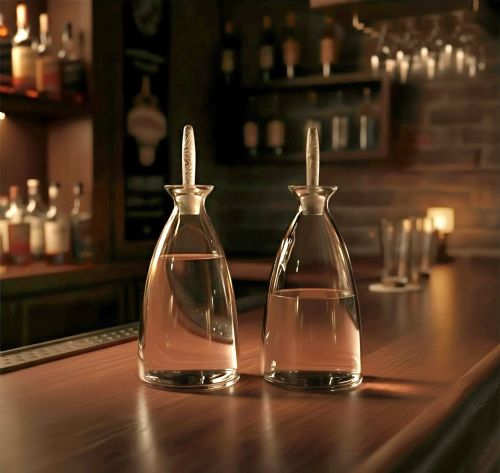
The objects seen here reflect the broader category of barware and tabletop accessories from the period, including decanters, ice buckets, and specialised glasses. While some listings feature complete sets, others offer individual goblets or matched pairs designed for wine and hock.
Most examples date from the interwar decades, primarily utilising the distinctive aesthetics popularised in nineteen twenty and nineteen thirty. Buyers are most likely to meet French and Czechoslovakian productions featuring cut crystal, enamel decoration, or silver mounts.
Assessing quality and execution
Quality in these pieces rests upon the crispness of the cutting and the weight of the material used. Superior examples display sharply defined facets and smooth, polished surfaces without distortion in the glass body.
The integration of metal components, such as sterling silver mounts or silver-plate fittings, influences the overall standard of the object. Finer items exhibit balanced proportions between the glass vessel and any added metalwork or enamel detailing.
Art Deco Wine Glass Retail Price Guide 2026
Typical asking prices for art deco wine glass among the pieces listed under this phrase on Sellingantiques today, from the lower quarter to the upper quarter. They describe what is for sale here now, not the wider market.
Listings feature items spanning the early twentieth century, with materials ranging from frosted glass and sterling silver to enamel and cut crystal.
Tiffany and Co·Baccarat·Rene Lalique·Riihimaki
The Art Deco Wine Glass Glossary
- Cut crystal
- Glass that has been shaped and patterned using abrasive wheels to create deep, light-reflecting facets. This technique defines much of the barware from the period.
- Silver-plate
- A base metal coated with a thin layer of silver. This material frequently appears on ice buckets, trays, and mounts.
- Over-crystal
- Glass formed by fusing a coloured layer over a clear crystal base. Subsequent cutting exposes the underlying clear glass.
- Hock glass
- A tall-stemmed wine glass traditionally used for white wine. These often feature coloured bowls or stems.
Art Deco Wine Glass: Frequently Asked Questions
How do I identify a genuine period piece?
Examine the weight, material composition, and manufacturing marks where present. Items from the interwar decades typically show hand-finished qualities distinct from modern reproductions.
Look for characteristics such as hand-cut facets and period-specific metal mounts that align with nineteen twenties and nineteen thirties production methods.
Can these glasses be used for everyday dining?
While these items were originally made for use, their age and delicate materials require careful handling. Hand washing is essential to preserve surface decoration, enamel work, and silver components.
Many collectors reserve them for special occasions to protect the integrity of the antique glass and crystal.
What is the difference between crystal and glass?
Crystal contains mineral additives that increase its weight, clarity, and brilliance compared to standard glass. This composition allows for deeper and sharper facet cutting.
Pieces described as cut crystal usually offer a more resonant sound when struck gently and refract light with greater intensity.
How should silver-plate mounts be cleaned?
Silver-plated elements require gentle cleaning with specialised non-abrasive polishes to avoid damaging the underlying metal layer. Care must be taken to keep polish away from adjacent glass or enamel surfaces.
Regular, light maintenance prevents tarnish buildup without resorting to harsh chemical treatments.