

Art Deco Metal Art
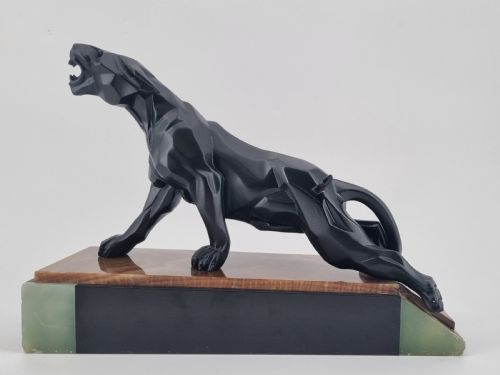
Art deco metal art brings together geometric discipline and animal forms in bronze, brass, and chrome from the nineteen-twenties and nineteen-thirties.
Art Deco Metal Art
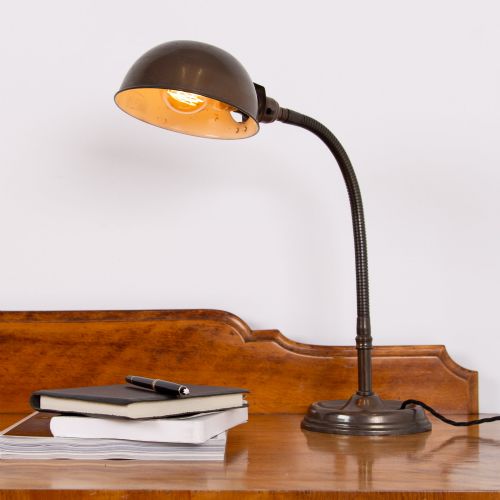
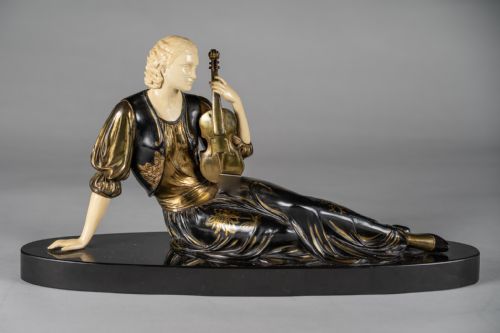
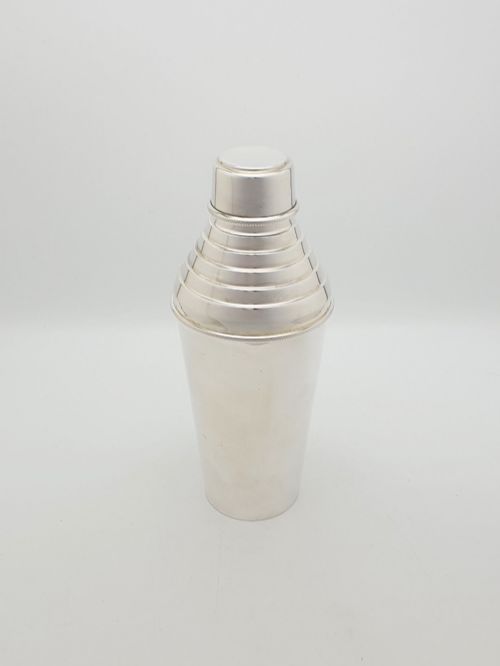
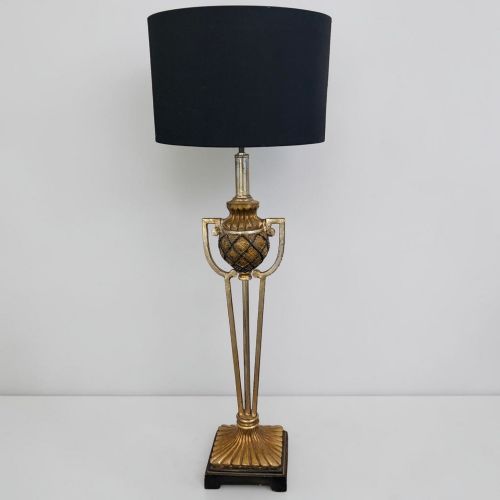
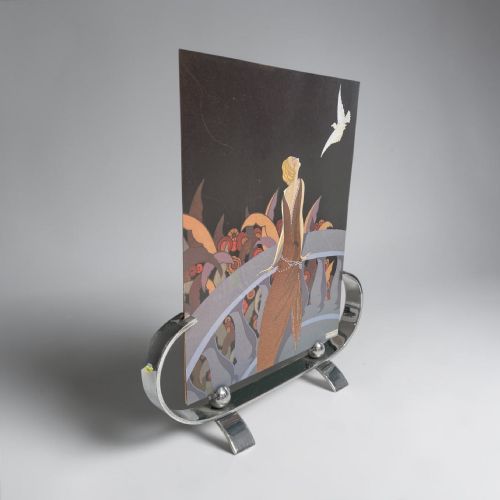
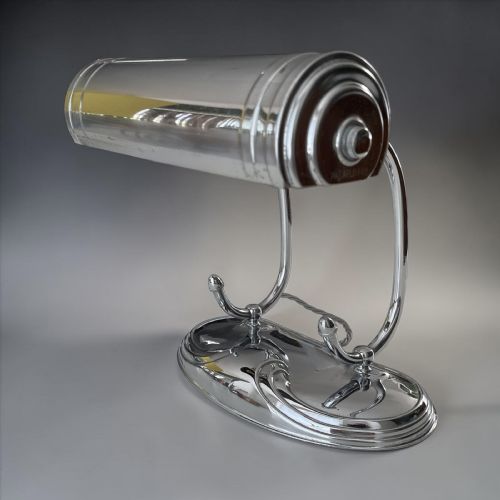
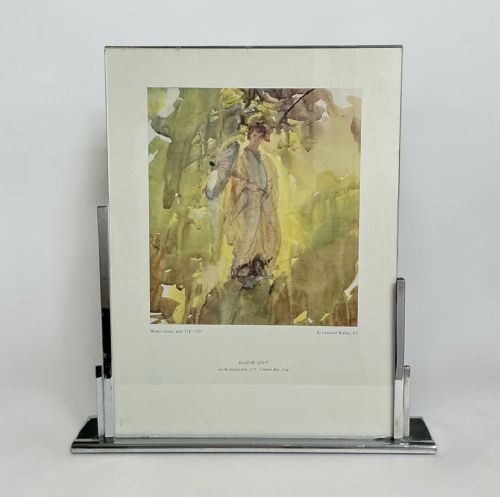
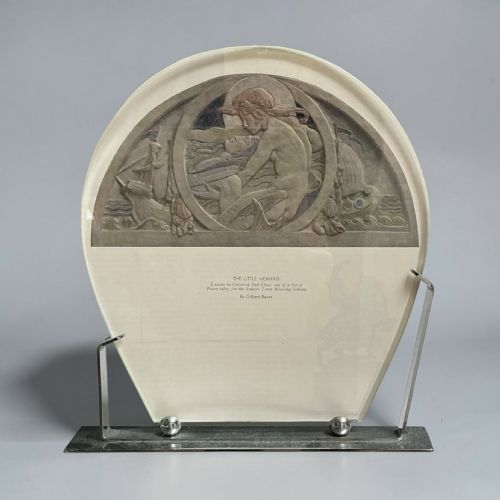
When searching for art deco metal art, buyers encounter items ranging from functional household objects like umbrella stands and cocktail trays to sculptural table lamps and desk accessories. These pieces span French, American, and Continental workshops, capturing an era defined by industrial progress and sleek silhouettes.
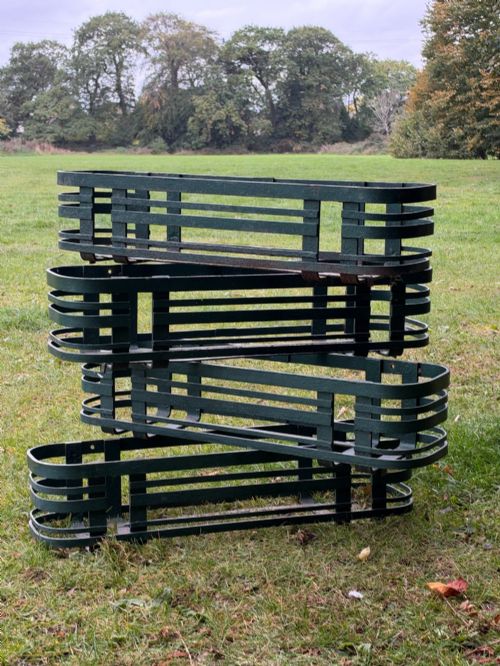
Beyond domestic sculpture, the category encompasses architectural ironwork, wrought iron coffee tables with brass and glass, and silver-plated serving stands. Each item demonstrates how metalworkers applied modernist design principles to everyday furnishings.
Materials and construction methods
Makers utilised cast bronze, brass, spelter, and wrought iron, frequently applying cold-painted details or silver plate to finish the surface. Foundry work involved both traditional lost-wax casting for figural sculptures and modern sheet metal fabrication for lamps and furniture frames.
Combinations of mixed materials such as original glass slip shades, marble bases, and bakelite accents appear alongside hammered patinated brass and polished chrome. These elements highlight the period's interest in contrasting industrial textures with refined metallic sheens.
Art Deco Metal Art Retail Price Guide 2026
Typical asking prices for art deco metal art among the pieces listed under this phrase on Sellingantiques today, from the lower quarter to the upper quarter. They describe what is for sale here now, not the wider market.
Materials documented across the inventory include bronze, brass, chrome, silver plate, marble, and wrought iron.
Distinguishing quality in metalwork
Artisanal execution separates standard commercial production from masterworks by recognised designers and foundries. The harmony of mixed media components, such as integrated glass panels or custom brass mounts, dictates the standing of a piece within the range.
Luc Lanel for Christofle·D. H. Chiparus·Jean de Roncourt·Hagenauer·Keith Murray For Mappin & Webb·Raymond Subes·Josef Lorenzl
The Art Deco Metal Art Glossary
- Spelter
- An alloy of zinc and lead used as a cost-effective substitute for bronze in figural sculptures. It typically received a painted or bronzed finish.
- Cold-painted
- A finishing technique where enamel or oil paint was applied to bronze or metal surfaces without subsequent kiln firing. This method required careful handling to prevent flaking over time.
- Slip shade
- A moulded piece of art glass designed to slide directly into a metal frame or sconce without traditional fixings. These shades defined period lighting fixtures.
- Machine age
- An early twentieth-century design style celebrating industrial technology, mass production, and clean lines. It favoured chrome, steel, and functional geometric forms.
- Amsterdam School
- An expressionist architectural and decorative style originating in the Netherlands. It prioritised rounded brickwork, organic metal fittings, and elaborate masonry.
Art Deco Metal Art: Frequently Asked Questions
What materials are most common in art deco metal art?
The listings show frequent use of bronze, brass, chrome, silver plate, and wrought iron. Spelter and copper also appear regularly across sculptures and lighting.
Many items combine these metals with glass shades, marble bases, or bakelite components to achieve the characteristic finish of the period.
How do I identify a nineteen-twenties metal piece?
Nineteen-twenties items often feature dynamic animal figures, cold-painted bronze finishes, and intricate hand-hammered details. The styling leans toward streamlined elegance and early modernist geometry.
Looking at the weight of the metal and the presence of artist signatures on the base helps confirm the period of origin.
Were these items used daily or displayed?
Many objects served practical daily functions, including cocktail trays, cigarette card cases, umbrella stands, and table lighters. Their design balanced utility with decorative impact in the home.
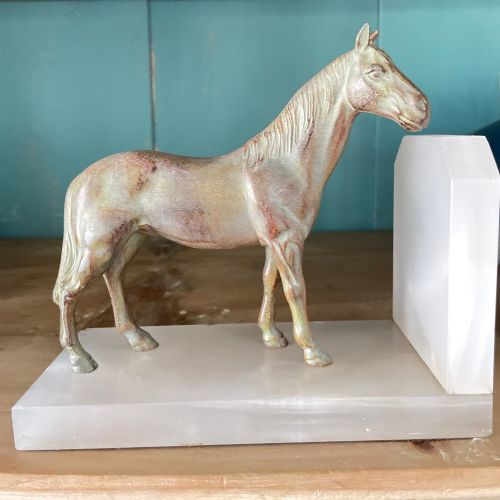
Other pieces, such as figural bookends and animal sculptures, were intended purely for display on mantelpieces and desks.
How do I care for antique metalwork?
Maintenance requires gentle dusting with a soft, dry cloth to protect delicate surfaces like cold-painted finishes or silver plate. Avoid using harsh chemical polishes that can strip original patina.
Keeping items away from excessive moisture preserves the integrity of bronze, brass, and iron elements over time.