



Art Deco Column
These art deco column pieces are striking architectural supports and lamps built to anchor an interior with geometric presence.
Art Deco Column
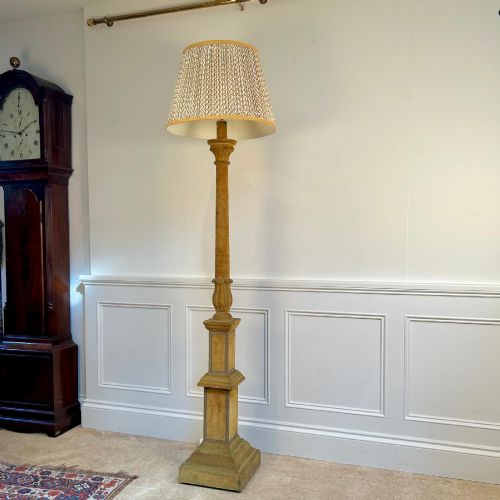
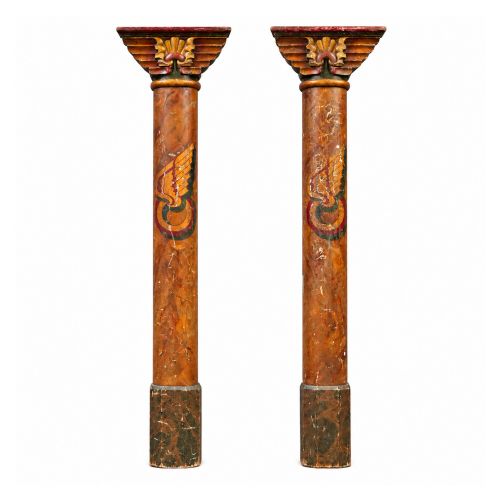
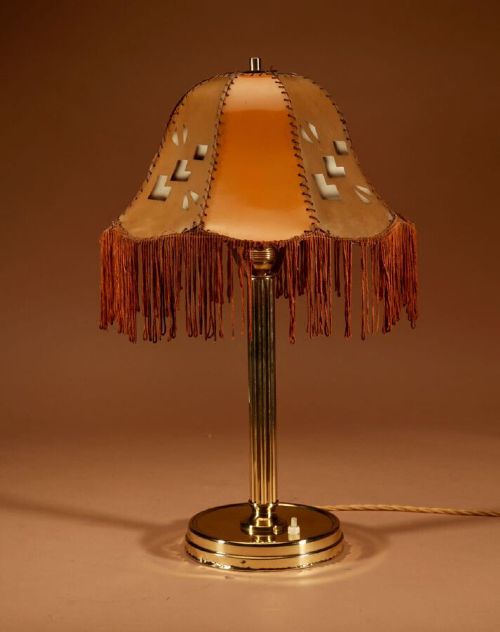
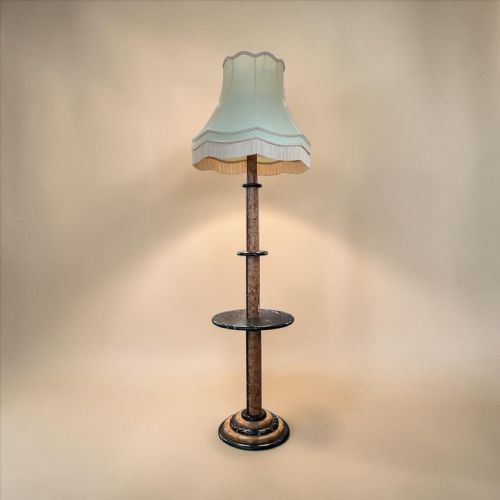
When you search for art deco column, you encounter a distinct vocabulary of architectural supports, pedestals, and upright lighting spanning the early twentieth century. The selections available here lean heavily into standard lamps, torcheres, and table lamps that translate classical verticality into modern geometry.
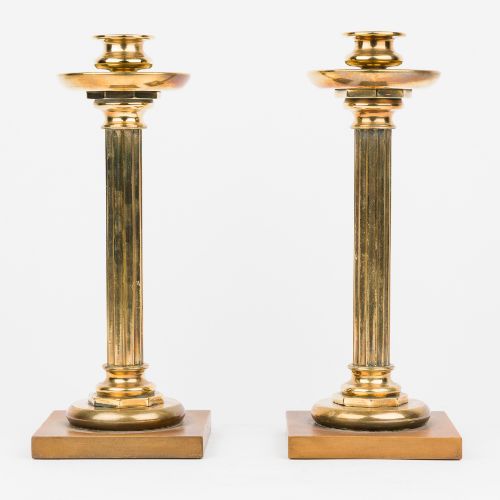
Most examples date from the 1920s and 1930s, embracing both streamlined simplicity and bolder geometric statements. You also find architectural fragments and candlesticks that share this strong vertical emphasis.
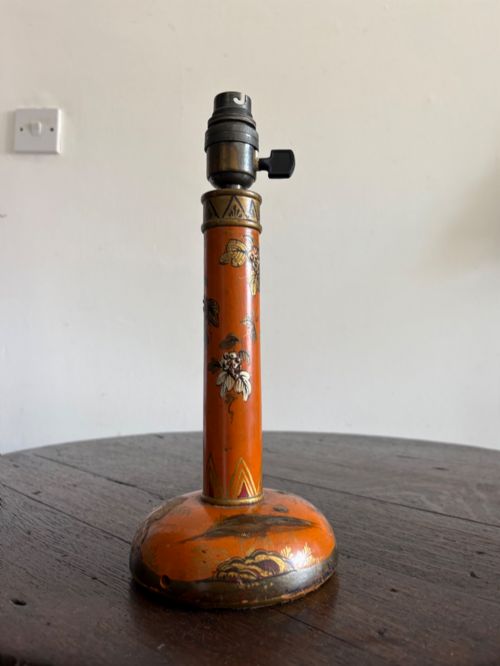
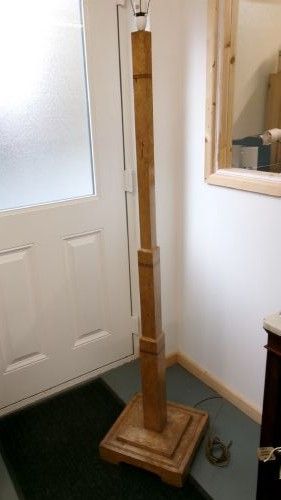
Materials range from solid marble and blond walnut to brass, chrome, and occasional lacquer work. These pieces function equally as direct functional lighting and as standalone pedestals for displaying objects.
Distinctions in quality
Quality in an art deco column rests on the integrity of the materials and the precision of the construction. Superior examples employ solid marbles, heavy gauge brass, and genuine exotic wood veneers rather than painted substitutes.
Proportion and execution separate standard commercial output from finer workshop pieces. The handling of joints, the weight of the metal components, and the depth of the finish determine the standing of each individual piece.
Listings feature items dated across four distinct decades, spanning from 1900 through to 1940.
The Art Deco Column Glossary
- Torchiere
- A tall floor lamp designed to direct light upwards towards the ceiling. These upright fixtures frequently form the central vertical column of a room scheme.
- Pricket
- A candlestick featuring a central spike upon which a candle is mounted. This traditional altar form appears in heavier brass and wood interpretations.
- Macassar ebony
- A heavily figured exotic hardwood with dark brown and warm yellow streaks. Cabinet makers utilised this timber for its striking natural contrast.
- Toleware
- Painted or lacquered metalware used for lamp bases and shades. This technique provided durable surfaces with decorative colour.
- Amsterdam School
- An architectural and design movement from the early twentieth century characterised by expressionist masonry and rich metalwork details.
Art Deco Column: Frequently Asked Questions
How do I place an art deco column?
These upright pieces suit corners, hallways, and flanking positions where vertical height balances low seating furniture.
Ensure the scale of the lamp or pedestal matches the surrounding room height without obstructing circulation paths.
Were these columns always used as lamps?
Many examples began life as torchiere floor lamps or table lamps, whilst others served purely as architectural pedestals and display columns.
Some items bridge these categories by functioning as combined side tables and lamp bases.
How do I date an art deco column?
Dating relies on identifying material combinations like chrome and macassar ebony alongside characteristic stepped or fluted geometry.
Earlier transitional pieces retain Edwardian or neoclassical proportions before fully embracing 1920s and 1930s abstraction.
What maintenance do these materials need?
Metal components in brass and chrome benefit from gentle dusting and occasional cleaning appropriate to their plated or patinated finish.
Wood surfaces require simple wax maintenance to preserve the grain of walnut and ebony veneers.