





Art Deco Brass Sculpture
An art deco brass sculpture captures the clean, dynamic lines and modernist energy of the interwar years through striking metalwork.
Art Deco Brass Sculpture
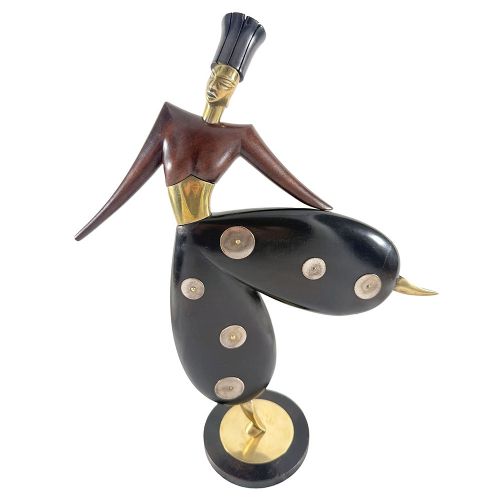
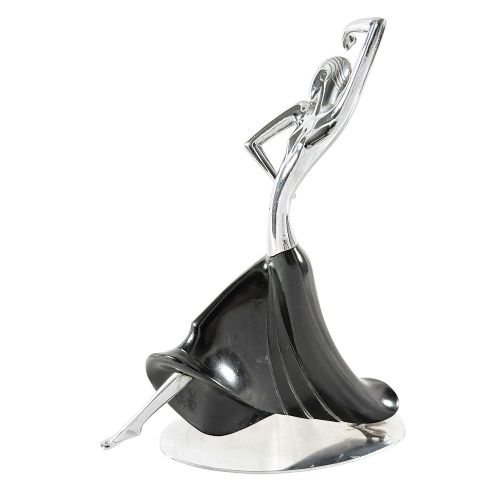
An art deco brass sculpture takes many functional and decorative forms, appearing across this page as standalone figurative pieces, bookends, table lamps, and mantel clocks. These objects emerge primarily from the 1920 and 1930 periods, capturing the sleek modernity characteristic of the era.
Makers combine brass with diverse materials such as wood, chrome, bronze, and green onyx to create depth and contrast. The selection ranges from female dancers and animal figures to architectural wall plaques and utilitarian table lighters.
How they were made
The construction of these pieces relies heavily on cast metals paired with carved organic elements like hardwood and green onyx. Artisans frequently integrated brass, bronze, and chrome plating to achieve contrasting metallic finishes and polished highlights.
Many works combine painted metal or gilt metal details with solid brass frameworks to accentuate the stylised geometry of the figures. Artisans also utilised mottled opaline glass and granite as base components to anchor the sculptural metalwork.
Art Deco Brass Sculpture Retail Price Guide 2026
Typical asking prices for art deco brass sculpture among the pieces listed under this phrase on Sellingantiques today, from the lower quarter to the upper quarter. They describe what is for sale here now, not the wider market.
The listings span the 1920 and 1930 periods alongside one later example, incorporating brass, bronze, wood, chrome, and green onyx.
What varies in quality
The distinction between ordinary and exceptional pieces rests in the sharpness of the casting and the expressiveness of the stylised form. Works attributed to known designers or prominent guilds often display superior finishing in the metalwork and finer attention to facial expressions and posture.
Material combination also defines the hierarchy, where solid brass or bronze combined with carved hardwood or quality onyx commands greater visual presence than simpler spelter or painted metal alternatives.
Josef Lorenzl·Sier Kunst·Hagenauer·C Omin·Laszlo Hoenig·Ferdinand Priess·The Birmingham Guild
The Art Deco Brass Sculpture Glossary
- Spelter
- A zinc alloy frequently utilised as a less expensive alternative to bronze or brass for casting figures. It takes plating and paint well but lacks the weight and durability of solid brass.
- Onyx
- A banded variety of chalcedony often used for the heavy geometric bases of interwar sculptures and clocks. Its natural striations provide a stable, contrasting foundation for metal figures.
- Patination
- The surface coloration and ageing acquired by brass and bronze over time through oxidation and handling. Original patination adds depth and authenticity to vintage metalwork.
- Stylisation
- The artistic simplification of natural forms into geometric planes, clean curves, and abstracted silhouettes. This approach defines the visual vocabulary of the interwar design movement.
Art Deco Brass Sculpture: Frequently Asked Questions
What defines an art deco sculpture?
An art deco sculpture is characterised by stylised geometry, streamlined silhouettes, and a focus on modern subjects like dancers, animals, and motion.
These pieces embrace the materials and manufacturing techniques of the interwar decades, prioritising visual rhythm over strict realism.
How are these brass pieces cleaned?
Cleaning requires minimal intervention to preserve the original surface and historic patination accumulated over decades.
A soft dry cloth removes dust, while aggressive metal polishes should be avoided to prevent stripping the finish.
Where should I place a heavy bookend?
A heavy metal and stone bookend suits sturdy wooden shelves or a dedicated library desk capable of supporting combined weight.
Positioning them against a substantial row of books ensures stability while displaying the front-facing sculptural design.
How do I spot a reproduction?
Authentic period pieces show consistent wear patterns, appropriate casting methods, and material combinations true to the interwar era.
Modern reproductions often lack the weight, crisp detailing, and natural ageing found in genuine twentieth-century examples.