

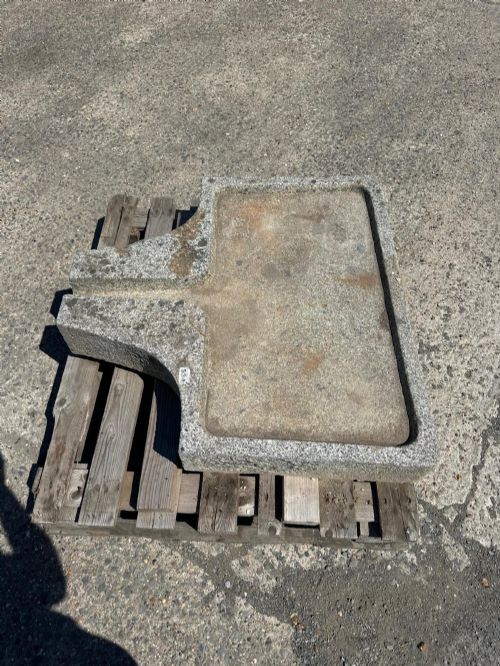
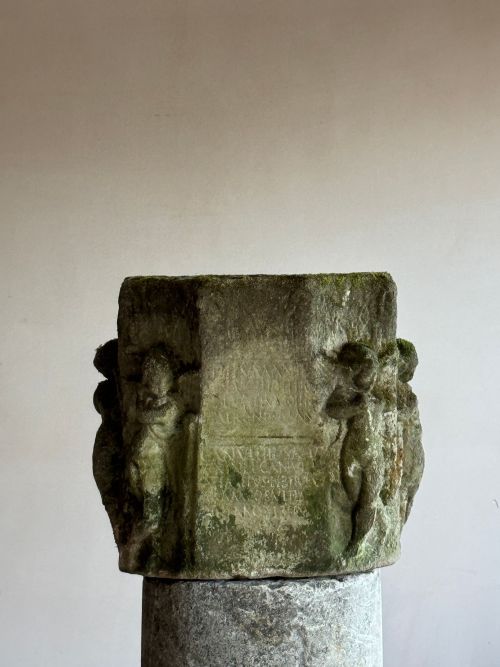


Architectural Garden Feature
An architectural garden feature transforms outdoor grounds with the substantial presence of historic granite, sandstone, lead, and wrought iron.
Architectural Garden Feature
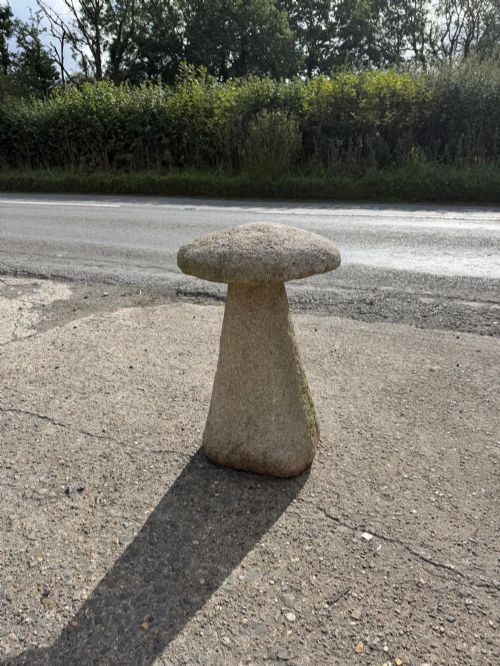
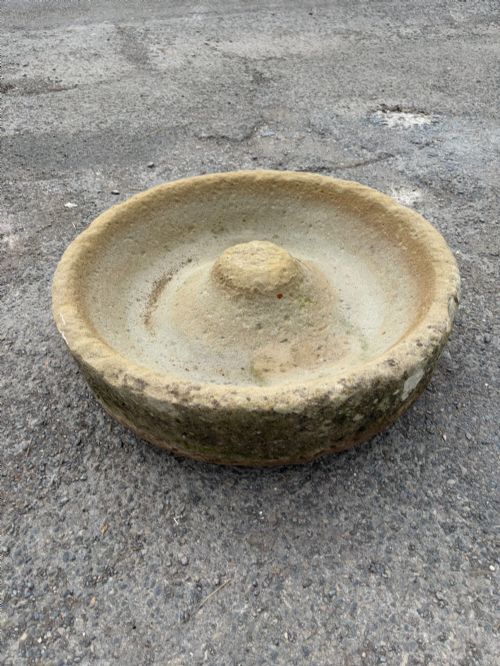
An architectural garden feature encompasses utilitarian items from past centuries repurposed for grounds and gardens, specifically staddle stones, troughs, mill stones, and fountain heads. These pieces bridge domestic history and landscaping, giving exterior spaces an immediate sense of age and established character.
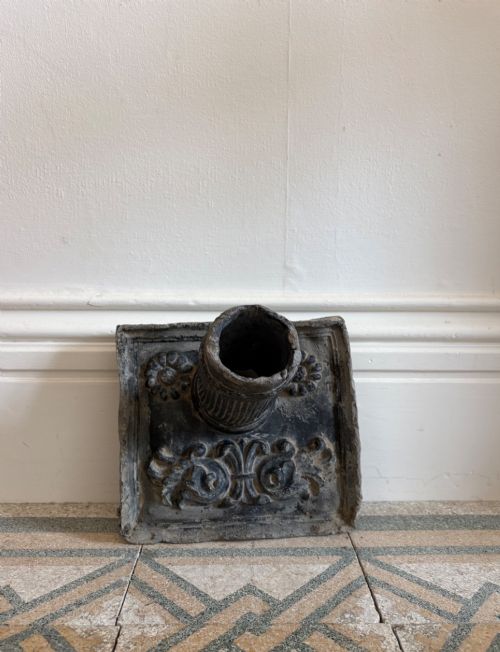
Beyond agricultural salvage, the selection includes architectural antiques such as lead fountain spouts, wrought iron weather vanes, and mill stone bases. Each object reflects the practical demands of rural life and traditional estate management through durable materials that weather naturally outdoors.
Materials and construction methods
Stonemasons shaped granite, sandstone, and limestone using hand tools to quarry and dress blocks for agricultural and architectural duties. The natural grain of the stone dictates its texture, often enhanced by decades of weathering, moss, and lichen growth in rural settings.
Metal items rely on blacksmithing techniques, utilising wrought iron for structural hardware like weather vanes and anchors, and casting for lead fountain heads and hoppers. These metallic elements display the hammer marks and jointing methods characteristic of pre-industrial and early twentieth-century metalworking.
Architectural Garden Feature Retail Price Guide 2026
Typical asking prices for architectural garden feature among the pieces listed under this phrase on Sellingantiques today, from the lower quarter to the upper quarter. They describe what is for sale here now, not the wider market.
Distinctions in quality and character
The standard of an architectural garden feature rests upon the integrity of its original form and the honesty of its wear. Pieces retaining their structural completeness without modern repairs demonstrate greater authenticity to their historical function.
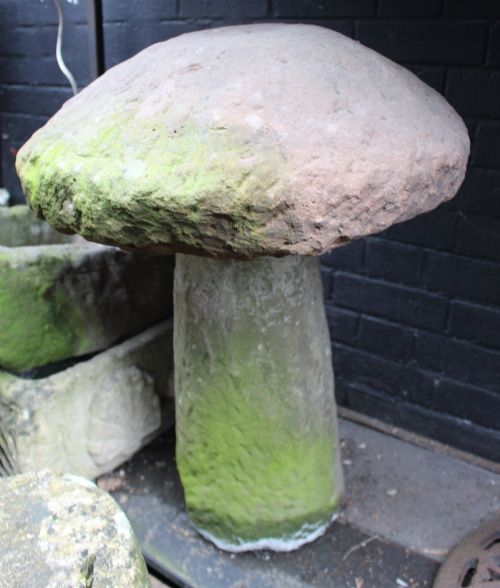
Surface patination plays a significant role in distinguishing fine examples, where natural weathering such as mature moss and lichen integration enhances the visual depth of granite and sandstone. The crispness of hand-tooled surfaces on staddle stones or lead fountain heads also separates standard utilitarian items from finer decorative pieces.
The Architectural Garden Feature Glossary
- Staddle stone
- A mushroom-shaped stone support originally used to elevate granaries above damp ground and deter vermin. They typically consist of a separate base and cap.
- Architectural salvage
- Building materials and utilitarian objects rescued from demolished structures or agricultural sites for reuse in gardens and interiors.
- Weather vane
- An outdoor instrument mounted on a high point to indicate wind direction, frequently fashioned from wrought iron during the early twentieth century.
- Mill stone
- A heavy circular stone used in pairs for grinding grain, often repurposed as a decorative paving element or garden feature.
- Patina
- The surface appearance altered by age, weathering, and use, which indicates the length of time an object has been exposed to the elements.
Architectural Garden Feature: Frequently Asked Questions
What is an architectural garden feature?
An architectural garden feature is a historic functional object, such as a staddle stone, trough, or mill stone, repurposed for landscape decoration.
These pieces originate from agricultural and structural contexts, bringing authentic age and robust materials to contemporary gardens.
How were staddle stones used?
Staddle stones served as elevated supports for granaries and rick yards, keeping harvested crops dry and safe from rodents.
The mushroom cap design prevented pests from climbing the tapered base into the storage structure above.
How do I care for stone garden antiques?
Granite and sandstone items require minimal maintenance and tolerate outdoor exposure well throughout changing seasonal weather.
Preserving the natural surface growth of moss and lichen maintains the historic character and visual appeal of the stone.